Dog Itching Ears: How to Help Right Away (Common Causes of Persistent Dog Ear Itching)
Published on January 12, 2026
Dogs with itchy ears will scratch their ears, shake their heads, and rub their ears against surfaces. You might also note an abnormal odor from the ear, redness in the canal or on the ear flap, and debris in the ear canal. Seeing a dog itching ears may not seem serious, but persistent ear itching affects your dog’s comfort and impacts their quality of life. Untreated, your dog may develop secondary infections (otitis externa). Ear itchiness can also signal underlying systemic diseases.
If the itching is persistent, timely veterinary intervention is essential to determine the cause, prevent secondary issues, and restore comfort. However, there are times when at-home observation and supportive care can be helpful.
We’ll cover the common cause of ear itching in dogs, signs that you may need to seek veterinary assistance, and what you can do to help your pet.
Common Causes of Persistent Ear Itching in Dogs
Allergic disease, ear infections, and parasites are the most common causes of persistent ear itchiness, but they’re not the only ones. We’ll cover those and more in this section.
- Allergies: Dogs with itchy skin and ears commonly have allergic skin disease. These allergies are usually to environmental triggers, such as pollen, resulting in atopic dermatitis, or to food allergens. These allergens can cause skin inflammation, including in the ear canal. Dogs can also have allergic skin reactions to flea saliva.
- Bacterial and yeast infections: An infection of the ear canal (otitis externa) can cause itchiness, a foul odor, build-up of debris, and redness of the ear canal. These infections can occur secondary to allergies or to moisture in the ear. Dog breeds with floppy, pendulous ears may be at increased risk of ear infections.
- Ear mites: These parasites are contagious and especially common in puppies or dogs from shelters. These parasites cause intense scratching and the build-up of dark debris.
- Foreign bodies/trapped debris: Foreign objects in the ear, such as grass seeds, foxtails, bugs, or other debris, can also cause ear itchiness. If the ear canal is obstructed, whether by chronic inflammation or a mass, debris can also become trapped. With a dog itching inside the ear, this is definitely something to rule out, especially if the ear canal looks normal.
- Moisture/Swimming: Dogs who swim or bathe frequently can develop “swimmer’s ear.” Because of trapped moisture or water in the ear, the dog may develop an ear canal infection and inflammation. Dogs with pendulous ears may have an increased risk.
- Anatomic/conformational issues: Some breeds may be at increased risk of itchy ears due to anatomic or conformational differences. Dogs with long, pendulous ears, hairy ear canals, or narrow ear canals may be predisposed to ear infections and thus, itchy ears.
- Endocrine or systemic disease: Some endocrine or systemic conditions can cause itchy ears. Hypothyroidism is an example of an endocrine disorder to consider, as it can cause changes to the health of the dog’s skin, including the skin of the ear canal. Some immune-mediated skin conditions, like pemphigus, can also affect the ears.
- Chronic, untreated otitis leading to proliferative changes: If the dog’s ear canals are inflamed for a prolonged period without treatment, proliferative changes may develop. The canal and pinna may thicken, causing canal stenosis (narrowing). These changes can affect the balance of microorganisms in the ear and the movement of earwax and moisture, leading to infections.
Some of these causes can overlap, and your dog may have more than one predisposing factor contributing to their itchy ears. If your dog keeps itching their ear, consulting with your dog’s veterinarian is the best way to determine the cause of your dog’s itching and get appropriate treatment.
Dog Itching Ears: What to Look For
If your dog is suddenly itching their ear, the first thing you’ll want to do is look in the ear yourself. If you don’t notice redness, debris, or other changes to the ear, you can usually monitor at home. At-home support is appropriate for dogs with mildly itchy ears who are otherwise healthy, with no known allergies, pain, or thick discharge. To determine how to provide care, consult your veterinarian.
Signs that you need to set an appointment include:
- Redness of the ear canal or flap
- Foul odor from the ear
- Debris within the ear
- Itchiness that isn’t improving over 24–48 hours
If your pet is going to the veterinarian, you’ll want to provide the vet with all the information you have to help them determine what’s causing the itchiness. Questions to consider include:
- How long has your dog had itchy ears?
- Is it only one ear, or are both ears affected?
- Have you noticed an odor or discharge?
- Has your dog recently been swimming or had a bath?
- Have you noticed any itchiness or redness in other areas of the body, like the rump, groin, armpits, and paws?
- Are any other dogs in the house affected?
- Have you tried any treatments?
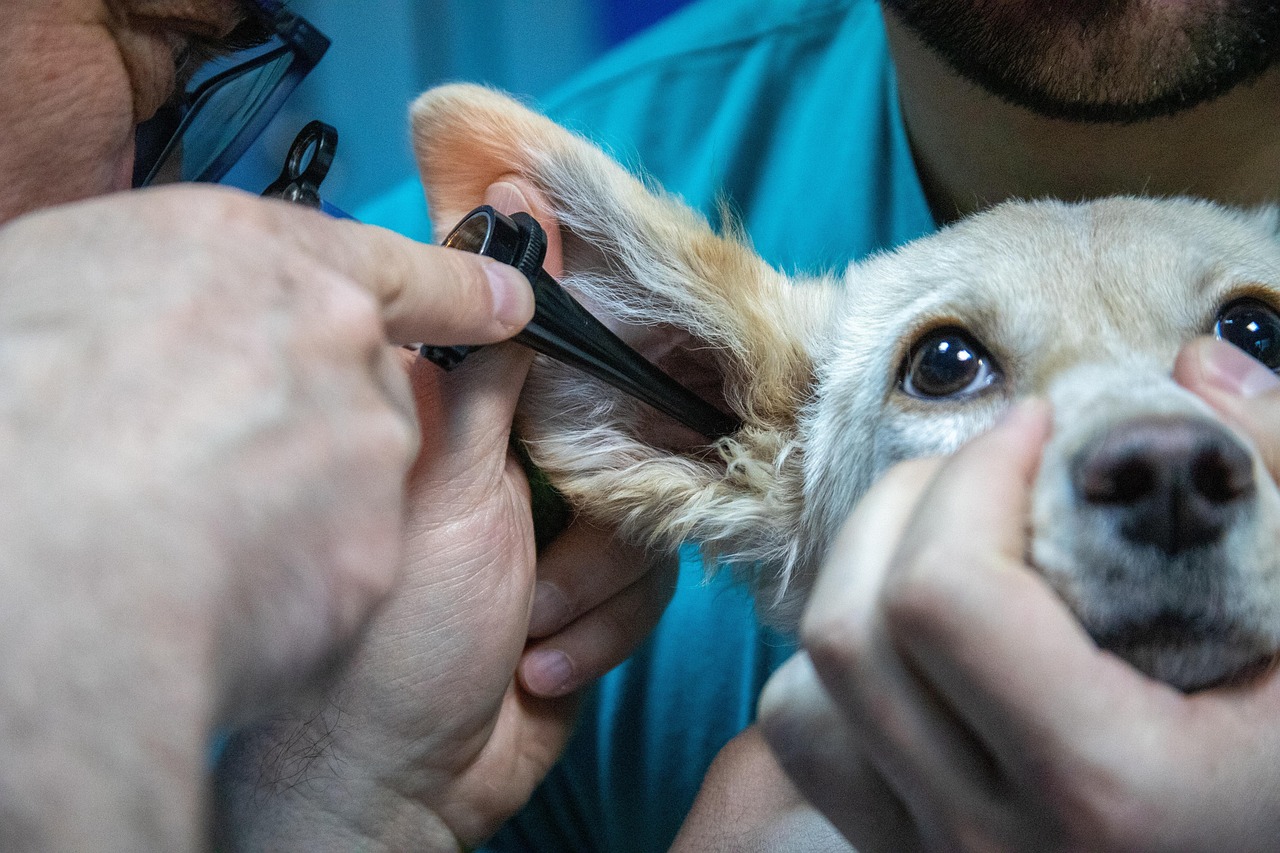
During the examination, the veterinarian will look at the ear flap and the canal. If there is debris in the ear, they’ll collect a sample for microscopic examination, which helps them rule out mites and infection. If possible, they’ll want to assess whether the tympanic membrane (eardrum) is visible, which can affect the treatments they recommend. They’ll use an otoscope to look inside your dog’s ear. If ear examination is painful, your dog may need to be sedated.
Signs that your pet may need more urgent care include:
- Soft, blood-filled swelling of the ear flap (hematoma)
- Painful ears
- Head tilt, stumbling, or disorientation (may suggest middle ear involvement)
- Bleeding from the ear
- Thick purulent discharge (pus)
- Foreign object in the ear
- Hearing loss
- Other systemic signs, like fever or loss of appetite.
At-Home Supportive Care for Dog Itching Ears: What Owners Can Do & How the Product Fits
At-home supportive care for a dog itching their ears may be appropriate, given your veterinarian’s approval. The following are tips for at-home supportive care for itchy ears. All featured products are chosen at the discretion of the Vetstreet editorial team and do not reflect a direct endorsement by the author. However, Vetstreet may make a small affiliate commission if you click through and make a purchase.
- Gentle cleaning: After deep ear disease has been ruled out, you can use a vet-approved ear cleanser to remove debris from the canal. Use gauze or soft tissue to dry the liquid and remove debris. You should not put cotton-tipped swabs deep into the ear canal, which could cause injury to the eardrum.
- Control allergens: If you know what your dog is allergic to, avoid those allergens. Keeping windows closed, changing air filters, and using air purifiers may help with environmental allergies. If your dog has food allergies, your veterinarian should help you determine which ingredient to avoid. Please note that proteins, not grains, are the leading cause of food allergies. Please also note that some allergies will require prescription medications from the veterinarian for adequate control.
- Keep the ear dry: If your dog is prone to ear infections, avoid taking your dog swimming. When you bathe them, consider placing a cotton ball or using ear protection to stop water from entering the ear canal.
- Use vet-approved ear drops: Remember—you should never put medicated ear drops in your dog’s ears without veterinary approval. However, if your veterinarian has ruled out the presence of deep ear disease and ascertained that the eardrum is intact, they may approve over-the-counter medicated ear drops, like TropiClean HomeVet Max Strength Ear Drops (2% miconazole, 1% hydrocortisone, acetic acid). This product is indicated for dogs and is designed to be used as a supportive ear drop to soothe and manage mild ear canal irritation and scratching. The product should be applied after cleaning or drying the ear. To determine the number of drops to give and how frequently to administer TropiClean HomeVet Max Strength Ear Drops, follow the package instructions or your veterinarian’s directions. After applying, massage the base of the dog’s ear to distribute the medication. Again, this product should only be used as an adjunct treatment after your veterinarian has examined your dog’s ear and ruled out severe infection and a ruptured eardrum.
- Use parasite preventatives: Some products treat and prevent ear mites. Your veterinarian can recommend or prescribe appropriate products. You’ll also want products that prevent fleas, which can cause significant allergic skin disease in dogs.
- Put an e-collar on your dog: If your dog continues to scratch at their ear, they can worsen their condition by causing trauma. An e-collar can help stop your dog from scratching at the ear while medications or over-the-counter products work.
Pros & Cons of At-Home Ear Drop Use
Products like TropiClean HomeVet Max Strength Ear drops are convenient and accessible for owners to begin supportive ear care at home. If used early, these products can prevent escalation of mild ear itching by reducing yeast growth, reducing inflammation, and fighting bacterial growth. Pet owners who are using ear drops on their dog may notice issues earlier, before significant progression occurs.
Over-the-counter dog ear drops shouldn’t be used without first consulting a veterinarian for diagnosis, nor are they a substitute for prescription treatments. Medicated ear drops alone are unlikely to help with significant otitis externa, middle-ear disease, or structural issues in the dog’s ear. If used without first consulting a veterinarian, the dog’s condition may worsen.
Over-the-counter products should not be used if the eardrum is perforated, especially without veterinary approval. If your dog resists your attempts to administer the medication, improper application may reduce the product’s effectiveness.
Actionable Guidance
Persistent ear itching in dogs is a common issue that often has multiple contributing factors. Regardless of the cause, early attention improves outcomes. Home monitoring and supportive care may help maintain your pet’s comfort, but veterinary assessment and oversight are necessary for most ear conditions.
TropiClean HomeVet Max Strength Ear Drops represent a practical, supportive product for dogs with mild ear irritation when used appropriately and guided by your pet’s vet. If you’re noticing redness, debris, a foul odor, pain, or a head tilt, it’s essential to contact your veterinarian before putting anything in the ear.