Halo Dog Collar Review: A Veterinarian’s Honest Look
Published on March 03, 2026

Not that long ago, keeping your dog safely contained meant one thing: a fenced yard or a buried wire system. That setup still works for some homes, but it doesn’t always fit modern life. Many pet parents travel often, move between homes, or simply want more flexibility without committing to a permanent fence.
That’s where GPS-based dog containment systems come in. Halo teamed up with world-renowned dog trainer Cesar Millan to create a smart collar that goes beyond traditional fencing. The Halo Collar 5 combines virtual GPS boundaries, activity tracking, and built-in training tools into a single device designed to adapt to real-world routines.
In this Halo Collar 5 review, we’ll take a closer look at how the system performs day to day—including setup, training effectiveness, reliability, and overall value—through the lens of a veterinarian who tested it with her own dog.
All featured products are chosen at the discretion of the Vetstreet editorial team and do not reflect a direct endorsement by the author. However, Vetstreet may make a small affiliate commission if you click through and make a purchase.

Halo Collar 5: What Is It?
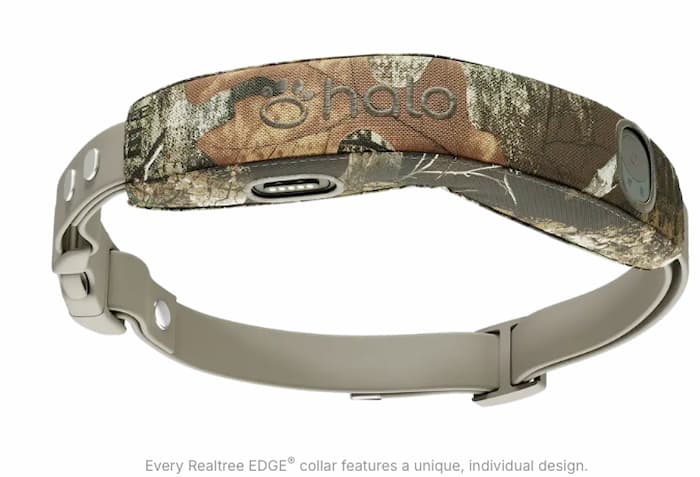
The Halo Collar is a wireless GPS fence system designed to give dogs more freedom while still keeping them safely contained. The newest model, the Halo Collar 5, lets pet parents create virtual boundaries directly through the Halo app. Instead of a physical fence, the collar uses sound, vibration, or static feedback to teach dogs where they can—and can’t—go.
The collar also includes built-in GPS tracking, allowing you to monitor your dog’s location in real time, along with daily activity tracking to give insight into exercise and movement patterns. Everything runs through the Halo app, which handles mapping, training programs, activity logs, and fence setup.
There is even an optional add-on pet parents may purchase called the Zone Beacon, which creates indoor and outdoor fence zones to keep dogs away from certain furniture items or outdoor hazards.
The Halo Collar works with most dog breeds and property types. It’s adjustable for dogs 10 pounds and up, and dogs should be at least five months old before using the system. To access GPS tracking and data logging features, a monthly subscription is required, with plans typically ranging from about $8.50 to $16.99 per month.
What the Halo Collar Offers
What sets the Halo Collar apart is how much it packs into one system. It’s not just a GPS fence—it’s also a training and activity-tracking tool.
Behaviorist-backed training
Cesar Millan’s training framework is built directly into the app, guiding pet parents through structured training programs. The idea is to help dogs learn to associate feedback—whether sound, vibration, or static—with commands and boundaries in a consistent, repeatable way.
Accurate GPS and real-time alerts
The Halo Collar uses dual-frequency GPS technology designed to improve accuracy, even in more challenging environments. Pet parents receive real-time alerts and location updates, which adds an extra layer of reassurance.
Customizable virtual fences
Depending on your subscription plan, you can create and save multiple virtual fences. This is especially useful for families who travel, split time between properties, or want different setups for different locations.
Smart, directional feedback
One of Halo’s standout features is how the collar responds based on your dog’s movement. If your dog approaches or crosses a boundary, the collar adjusts its feedback depending on whether they’re moving farther away or turning back toward safety. This directional awareness helps guide dogs back rather than simply reacting after the fact—and it’s a big reason Halo fences are often described as “escape-resistant.”
Activity tracking and wellness insight
Beyond containment, the collar tracks daily activity levels. While it’s not a medical device, it can help pet parents spot changes in routine or exercise patterns that may be worth paying attention to.
Offline fence reliability
Once virtual fences are saved to the collar, they remain active even without WiFi or cellular service. This makes the system usable in remote areas, as long as fences are set up ahead of time. Real-time GPS tracking, however, does require a connection.
Durable, adventure-ready design
The Halo Collar is built for active dogs. It’s waterproof up to three feet, sturdy enough for outdoor adventures, and offers up to 48 hours of battery life after about an hour of charging with the Halo Collar 5.
Using the Halo Collar With Your Dog
Introducing the Halo Collar works best when you take things slowly. Short, supervised training sessions in a calm, distraction-free environment give your dog time to learn verbal cues and understand how those commands connect to the collar’s feedback.
Fit matters, too. Start by choosing the correct contact points based on your dog’s coat length—longer tips for thicker or longer fur, shorter tips for short coats. Once attached, fit the collar snugly with the speaker positioned just below the right ear. The collar should feel secure without pressing against your dog’s throat.
Before using any correction with your dog, it’s a good idea to test the feedback levels on your own arm first. This helps you understand the intensity of each level and adjust settings accordingly. Once your dog is comfortable wearing the collar, customize feedback based on their sensitivity and ease into training gradually.
It’s also important to remember that the Halo Collar works best as a supplement—not a replacement—for traditional training. Consistent positive reinforcement helps dogs form the right associations and leads to better long-term results.
For indoor safety, Halo Beacons can be used to create “Keep Away” zones around hazards or off-limits areas, offering extra flexibility inside the home.
Pros and Cons
All technology comes with pros and cons that must be considered when deciding if the device is right for you. Things to consider before choosing the Halo Collar include the following:
Pros:
- Leading brand with expert training insight
- All-in-one device combining a GPS fence with training and activity tracking
- Customizable boundaries for multiple properties
- Ability to create fences for easy recall (the number of fences you can save at one time depends on your Pack Plan)
- Reliable offline performance
- Rugged quality and high durability
- Fast charging capabilities and extended battery life
- Customizable feedback levels with positive association
Cons:
- More expensive than some basic GPS collars on the market (but far from the priciest)
- Monthly subscription required
- Learning curve for best training results
- Bulkier fit on smaller breed dogs
- Requires consistency with training
- GPS signal interference possible in certain areas
- Activity tracking limitations

A Vet’s Experience With the Halo Dog Collar
The Halo Collar and accessories arrived neatly packaged, with a sturdy box and a clear, easy-to-follow quick-start guide that covered charging and basic setup.
I tested the collar on Bella, an active, middle-aged Labrador Retriever. I also tested all feedback levels and adjusted them before placing the collar on her, as I felt the default settings were higher than necessary.
Bella didn’t seem bothered by the collar at all, which speaks to its comfort and build quality. The app’s step-by-step setup instructions were clear and made the initial setup process straightforward.
Training started with recall using the Whistle feedback, which Bella responded to immediately. From there, I introduced prevention training using the GPS fence. The fence boundaries aligned well with the property lines, though the warning zone extended into areas Bella would normally access. This may be less noticeable on larger properties, but having the option to adjust the warning zone size would improve flexibility.
When Bella approached the boundary, the warning beep and vibration prompted her to turn around right away. Even after turning the geofence off, she continued avoiding the area—an encouraging sign that the training had made an impression.
However, Bella did seem a bit unsure afterward and stayed close for the rest of the day, which limited further training. Mild anxiety lingered over the next couple of days. This suggests that some dogs may benefit from a slower introduction period, allowing more time to get comfortable with the collar before active training begins.
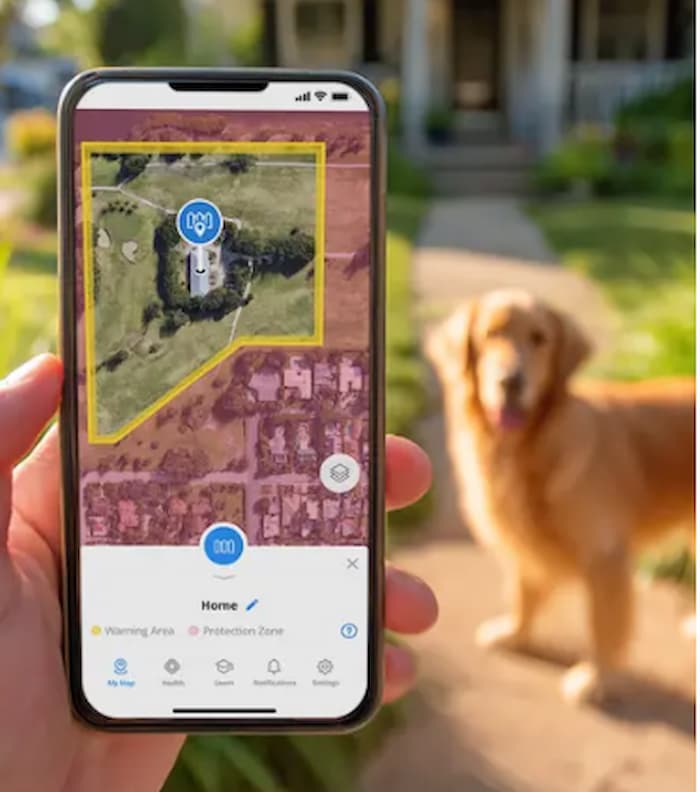
With consistent, positive reinforcement, most dogs are likely to settle into the routine. The system shows strong potential to give pet parents added confidence while still allowing dogs more freedom.
Battery life proved to be excellent overall, though it was easy to forget charging on busy nights. Setting a phone reminder would help.
Because I’m not especially tech-savvy, I asked Bella’s pet parent, who happens to be a seasoned software developer and dog lover, to test the app with me. We both found that while the app has a lot of potential, some of the navigation could be smoother. Certain menus are tucked away within others, so you’ll need to practice a bit so you can quickly access training tools or adjust settings on the fly.
Final Verdict: Is the Halo Collar 5 Worth It?
When compared to the cost and permanence of traditional fencing, the Halo Collar 5 offers a far more flexible—and often more economical—solution.
It’s best suited for dogs with basic obedience skills, homes with moderate to large properties, or families who travel frequently with their dogs. Overall, the Halo Collar 5 delivers a thoughtful balance of training support and safety features, making it a strong option for pet parents who want modern flexibility without giving up control.