Dehydrated Cat Food: Is It Right for Your Cat?
Published on September 16, 2026
This article is sponsored by The Honest Kitchen. Vetstreet maintains editorial control and uses current product information plus independent pet-nutrition and veterinary sources. Vetstreet may earn a commission if you purchase through links in this article.
Dehydrated cat food is a dry, shelf-stable format designed to be mixed with water before serving. For the right cat, it can combine compact storage with a soft, moist meal. It is not automatically raw, more nutritious, or better than every other format. Its suitability depends on the nutritional adequacy statement, life stage, calorie needs, willingness to eat the rehydrated texture, transition tolerance, and any veterinary diet requirements.
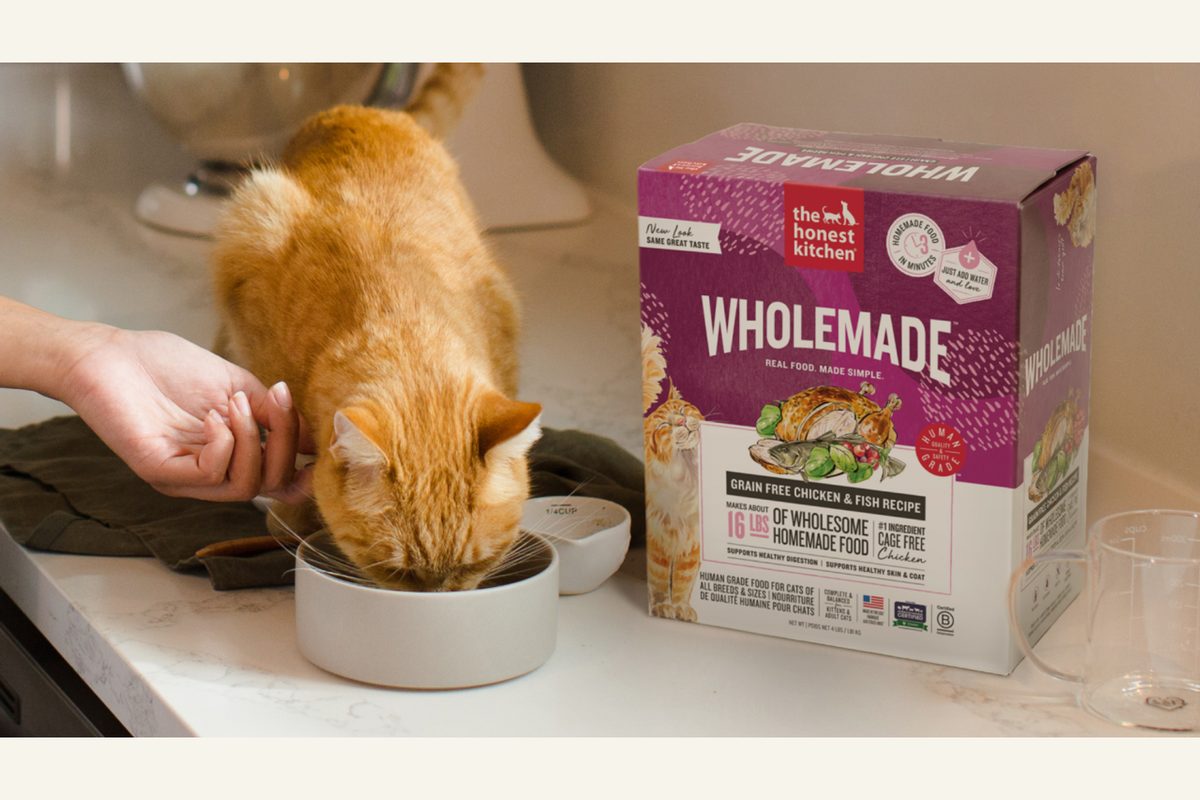
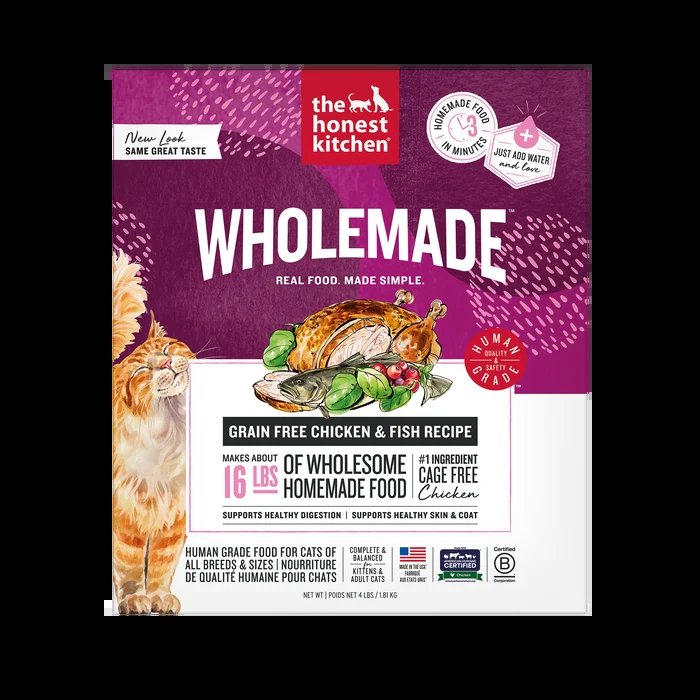
The Honest Kitchen currently offers dehydrated feline recipes, including Grain Free Chicken & Fish and Grain Free Chicken. The brand says its dehydrated proteins are gently cooked to at least 165 degrees Fahrenheit before dehydration. That distinction matters: these products should not be described as raw food. They should be assessed as their own cooked-and-dehydrated format, using current labels rather than broad assumptions about “less processed” diets.
Key Takeaways
- Dehydrated cat food is made shelf stable by removing moisture and is generally rehydrated before feeding.
- THK says its dehydrated proteins are gently cooked to at least 165 degrees Fahrenheit before dehydration, so its feline dehydrated food is not raw.
- Rehydration adds water to the meal, but fresh drinking water must still be available.
- Confirm the current complete-and-balanced statement and intended life stage before using any formula as a cat’s sole diet.
- Transition gradually and monitor appetite, stool, body weight, and water intake.
- A cat that refuses food for more than a day needs prompt veterinary attention.
What Is Dehydrated Cat Food?
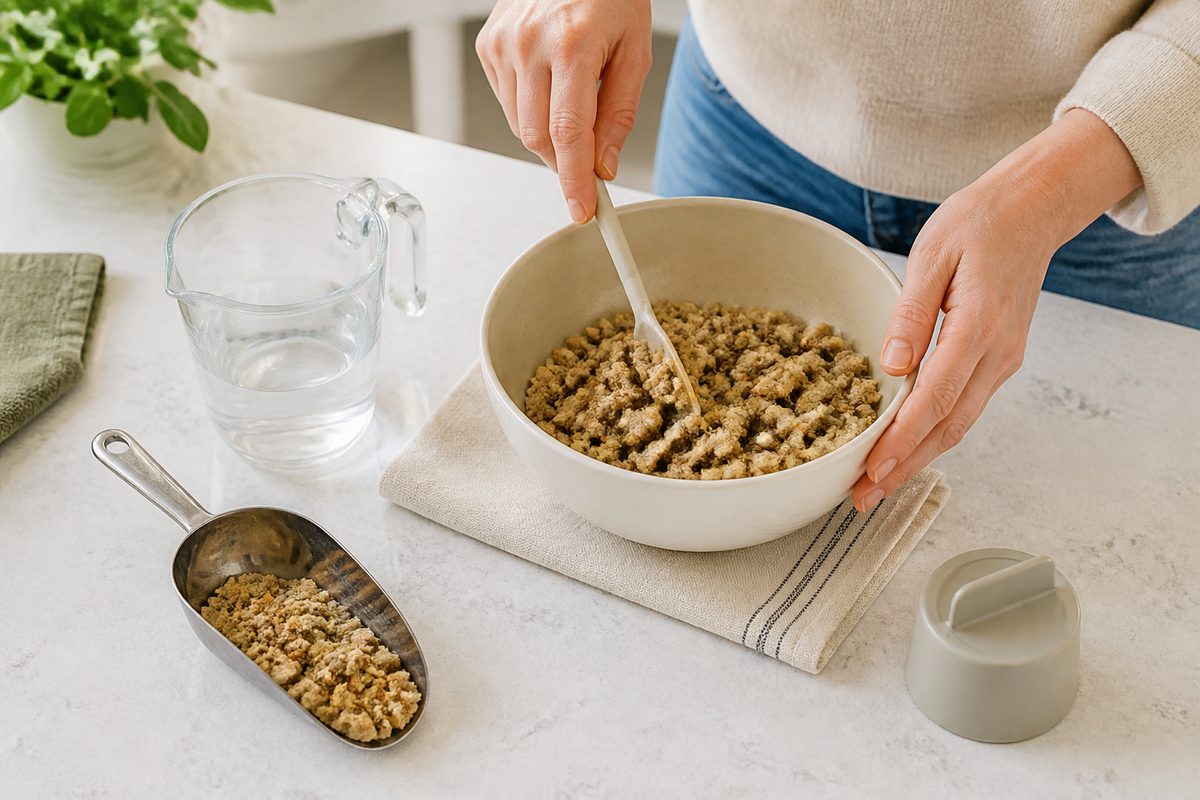
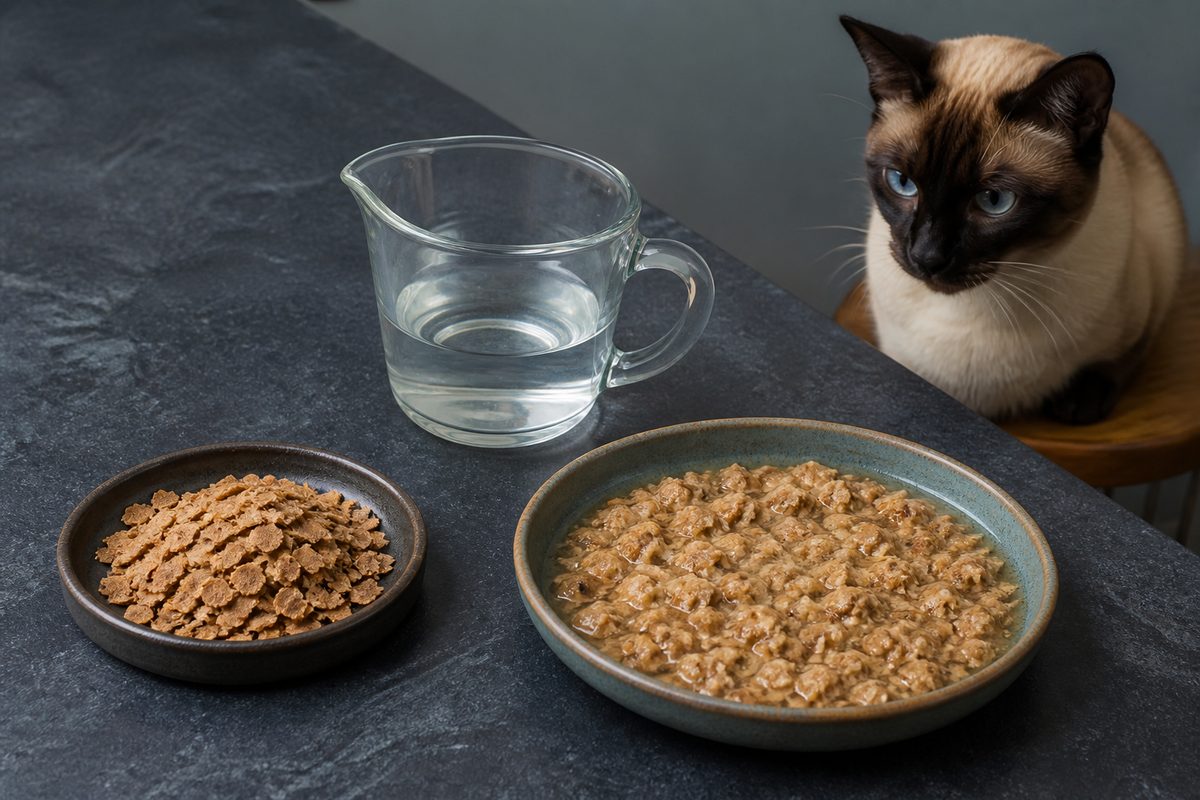
Dehydrated cat food begins with a prepared recipe from which much of the moisture is removed. The lower-moisture form is compact and can be stored without taking up the refrigerator space required by opened wet food. At mealtime, the owner measures the dry product, adds the amount of water directed on the current package, stirs, waits as instructed, and serves the rehydrated food.
That description sounds simple, but four questions determine whether a bag is appropriate:
- What is the product’s nutritional role? A complete meal, topper, supplement, and base mix are different products.
- For which life stage is it formulated? Kittens, adults, pregnant or nursing cats, and seniors can have different needs.
- How must it be prepared? The package controls the food-to-water ratio and serving instructions.
- Will the individual cat eat and tolerate it? Nutritional adequacy on paper only helps when the cat consumes an appropriate amount.
| Decision question | What to verify | Why it matters |
|---|---|---|
| Can it be the whole diet? | Current nutritional adequacy statement | Supplemental products cannot replace a complete meal |
| Is it appropriate for this cat’s age? | Intended life stage on the package | Growth and adult maintenance have different nutrient demands |
| How is it prepared? | Recipe-specific dry amount, water amount, and wait time | Ratios and calorie density can differ by product |
| Does the cat accept the texture? | Appetite and actual intake after gradual introduction | Cats should not be left to “give in” after prolonged food refusal |
| Does it fit a medical plan? | Veterinary direction for urinary, kidney, gastrointestinal, allergy, or other diets | Added foods can disrupt therapeutic nutrition |
| Is it practical for the household? | Preparation time, storage, cleanup, travel, and feeding schedule | A consistent routine supports accurate portions and safe handling |
The phrase “dehydrated cat food” describes processing and serving form, not nutritional quality by itself. One dehydrated formula can be complete and balanced while another is only a topper. The FDA’s complete-and-balanced pet food guidance explains that the nutritional adequacy statement is the place to verify whether a product is intended as a sole diet and for which life stage.
A seven-question suitability scorecard
Before changing foods, answer these questions:
- Does the current label say complete and balanced for my cat’s life stage?
- Does my veterinarian want my cat on a therapeutic or tightly controlled diet?
- Will my cat reliably eat a soft rehydrated texture?
- Can I measure both food and water at every meal?
- Can I refrigerate leftovers promptly and keep bowls clean?
- Does the calorie amount support my cat’s body condition goal?
- Can I transition slowly enough to observe appetite and digestion?
One “no” does not automatically reject the format. It identifies what needs solving. A texture concern may call for a slower introduction. A medical-diet concern requires veterinary approval. An unclear adequacy statement requires checking the package or manufacturer before feeding it as the whole diet.
How Dehydrated Cat Food Differs From Other Formats
Food-format terms are often treated as synonyms even though they describe different processes and eating experiences. A cat owner comparing options should focus on the actual product directions and label, not on whether the package uses a fashionable descriptor.
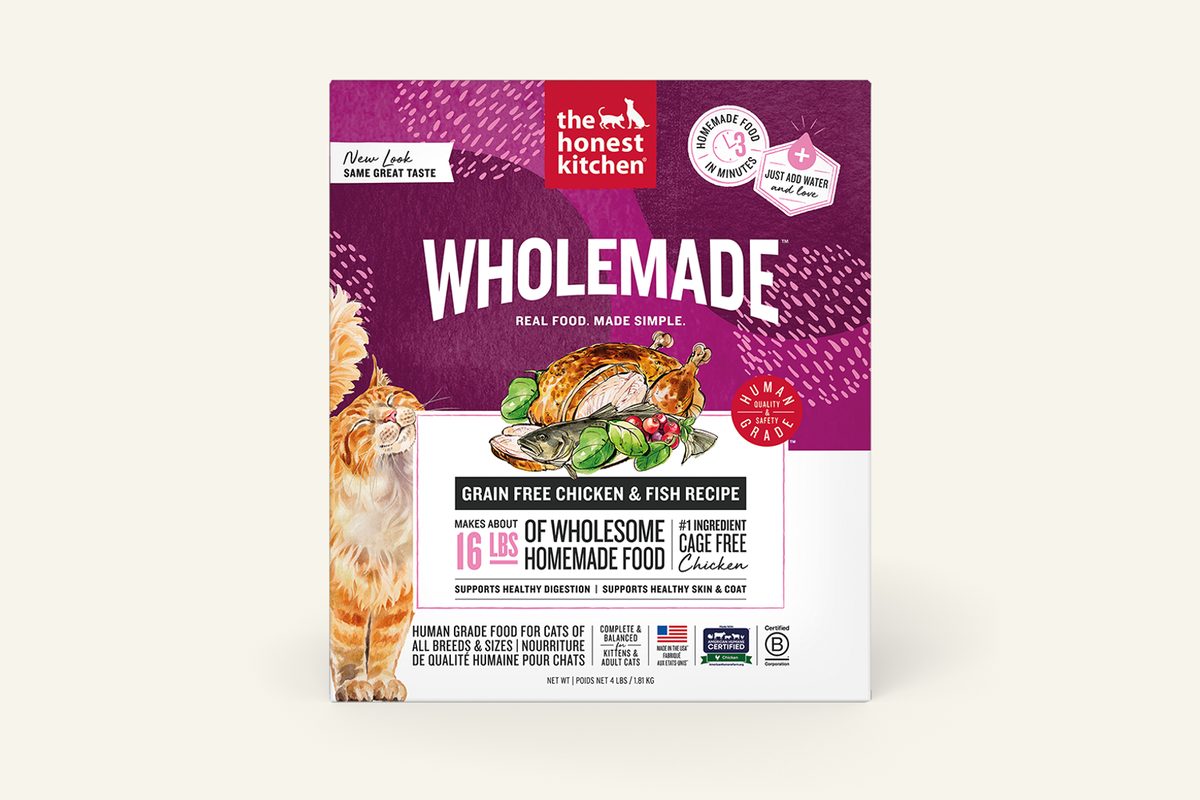
Dehydrated does not mean raw: The Honest Kitchen says the proteins in its dehydrated Grain Free Chicken & Fish cat food are gently cooked to at least 165 degrees Fahrenheit before dehydration. Describe the current THK process as cooked and dehydrated, not raw or freeze-dried.
Dehydrated food
Moisture is removed to create a compact dry product, which is then prepared with water according to the package. The rehydrated texture may resemble a soft mash or pâté-like meal depending on the formula and ratio. Its calorie concentration should be read from the dry serving information, not guessed from the larger hydrated volume.
Traditional dry food
Kibble is formulated and manufactured to be served dry unless the owner or veterinarian chooses to add water. Its pieces retain their shape in the bowl and are usually calorie dense by volume. Some cats strongly prefer the crunch and familiarity of kibble. Switching from kibble to rehydrated food is therefore a texture change as well as a recipe change.
Wet canned, minced, mousse, or pouch food
Wet food comes packaged with substantial moisture already included. It is opened and served rather than measured dry and mixed at home. Textures vary from smooth mousse to minced pieces, shreds, or chunks in gravy. Opened containers require refrigeration and safe handling.
Freeze-dried food
Freeze drying removes moisture through a different process. Some freeze-dried products are raw and some are not, so the term alone cannot establish pathogen handling or cooking. Product labels must still be checked for nutritional adequacy, preparation directions, and whether rehydration is required or recommended.
Air-dried food
Air-dried foods typically have a dense, chewy or jerky-like texture and are often served without adding water. Processing temperatures and nutritional roles vary. Air dried is not another name for dehydrated, and neither word guarantees a particular nutrient quality.
Supplemental hydration products and toppers
Broths, Pour Overs, and other hydration toppers can add moisture and aroma but may be labeled only for intermittent or supplemental feeding. They cannot be counted as complete meals merely because they contain meat or look like wet food.
| Format | Water at purchase | Typical serving step | Main label check |
|---|---|---|---|
| Dehydrated | Low | Measure and rehydrate as directed | Adequacy, life stage, ratio, prepared-food storage |
| Kibble | Low | Usually measure and serve | Adequacy, life stage, calories, portion |
| Wet food | High | Open, portion, and refrigerate leftovers | Adequacy versus supplemental status |
| Freeze-dried | Low | Follow product-specific dry or rehydrated direction | Raw or cooked status, adequacy, handling |
| Air-dried | Low to moderate | Often portion and serve | Adequacy, calories, processing description |
| Broth or topper | High or mixed from powder | Add a limited amount to a base food | Supplemental statement and serving limit |
The current THK cat collection includes multiple forms. Keeping the formats distinct helps prevent a shopper from using a supplemental hydration product as a full diet or expecting every product to create the same texture.
Potential Benefits of Rehydrated Meals for Cats
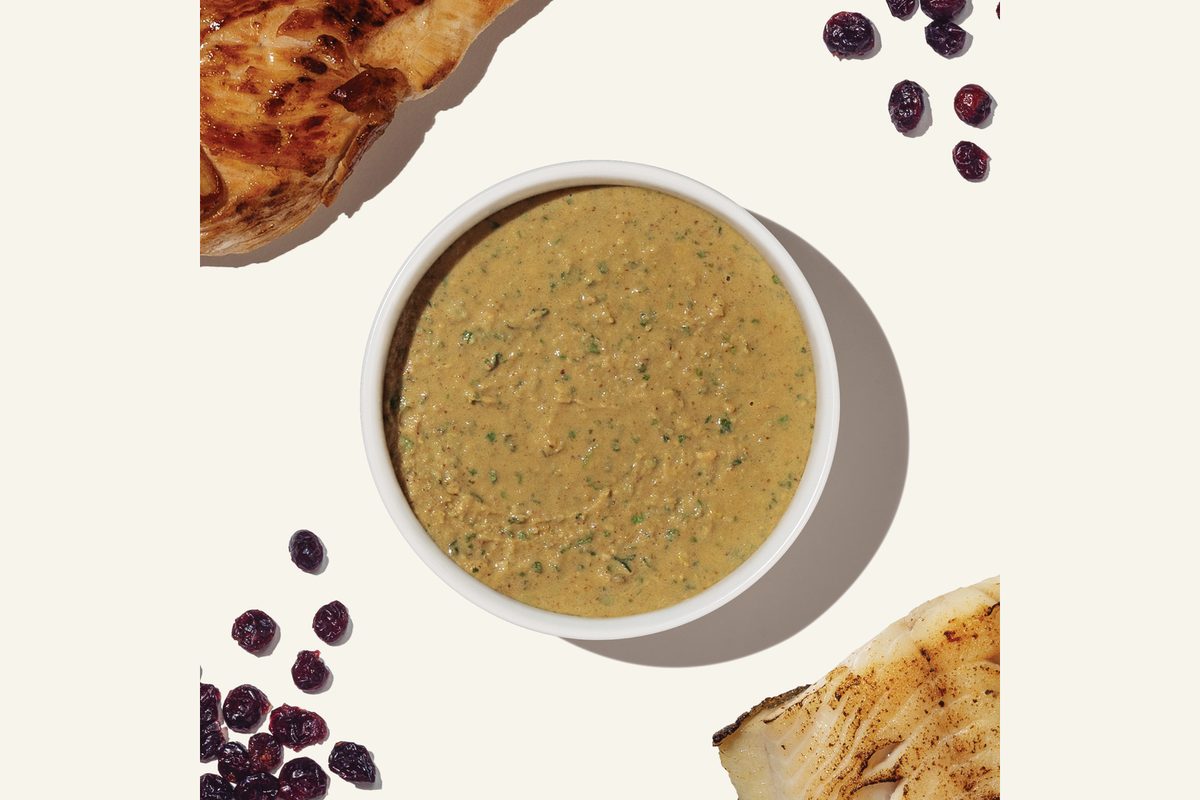
The strongest positive case for rehydrated cat food is practical rather than medical. Adding the label-directed water places moisture directly in the meal. The dry package is compact. Owners can prepare a fresh portion in a predictable routine. Cats that enjoy a warm, soft texture may find the meal appealing.
The Cornell Feline Health Center’s hydration guidance explains that cats obtain water both by drinking and through food. Adding water to food can increase water intake, but every cat must still have access to fresh water. Rehydrated food is not a reason to remove bowls or fountains.
| More water in the served meal | Water is intentionally added during preparation | It does not replace fresh drinking water or a veterinary fluid plan |
| Soft texture | Rehydration changes dry particles into a moist meal | Some cats prefer crunch, chunks, or another texture |
| Compact pantry storage | Moisture is added at mealtime instead of shipped in the package | Prepared portions still require prompt refrigeration |
| Portion flexibility | Owners measure the dry serving and water | Flexible texture must stay within product directions and calorie needs |
| Warm aroma | Warm water can increase meal aroma | It cannot be relied upon to solve sudden appetite loss |
| Current feline recipe choice | THK offers more than one dehydrated cat formula | Availability does not establish suitability for every cat |
Moisture that is measurable
An owner can record exactly how much water is added to the bowl. That does not equal the cat’s total absorbed fluid intake, because some food may be left behind, but it gives a useful preparation measure. If hydration is a medical concern, the veterinarian may want information about all food, water, urine, medications, and clinical signs rather than a single added-water number.
A soft texture without opened cans
Rehydrated food may appeal to cats that enjoy a smooth or soft meal. It can also be convenient for owners who prefer to store a dry bag and prepare moisture at serving time. However, cats develop strong texture preferences. A cat raised on crunchy kibble may not immediately recognize a mash-like meal as food, while a cat accustomed to pâté may transition more readily.
Controlled aroma and temperature
Warm, not hot, water can make a meal smell more noticeable. This may support interest in a healthy cat that is cautious about a new food. It should not be used to conceal a persistent appetite problem. Cats are vulnerable to serious consequences from prolonged inadequate intake, so the response to refusal is not to wait indefinitely.
A texture-transition ladder
Texture can be introduced gradually while keeping measurements anchored to the product directions:
- Offer a small taste of correctly prepared food beside the familiar meal.
- If accepted, mix a small measured amount into part of the familiar food.
- Increase the proportion gradually while decreasing the former food.
- Keep the water amount within current label guidance rather than inventing an extremely dry version.
- Observe what the cat actually consumes, not only what was placed in the bowl.
- Pause and contact the veterinarian if the cat refuses meaningful food intake or develops concerning signs.
Do not starve a cat into accepting a new texture. The safe transition protects intake first and preference training second.
Is Dehydrated Cat Food Complete and Balanced?
It can be, but the format does not answer the question. Look for the nutritional adequacy statement on the exact product. That statement should indicate whether the food is complete and balanced and name the life stage or stages for which it is formulated. A product labeled for intermittent or supplemental feeding should not become the sole diet.
This distinction is especially important in a category that includes meals, toppers, and hydration products. A shopper may see meat, broth, and recognizable ingredients and reasonably assume “this looks like dinner.” Nutritional completeness depends on the full nutrient profile, not appearance.
How to read the label in order
- Find the full product name and confirm it matches the bag and formula you intend to feed.
- Locate the nutritional adequacy statement.
- Identify the life stage, such as growth or adult maintenance.
- Read the calorie statement and feeding chart.
- Read preparation directions, including dry measure and water.
- Check the ingredient list for known sensitivities.
- Retain the lot code and best-by information.
The feeding chart provides a starting amount, not a promise that every cat at that weight needs the same calories. Body condition, neuter status, activity, age, environment, and health can affect needs. Weigh the cat and adjust with veterinary guidance rather than changing food volume based only on an empty bowl.
Kittens and growth
Kittens need a diet appropriate for growth. Before feeding a dehydrated formula as the sole diet, confirm that the current package says it is complete and balanced for the kitten’s life stage. The current THK Dehydrated Grain Free Chicken & Fish product page states that the recipe is formulated for kittens and adult cats. The package in hand should still control because labels can change.
Growth also requires adequate calories and consistent intake. A kitten that does not eat the rehydrated texture needs another appropriate plan promptly. Do not assume hunger will eventually overcome refusal.
Adult and senior cats
Adult maintenance adequacy can fit many healthy adults, but age alone does not determine the best food. Senior cats vary widely. One may remain healthy and active, while another has kidney disease, hyperthyroidism, diabetes, dental pain, or muscle loss requiring individualized nutrition. A dehydrated format can be convenient, but it should not displace a therapeutic plan.
Prepared versus dry storage checklist
| At home | Keep sealed, cool, and dry with the original label | Cover and refrigerate promptly according to the package |
| Multi-cat home | Prevent formula and portion mix-ups | Label containers and supervise meals if cats eat different diets |
| Travel | Keep measured portions dry and protected from moisture | Confirm safe water, mixing tools, and refrigeration before preparing |
| Power or refrigeration problem | Protect the sealed dry package | Discard prepared food that cannot be kept safely cold |
| New bag or formula | Recheck directions and adequacy | Do not combine old and new prepared batches without tracking |
The Honest Kitchen Dehydrated Cat Food Options
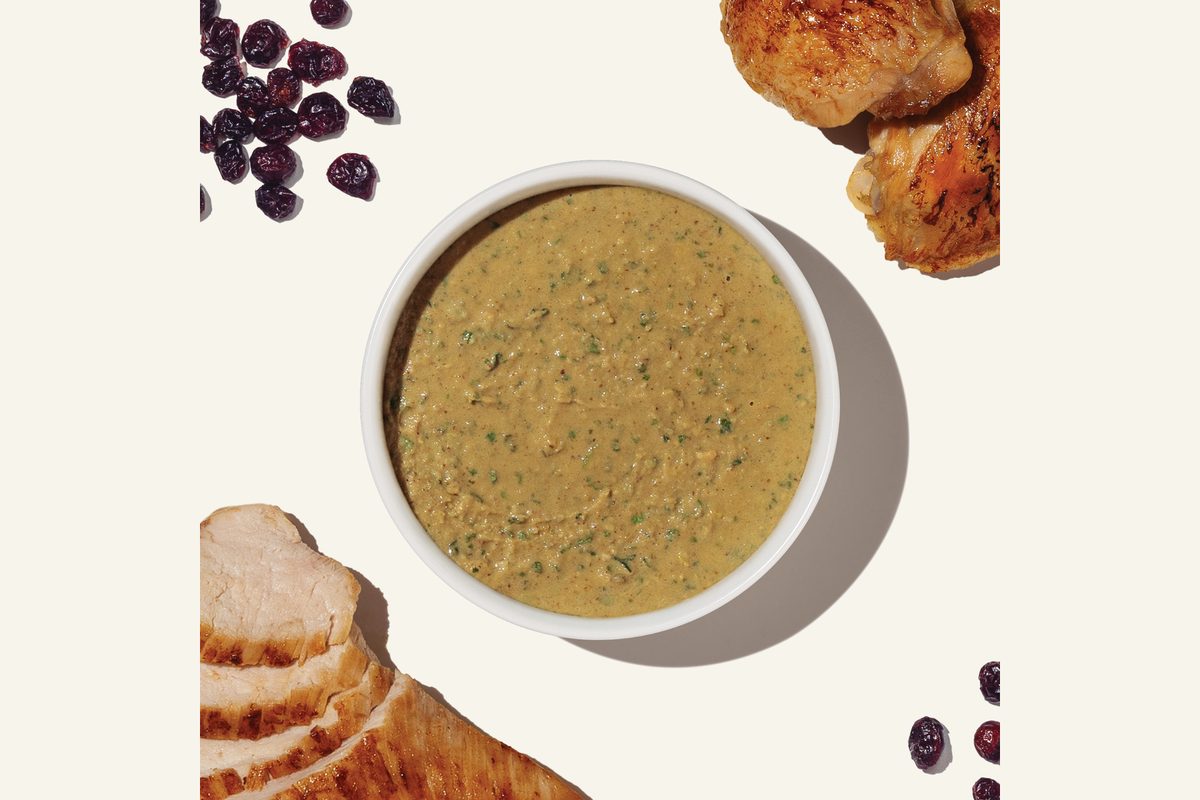
The Honest Kitchen’s dehydrated feline options give cat households a way to prepare a moist meal from a dry pantry format. Product names, ingredients, calories, and adequacy statements must be checked at the time of purchase.
Dehydrated Grain Free Chicken & Fish
The Dehydrated Grain Free Chicken & Fish formula combines chicken and fish in a grain-free dehydrated recipe. THK says the proteins are gently cooked to at least 165 degrees Fahrenheit before dehydration. The current page states that it can be served as a complete meal or a topper and is formulated for kittens and adult cats.
Those points make it a useful example of why labels need several readings. “Complete meal or topper” describes two serving roles, each with different portion implications. “Kittens and adult cats” speaks to life-stage formulation. “Gently cooked before dehydration” prevents the inaccurate raw-food label.
Grain Free Chicken Dehydrated Cat Food
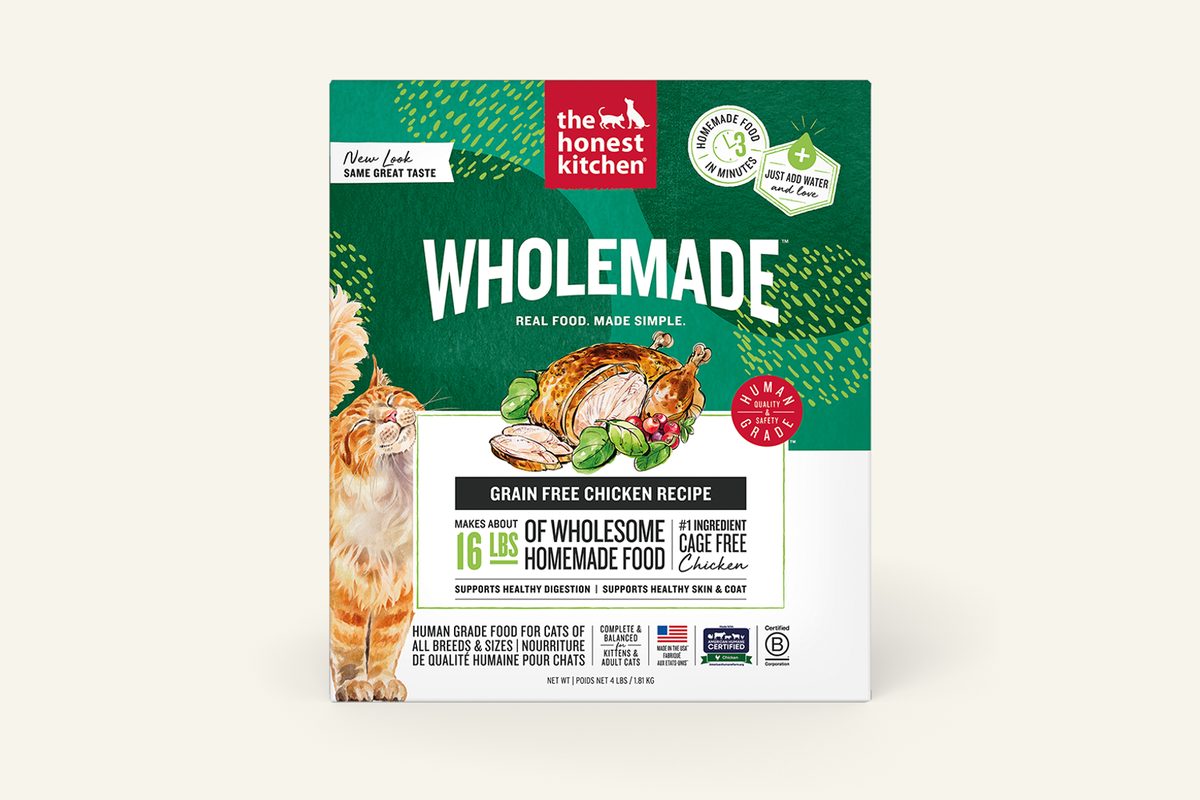
The Grain Free Chicken dehydrated formula provides a second dehydrated feline option for households seeking a chicken-forward recipe. Before choosing it, review the current package for nutritional adequacy, life stage, calorie content, ingredients, and exact preparation directions.
The existence of a second flavor can help with ingredient and preference decisions, but it does not justify rapid flavor rotation. Cats with sensitive digestion or suspected adverse food reactions benefit from controlled changes. When a veterinarian is evaluating a food response, extra varieties can make the result harder to interpret.
Where dehydrated food fits in the broader THK feline lineup
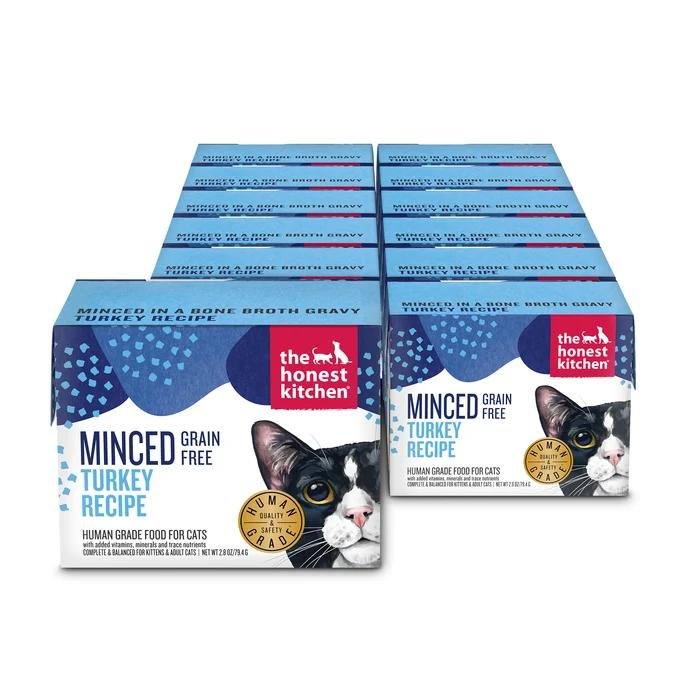
THK also sells other cat-food textures, including wet and cluster-style products, plus supplemental options. This matters because the best THK fit may be another format. A cat that refuses rehydrated food but eats an appropriate wet recipe consistently may be better served by the wet texture. A household that cannot reliably mix and refrigerate portions may prefer a ready-to-serve complete food.
Positive product selection is not about declaring one format universally superior. It is about matching a current complete product to the cat and the household. THK’s range gives owners choices within one brand, while the label and the cat’s response determine the specific fit.
Use the package as the final authority: Before the first full meal, confirm the nutritional adequacy statement, life stage, dry amount, water amount, calorie content, and prepared-food storage guidance. Save the lot code and best-by date.
How to Prepare Dehydrated Cat Food
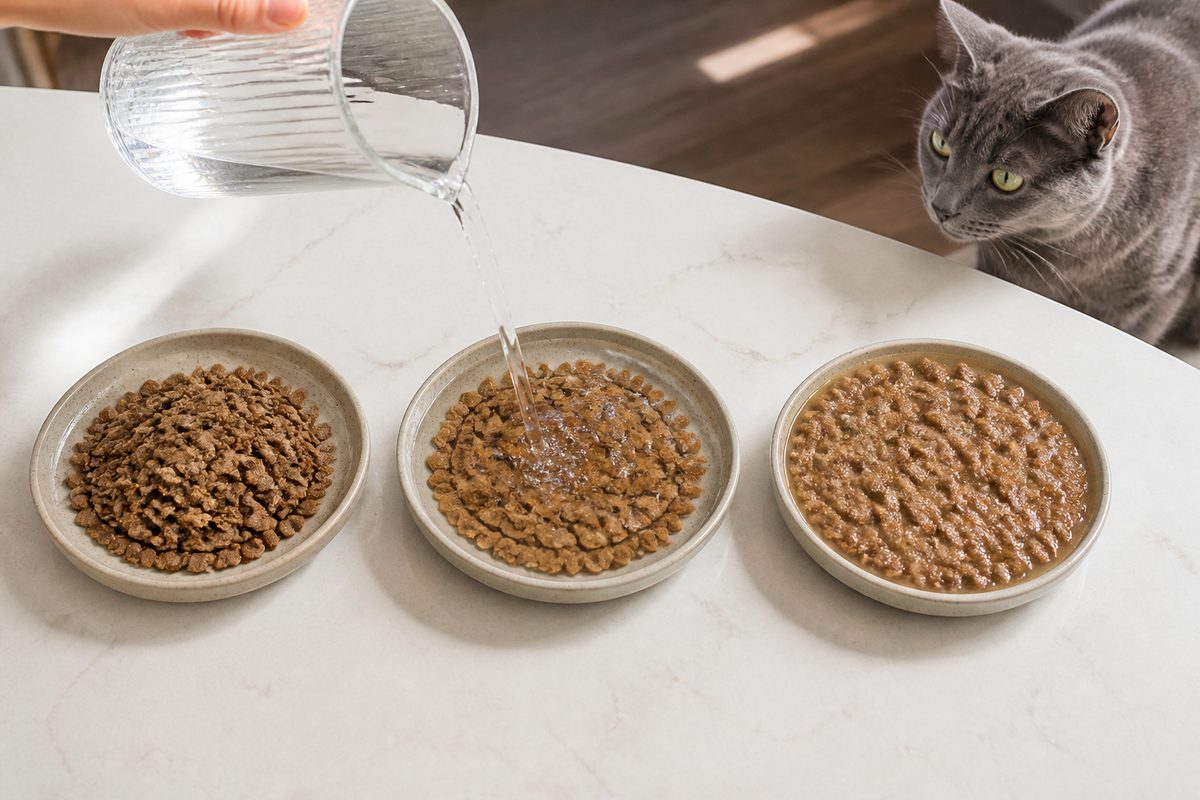
Preparation begins by measuring the cat’s calorie-bearing dry portion. Use the current product’s feeding chart and the cat’s veterinary nutrition plan. Measure water separately and use the temperature specified by the product. Stir thoroughly and wait the stated time so the food hydrates evenly.
Step 1: Read the exact formula directions
Do not use directions from a dog formula, another cat flavor, a topper, or an old package. Note the product name and copy the dry and water amounts for the meal you intend to serve.
Step 2: Measure the dry portion
Use a clean, dry measuring tool and level it consistently. If the cat is transitioning, measure the smaller planned share rather than preparing a full serving and discarding most of it. Keep the package dry and reseal it promptly.
Step 3: Measure and add water
Use a liquid measure rather than guessing at the faucet. Add water in the amount and temperature range the current label directs. Water changes texture and moisture but does not remove the calories in the dry portion.
Step 4: Stir and wait
Mix from the bottom and break up dry pockets. Wait as instructed. Stir again and look for even hydration. Do not serve if the food feels hot.
Step 5: Offer a clean, appropriately sized portion
Serve in a clean bowl and observe intake. Cats may eat several small meals, so the feeding schedule should match the household plan while preventing prepared food from sitting out unsafely.
Step 6: Refrigerate leftovers promptly
Transfer extra prepared food to a clean covered container and follow the package storage window. Label the preparation date. Discard food with spoilage signs or food that was mishandled.
Prepared-food hygiene matters because adding water creates a perishable meal. Wash bowls after use, do not top fresh food onto an old dried layer, and keep scoops clean. Retain the original package for lot information in case the food ever needs to be identified.
Texture adjustments without guessing
If the meal seems unusually thick or thin, first verify that both measurements match the correct formula. Stir and wait the full time. Then consult the package for allowed adjustment. Avoid making the food dramatically drier to mimic kibble or dramatically thinner to force fluid intake without veterinary advice.
For a cat that likes a smoother texture, thorough mixing may help. For one that prefers visible pieces, another THK format may be a better match than repeatedly altering a dehydrated recipe beyond its directions.
How to Decide Whether It Fits Your Cat
Use a four-part decision: nutrition, acceptance, health, and household practicality.
Nutrition fit
The adequacy statement must match the life stage, and the calorie plan must support healthy body condition. A cat should consume enough of the food to meet needs. If a large amount is regularly left, the theoretical nutrient profile is not the same as actual intake.
Acceptance fit
Observe whether the cat approaches, tastes, and consumes the prepared texture. Some hesitation during a gradual transition is different from complete refusal. Do not withhold all familiar food for a prolonged period to force acceptance. Cats can become medically unwell when they eat too little.
Health fit
Ask the veterinarian before changing food for a cat with urinary disease, kidney disease, diabetes, pancreatitis, gastrointestinal disease, food allergy, dental pain, or another diagnosed condition. These cats may need controlled nutrient levels or textures. A general benefit such as added meal moisture does not override a therapeutic requirement.
Dental comfort deserves special attention. A soft meal may be easier for a cat with mouth pain to manipulate, but changing texture does not treat dental disease. Dropping food, chewing on one side, drooling, pawing at the mouth, or approaching food and backing away should prompt veterinary evaluation.
Household fit
Consider whether every caregiver can measure correctly, refrigerate leftovers, and prevent another pet from stealing the meal. In a multi-cat home, free feeding can make individual intake hard to know. Supervised meals may be necessary during transition or when cats have different diets.
For travel, bring the original label, premeasured dry portions, safe water, liquid measure, clean bowls, and a refrigeration plan. If that is unrealistic, another complete THK format may be more practical for the trip.
A simple fit matrix
| Texture | Cat reliably eats a soft rehydrated meal | Cat persistently refuses despite a careful transition |
| Hydration | Added meal water supports the general routine | A medical fluid plan requires precise veterinary management |
| Life stage | Current adequacy statement matches | Label does not cover the cat’s life stage |
| Calories | Portions can be measured and adjusted | Intake is unpredictable or weight is changing unexpectedly |
| Medical diet | Veterinarian approves the exact product | A therapeutic diet would be displaced |
| Storage | Dry bag and prepared leftovers can be handled safely | Refrigeration, cleanup, or supervision is unreliable |
| Travel | Measuring and safe water are available | A ready-to-serve format is more dependable |
How to Transition and Monitor Your Cat
Transition gradually by mixing a small amount of correctly prepared dehydrated food with or beside the familiar food. Increase the new portion slowly while decreasing the old portion if the cat continues to eat well and digestion remains normal. Keep other treats and food changes limited so you can interpret the response.
Monitor five things:
- Appetite: How much is actually eaten at each meal?
- Stool: Is frequency and consistency stable?
- Body weight: Is weight steady or moving toward the veterinary goal?
- Water intake: Are drinking and urination patterns changing?
- Behavior: Is the cat active, comfortable, grooming, and interacting normally?
Use written notes during the first two weeks. Record the new-food proportion, dry amount, water amount, leftovers, stool, and any vomiting. A clear log can help a veterinarian distinguish a portion issue, abrupt transition, texture refusal, or possible illness.
The Merck Veterinary Manual’s cat nutrition guidance warns that loss of appetite is clinically important. A cat that refuses food for more than a day should receive prompt veterinary attention. Kittens, senior cats, cats with diabetes, and cats that are already ill may need help sooner.
Do not assume a new food caused every sign. Vomiting, diarrhea, hiding, lethargy, increased thirst, decreased urination, mouth pain, or weight loss can have many causes. Pause the diet change and seek veterinary guidance based on severity.
Once the transition is complete, continue monitoring body weight and condition. Feeding charts need individual adjustment. Recheck the package with each new bag and keep the original label available.
A structured 14-day home trial
For a healthy cat whose veterinarian has no objection to the formula, a short structured trial can make the transition more informative. The purpose is not to prove that the food causes a medical benefit. It is to learn whether the cat eats the formula consistently, tolerates the recipe and texture, and whether the household can prepare it accurately.
Before day one, establish a baseline. Record the cat’s current weight if a recent reliable measurement is available, usual food and daily amount, meal schedule, typical water setup, usual stool pattern, and any regular treats. Photographing the body from above is not a substitute for a veterinary body-condition score, but it can help caregivers notice large changes over time. Do not begin a trial during an active illness, immediately after surgery, or while the veterinarian is trying to interpret unexplained appetite or digestive signs.
During days one through three, test recognition and acceptance. Prepare a small amount precisely according to the package. Offer it beside or mixed with a portion of the familiar food in a way that still lets the cat consume adequate calories. Note whether the cat sniffs, licks, takes several bites, or eats the portion. Also note whether the cat avoids the entire bowl when the foods touch. That last response may mean side-by-side presentation works better initially.
During days four through seven, increase only if intake is reliable. The new share can rise gradually while the former share falls. Keep the total calorie plan in view. A cat that eagerly eats both foods does not necessarily need an extra full portion of each. Measure leftovers so an apparently full bowl does not hide reduced intake.
During days eight through fourteen, test the intended routine. Prepare the food at the times and in the batch size the household expects to use long term. Confirm that every caregiver follows the same dry and water amounts. Observe whether the cat’s enthusiasm remains stable once novelty fades. Check that prepared-food storage, bowl washing, and meal supervision are realistic.
At the end of two weeks, review:
- Was meaningful food intake maintained every day?
- Did stool remain within the cat’s normal range?
- Was there vomiting beyond an isolated hairball or known baseline pattern?
- Did body weight remain stable unless a supervised weight change was intended?
- Did the cat drink, urinate, groom, and behave normally?
- Could the household measure, mix, wait, serve, and refrigerate consistently?
- Did the food fit the budget when calculated by actual daily dry portions rather than package size alone?
Stop the home trial and contact the veterinarian sooner if the cat refuses food, repeatedly vomits, has persistent diarrhea, hides unusually, appears painful, becomes weak, or shows a meaningful change in thirst or urination. A diet log is useful evidence, but it is not a reason to delay care.
Monitor hydration without drawing medical conclusions
Owners often choose rehydrated food because they want more moisture in the bowl. That is a reasonable practical goal. Monitoring whether the change solves a medical hydration problem is more complex. A bowl can contain more water while a cat still has an illness that changes thirst, urination, or fluid balance.
At home, observe trends rather than trying to diagnose hydration from one sign. Keep water bowls or fountains in their usual locations, clean them regularly, and note sudden changes in refill frequency. Watch litter box output for obvious changes, but remember that clumping litter, multiple cats, weather, and fountain evaporation make casual estimates imprecise.
Do not restrict drinking water to make the cat consume the rehydrated meal. Do not make the food into an extremely diluted soup to force fluid without checking product directions and veterinary advice. Cats with kidney disease, urinary disease, heart disease, diabetes, vomiting, or diarrhea may need a medical fluid and nutrition plan that cannot be created from a general food article.
The useful observation to bring to the veterinarian is specific: the exact dry food amount, water added, how much was eaten, drinking behavior, urine changes, body weight, and other signs. “This food hydrated my cat” is a conclusion. “My cat ate this measured portion containing this added water and continued to drink normally” is actionable information.
Multi-cat households need individual intake control
Dehydrated food can work in a multi-cat home, but shared bowls make it difficult to know who ate what. One cat may love the new texture and consume both portions while another walks away. The bowls can look empty even though the target cat ate very little.
During transition, feed cats separately or supervise them closely. Use named bowls and separate preparation records when dry amounts differ. If one cat receives a therapeutic diet, prevent access to the other cat’s THK meal unless the veterinarian approves it. Microchip feeders or separate rooms may help, but they still require clean bowl handling and correct preparation.
Prepared food should not move from cat to cat after it has been licked. Saliva and time at room temperature affect hygiene, and transferring leftovers also obscures intake. Discard or refrigerate according to the product and food-safety plan rather than treating the communal bowl as an all-day buffet.
Texture refusal is information, not misbehavior
Cats are sometimes labeled stubborn when they reject a new food. Texture and aroma preferences are normal feline behavior, and sudden appetite change can also signal illness. Punishment, prolonged food withholding, or repeatedly pushing the cat toward the bowl can increase stress without creating safe intake.
Change one sensory variable at a time. First confirm that the food is prepared correctly. Try a fresh small portion at a comfortable temperature. Offer it on a clean familiar dish in a quiet location. If side-by-side presentation caused avoidance, place the new sample on a separate dish. If mixing caused the cat to reject both foods, restore access to the familiar complete food and slow the process.
If the cat approaches the bowl, sniffs, and retreats, consider mouth pain, nausea, or aversion rather than assuming preference. Drooling, lip licking, repeated swallowing, pawing at the mouth, chewing changes, hiding, vomiting, or reduced activity strengthen the case for veterinary evaluation.
Common claims to translate carefully
“Human grade” is not a medical outcome. It describes a regulatory and manufacturing standard claimed for a product, not proof that the food treats disease or produces better health for every cat.
“Real food” does not replace nutritional adequacy. Familiar-looking ingredients can be part of a well-formulated diet, but owners still need the complete-and-balanced statement, calorie information, and life-stage fit.
“Grain free” is a recipe characteristic, not a universal need. A cat with a diagnosed adverse food reaction needs an evidence-based elimination plan. Choosing grain free without that plan does not identify or resolve the trigger.
“Dehydrated” is not a guarantee of higher nutrient quality. Nutritional value depends on formulation, processing controls, storage, and whether the cat eats an appropriate amount. Other complete-and-balanced formats can also support good nutrition.
“Adds moisture” is accurate after rehydration, but it is not a urinary or kidney treatment claim. Added meal water can support general intake. Disease management belongs with the veterinarian.
“Gently cooked” should remain tied to the brand’s stated process. For the current THK Chicken & Fish dehydrated formula, the brand says proteins are cooked to at least 165 degrees Fahrenheit before dehydration. That supports a clear processing description, not a promise about how an individual cat will respond.
Questions to ask before committing to a bag
The manufacturer can answer product questions, while the veterinarian can answer individual-health questions. Useful manufacturer questions include:
- What is the current nutritional adequacy statement for this exact recipe?
- Which life stages are covered?
- What are the precise dry-food and water directions for my planned serving?
- How many calories are in the dry measure I will use?
- How should prepared food be refrigerated and how long can it be kept?
- Have the formula or directions changed from the package or page I previously used?
Useful veterinary questions include:
- Does this recipe fit my cat’s life stage, body condition, and health history?
- Is it compatible with a current therapeutic diet or medication plan?
- What daily calorie target should I use?
- How quickly should this individual cat transition?
- Which appetite, stool, thirst, urination, or weight changes should prompt a call?
- If this texture is refused, which nutritionally appropriate alternatives should I consider?
Bring the current package or clear photographs of its complete label. A brand name alone is not enough because one brand can sell products with different nutritional roles.
Long-term checkpoints after a successful transition
A food that works for two weeks still deserves routine reassessment. Weigh the cat at intervals recommended by the veterinary team. Check body and muscle condition, especially in seniors. Notice whether portion creep occurs when different caregivers measure. Review the feeding chart after a product update or formula change.
Track treats, toppers, and samples as part of intake. A nutritionally complete meal can be diluted over time when many extras accumulate. If the cat receives medication hidden in food, count the carrier food and confirm that the medication method is appropriate.
At wellness visits, tell the veterinary team the exact recipe, dry amount, meals per day, added water, treats, and whether leftovers are common. This turns “my cat eats dehydrated food” into a useful dietary history. Revisit the choice sooner when health, weight, teeth, activity, or appetite changes.
Portion control when water changes bowl volume
Rehydration makes the serving larger and softer, but the measured dry food still carries the calories. Do not reduce or increase the dry portion based only on how full the bowl looks. Start with the current feeding chart and adjust with body weight, body and muscle condition, activity, neuter status, and veterinary guidance.
Measure leftovers. A cat may lick moisture from the meal while leaving a meaningful share of food, so the amount placed in the bowl is not the same as nutrient intake. If this happens repeatedly, discuss texture and intake with the veterinarian rather than simply preparing more.
In multi-meal households, divide the daily dry amount before adding water. This prevents each caregiver from treating every feeding as a full daily portion. Record meals when several people share care.
Questions about urinary and kidney health
Rehydrated food adds water to a meal, which is a practical positive. It should not be described as treating or preventing urinary crystals, urinary obstruction, kidney disease, or another condition. Those disorders differ in cause and may require controlled minerals, urine targets, medications, or therapeutic food.
A male cat straining to urinate, producing little or no urine, crying in the litter box, vomiting, or becoming lethargic may have an emergency obstruction. Changing food or adding water is not an emergency response. Seek veterinary care immediately.
For a cat with diagnosed kidney or urinary disease, bring the full THK label to the veterinary team. Ask whether the exact nutrient profile and calorie density fit. A complete general diet can still be inappropriate for a therapeutic need.
Food safety after water is added
The dry package and prepared meal have different handling needs. Keep the bag sealed, cool, dry, and traceable. Once water is added, use clean bowls and utensils, refrigerate extra food promptly, and follow the current package window. Do not refresh an old bowl by stirring new food into dried residue.
Wash hands before and after preparation. Keep raw meat and dirty dishes away from the feeding tools. In warm weather, prepared food can become unsafe more quickly. A timed meal with prompt pickup is more appropriate than treating rehydrated food as an all-day free-feed option.
If the food smells off, develops mold, changes unexpectedly, or was left without safe temperature control, discard it. Do not rely on a cat to identify spoilage by refusal.
A final fit checklist
- Current adequacy statement matches life stage.
- Cat consumes an appropriate amount consistently.
- Added water follows the formula’s directions.
- Weight and muscle condition remain appropriate.
- Stool, vomiting, thirst, and urination are monitored.
- Medical diets are not displaced.
- All caregivers measure the same way.
- Prepared food is refrigerated and bowls are cleaned.
- Product cost and preparation are sustainable.
- The veterinarian knows the exact recipe and amount.
When every item is true, dehydrated food can be a well-organized and appealing part of the cat’s routine. When several are false, another complete THK texture or veterinary plan may be a better fit.
Preserve the cat’s food history
Keep a photograph of the front, ingredient panel, adequacy statement, calorie statement, feeding chart, lot code, and best-by date. Record when each bag was opened and how much dry food the cat receives. This information helps the veterinarian interpret weight or appetite change and helps the manufacturer investigate a quality concern.
If a formula name stays the same but the package changes, compare directions before using the old feeding card. Update every caregiver and discard stale notes. A small preparation mismatch repeated twice daily can become a meaningful calorie or texture difference over time.
When transitioning away from the food, keep the same disciplined record. Note why the change is being made, which complete food replaces it, and how intake remains protected. This prevents a sequence of unexplained switches that makes future tolerance questions harder to answer.
Frequently Asked Questions
Not necessarily. Processing differs by manufacturer and product. The Honest Kitchen states that the proteins in its dehydrated Grain Free Chicken & Fish cat food are gently cooked to at least 165 degrees Fahrenheit before dehydration, so that THK product should not be described as raw.
Follow the exact product’s current directions. THK dehydrated cat food is designed for warm-water preparation. Measure both the dry food and water rather than guessing, and keep fresh drinking water available.
Only when the current nutritional adequacy statement supports growth and the product fits the kitten’s needs. THK currently states that its Dehydrated Grain Free Chicken & Fish recipe is formulated for kittens and adult cats, but verify the package and ask the veterinarian about individual growth needs.
Some formulas are and some products are only supplemental. The words “dehydrated” and “made with meat” do not answer the question. Read the nutritional adequacy statement for the exact formula and life stage.
Use a gradual transition that keeps the cat eating enough while the new share increases. The pace depends on acceptance and digestion. Do not wait out prolonged refusal. Contact a veterinarian if the cat stops eating or develops concerning signs.
Slow the transition, verify serving temperature and preparation, and offer a small correctly prepared taste without removing all familiar food. If refusal persists or meaningful intake falls, contact the veterinarian. Another complete THK texture may be a better fit.
The Bottom Line
Dehydrated cat food can be a useful choice for households that value compact storage, measured warm-water preparation, and a soft moist meal. The Honest Kitchen’s current feline options provide positive examples of the format, including a Chicken & Fish recipe that the brand says is gently cooked before dehydration and formulated for kittens and adults.
The best decision remains individual. Confirm complete-and-balanced status and life stage, prepare the food exactly as directed, transition without risking inadequate intake, and monitor the cat rather than the marketing category. When a medical diet or appetite concern is involved, the veterinary plan comes first.