Are Rawhide Chews Safe for Dogs? A Vet’s Guide
Published on May 30, 2026
All veterinary information has been reviewed by the Petful Veterinary Team for accuracy. Vetstreet receives compensation from ProHide for this content; opinions and clinical guidance are our own.
Are rawhide chews safe for dogs? Veterinarians say it depends on the dog, the product, and the supervision. Rawhide for dogs carries documented risks of choking, intestinal blockage, bacterial contamination, and digestive upset, which is why most vets now recommend safer alternatives. This vet-informed guide covers what is rawhide, the four main safety concerns, when (if ever) rawhide is acceptable, the rawhide for dogs pros and cons every owner should weigh, and the natural alternatives to rawhide for dogs worth considering.
Key Takeaways
- Rawhide carries real safety risks: choking, intestinal blockage, bacterial contamination, chemical residues, and digestive upset.
- Most veterinarians no longer recommend traditional rawhide as a first-choice chew, especially for puppies, small breeds, and aggressive chewers.
- When choosing a chew, digestibility is the single best predictor of safety. A chew that breaks down in the stomach can’t cause an obstruction.
- Engineered digestible chews like ProHide deliver the same long-lasting chew experience without the rawhide risk profile.
- Always supervise the chew session and remove the chew once it is small enough to swallow whole, that is when most blockages happen.
Walk into any pet store and you’ll see rawhide chews stacked on the shelves. They’ve been around for decades, and millions of dogs have chewed through them without incident. So why are veterinarians, animal hospitals, and rescues becoming more vocal about the risks?
The answer is more nuanced than a simple “yes” or “no.” Rawhide can be safe for some dogs in some situations, but the risks are real, and pet parents deserve to understand them before reaching for that next bag.
This guide walks through what rawhide actually is, the four main safety concerns vets see in practice, when (if ever) rawhide might be acceptable, and what safer chew alternatives look like.
The Short Answer: It Depends, but the Risks Are Real
If you ask ten veterinarians whether rawhide is safe, you’ll likely get a range of answers. Some are firmly against it. Others say it can be acceptable with strict supervision and product selection. Almost none describe it as a first-choice chew.
The American Kennel Club summarizes the position well: rawhide safety depends on the individual dog, the specific product, and how it’s being used. The AKC’s expert advice on rawhide acknowledges both that rawhide can support dental health and that the risks of choking, blockage, and contamination are significant enough to warrant caution.
The ASPCA’s position statement on dog chews and treats also urges pet parents to limit rawhide consumption and discourage swallowing of large pieces, which it identifies as the leading risk factor.
In short, rawhide isn’t automatically dangerous, but it carries enough risk that it’s worth understanding before you offer it to your dog.
What Is Rawhide, Exactly?
Rawhide is the inner layer of cattle (and sometimes horse) hides. It’s a byproduct of the leather industry. After the outer hide is removed for leather goods, the inner layer is cleaned, treated, cut, and shaped into chews.
The processing matters. Most rawhide goes through a series of steps that may include:
- Salt or chemical preservation
- Bleaching (often with hydrogen peroxide or, in some imported products, harsher chemicals)
- Lime washes
- Flavoring and basting
- Drying and pressing into rolls, bones, or knots
Quality varies enormously. A small-batch rawhide made from US-sourced beef hides processed without harsh chemicals is a different product than a low-cost rawhide imported from facilities with looser safety standards. Pet parents often can’t tell the difference from packaging alone.
The Four Main Safety Concerns
When veterinarians talk about rawhide risks, they’re usually pointing to one of four issues. Each one is real, and each one is preventable with the right chew choice.
Choking and Intestinal Blockage
This is the biggest concern. As a dog chews, rawhide softens. Pieces tear off. If a dog swallows a chunk too large to pass through the digestive tract, it can lodge in the esophagus (causing choking), the stomach, or the intestines (causing obstruction).
Intestinal blockages are veterinary emergencies. Dogs typically present with vomiting, lethargy, loss of appetite, and abdominal pain. Treatment often requires endoscopy or surgery, with costs ranging from several hundred to several thousand dollars and recovery times of one to two weeks or more.
America’s VetDogs notes that rawhide “breaks apart more easily than the safer alternatives on the market,” which is why obstruction risk is consistently flagged in veterinary literature.
Bacterial Contamination
Rawhide is an animal product, and animal products can carry bacteria. Salmonella and E. coli have been found on rawhide chews in past testing. Dogs with healthy immune systems usually tolerate this, but young puppies, senior dogs, and immunocompromised dogs can develop GI infections. The bacteria can also transfer to humans, especially children, who handle the chew or pet the dog afterward.
A 2018 product recall illustrates this risk: rawhide products were pulled from shelves due to contamination with cleaning chemicals from the manufacturing process.
Chemical Processing Residues
Rawhide manufacturing can leave trace chemicals in the final product. Bleaches, preservatives, and (in some imported products) compounds like formaldehyde or arsenic have been documented. Reputable brands minimize these residues, but the global rawhide supply chain is opaque, and products vary.
The Harmony Animal Hospital warns specifically about chemical contaminants and recommends that pet parents pay close attention to sourcing.
Digestive Upset and Allergies
Even when a dog avoids choking and the chew is contamination-free, many dogs still don’t digest rawhide well. The protein is denatured during processing, which can cause GI irritation, soft stools, vomiting, or full-blown food sensitivity reactions. Dogs with sensitive stomachs are particularly affected.
This is the issue at the heart of the rawhide debate: even when nothing goes catastrophically wrong, the chew may simply not agree with the dog’s digestive system.
The rawhide for dogs good or bad debate has shifted decisively toward caution. The original arguments in favor of rawhide (long chew session, dental scraping, low cost) have been answered by safer products that deliver the same benefits without the risks. Natural alternatives to rawhide for dogs are now widely available, well-tolerated, and increasingly affordable, which is why most veterinary recommendations have moved off rawhide entirely.
When (If Ever) Rawhide Might Be OK
There are conditions under which a vet might tolerate rawhide use:
- The dog is an adult of medium-to-large size, not a puppy or small breed
- The dog is not a “gulper” or aggressive chewer who tends to swallow chunks whole
- The rawhide is sourced from a reputable, transparent manufacturer (US-sourced is generally safer than imports of unknown origin)
- The pet parent supervises every chew session, start to finish
- The chew is removed and discarded once it becomes small enough to swallow
- The dog has no history of GI sensitivity, allergies, or pancreatitis
Even under these conditions, most vets consider rawhide a calculated risk rather than a recommended choice. The question becomes: why accept the risk when safer chews are available?
For more on dental health and how chews fit in, see Petful’s dog dental care guide.
Safer Alternatives to Traditional Rawhide
The chew market has evolved significantly. Pet parents now have access to chews that deliver the same benefits dogs love (long chewing sessions, dental scraping, mental engagement) without the rawhide risk profile.
The categories worth considering:
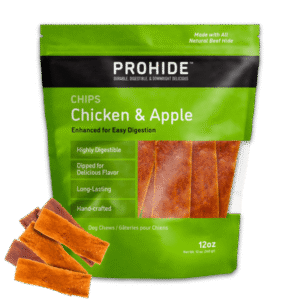
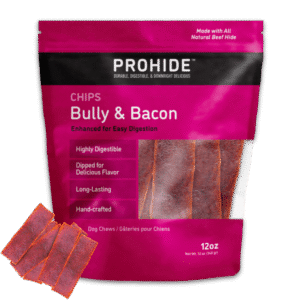
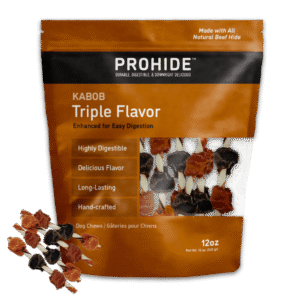
- Highly digestible animal-source chews. This category has grown rapidly. Products like ProHide are designed specifically to deliver the satisfying chew experience dogs want with the digestibility veterinarians want. ProHide is engineered to break down predictably in the digestive tract, eliminating the blockage risk that defines traditional rawhide. Learn more in our ProHide Chew Center.
- Bully sticks. Single-ingredient beef pizzle chews. Naturally digestible. Sourcing matters; look for US-sourced or Brazilian-sourced from transparent suppliers.
- Himalayan yak chews. Hard cheese made from yak milk. Long-lasting, generally safe, but can be too hard for dogs with dental issues.
- Beef cheek rolls. Often marketed as a rawhide alternative. More digestible than traditional rawhide but still requires supervision.
- Stuffable rubber toys (KONG). Not a chew you eat, but a chew object. Excellent for heavy chewers.
- Tendons and trachea. High in collagen, fully digestible, smaller and shorter chew sessions.
For a deeper dive into how to evaluate any chew product, see our guide on how to choose safe chews for dogs.
How to Choose a Chew That Actually Digests
If you take one thing from this guide, let it be this: digestibility is the single best predictor of chew safety. A chew that breaks down in your dog’s stomach is a chew that won’t cause an obstruction, won’t sit fermenting, and won’t surprise you with a midnight emergency vet visit.
Digestibility comes down to a few factors: protein source, processing method, ingredient simplicity, and quality control. Our companion article on what makes a dog chew highly digestible breaks this down with the science.
Frequently Asked Questions
Most veterinarians do not actively recommend rawhide. Some accept it for adult dogs of appropriate size with strict supervision, but the broad veterinary trend has shifted toward digestible alternatives. If your vet has specifically endorsed rawhide for your dog, follow their guidance. Otherwise, the risk-to-benefit ratio favors alternatives.
The four documented risks are choking and intestinal blockage (the most common rawhide emergency), bacterial contamination from animal-product handling, chemical processing residues from bleaches and preservatives, and digestive upset including soft stools and food sensitivity reactions. Each risk is preventable with a safer chew choice.
Not reliably. Rawhide is largely indigestible compared to natural animal proteins. Some dogs pass small pieces without issue. Others experience partial breakdown that can sit in the stomach for days, causing irritation. Some dogs swallow chunks that do not break down at all, leading to obstruction.
There is no single answer because the safest chew depends on your dog’s size, chewing style, dental health, and dietary sensitivities. In general, vets prefer chews that are highly digestible, sourced transparently, and sized appropriately. See our framework on how to choose safe chews for dogs for a step-by-step approach.
The best alternative depends on the dog. Highly digestible animal-source chews like ProHide are engineered specifically to deliver the long chew session dogs love without the rawhide risk profile. Bully sticks, beef cheek rolls, Himalayan yak chews, and stuffable rubber toys (KONG) all also rank well as natural alternatives to rawhide for dogs.
Most veterinarians advise against rawhide for puppies. Puppies have smaller airways, less developed digestive systems, and less self-control than adult dogs, which compounds the choking and blockage risks. Soft, single-ingredient chews are usually a better fit for teething and chewing needs.