Smalls Cat Food Review: Is Fresh Cat Food Worth It For Your Cat?
Published on March 23, 2026
If you’ve ever looked at your cat’s food bowl and wondered, “Is this really the best option?” you’re not alone. More cat caregivers are beginning to question traditional kibble and canned diets, especially as we learn more about the crucial roles of moisture, protein quality, and ingredient transparency in feline health.
That’s where fresh cat food comes into play. Brands like Smalls are gaining popularity for providing meals that resemble real food more than something poured from a bag.
Smalls is a subscription-based cat food company that delivers fresh, gently cooked meals right to your door. But is it better for your cat? And just as important, will your cat eat it? Let’s take a closer look.
All featured products are chosen at the discretion of the Vetstreet editorial team and do not reflect a direct endorsement by the author. However, Vetstreet may make a small affiliate commission if you click through and make a purchase.
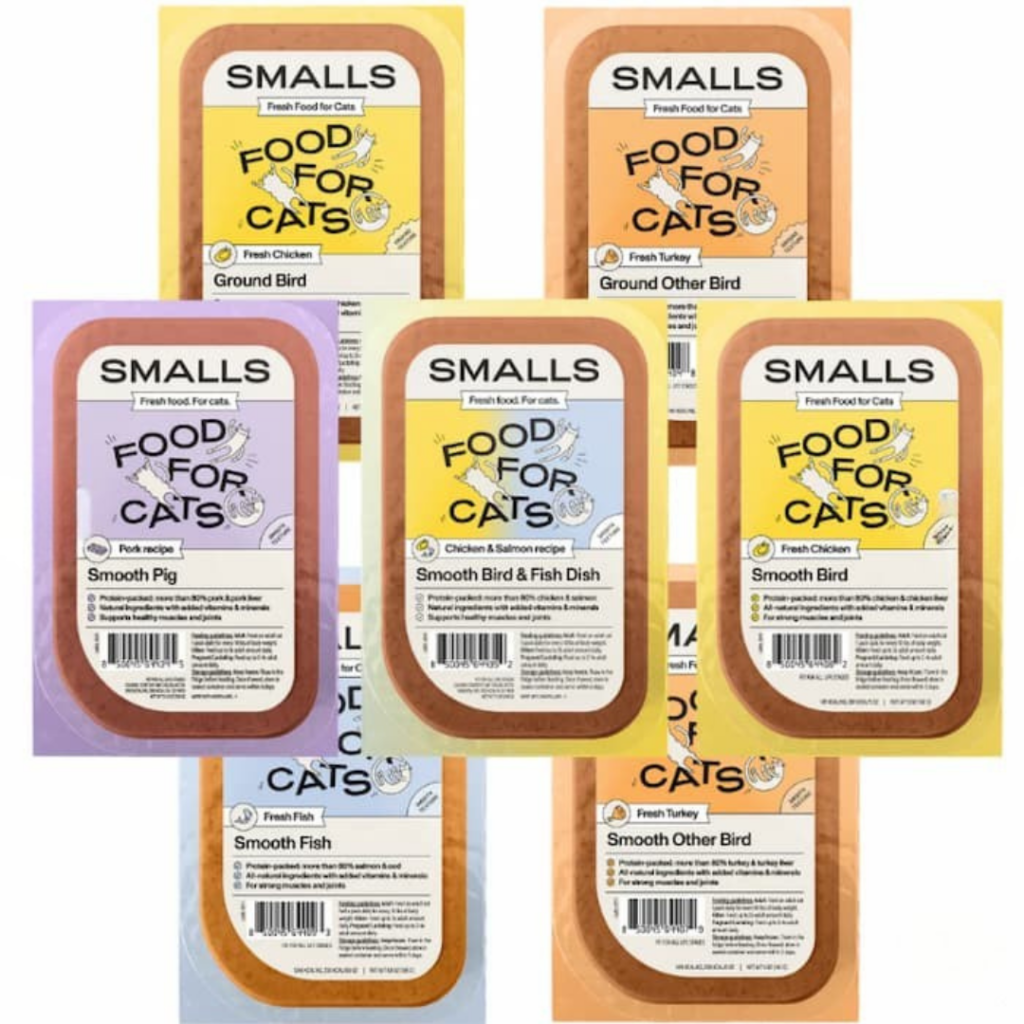
Smalls Cat Food Review Product Overview
Smalls is specifically made for domestic cats, focusing on high-protein, moisture-rich meals that meet a cat’s natural needs.
Here’s what they offer:
- Fresh, gently cooked food (kept refrigerated)
- Freeze-dried raw options
- Treats and toppers
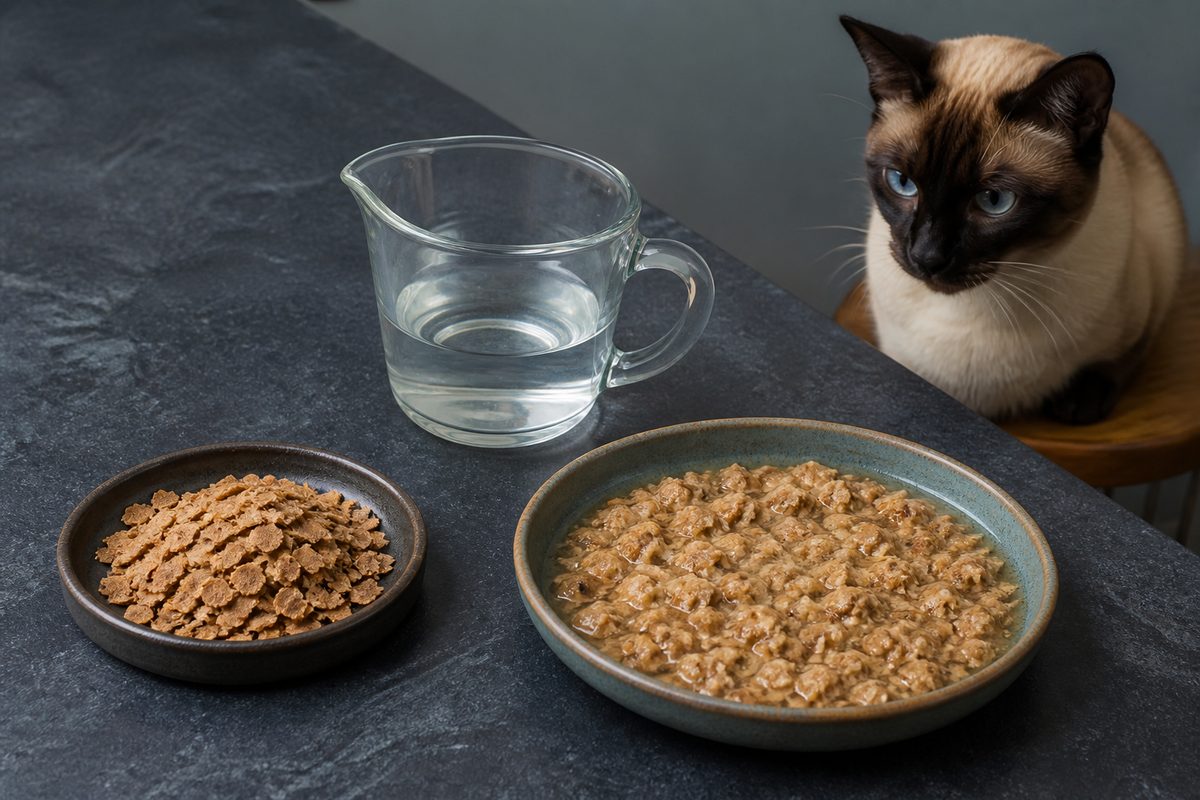
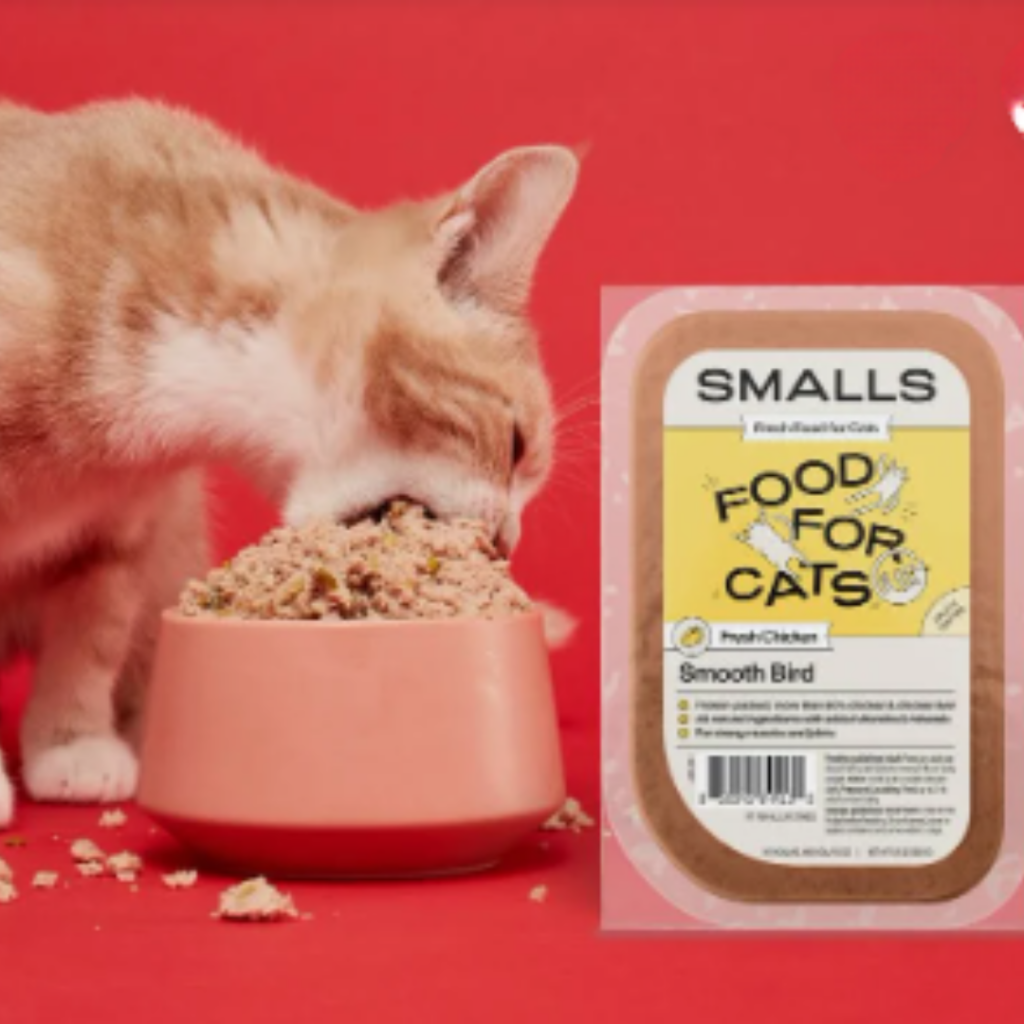
The user experience starts with a quick quiz about your cat’s age, weight, activity level, and preferences. From there, Smalls creates a personalized plan and ships meals in insulated packaging to keep everything fresh.
What immediately stands out is the simplicity. The food is minimally processed, produced in USDA-certified kitchens, and designed to be as close to real food as possible.
Smalls also highlights potential benefits such as better digestion, healthier coats, and increased energy, but these claims only matter if they are observed in daily life.
Ingredients & Nutrition
This is where Smalls truly stands out from many traditional choices.
Each recipe starts with real meat like chicken, turkey, or beef as the main ingredient. There are no fillers, no by-products, and no artificial preservatives.
From a veterinary perspective, a few things are important here:
- Cats are obligate carnivores, which means they need high amounts of animal protein.
- They gain advantages from moisture-rich diets, particularly for urinary and kidney health.
- Transparency about ingredients builds trust in what you feed.
Smalls meets all these standards. Their recipes are also AAFCO-complete and balanced for all life stages, which is crucial when evaluating any fresh food choice.
They also provide optional toppers and broths, which can help picky eaters or cats who need some extra encouragement to stay hydrated.
Feeding Experience & Transition Tips
Switching to fresh food is a change, not only for your cat but also for you.
Delivery & Storage
Meals arrive frozen in portioned packs. You’ll store them in the freezer and thaw them in the refrigerator as needed.
Daily Routine
This isn’t a scoop-and-serve situation like kibble. It does require a little planning, but most cat caregivers find the routine easy once they get into it.
Transition Tips
If your cat has been eating kibble or canned food, go slow:
- Begin by mixing a small amount of Smalls into their existing food.
- Gradually increase over 7 to 10 days
- Monitor for changes in stool, appetite, and interest.
Will your cat eat it?
This is the big question, and honestly, it depends on your cat.
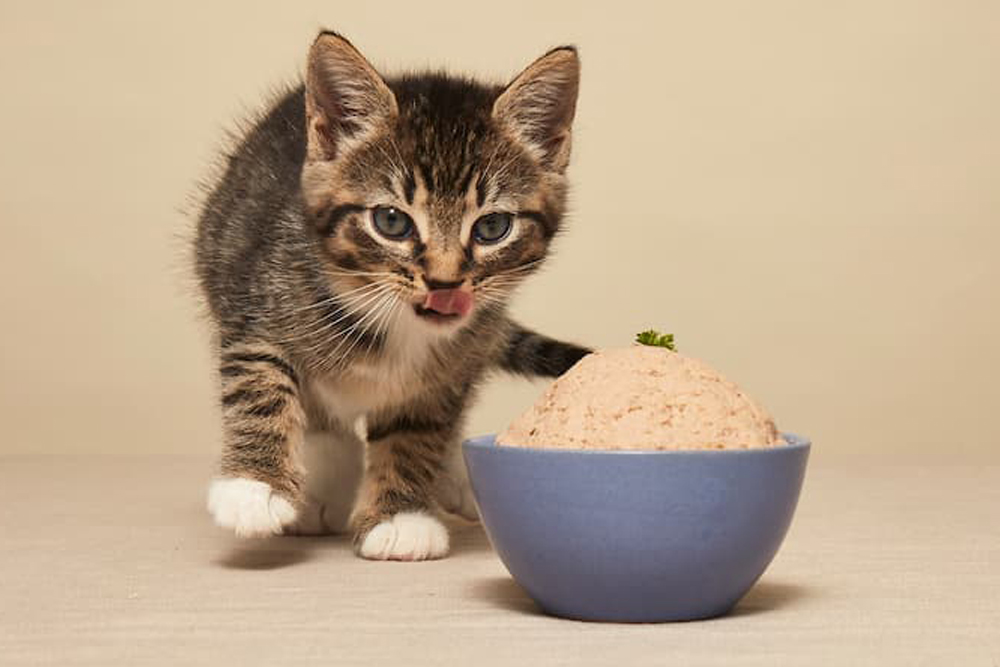
Many cats are instantly attracted to the smell and texture because it resembles real meat. Others may need time to get used to it, especially if they’re accustomed to dry food.
What you might notice:
- Smaller, more regular stools
- Less litter box odor
- Softer coat
- Slight increase in energy or engagement
Pros & Cons
What Cat Parents May Love
- Real, premium ingredients you can actually see
- Moisture-rich meals that promote hydration
- Personalized portions tailored to your cat’s needs
- Convenient home delivery
- Options for fresh and freeze-dried foods
Things to Consider
- Higher cost than kibble or canned food
- Needs freezer space and daily thawing
- Some cats require time to adjust
- The subscription model might not suit every household.
Real-World Experience
From a practical standpoint, Smalls makes a strong first impression. The packaging is clean and organized, and the instructions are easy to follow.
Portioning is simple, which removes the guesswork from feeding. And once you establish a routine, it feels doable, even with busy schedules.
When it comes to the cats themselves, responses vary, but many show clear interest right away. Texture preferences may differ, so trying a few recipes can be helpful.
Over the first few weeks, many cat parents report positive changes, especially in digestion and coat quality. These aren’t sudden overnight transformations, but they’re meaningful improvements over time.
The biggest question is value. Smalls is a premium product, and it’s priced that way. But for cat parents focused on nutrition and long-term health, it often feels like a worthwhile investment.
Final Verdict: Is Smalls Cat Food Worth It?
For this Smalls Cat Food Review, I’ve concluded that Smalls provides a thoughtful, high-quality method for feeding cats, one that closely aligns with our understanding of feline nutrition.
It’s perfect for cat parents who want:
- Real, minimally processed ingredients
- Better hydration through food
- A more personalized feeding plan
It might not be the top option if you’re after something affordable or entirely hands-off.
But if you’re prepared to go beyond traditional choices and focus on nutrition in a more deliberate way, Smalls is definitely worth considering.
Feature Image by Jill Schafer from Pixabay