Balanced Diet for Dogs: What It Really Means
by Sian Burwood
Published on March 17, 2026

Every pet parent wants to know they are feeding the best food they can, but there are so many ways to feed, and everyone has an opinion as to what is best. The word balanced is often used in pet food marketing, but did you know this actually has a specific nutritional meaning that has nothing to do with the latest trends? There are many options that can provide a balanced diet for dogs as long as they are properly formulated.
What “Complete and Balanced” Means in Dog Nutrition
The Association of American Feed Control Officials (AAFCO) states: “Complete” means the product contains all the nutrients required. Balanced” means the nutrients are present in the correct ratios.”
This means all the nutrients required for health at four different life stages
- Pregnancy and nursing – high-energy food for the dam when she is pregnant or feeding her pups with her milk. These foods may also be used for weaning puppies.
- Puppies – higher energy food for puppies who are actively growing
- Maintenance – food for fully grown dogs to maintain a healthy adult weight
- All life stages – food that would not be harmful to a dog at any age
To use a ‘complete and balanced’ label on packaging, the diet must either have passed a feeding trial using AAFCO procedures or meet established nutrient profiles in its formulation (although the food may not have been tested). The presence of the nutrients does not indicate the quality of the ingredients used in the diet.
The Core Nutrients Dogs Need
Diets should all contain a range of nutrients; the key is that none is better than another, as all are essential in the right proportions, and that the body can extract the nutrients from the food (digestibility).
- Protein is needed for growth, to repair daily wear and tear on muscles, and to ensure a healthy immune system
- Fat is used for energy, to help absorb other nutrients, and to keep skin and coat in good condition
- Carbohydrates are essential for providing energy, and the fiber helps regulate digestion
- Water is essential in all diets, supplied through fat and moisture, and provided additionally
Micronutrients: Why Vitamins and Minerals Matter
Micronutrients are the things your dog needs in small amounts but are still essential for health and may need to be included in the diet, as the body cannot make them on its own. Many of these nutrients can be accidentally missed in home-cooked diets or accidentally overdosed on with supplements.
- Calcium and phosphorus are needed in an exact balance for healthy bones and teeth
- Vitamins have many complex roles in the body, especially A, D, E, and B vitamins
- Trace minerals such as zinc, copper, and iodine
The balance here is key, rather than just seeing the name on a food label. For example, many owners feel giving extra calcium must be good for their dogs’ bones, but this can actually lead to calcium poisoning, leading to digestive issues and even kidney failure.
How Digestibility Affects Nutritional Balance
A food might contain everything right on paper, and when tested in a lab, but if a dog is unable to digest and absorb it, you can still end up feeding an unbalanced diet.
‘Digestibility’ refers to how much nutrition a dog is actually able to access, and is affected by many things, including how the diet was made, its texture, and moisture. Digestibility is also unique to each dog and can be affected by different diseases.
Does Food Format Affect Balance? Kibble vs. Wet vs. Gently Cooked
How a food is served can affect balance depending on how it is made, stored, and eaten.
- Kibble diets maintain their nutrient balance for longer, which is beneficial for storage in stores and at home. It is ‘extruded’ to make it into a biscuit, which means a lower moisture content, which can affect palatability for some dogs. There are many AAFCO-complete kibble diets, including veterinary brands designed for the treatment of specific medical conditions.
- Wet foods in cans have many of the same features as kibble, but contain higher moisture levels
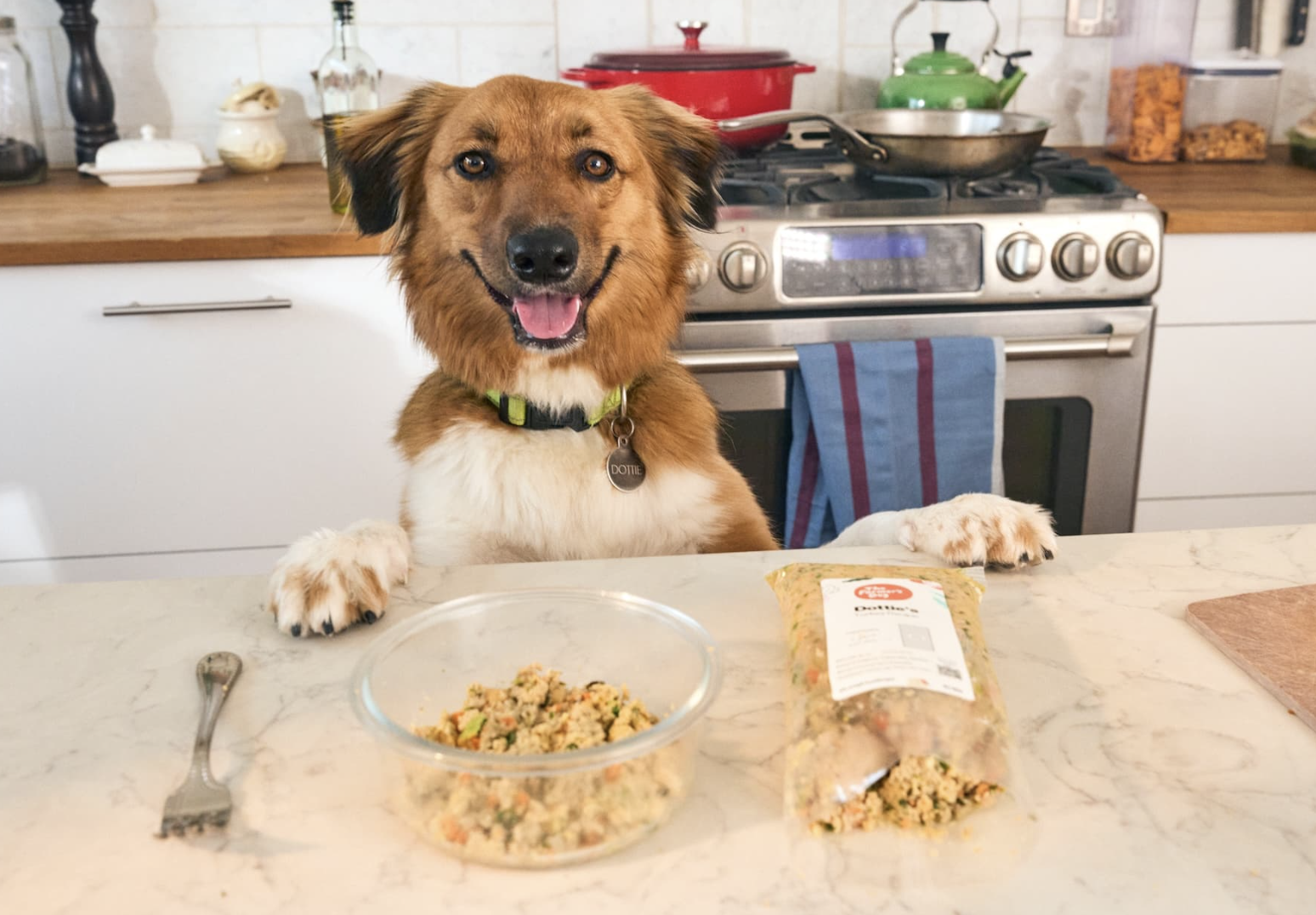
- Gently cooked diets, such as AAFCO-complete The Farmers Dog, have shorter shelf lives due to their fresher ingredients and remain balanced only if storage requirements are met in store and at home. They can be more palatable to some dogs because they have higher moisture levels, a softer texture, and visible ingredients (though this can unbalance the food if the dog picks out these bits!).
The key point is that a good diet will be correctly formulated and AAFCO-compliant.
Common Misconceptions About a Balanced Diet for Dogs
There’s a lot of noise out there about what a balanced diet really means for dogs. Here are a few myths that need busting:
More protein is always better
Dogs are not carnivores like cats! They are ‘facultative carnivores’, which means that while they need animal proteins, they can also thrive on plant-based foods. Overly high protein levels are associated with growth issues in puppies and kidney and liver problems in older dogs.
Grain-free equals balanced
Carbs have been given a bad rep, but they are actually essential for providing the fiber needed for digestion. Grain-free diets are increasingly associated with some heart diseases in large-breed dogs.
Fresh food automatically means complete nutrition
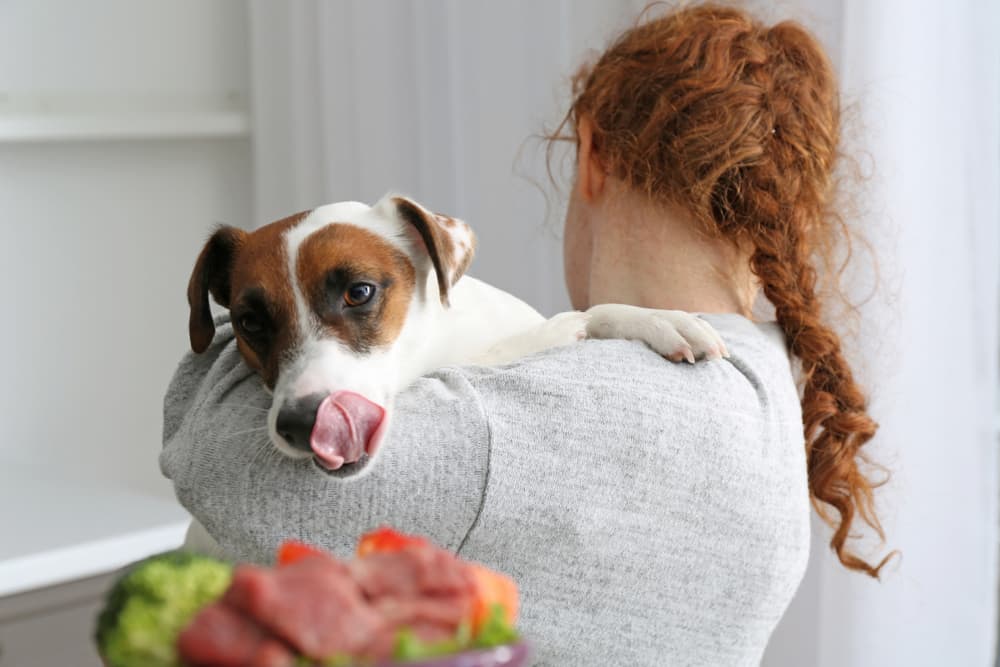
Fresh products are not complete if they are not properly formulated and AAFCO-compliant. Some are too high in protein and calcium, deficient in fiber, and raw diets carry significant health risks from the bacteria present in them. Look for an AAFCO-compliant brand like The Farmer’s Dog.
Homemade diets are balanced without formulation
See above about fresh diets – the same problems exist!
It’s vital to talk to your vet about your dog’s diet to make sure they are getting the right one for their needs.
When a Dog’s Diet May Be Unbalanced
Feeding an unbalanced diet may happen easily and unintentionally if:
- You’ve been feeding the same home-cooked diet for a long time (such as that fussy little dog who only wants to eat chicken!)
- You feed lots of treats or toppers, so the overall balance of the regular diet is affected
- You feed an adult diet to a puppy (or vice versa)
Signs of dietary imbalance may include weight changes (up or down), a dull coat that sheds easily, low energy levels, and tummy issues such as ongoing vomiting, diarrhea, or constipation.
How to Choose a Balanced Diet for Your Dog
Whilst it can be confusing, you can make sure you choose a balanced diet by:
- Making sure the AAFCO ‘complete and balanced’ label is there, and checking the list on their website
- Making sure you consider your dog’s age, activity levels, specific health needs, and preference for wet or dry food
- Making sure you consult your vet for the food needs of both healthy AND sick pets.
While dog nutritionists exist, they are not regulated in the same way as vets, so make sure your vet is the first point of call.
FAQs
Q: What is a balanced diet for dogs?
A balanced diet is one that provides all essential nutrients in one food, in proportions that are right for a dog’s life stage. AAFCO has standards for what this means for each life stage
Q: Does fresh dog food count as a balanced diet?
It can if it is formulated to meet AAFCO nutrient profiles, but home-cooked or raw meat diets do not.
Q: Is kibble a balanced diet for dogs?
Many kibble diets are balanced if they meet AAFCO nutrient profiles. Some kibbles are ‘mixers’ and are not meant to be fed on their own.
Q: Can treats unbalance my dog’s diet?
Yes, if they are fed in excessive quantities. Treats should make up less than 10% of a diet and be taken into account when planning a diet.
Q: How do I know if my dog’s diet is balanced?
Make sure your diet has an AAFCO ‘complete and balanced’ statement and work together with your vet to ensure your dog is healthy on the diet you choose.
Final Thoughts on Dog Nutrition Balance
You are what you eat! Feeding your dog a truly nutritionally balanced diet that consistently meets their needs is easy to achieve by looking for properly formulated, accredited foods. Many feeding formats meet these requirements, so if you have concerns, speak to your vet about whether a switch would work for your dog.