What To Feed Puppies: How Texture and Digestibility Affect Growth
by Sian Burwood
Published on March 17, 2026

Nothing is more exciting than bringing a new pooch home, but you may find yourself a bit overwhelmed when considering what to feed puppies. Puppies are not small adults and have their own very specific needs in terms of nutrient ratios for healthy growth and how easily their developing tummies can digest food, as well as their preferences for moisture and a soft texture as they move on from their mother’s milk. With careful consideration, you can find the healthy route that works for you.
Here’s what you need to know about how texture and digestibility affect growth with puppy nutrition.
All featured products are chosen at the discretion of the Vetstreet editorial team and do not reflect a direct endorsement by the author. However, Vetstreet may make a small affiliate commission if you click through and make a purchase.
Why Puppies Have Different Nutritional Needs Than Adult Dogs
Puppies are constantly growing at a much faster rate than adults, meaning they have higher needs for calories, protein, and micronutrients. Being so much smaller, a puppy needs these nutrients in a denser form than adult food can provide, so meals need to be smaller and more frequent.
The diet must be easy to digest, and the levels of calcium, phosphorus, and DHA must be carefully balanced to ensure the growing bones are strong rather than spongy. When looking at labels, AAFCO ‘growth’ or ‘all life stages’ diets are needed – adult-only diets are NOT suitable for puppies.
Texture Matters: How Puppies Experience Food
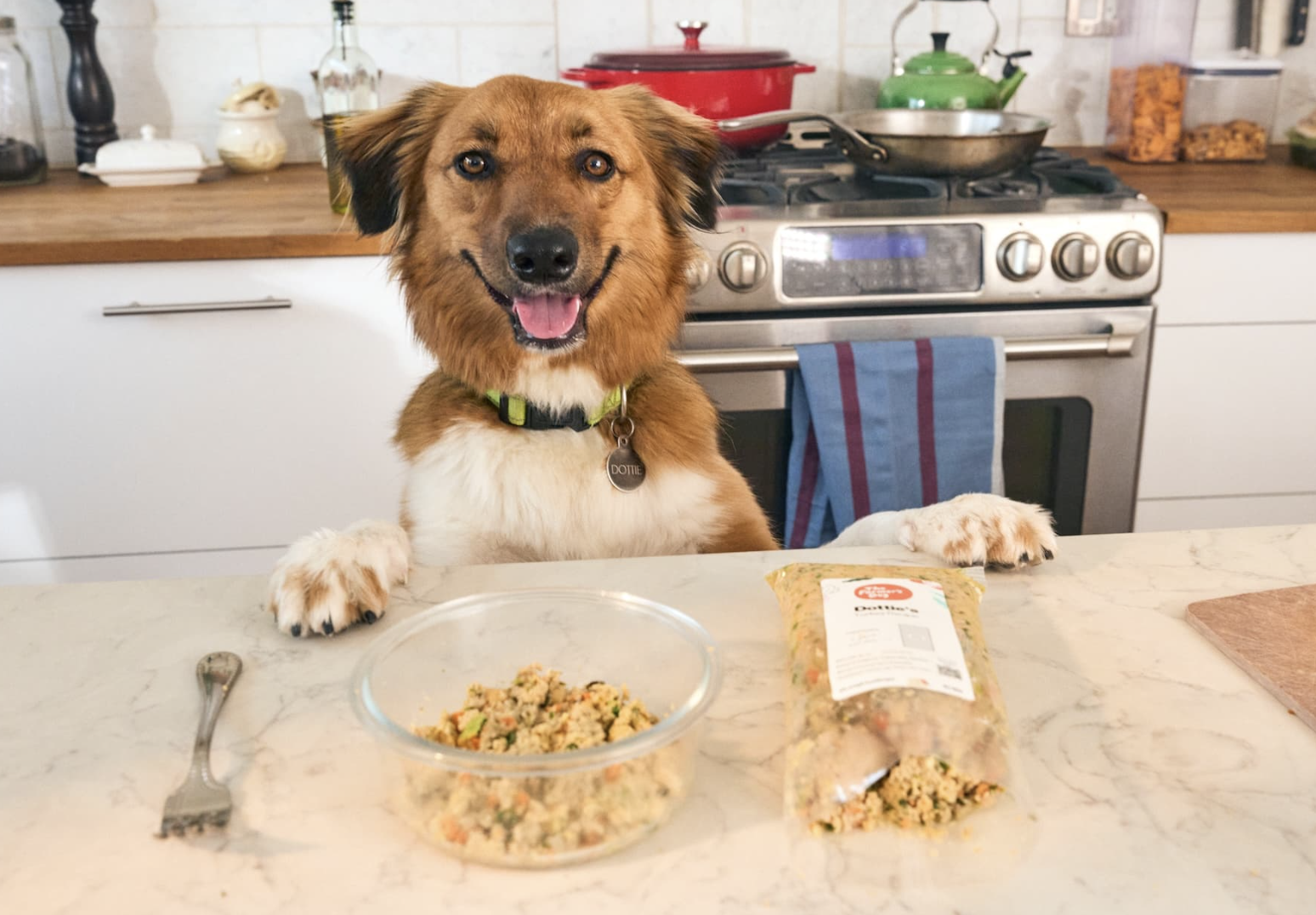
Puppies are very new to the world and only know what they have already experienced, so with food, this means milk from mom. Soaked kibble, wet food, or gently cooked diets (like The Farmer’s Dog) are much softer and moister, which often helps the transition to solids, and the stronger smells associated with these diets help too. The softer texture can also help with teething and small, developing jaws.
Digestibility: Why Puppies Benefit From Easily Absorbed Nutrition
Digestibility means how well a puppy can absorb nutrients from the food into the body so that they can be used for growth. A more digestible food means more nutrition from each bite, something critical for rapid puppy growth.
A puppy’s digestive system is still developing in the same way as the rest of their body, so overly complex or fatty diets may be more difficult for them to absorb. Moisture-rich foods with a simple (but complete) recipe may be easier to digest in some puppies.
Fresh/Gently Cooked Puppy Diets vs. Kibble: Understanding the Differences
Any formulation of food can be a balanced diet for puppies if it meets AAFCO growth stage standards – the rest is down to the preference of you and your puppy.
Kibble lasts better when left out for puppies to graze on. Some puppies have no issues with chewing it, others find it boring, and digestibility can vary with brand.
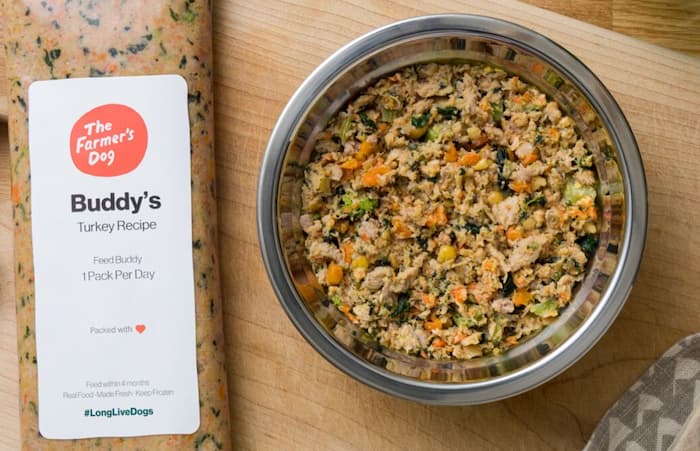
Fresh, gently cooked diets can be more palatable for puppies as they have a naturally stronger aroma, visible ingredients, and higher moisture levels, but they go off more quickly when left out and require more careful storage.
The Role of Moisture in Puppy Digestion and Growth
Having very recently been on a liquid-only diet, newly weaned puppies often benefit from a moist diet, as it ensures good hydration and helps prevent constipation as they move onto solids. Moist diets are naturally more appealing, which helps support consistent calorie intake and growth. Moisture can be provided by soaking kibble or by feeding wet or gently cooked diets, such as The Farmer’s Dog.
Common Digestive Issues in Puppies (and When Food Plays a Role)
Constipation, diarrhea, and gas are all issues commonly seen in puppies by vets and can often be related to changes in diet, when the developing intestines and microbiome have not yet caught up. For this reason, any food changes should be made gradually and slowed down further if any upset is seen.
Treats or table scraps are best avoided for exactly this reason. As long as the puppy is bright and active, you can usually wait for them to get used to the food, but any concerns about growth rates, energy levels, or odd-looking or bloody poos should be seen by a vet straight away.
How to Choose the Right Puppy Food
To choose the right food for your puppy, make sure you are picking one that is ‘complete and balanced’ for growth or ‘all life stages’ as determined by AAFCO labelling guidelines. These foods will meet the puppy’s need for high protein and high digestibility.
The preference between kibble and gently cooked formulations is up to you and your puppy, as both can be balanced diets as long as the AAFCO guidelines are met.
Feeding Schedules, Portrayal Sizes & Safe Transitions
Puppies need to eat little and often; taking them from ad lib feeding when they are first weaned to around 3 to 4 meals a day when they go to their new families at 8 to 10 weeks. Good-quality diets will have feeding guidelines on the packet; use these to work out the total daily ration and split it into the number of meals the puppy needs at the moment.
Make sure puppy doesn’t eat too quickly, and always be guided by their appetite levels as well as feeding guides. Any transition of foods should be made over 5 to 10 days.
FAQs
Puppies need a diet tailored to their growth needs, with high-quality, easily digestible protein and balanced minerals. High moisture levels and softer textures can encourage appetite, ensuring consistent calorie intake and healthy growth.
It can be as long as it is an AAFCO ‘complete and balanced’ diet. Some puppies like gently cooked brands such as The Farmer’s Dog because they are soft and smell good.
Yes, AAFCO-labelled kibble designed for growth is a healthy diet for puppies, and by the time they come home at 8 weeks, their teeth are developed enough to cope with a hard biscuit. Soaking kibble in warm water can also make it a high-moisture diet or help them transition between textures.
Feeding schedules for puppies include 3 to 4 meals a day until they are 8 to 10 weeks old, when they typically go to their new homes. Over time, this usually drops to 2 to 3 meals a day.
This depends on the puppy. Some like soft, moist foods, especially during weaning or teething, and gently cooked diets can provide this. Most puppies do very well with kibble once they are fully weaned.
Final Thoughts on What to Feed Puppies
Puppies can thrive on many different diets as long as they are complete and balanced for growth (as per AAFCO guidelines). Being aware of their needs for higher protein and digestibility, as well as their preference for higher moisture and softer textures, can help you decide whether kibble (soaked or not) or a gently cooked diet like The Farmer’s Dog is right for you. Remember, your vet is your first port of call for questions or concerns about diet in healthy or sick puppies.