Why Some Dogs Have Chronic Soft Stools (and When Diet Plays a Role)
Published on March 17, 2026
All dog owners will assess the consistency of their dogs’ stools daily while picking them up. If you have a dog with soft stools regularly, it can make you question what is affecting your dog’s stool quality.
There are many causes of soft stool, including diet, stress, and medical conditions like inflammatory bowel disease. Whilst the list of causes of soft stool is long, the good news is that dogs with soft stools have a good chance of being managed by a few tweaks in diet alone.
Before making any changes, you need to start looking for patterns, such as what time your dog’s soft stools occur – is it after eating a certain food type (or treat!)? This can help narrow down the trigger for your dog’s soft stools.
All featured products are chosen at the discretion of the Vetstreet editorial team and do not reflect a direct endorsement by the author. However, Vetstreet may make a small affiliate commission if you click through and make a purchase.
Soft Stool vs. Diarrhea: What’s the Difference?
A dog’s stool consistency can range from very firm to watery, loose diarrhea. So when do we need to worry? Have a look at the Bristol Stool Chart to see where your dog’s stool consistency lies. Soft stools hold shape when passed (grade 5 on the Bristol Stool Chart), whereas diarrhea is watery or non-formed (grade 6 or 7 on the Bristol Stool Chart).
Chronic soft stool is not an emergency, but it is a sign that something isn’t right, and you should look into the issue further.
If your dog is having liquidy, watery diarrhea frequently (every few hours) and is accompanied by other signs such as blood in the stool, vomiting, or lethargy, your dog needs veterinary care.
Common Dietary Reasons for a Dog With Soft Stools
Diet and dog stool go hand in hand. What we feed affects stool consistency.
Diet Change
When we change a dog’s diet too quickly, the digestive tract cannot adapt fast enough and struggles to process it, leading to soft stools.
Dietary Composition
The nutrients in the diet affect stool quality; e.g., diets higher in fat cause looser stools, and fiber imbalances can also affect stool quality. Digestibility is important too – raw foods are harder to digest than cooked foods, which have more readily available nutrients.
Allergies and Intolerances
Common food allergies in dogs include beef and chicken. If your dog has never had issues, and you change the diet, check the ingredient list for new proteins.
Treats and Tidbits
We are all guilty of sharing leftovers with our dogs, but even this can lead to changes in stool softness. Try to avoid feeding extras- we know it’s hard!
How Processing and Digestibility Affect Stool Quality
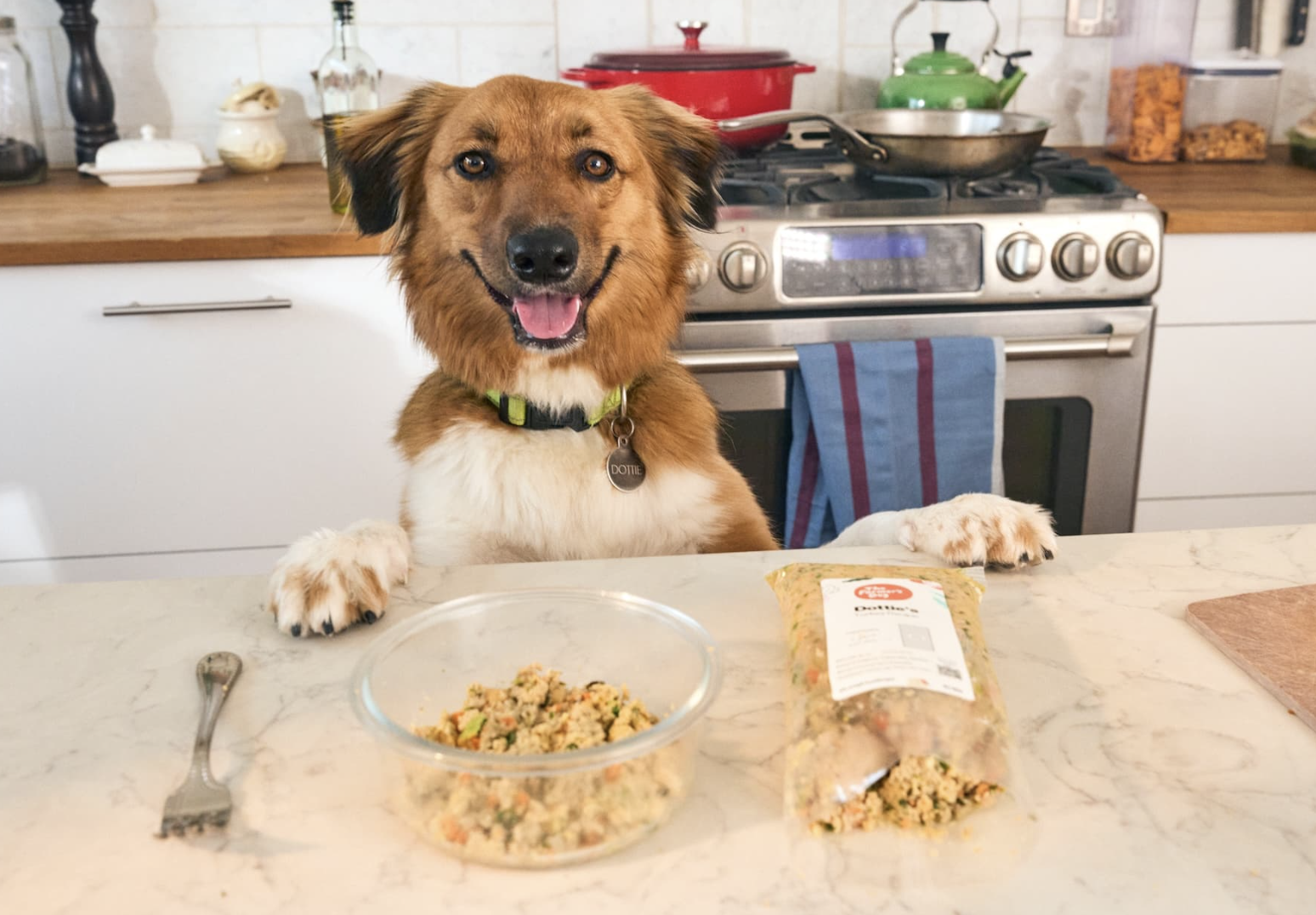
Digestibility – the ease with which a dog breaks down a diet – affects stool softness. While raw foods are less digestible than cooked foods, highly processed foods like kibble are drier, which can also reduce digestibility for some dogs. Other diets, such as wet or gently cooked dog food (such as The Farmer’s Dog), have higher water content, which we know supports digestive health.
Non-Dietary Causes of Chronic Soft Stools
While many cases of chronic soft stools can be managed with dietary adjustment, there are some medical reasons that dogs develop soft or liquid stools, including:
- Parasites such as worms or Giardia
- Pancreatic insufficiency (EPI) – a condition whereby the pancreas does not release enough digestive enzymes to break down the food adequately
- Food intolerances or allergies. Some dogs are sensitive to certain proteins, such as beef, which trigger an inflammatory response in the gastrointestinal tract, leading to diarrhea and pain.
- Stress, anxiety, and environmental changes.
- Inflammatory conditions such as chronic enteropathy or irritable bowel disease – many of these conditions, after diagnosis, can respond well to dietary management alone.
If your dog has not responded to your first-line management of diet change, or the stools are getting looser or are associated with any other signs such as vomiting, lethargy, or blood, a vet appointment is the way forward.
How to Evaluate Your Dog’s Stool at Home
When trying to get to the bottom (pun intended!) of your dog’s soft stool problem, you need to start looking more closely at your dog’s stool and their behavior when defecating. What is the colour and consistency? How often do they defecate, and is there a sense of urgency to defecate suddenly?
Keep a diet diary noting table scraps, treats, and when you feed your dog – this will help identify if there are dietary triggers to the stool softness.
It sounds gross, but if you are going to the vet, some photos of your dog’s stools can be helpful. Taking a sample and photos over several different days can be very helpful for your vet to have first-hand information to consider when diagnosing the cause of your dog’s soft stool.
Safe Ways to Adjust Diet for Stool Improvement
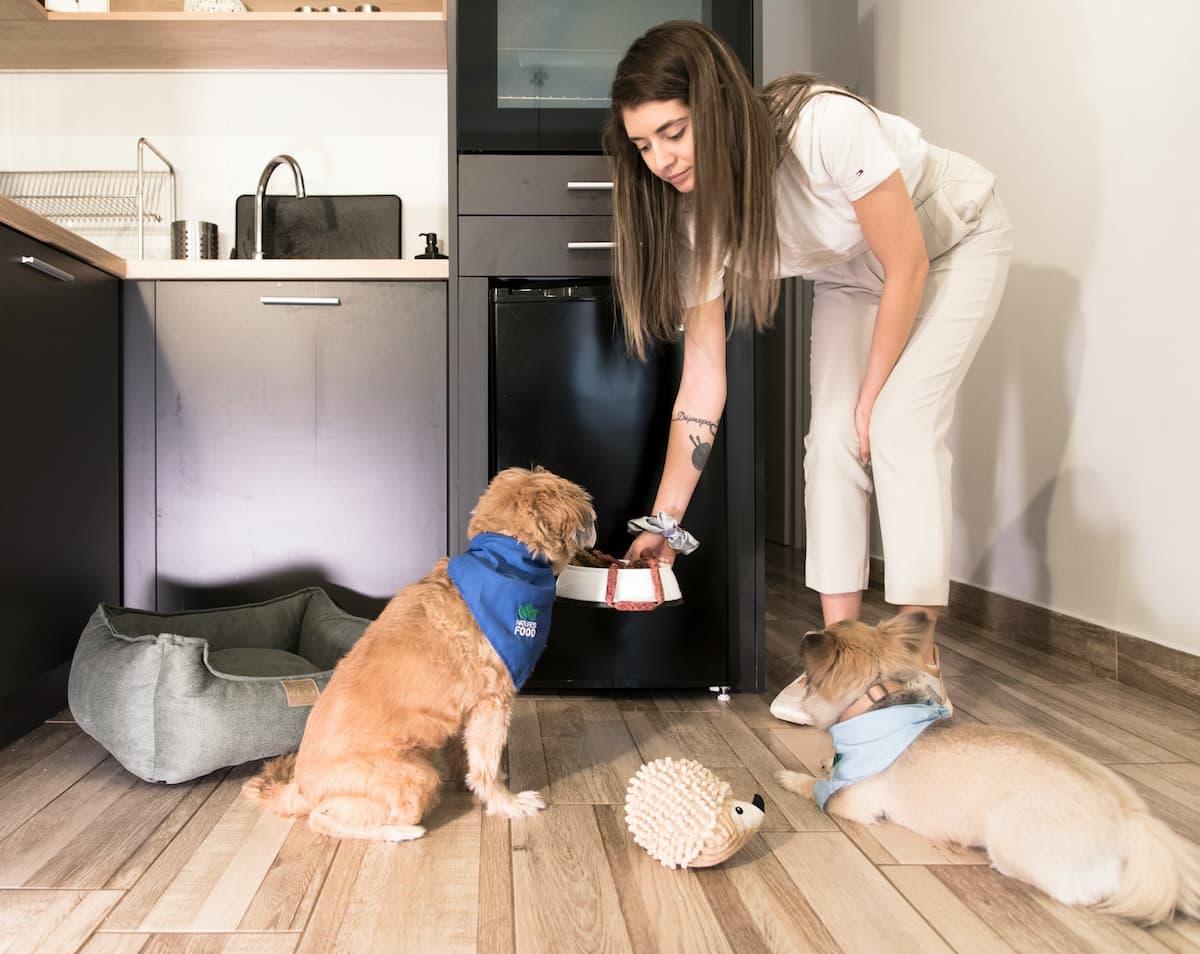
It’s very easy to change your dog’s diet safely at home. The key is to do the transition slowly over a two-week period. Start by replacing 10% of your dog’s diet with the new diet – in other words, take out a small amount of the old diet in their next bowl, and add in a small amount of the new one.
Repeat this for a couple of days. Then, if your dog isn’t unwell, increase the percentage of the new diet to about 20%. Slowly increase the percentage of the new diet until you reach 100% by the end of the two weeks. There’s nothing wrong with it taking longer, either – especially if you have a bag of food left to finish! Always try a brand for at least 4-6 weeks before switching again, as frequent diet changes can upset your dog’s microbiome and worsen stool consistency.
Diets that promote stool consistency have balanced fiber, high or easy digestibility, and consistent formulations (so look for a commercial brand rather than home-cooked or raw).
If your dog suffers from constipation, which is common in senior dogs, a moisture-rich diet such as The Farmer’s Dog may help produce stools that are easier to pass, as they contain more moisture. This can alleviate the pain and discomfort of passing hard and firm stools.
If your dog has a food allergy or intolerance, you will need to feed a limited-ingredient or hypoallergenic diet. It’s important to follow your veterinarian’s advice and brand recommendations to fully treat your dog’s condition. Dogs with food allergies can see complete resolution of signs within 6 to 8 weeks on the right diet.
When to Call the Vet About Chronic Soft Stool
Any very young dog, senior dog, or dog with other health concerns should go to the vet after a week of soft stools. These dogs have lower immunity and are more at risk of illness. Your vet will give your dog a check-up and potentially do some stool testing to rule out parasites or infections as the cause of your dog’s soft stools.
If your dog doesn’t normally have soft stools and then has runny, watery, or liquid diarrhea, you should visit the vet after 3 days of consistent signs, or within 24 hours if there is concurrent vomiting and loss of appetite.
If your dog always has soft stools but has recently had other changes, such as losing weight, white mucus (white slime on the stool), blood in the stool, or stool colour changes (black in particular), then you need to visit the vet.
FAQs
Soft stools are common in dogs and are linked to diet, stress, and medical conditions. Slightly soft stools are often not a cause for serious concern, but if it’s an ongoing issue, a veterinarian should be contacted for advice.
Absolutely, a diet that doesn’t suit your dog can lead to chronic soft stool. High fat, low fiber, and ingredient sensitivities are just a few things that can affect your dog’s stools. Moisture-rich, gently cooked diets may help some dogs, but results vary by individual.
A soft stool is formed, but soft diarrhea lacks shape and is liquid in consistency. Chronic soft stools are less urgent but still need investigation or diet changes to manage.
Sometimes. Gently cooked, high-moisture foods, such as The Farmer’s Dog, can support easier digestion for some dogs. Your veterinarian is the best source of advice to find a diet that is suitable and safe for your dog.
Soft stools that last more than a week, or more than 2-3 days if accompanied by other signs such as lethargy, vomiting, or blood in the stool, require veterinary assistance for treatment. It’s likely that testing will be done to rule out medical conditions, then dietary changes will be suggested.
Final Thoughts
A dog with soft stools is most likely experiencing a diet-related issue, but there are also medical causes. If your dog is young or old, has a medical condition, or is acting unwell alongside soft stools, you should contact a veterinarian to rule out medical concerns before trying different diets.
Remember, each dog has unique dietary needs. Some will thrive on kibble, others will need gently cooked or wet food to suit their health needs. If you think their diet is causing a problem, you can try to change this at home – the key is not to change the diet rapidly, but slowly over a two-week period.
Many pet owners have successfully changed their dog’s diet to address soft stools, but if you are in any doubt, your veterinarian is your best friend when you’re considering a diet change, and can help you work out which diet has the most digestible, balanced formula for your dog’s needs.