Satiety in Dogs: How Food Volume and Moisture Affect Fullness
by Sian Burwood
Published on March 17, 2026
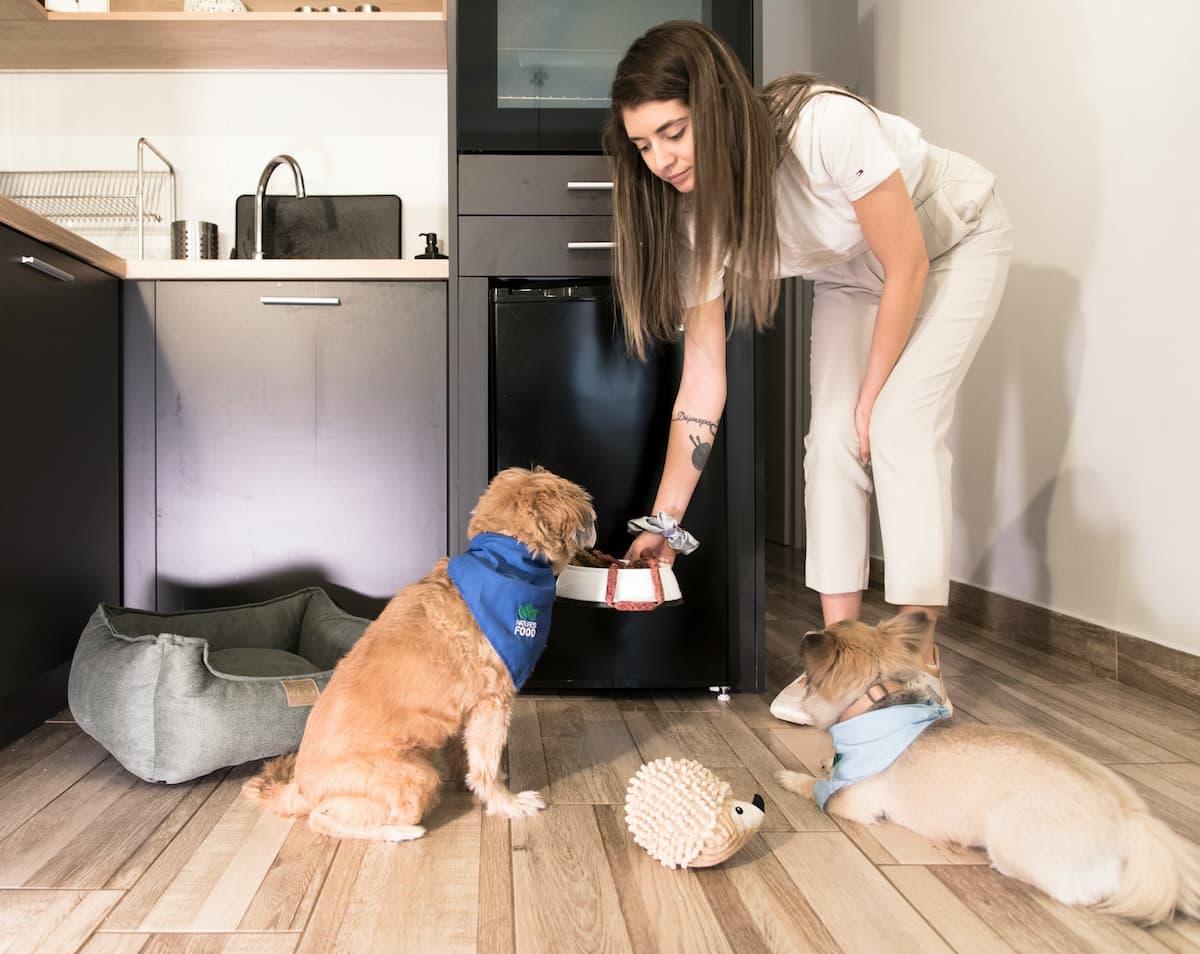
Do you have a dog who seems constantly hungry? Are you trying to feed a healthy amount, but they still need more, and so they are putting on weight? You may have heard about satiety in dogs, a term that refers to the feeling of fullness and satisfaction after eating, and this can vary widely between individual dogs.
It is related to biological processes and may be influenced by breed and personality, but it is also affected by the type of food itself, particularly the calorie, moisture, and fiber levels. Understanding this concept can help keep your dog feeling satisfied while maintaining a healthy weight.
All featured products are chosen at the discretion of the Vetstreet editorial team and do not reflect a direct endorsement by the author. However, Vetstreet may make a small affiliate commission if you click through and make a purchase.
What Satiety in Dogs Really Means
Satiety is the word used to describe the biological signal of “I feel full and will stop eating”. It therefore has many biological influences, such as stomach stretch, various hormones (especially leptin and ghrelin), and the amount of nutrients absorbed.
All dogs are individuals, just like us – some have naturally higher appetites than others. Genetics are known to be a factor in this, for example, Labrador Retrievers, a breed that is basically impossible to make feel full up! Satiety on its own does not lead to healthy calorie intake and weight loss, and feeling full is only one measure of feeding success.
How Food Volume Impacts Fullness
Bigger meals impact satiety because they physically stretch the stomach, triggering the release of hormones that signal to the brain that the stomach is full and reduce hunger. Foods with lower calorie density require greater volume to achieve the same energy intake, but the dog may not eat enough because the stomach is already full.
The calorie density of foods (whether kibble, wet food, or gently cooked) varies widely across brands, and those that require smaller-volume portions may leave dogs feeling not full. It is also important to consider gut transit time, as some foods pass more quickly through the stomach, so feelings of satiety come and go quickly, leaving the dog feeling hungry again quickly.
The Role of Moisture: Why High-Water Foods Often Increase Satiety
Increased water content in foods can increase a food’s bulk without increasing calories, and so can contribute to a dog feeling full due to a greater stomach volume. Some weight loss plans are based around moisture-rich meals, but make sure that any diet plan is discussed in detail with your vet first, as switching from dry to wet food rarely results in weight loss on its own.
H2: Digestibility and Its Link to Feeling Full
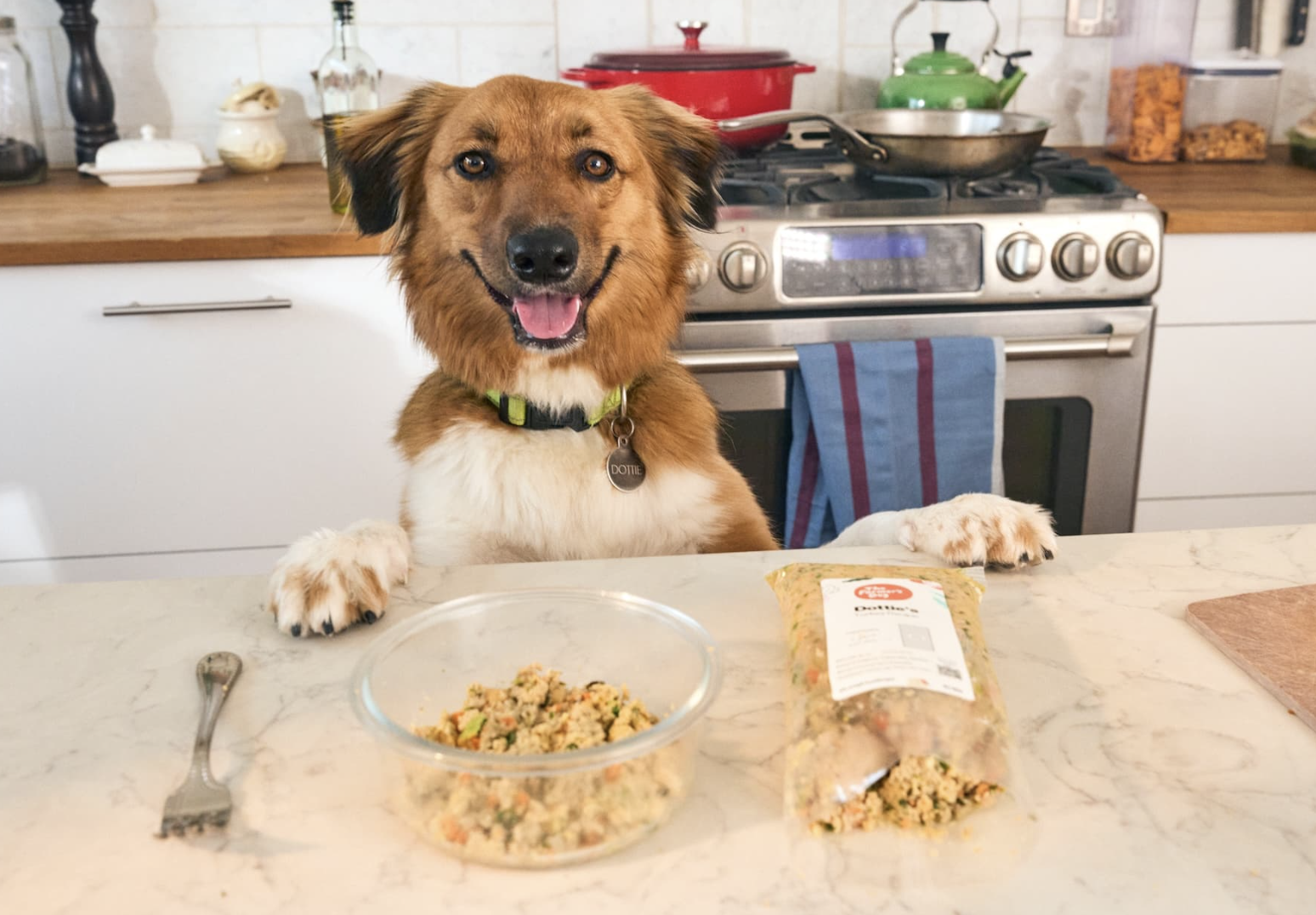
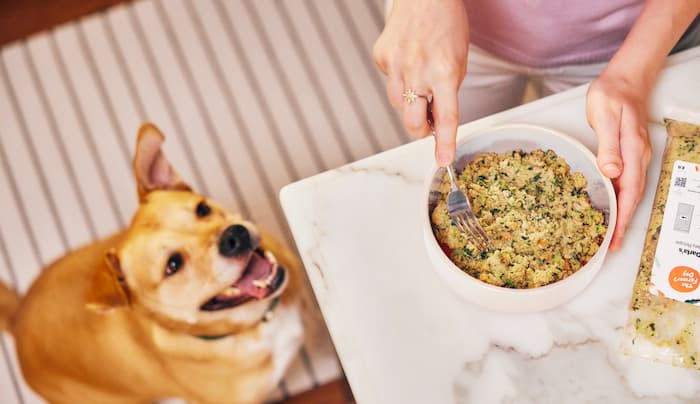
Digestibility refers to how effectively the nutrients in a diet are absorbed by the body and used, and therefore signals the brain to reduce hunger and increase satiety. Highly digestible foods can help stabilize hunger by smoothing out these signals, reducing abdominal discomfort. Some groups of dogs (especially senior dogs, some puppies, and dogs with certain GI issues) may benefit from a softer, moister food texture (such as that from a gently cooked diet like The Farmer’s Dog) that reduces chewing and improves digestibility.
Kibble vs. Wet vs. Fresh/Gently Cooked: Satiety Differences Explained
Diet formulation can affect satiety, depending on the calorie density, moisture, and fiber levels of the food, but this can vary considerably between brands. All kibbles are naturally lower in moisture, but some have high calorie density (meaning smaller portions that leave a dog feeling less full), while others have low calorie density and need bigger portions.
Wet canned diets have higher moisture levels and may therefore support satiety by increasing the volume fed. Some dogs find that a high-moisture, soft food, like a gently cooked diet, is the one that leaves them feeling the fullest.
Other Nutrients That Affect Satiety (Fiber, Fat, Protein)
No single nutrient controls satiety, and the amounts of those that do are important to consider in a safe and balanced diet. Fat, for example, is very calorie-dense and an important part of a diet that leaves dogs feeling full, but if fed in large amounts, it can cause weight gain and GI issues. Protein is key for satiety because it releases large amounts of energy, but as dogs are not true carnivores, they cannot be fed on it alone.
Soluble fiber helps satiety by absorbing water and slowing digestion, but it is very low in calories, so it cannot be the bulk of a diet. Balance, as ever, is key.
Behavioral and Medical Causes of Constant Hunger
Just as in humans, the emotions and behaviours surrounding food can be a significant cause of hunger. Many dogs have trained their humans well and know that if they ‘act hungry’ they will get attention or treats. This can sometimes be hard to distinguish from true medical causes of insatiable hunger, such as diabetes mellitus, hypothyroidism, Cushing’s disease, or GI absorption issues. Persistent hunger, with or without associated weight gain, is always worth checking out by your vet BEFORE considering a diet change (especially if your dog also seems extra thirsty).
How to Choose Foods That Support Satiety in Dogs
Satiety varies by dog, so knowing what they prefer and speaking with your vet about any concerns is always the best place to start. You may want to consider gently cooked, complete options such as The Farmer’s Dog if your dog seems to need a higher-volume meal, but be careful not to just increase the calories fed. Keeping to a consistent feeding schedule without lots of treats is the best way to keep satiety signals consistent; this may mean that, for your dog, 2 meals a day is best, whereas some may benefit from 4 smaller ones.
FAQs
Satiety is the feeling of being full and satisfied by food. It controls appetite and affects how much a dog weighs, and may influence begging behaviors.
There are lots of reasons why your dog may still seem hungry after eating; learnt behaviour, medical causes, or a food that does not leave them feeling full. Some dogs benefit from higher-volume, higher-moisture foods or those that digest more slowly; speak to your vet to find out what is needed.
Yes, they can do, as water bulks out a food and increases volume without increasing calorie density. Higher moisture foods include canned foods and gently cooked options like The Farmers Dog.
It depends on the kibble; if you feed one that is very nutrient-dense, it may result in smaller portions that reduce satiety, but many kibbles increase satiety due to their slower gut transit time, which prolongs stomach stretch.
Choose a high-quality diet that is AAFCO labelled ‘complete and balanced’. You can then use the feeding guides on this to see how much of the diet should keep your dog a healthy weight; if this does not seem to keep them full, you can consider a higher volume or higher moisture diet, but it is always worth talking to your vet if you are concerned.
Final Thoughts on Satiety in Dogs
Satiety is the feeling of being full, and this is influenced by bodily cues as well as by the type and brand of food. Different foods contain varying levels of moisture and vital nutrients, and are variably digestible. Knowing your own dog’s appetite, energy levels, and stool appearance is vital so you can find a feeding plan that focuses on nutritional balance and overall health as well as comfort and fullness.
Image: Pixabay