Feeding Senior Dogs: How Nutritional Needs Change With Age
Published on March 17, 2026

Getting older is a fact of life. As dogs grow from energetic pups chewing through slippers to older, dependable members of your family, their nutritional needs begin to change. When feeding senior dogs, it’s important to remember that aging often brings shifts in metabolism, nutrient absorption, and digestion, all of which require careful dietary attention.
With this shift in metabolism, feeding senior dogs correctly is arguably one of the most important things you can do as a pet owner to support longevity and good health.
Aging and entering the senior years vary by breed, size, weight, and health, which is why no one-size-fits-all approach works. But there’s no need to fret, as making small changes in your dog’s day-to-day life, including selecting the right dog food for older dogs, can have a massive impact on their quality of life.
All featured products are chosen at the discretion of the Vetstreet editorial team and do not reflect a direct endorsement by the author. However, Vetstreet may make a small affiliate commission if you click through and make a purchase.
When Is a Dog Considered a Senior?
A dog is considered senior when it reaches the last third of its expected life expectancy. For most, this stage tends to be around 6 to 9 years old, but this depends on breed and size. For example, a small Pomeranian will have a longer life expectancy and therefore may enter its senior stage from around eight or nine years old, whereas a large breed such as a Great Dane may be considered senior from around six years old.
How Aging Changes a Dog’s Nutritional Needs
As a pet parent, it’s sometimes easy to see physical changes in your dog, such as loss of muscle mass, but harder to see the internal changes that come with aging.
When dogs age, their metabolism slows down, so when feeding senior dogs, they often need fewer calories to keep their bodies fueled. Studies have shown that senior dogs may require up to 24% fewer calories than in their earlier years, making choices around nutrition especially important.
As a senior dog’s need for calories decreases, their fiber requirements can increase, and a lack of dietary fiber can raise the risk of constipation.
With age, joints begin to feel the effects of wear and tear, making nutrients such as omega-3 fatty acids important for joint cartilage maintenance and inflammation reduction. This is helpful to look for when choosing dog food for older dogs.
Protein Needs for Senior Dogs: More Important Than Ever
Previous veterinary research warned dog owners off feeding high protein diets to senior dogs. This was because senior dogs have a higher incidence of conditions such as obesity, kidney, and liver disease, which are often made worse by high protein diets. We now know that feeding moderate quantities of high quality, easily digestible protein to senior dogs is actually beneficial. Protein has an important function as it supplies essential amino acids needed to support muscle maintenance and organ function.
Remember when feeding protein to your dog quality trumps quantity when it comes to nutrient absorption, too much protein that your dog cannot digest will not benefit your dog at all. Protein sources such as fish, poultry and eggs are excellent protein sources for senior dogs as they are highly digestible. This makes it easier for your dog to absorb the amino acids needed for repair compared to other types of protein, such as plant protein.
It’s crucial to note that dogs with kidney disease still need medical grade prescription diets, which have the protein ratios specifically formulated to reduce kidney damage. Always follow your veterinarian’s advice if your dog has a health condition when it comes to choosing a diet to feed to your senior dog.
Fat, Calories, and Weight Management in Older Dogs
Body shape changes when dogs age. They may be less active, leading to weight gain, and need a calorie-restricted diet to counteract this. Equally, older dogs – especially large breed dogs – can lose muscle condition when they exercise less, and so may need extra support to keep them mobile.
Diet can be part of these changes. While obesity is problematic, fat isn’t always a bad thing when considering a diet, especially for older dogs. Fat provides easy-to-access energy, helps fuel your dog’s brain, and supports skin and joint health. In other words, it all comes down to moderation – always consider your dog’s body condition score when looking at increasing or decreasing your dog’s food intake, and ask a veterinarian if you are unsure.
Digestive Changes and the Role of Fiber and Moisture
As senior dogs age, their digestive system slows. This can affect stool shape and firmness. Making sure your dog has plenty of fiber in their diet will help the gastrointestinal tract function normally. There are two types of fiber that senior dogs benefit from:
- Soluble fiber, which is dissolved during digestion and acts as a food source for the gut microbiome that lives in your dog’s digestive tract.
- Insoluble fiber, which does not dissolve during the digestive process, allowing it to absorb water to promote gastrointestinal movement.
The key when feeding senior dogs fiber is to get the balance between soluble and insoluble fiber correct. Diets which are fiber-balanced and moisture-rich may support hydration and digestion in your dog.
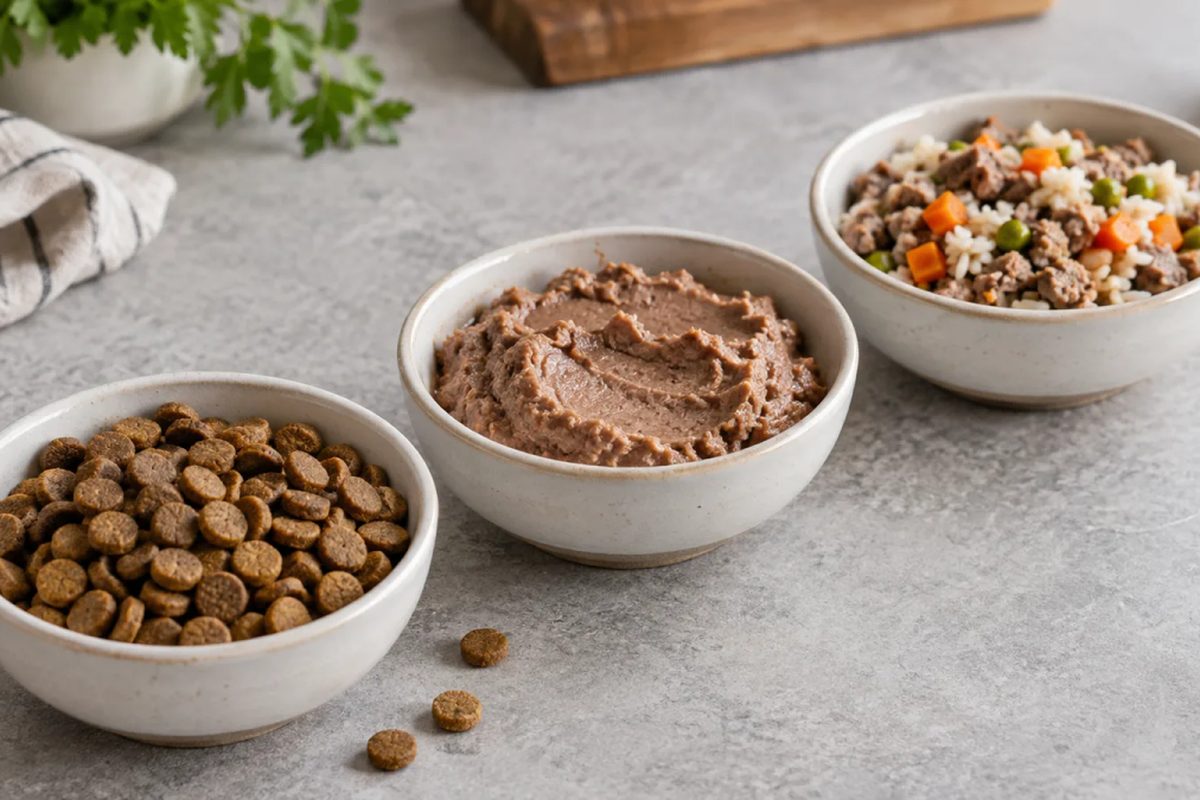
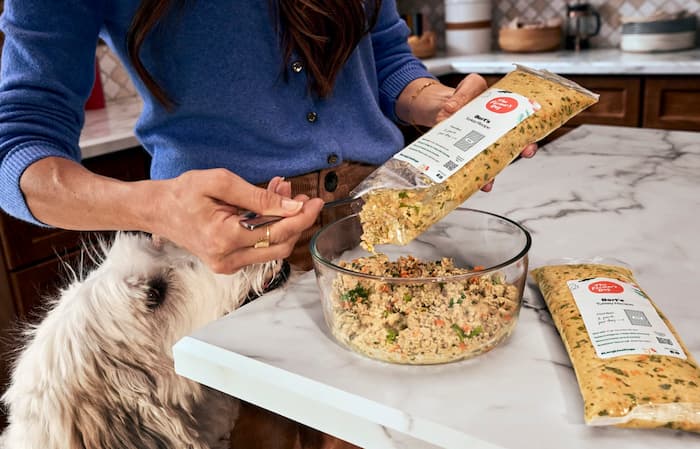
Diets that are fiber-balanced and moisture-rich may support hydration and digestion in your dog. Fresh, gently cooked foods, including options like The Farmer’s Dog, naturally contain higher moisture levels, which may make them easier for some senior dogs to chew and digest.
Another benefit of moisture-rich foods for senior dogs is that the softer textures can be kinder for any dogs with oral or dental pain.
Nutrition for Joint, Brain, and Immune Health
Senior dogs suffer from loss of mobility through conditions such as osteoarthritis and age-related cognitive decline. Their immune system may also start to function less well as they age. However, the right nutrition can help to support them here, too.
To help support your senior dog, look for a diet that includes marine sources of omega-3 fatty acids and antioxidants. Diets that include omega-3s have shown to improve joint mobility and cartilage retention in senior dogs, while also supporting brain health for those aging minds. While it is possible to add this extra nutrition through supplementation, many diets designed for senior pets offer omega-3 support. Some fresh-food companies, such as The Farmer’s Dog, prepare gently cooked recipes that maintain moisture and aroma, which may help encourage interest in food while still delivering key nutrients like omega-3 fatty acids.
Currently the pet supplement industry can be a bit of the wild west with ambitious supplement claims not based on evidence, so it is important to consult your veterinarian before adding supplements to your dog’s diet.
Senior Dog Food: Benefits and Limitations
While AAFCO still doesn’t have a senior dog nutrition lifestage, the increasing scientific knowledge about senior dog nutrition has led to a rise in options for senior dog food. Let’s look at the benefits and limitations of senior dog food for nutrition-based health support:
Benefits:
- Lower in calories
Senior dog food is often lower in calories than regular dog feeds which is great as aging dogs typically require 24% less calories than their younger counterparts.
- Designed for easier digestion
Senior dog food contains balanced levels of fiber and is more moisture-rich than traditional dog food. This aids hydration and reduces constipation.
- May include joint-supporting nutrients
Some senior dog foods may contain added nutrients such as omega-3’s boosting joint, skin and brain health.
Limitations:
- Not all senior dogs need lower calories. Some dogs, such as active working dogs will still need the extra protein and fat to preserve muscle condition.
- Not all senior dogs have the same nutrition needs, and it’s common for health issues to change the dietary needs. For example, a dog with kidney disease will need a prescription diet.
- With increased competition in the market for senior dog foods, some foods are of a better quality than others, so remember to fully research a brand before purchasing.
Signs It May Be Time to Adjust Your Senior Dog’s Diet
When should I look to start switching to a senior dog diet? You can start transitioning your senior dog to a senior diet as they reach eight years old. You may also want to look out for the following signs, which might indicate your senior dog needs to be on a different diet:
- Weight gain or loss
- Decreased appetite or picky eating
- Changes in stool quality
- Reduced energy or muscle tone
- Increased thirst or digestive discomfort
However, it’s also important to note that these signs can all relate to diseases and conditions too, so a vet check-up is your first port of call.
Transitioning to a new diet needs to happen slowly but it’s one the best ways we can support your dog’s health into old age. Trying to get your dog to eat a new diet straight away can result in food aversion or going off their food, as well as tummy troubles. At least two weeks of mixing old and new diets is recommended for maximum chances of success.
FAQs
It depends! Factors such as your dog’s health, activity levels and body condition will help you decide if you need to switch to a senior dog food.
Senior dogs’ protein requirements are dependent on their medical needs. Any health issues such as kidney disease need veterinary advice. Healthy senior dogs benefit from easily digestible protein in appropriate amounts for their energy needs.
Senior dogs’ digestion can be supported with softer texture foods that have high moisture, adequate fiber ratios and enjoyable taste.
There’s no set age for changing to senior dog food, but guidelines suggest between 6-8 years. A better indicator is checking your dogs mobility, energy, weight and digestive health and adjusting their diet to suit.
Yes. Health starts with the building blocks in food, and a senior diet can support mobility, cognitive function, immune health and more.
Final Thoughts on Feeding Senior Dogs
Food has the power to change lives for the better, if you know how to use it to your advantage. When feeding senior dogs, diet can help us support their older bodies and the challenges they face – such as cognitive decline. If your dog is already well into their senior years, and isn’t on a senior dog food or prescription diet, fear not! You can start the shift to feeding senior dog food today. Just gradually transition them over a two week period, and they can start feeling the benefits of a strategic nutritional boost.
Each dog has their own individual requirements, so there is no one diet that fits all. For example, a boxer with inflammatory bowel disease would not benefit from an omega oil rich diet, so look at the wider picture and utilize your veterinarian’s knowledge when choosing what to feed your dog.