How Food Texture and Aroma Influence Appetite in Dogs
by Sian Burwood
Published on March 17, 2026
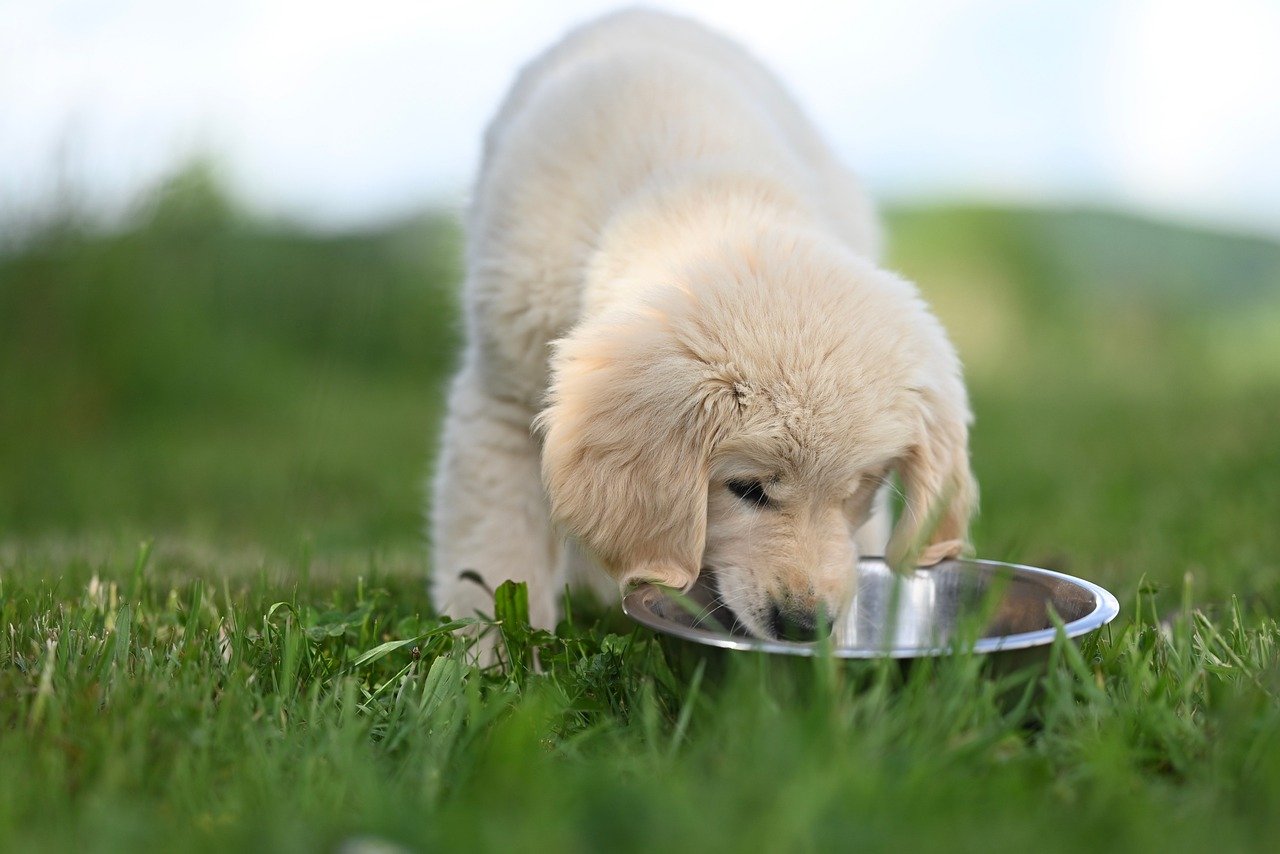
Some dogs are “dustbins” — they will eat almost anything. For some pet parents, this is a problem they would love to have, as their dogs are naturally picky eaters (especially the toy breeds), or their dog poor appetite may be caused by other factors such as recovering from illness, surgery, stress, or the typical low senior dog appetite.
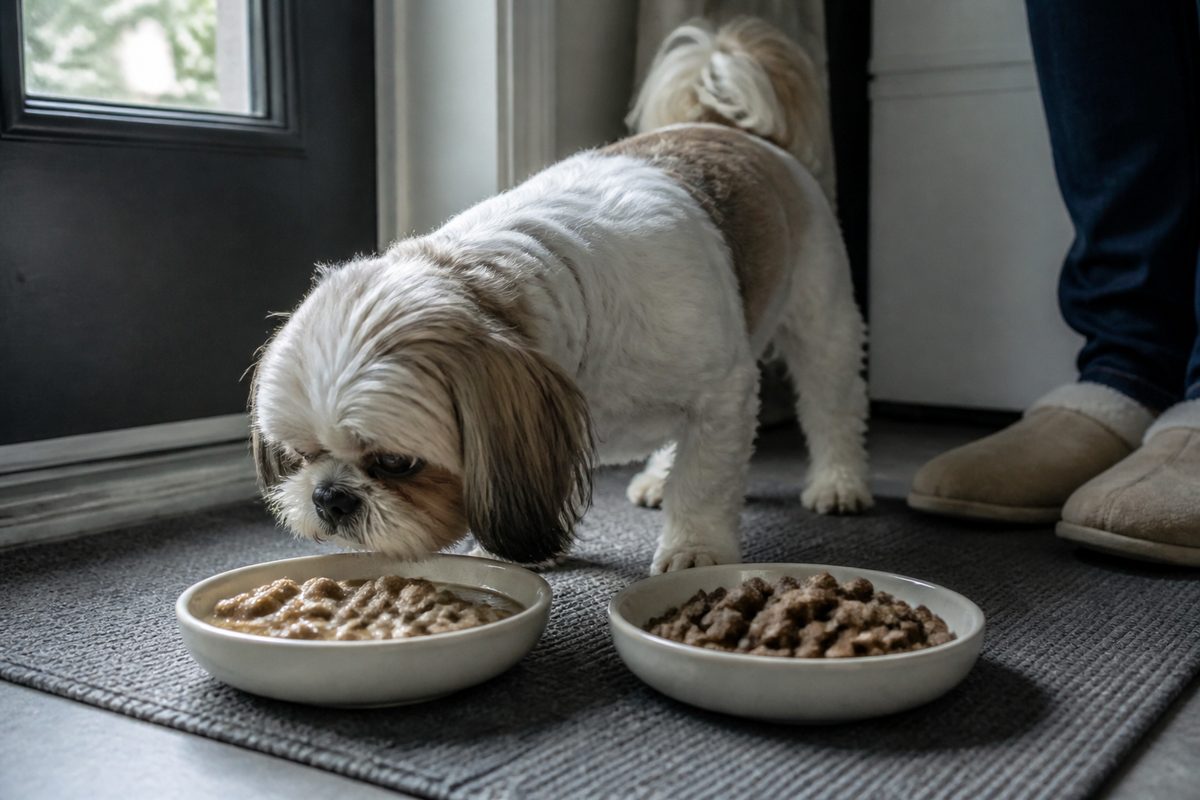
As they evolved from scavengers, domestic dogs still rely heavily on the smell and texture of their food to decide whether or not it is worth eating, and for some, this means they are hard to please or easily put off. Using meals that seem fresher and more aromatic can help tempt these dogs to eat more, helping maintain their weight and health or aid recovery from illness.
All featured products are chosen at the discretion of the Vetstreet editorial team and do not reflect a direct endorsement by the author. However, Vetstreet may make a small affiliate commission if you click through and make a purchase.
Dog Poor Appetite: Why Dogs Rely on Aroma First
Did you know that a dog has between 125 and 300 million smell receptors in its nose? When you compare this to the mere 5 million found in humans, you can see why their sense of smell is so much better than ours, and why, for a dog, the aroma of food is often more important than flavour.
The molecules that bind to these receptors are more readily released into the air from warm, fresh foods, producing stronger aroma cues and thus making the food seem more appealing to them (think fresh bread straight out of the oven in comparison to opening a packet). Using this knowledge, we can support appetite in picky, stressed, or senior dogs.
How Texture Influences Eating Behavior
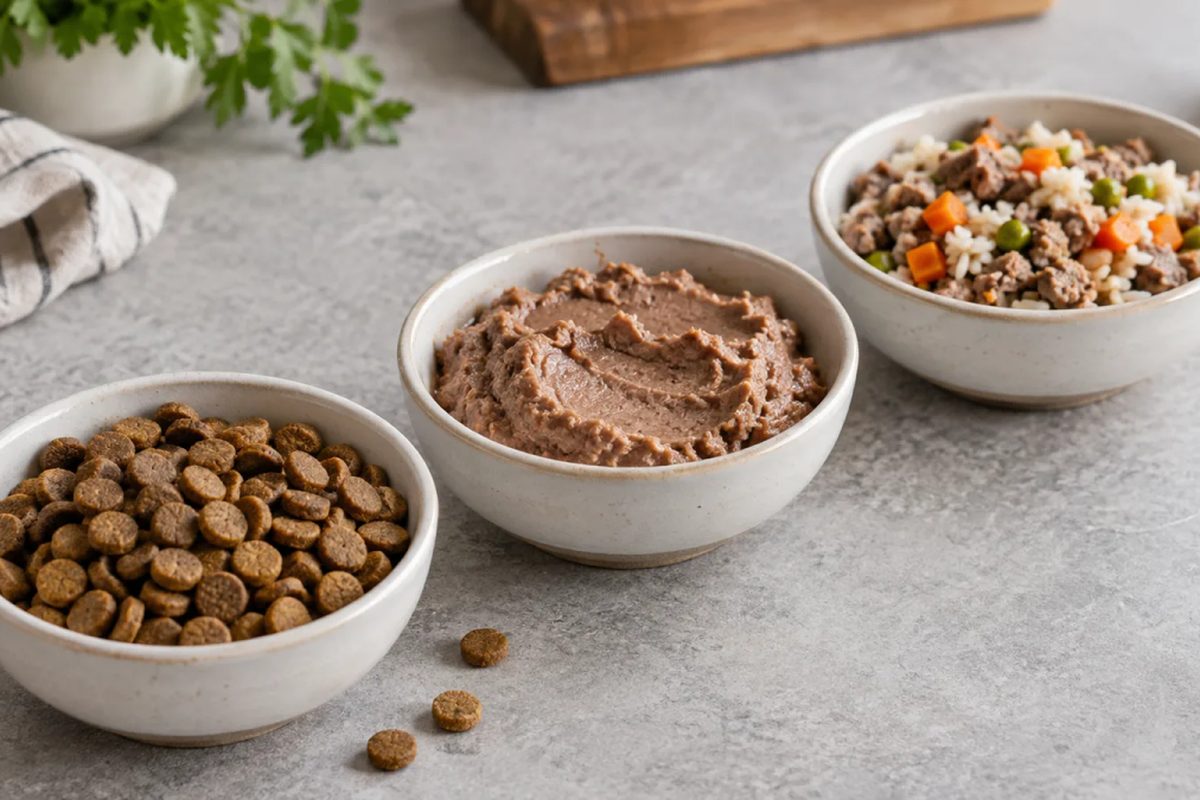
Another factor in dogs with poor appetite is the texture of the food, often described as ‘mouthfeel’. Whilst some dogs happily wolf down their kibble, others prefer something easier to chew, especially those with dental disease or the reduced muscle strength and jaw osteoarthritis found in senior dogs. How soft a food is depends on its moisture-content. Picky eaters and senior dogs may well prefer a soft, spoonable consistency.
Moisture Content and Palatability
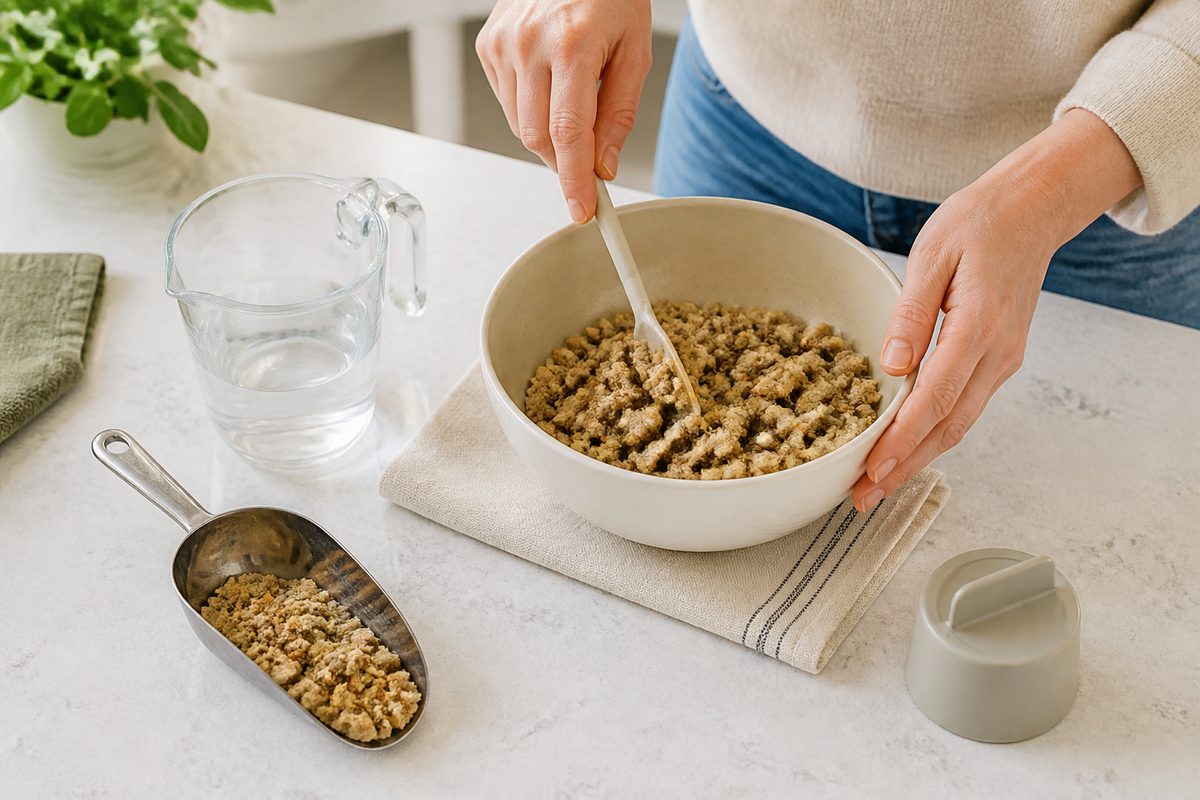
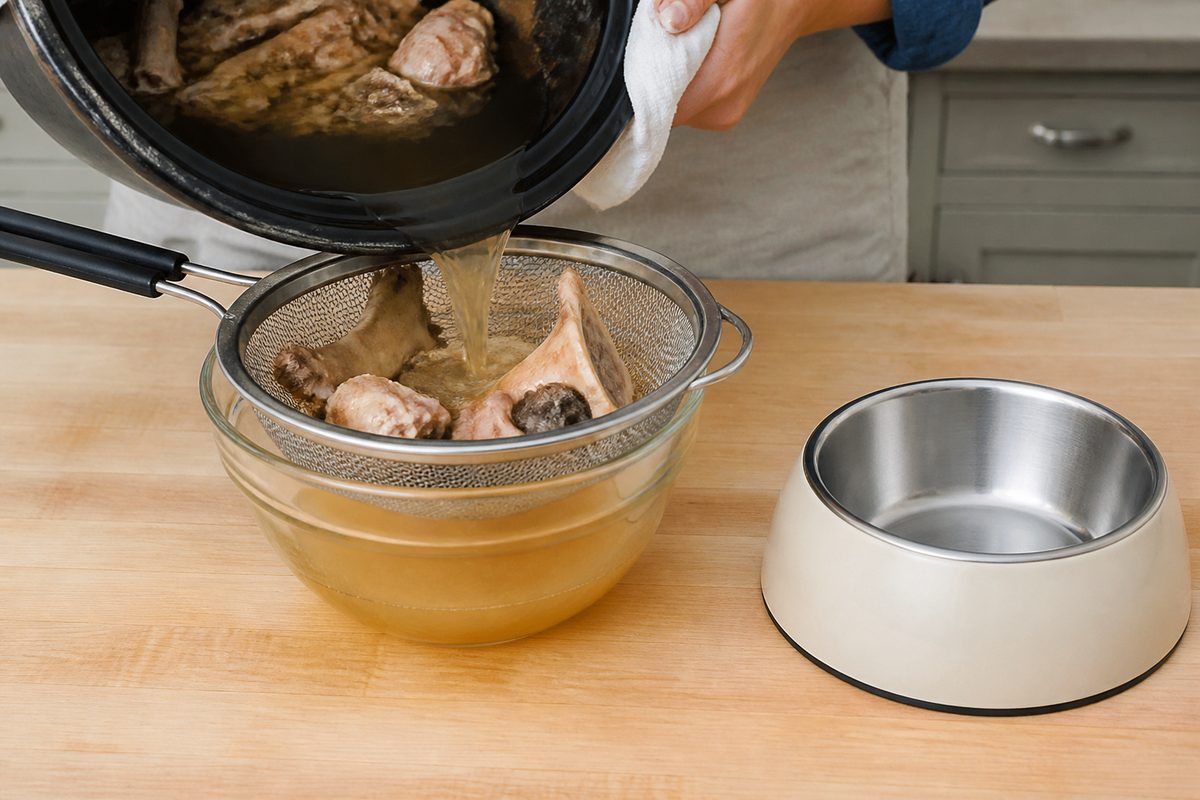
Adding moisture to a diet can be the key to unlocking its palatability, as it helps to release the aroma. Moisture can also help with digestion, the first step of which is taking solid food and mixing it with saliva into a consistency that can then be swallowed (something a moist food needs less of). You can make kibble moister by soaking it in warm water or broth (careful with the salt, though!), or by using a pre-prepared, gently cooked, or wet food.
Temperature and Warming Food
You can also increase a food’s palatability by warming it, which releases more of the molecules that create aroma and stimulate appetite. Room temperature or slightly warmed food is naturally more appealing to a dog than something cold (although it’s important to know never to serve a dog hot food as we would for ourselves – they are not designed to eat this, and it may result in burns).
You can warm your dog’s food by adding warm water or by heating it very carefully on a medium setting in the microwave. Only do this for short bursts of time (15 seconds or so) and stir well in between to make sure there are no dangerous hot spots hiding.

How Fresh Food Can Support Appetite
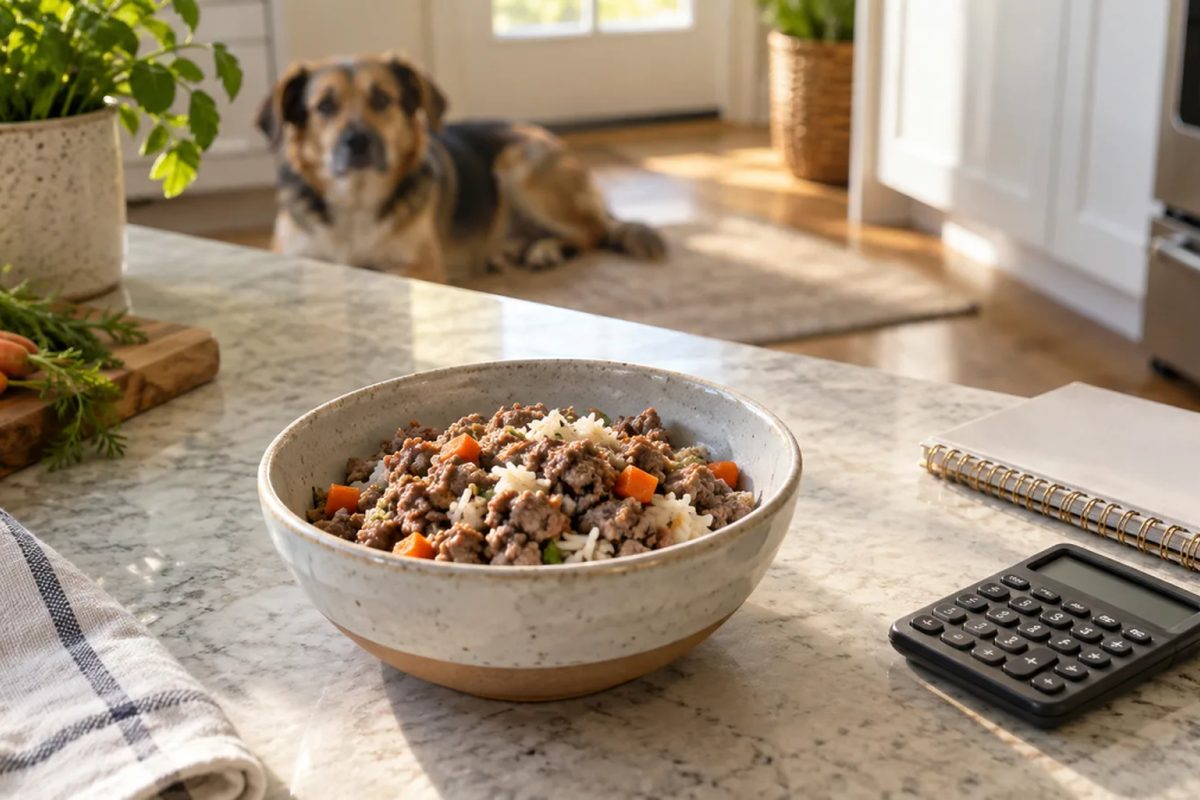
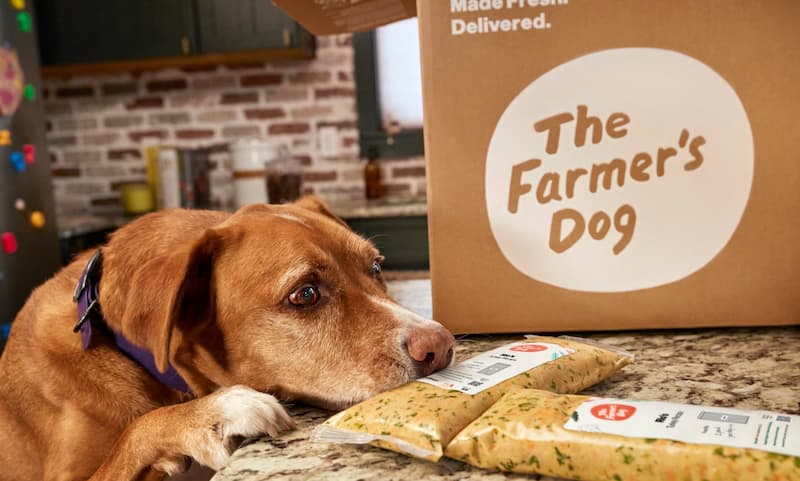
For some dogs, using a gently cooked diet (such as The Farmer’s Dog in the U.S.) can support appetite through stronger natural aromas, a softer texture, and visible differences in ingredients. The increase in moisture can make it more palatable for those who prefer the denser texture of dry foods.
In times of need, whether for a senior dog with a poor appetite or a dog recovering from illness or surgery, these foods can help maintain calorie intake and promote good health. Always check with your vet that any diet is suitable for your individual dog’s needs.
Appetite Support Tips for Picky or Senior Dogs
A healthy appetite is one of the strongest indicators of a dog’s overall well-being. But when meals become a struggle, whether due to picky eating habits, aging, stress, or recovery from illness, it can leave pet parents feeling frustrated and worried.
These appetite support tips for picky or senior dogs will help you understand what’s normal, what’s not, and the simple, vet-informed strategies that can gently encourage your dog to eat again.
- Make sure your dog feels relaxed and comfortable in their eating space. Keep bowls away from busy areas of the home (such as in the middle of the kitchen or near doors)
- Reduce stress by keeping a predictable feeding routine. Get your dog to sit and wait for you to put it down, then leave them alone to eat in peace.
- It’s the total daily ration of food that matters, so you can feed as many small meals as you like as long as this remains the same! Smaller meals are less intimidating for fussy eaters.
- Make sure bowls are kept clean and are the right height for your dog to easily access. Remember, some senior dogs struggle to stand for long periods or on slippery floors, which may mean they cannot finish a meal…perhaps they would prefer a lower or tilted bowl so they can lie down?
- Consider switching up textures if they seem bored with one type, alternating soft and crunchy foods.
- If your vet feels it is appropriate for your dog (high-protein levels are not suitable for all dogs), consider introducing some fresh, cooked foods.
When to Call the Veterinarian
Picky appetites may be normal for some dogs, but any change in appetite or persistent poor appetite is worth being checked out by your vet first to make sure there isn’t something else going on that they can help with. Call your vet if your dog:
- Has had a poor appetite going on for more than 24 to 48 hours
- Has a sudden change in eating habits
- Is drinking more than usual
- Is losing weight
- Is vomiting
- Seems lethargic
- Appears in pain, whether with their teeth, their joints, or in their belly
Remember that any diet change should always be made as a team decision with your vet, and that diet changes at home without your vet may make things worse rather than better. Always seek professional advice – your vet is there to help you and your dog in sickness and in health!
FAQs
Dog poor appetite can be due to boredom or a preference for certain textures, but may also be linked to dental disease, illness, or stress. Speak to your vet if the poor appetite is unusual, lasts more than a day or two, or if there are other signs.
For some dogs, warming food can help by boosting aroma, making food more tempting. This is especially true for picky eaters or senior dogs.
It can be. Dogs with poor appetite may find soft food (such as moistened or gently cooked diets) easier to chew and digest, and the stronger smell makes it more appealing.
Fresh diets are designed to increase aroma levels and are softer and moister, which may appeal to some dogs. They may help improve interest in meals, but are not a cure, so speak to your vet if you have concerns.
Final Thoughts: Helping Dogs With A Poor Appetite
Anyone who owns a dog will have experienced a time when their appetite is poor, and whilst it can be stressful, it is usually manageable. Making small sensory adjustments (one at a time, ideally) to increase aroma, moisture, and warmth or to change texture can make a big difference by appealing to a picky eater’s natural biology.
Fresh, gently cooked meals can provide these changes. Remember to speak to your vet if considering a complete diet change or when caring for a senior or sick pet.
Feature Image by JackieLou DL from Pixabay