Fresh vs. Kibble: How Processing Affects Nutrient Quality in Dog Food
by Carol Bryant
Published on March 30, 2026
Talk to any group of pet parents, and the question, “Is kibble bad for dogs?” is likely to come up. Maybe you’ve searched for the truth about whether what you feed your dog is the best food for them. The real question isn’t whether fresh or kibble is the best, but how dog food processing affects what ends up in your dog’s stomach.
The way food is processed influences what nutrients are retained, how your dog will digest the food, and if your dog actually finds the food tasty and palatable. No matter what food is in your dog’s bowl, it won’t matter much if your pooch doesn’t like it.
Fortunately, there are many different dog food options available that are made in a variety of ways, from fresh and gently cooked, such as the Farmer’s Dog, to high-extrusion processing of most kibble brands. In this article, we’ll discuss the different methods of dog food processing and what they mean for your dog’s overall well-being.
All featured products are chosen at the discretion of the Vetstreet editorial team and do not reflect a direct endorsement by the author. However, Vetstreet may make a small affiliate commission if you click through and make a purchase.
What Is Extrusion: How Kibble is Made
Imagine being in a factory and witnessing an industrial process that transforms raw ingredients into crunchy nuggets. The end result is dry dog food (kibble). Manufacturers grind ingredients into a fine powder, mix them, and then feed the mixture into an extruder. The extruder uses super high heat, as in over 300 degrees Fahrenheit, with intense pressure to cook the mixture.
As the hot dough exits the extruder, it quickly expands and is cut into kibble shapes before the drying process, which ultimately produces what you see in a bag of kibble. Without the high heat, high-pressure processing, kibble would not be safe for pet parents who count on convenience and a long shelf life in a dog food.
Extreme temperatures help kill harmful bacteria, ensuring the food can remain safe in your pantry for months. Unfortunately, those same temperatures may also affect the natural nutrients in the ingredients. Ingredients such as vitamins, amino acids, and other nutrients are sensitive to heat, so pet food manufacturers often add vitamin and mineral premixes after cooking.
Modern pet parents deserve to understand how their dog’s food is made, including the details of the extrusion process. The final kibble product is shelf-stable and can remain in your pantry or storage bin for longer periods. However, intense, high-heat processing can change the nutritional profile of dog food. Kibble is convenient, but it comes at the cost of high heat, high pressure, and nutrient adjustments.
What Is Gentle Cooking? How Fresh Dog Food Is Made
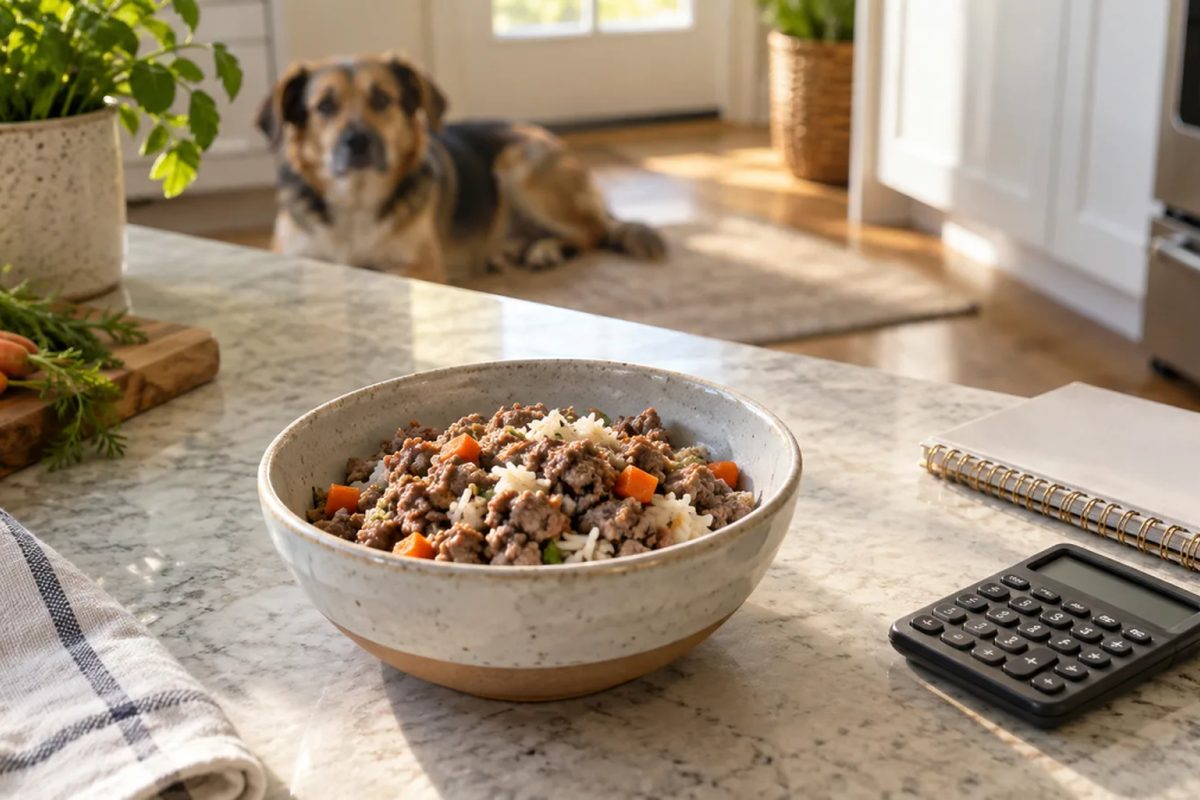
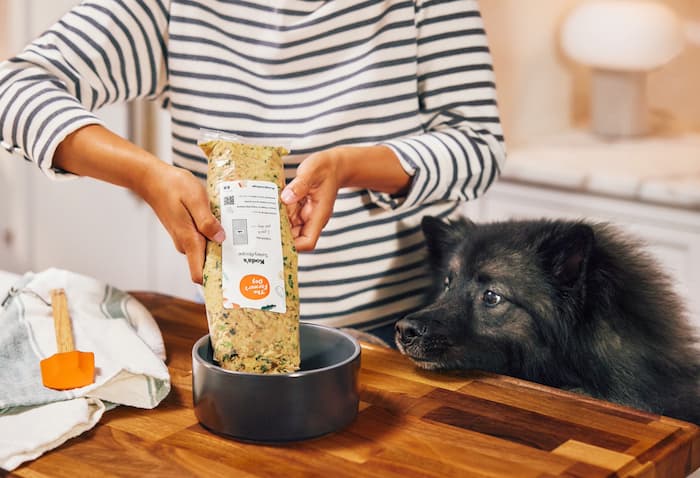
Fresh dog food, such as The Farmer’s Dog, is the perfect example of gentle cooking instead of exposing ingredients to extreme pressure and heat. Fresh dog food is generally cooked at lower temperatures for a much shorter time. As you prepare food in your kitchen, gentle cooking helps retain moisture, aroma, and some heat-sensitive nutrients.
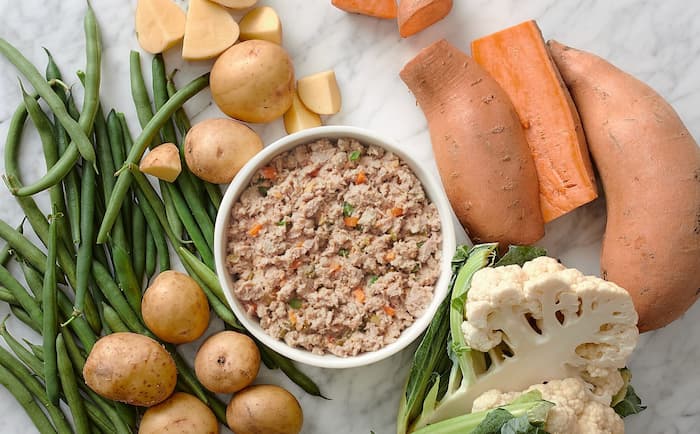
The Farmer’s Dog fresh dog food recipes are cooked enough to ensure safety standards are met while keeping all ingredients recognizable. Pet parents will see real, whole, human-grade meat, vegetables, and grains in each meal. Since fresh dog food is not meant to sit in a pantry or on a shelf for long periods, it does not undergo the drying or extrusion processes described above.
Fresh dog food is usually stored in the refrigerator or freezer, which helps to maintain its freshness and a higher moisture level. Unlike kibble, which may not be as appealing to dogs, fresh dog food is very aromatic and tasty. Clinical studies have shown that fresh, gently cooked food from The Farmer’s Dog is highly palatable.
Although fresh dog food benefits are many, there is a tradeoff in shelf life. Because fresh dog food must be kept cold, it is less portable than kibble for long road trips. Many pet parents feel this trade-off is worth it because their dogs eat a home-cooked diet with ingredients they can see and pronounce. Understanding gentle cooking helps show how processing methods affect the appearance, freshness, and feel of a dog’s diet.
How Heat Affects Nutrients: Understanding Degradation
In general, heat alters food and nutrients, as evidenced by everyday cooking in our own kitchen. For example, if you ever roast a vegetable for too long, it can lose its color, texture, and some nutritional value. The same concept applies to dog food processing, but the scale and temperature are much higher.
Some vitamins that degrade at very high heat include the B vitamins and vitamins A and E. Additionally, beneficial compounds like omega-3 fatty acids and antioxidants may be affected by extreme heat processing.
As indicated, kibble manufacturers know that dog food processing means nutrient quality may decrease during cooking. To maintain the nutritional value of kibble, they add vitamin and mineral premixes to compensate for nutrients lost during cooking. Yes, nutritional requirements are met, but fresh dog food retains more natural nutrients from the original ingredients.
Balance is everything, as you can imagine. Less nutrient degradation in fresh food doesn’t mean it’s the only choice for pet parents. Both fresh food diets and kibble can meet AAFCO standards for balanced, complete nutrition, but they do so in very different ways. Armed with this information, savvy pet parents understand these processing differences and determine which diet is best for their dog.
Digestibility: Why Processing Changes How Dogs Absorb Nutrients
Dog food digestibility deals with the ease with which your dog’s body can break down the food and nutrients of their diet. While preventing stomach upset is part of it, digestibility is far more important. Digestibility deals with how efficiently proteins, fats, carbohydrates, vitamins, and minerals are absorbed once your dog eats them.
Consider that at least 70 percent of your dog’s immune system is located in the gut, and you can understand why being able to digest food properly is important. Some studies indicate a gently cooked diet may be more digestible for dogs than other methods.
Fresh food contains moisture, and water supports digestion by breaking down ingredients more effectively. On the flip side, when food goes through intense heat and pressure, the protein and fat structures change. For some dogs, this makes nutrients harder to access.
Just as no two fresh foods are alike, not all kibble is created equal. Many premium kibble dog foods are formulated with digestibility in mind, and thousands of dogs thrive on high-quality dry food without incident. However, the way dog food is processed can create different results for different dogs.
If your pup has a sensitive stomach, struggles with digestion, or seems to benefit from fresh food, processing may be one reason why.
Texture, Aroma & Moisture: The Sensory Side of Processing
Let’s talk cookies. If you have a fresh-baked cookie in one hand and a cookie that’s been sitting in a package on your counter for a few weeks, there are obvious differences. Although both are cookies and likely made with similar ingredients, one is warm and inviting, while the other may be drier and dull. Dogs experience their food in the same way, especially with their heightened sense of smell.
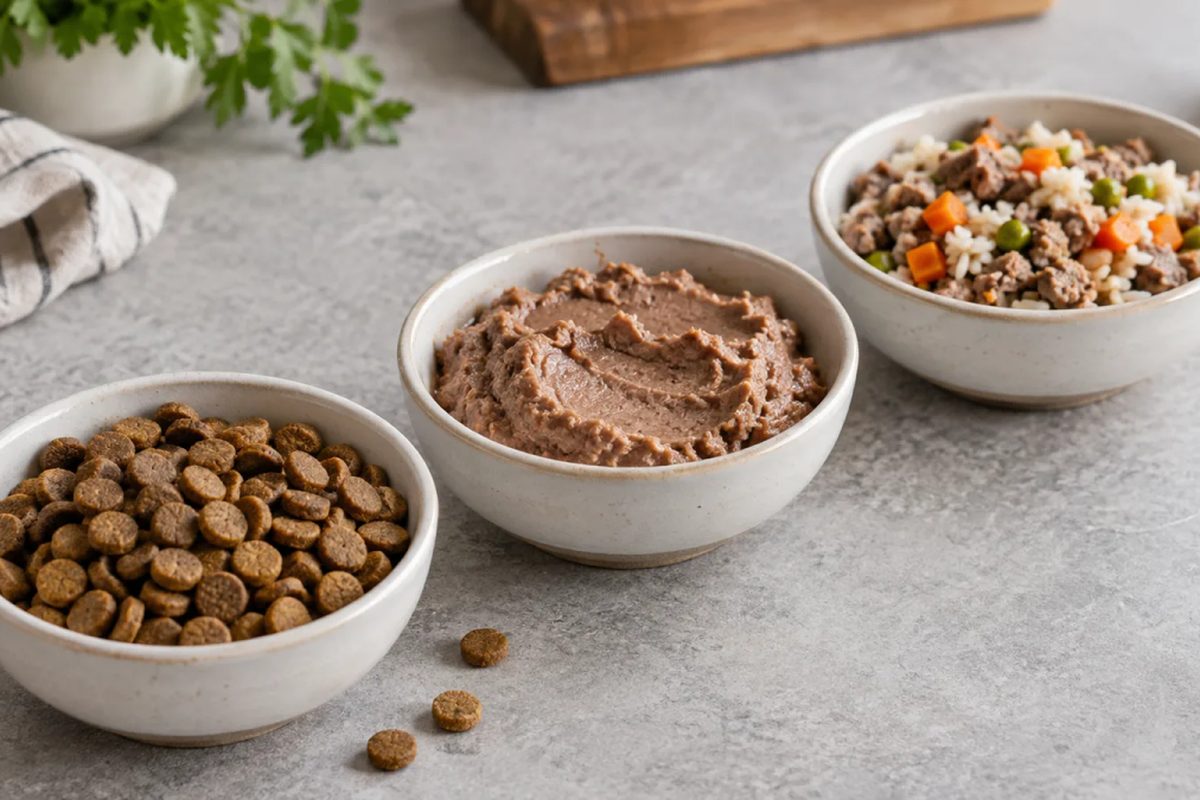
Dog food processing affects the texture, aroma, and moisture of a diet, and those factors can shape how appealing the meal feels to your pup. Kibble is designed to be dry. Most contain only about 10% moisture, which is part of what makes them shelf-stable. But dogs, like people, are drawn to foods that smell good and have a pleasant texture.
Fresh food naturally has a stronger aroma because it hasn’t been cooked at extreme temperatures. The Farmer’s Dog meals, for example, have about 70% moisture content and smell distinctly like real food (because it is real food) rather than the neutral or slightly roasted scent of dry food.
For picky eaters, senior dogs with diminished appetite, or pups recovering from illness, the aroma and moisture can be the difference between a dog who eagerly eats and one who needs coaxing. The softer texture of fresh food is also easier for dogs with dental issues or those who struggle with eating hard kibble.
Benefits and Limitations of Kibble
Not all kibble and kibble nutrition is the same. Kibble has become a leading dog food for many reasons. It is convenient, affordable, and generally can be stored for longer periods under the right conditions. If you’ve ever perused a pet supply store or shopped online, you’ve likely seen the dozens or even hundreds of bags of dog food on shelves.
For some pet parents, once they find the right kibble dog food that seemingly works for their pooch, they continue to feed it. Many dogs live long lives eating high-quality kibble, so there are no guilt feelings to have if you choose dry food.
Kibble does, however, have limitations, and being aware of them will help you make informed decisions that are best for your dog. The low moisture content means dogs need to drink enough water to stay hydrated, which can be challenging. Kibble may also be less appealing to picky eaters, senior dogs, or pets with dental issues who prefer something softer and more aromatic.
Understanding the strengths and limitations of kibble dog food allows you to choose what fits your pup’s needs and your lifestyle. For many dogs and families, kibble remains a practical, healthy, and reliable choice.
Benefits and Limitations of Fresh, Gently Cooked Food
On the flip side, fresh, gently cooked food for dogs is naturally high in moisture, has stronger, more authentic aromas, and undergoes minimal processing. For dogs who need a bit of encouragement to eat due to pickiness, age, or health conditions, these sensory differences can make a huge difference. Fresh food meals from The Farmer’s Dog are an example of this type of feeding, which many pet parents report as successful in their households.
Gentle cooking may also help retain more of the natural nutrients found in whole ingredients. Since the food is cooked at lower temperatures for shorter periods, there is less nutrient loss and less need for synthetic additives. The ingredients remain visible and recognizable, giving pet parents confidence in what they are serving their dogs and how the food is prepared.
Fresh dog food has some limitations worth considering. It tends to be more expensive than kibble and requires refrigeration or freezing. Fresh dog food is a choice, not a requirement, but it is a viable option to support better digestion, improved appetite, and even a healthier coat and energy. If your dog has specific health issues, consult your veterinarian or a veterinary nutritionist for further guidance on dietary needs.
How to Choose the Best Food for Your Dog
The best food for your dog isn’t necessarily the one with the fanciest marketing or the longest ingredient list. It’s the one that keeps your dog healthy, satisfied, and thriving.
Start by considering your dog’s life stage and health. Puppies, adults, and seniors have different nutritional needs. Dogs with allergies, sensitivities, or chronic conditions may need specialized diets. If your dog is a picky eater or has digestive issues, moisture-rich food might help. If they’re perfectly happy with kibble and doing well, there’s no need to change.
Look for foods that meet AAFCO standards for complete and balanced nutrition. Read the ingredient list, but also pay attention to how your dog responds. Is their coat shiny? Do they have good energy? Are their stools consistent and healthy? These are better indicators than any marketing claim.
Have an honest discussion with your veterinarian or veterinary nutritionist. They know your dog’s medical history and can offer guidance tailored to your pup’s needs.
FAQs
Kibble is not bad for dogs overall. It is processed with high-heat extrusion, which can affect nutrients and moisture, but many dogs do very well on a high-quality kibble, while others respond better to fresher, gently cooked foods.
Extrusion uses very high heat and pressure to create a dry, shelf-stable product. Gentle cooking uses lower temperatures for shorter periods, which helps preserve moisture, aroma, and more of the food’s natural nutrients.
Fresh food often retains more heat-sensitive vitamins and contains much more moisture. It is not automatically better for every dog, but many dogs find it easier to digest and more appealing.
Fresh food has a stronger aroma, softer texture, and higher moisture content. These sensory differences can make it more enticing, especially for picky eaters, senior dogs, or pups with dental issues.
Switching your dog from kibble to fresh food is fine if it makes sense for your dog. Healthy dogs who enjoy their kibble may not need a change. If your pup is picky, has digestive sensitivities, or you want to try a less processed option, fresh food may be worth exploring. Transition slowly and talk to your vet or a veterinary nutritionist if your dog has specific medical needs.
Final Thoughts: Is Kibble Bad for Dogs?
No, kibble is not inherently “bad” for dogs, but the processing method used to make it does affect nutrient quality, digestibility, and palatability in ways worth understanding. Extrusion creates a convenient, shelf-stable product that works well for many dogs. Gentle cooking, such as the method used for The Farmer’s Dog meals, prioritizes moisture and aroma while minimizing nutrient degradation, which many dogs respond to better.
What matters most is what works for your dog. If you’re curious about how processing affects your pup’s nutrition and you have the budget and storage space, trying fresh dog food might give you valuable insight into how your dog eats and feels. If kibble is keeping your dog healthy and happy, there’s no reason to change.
The goal isn’t perfection, but rather making informed choices that support your dog’s health and fit your life and budget. We all want what’s best for our dogs, and that starts with what’s in their bowl every day.
Feature Photo by Gayatri Malhotra on Unsplash