Why Some Dogs Suddenly Stop Eating (and When Diet Is the Cause)
by Sian Burwood
Published on March 17, 2026
There’s nothing more satisfying than seeing your dog really enjoying the food you provide, so it can be alarming when dogs stop eating. There are many minor reasons this may happen, but also some more serious ones worth investigating.
Not all appetite changes are caused by illness, and recognising patterns is essential to determine when you can help at home and when you need to speak to your vet. This article aims to provide an overview of this worrying sign.
All featured products are chosen at the discretion of the Vetstreet editorial team and do not reflect a direct endorsement by the author. However, Vetstreet may make a small affiliate commission if you click through and make a purchase.
How Appetite Works in Dogs
Hunger is not the same as appetite. Hunger is the body’s need for calories, but appetite (how much they want to eat) is stimulated by many different factors, with the aroma of the food being a strong trigger for eating in dogs.
Other factors include their emotional state, if they feel safe in their environment, what else is going on in their routine, and how appealing the smell and taste of the food they are being offered is. Even changes that seem small to us can cause your dog to suddenly stop eating because something feels ‘off’ to them.
Common Non-Medical Reasons Dogs Stop Eating
Dogs evolved from scavengers who did not have predictable mealtimes, and so mild variations in appetite can be normal in the short term. Many of these mild variations are behavioural (just as they are for us); feeling full after eating too many treats, boredom with eating the same food again, or learned picky behavior.
More serious behavioural reasons are often associated with changes in the environment (such as changes in feeding time or location), or stress that means that the dog does not feel safe (such as disruption or guests in the house or travel outside the home)
When Diet Is the Cause: Texture, Aroma, and Moisture
Modern domesticated dogs are a long way now from their scavenger ancestors, but some of the key drivers for appetite remain. Dogs are attracted to moist foods with a strong aroma and a texture they can readily pick up, chew, and swallow.
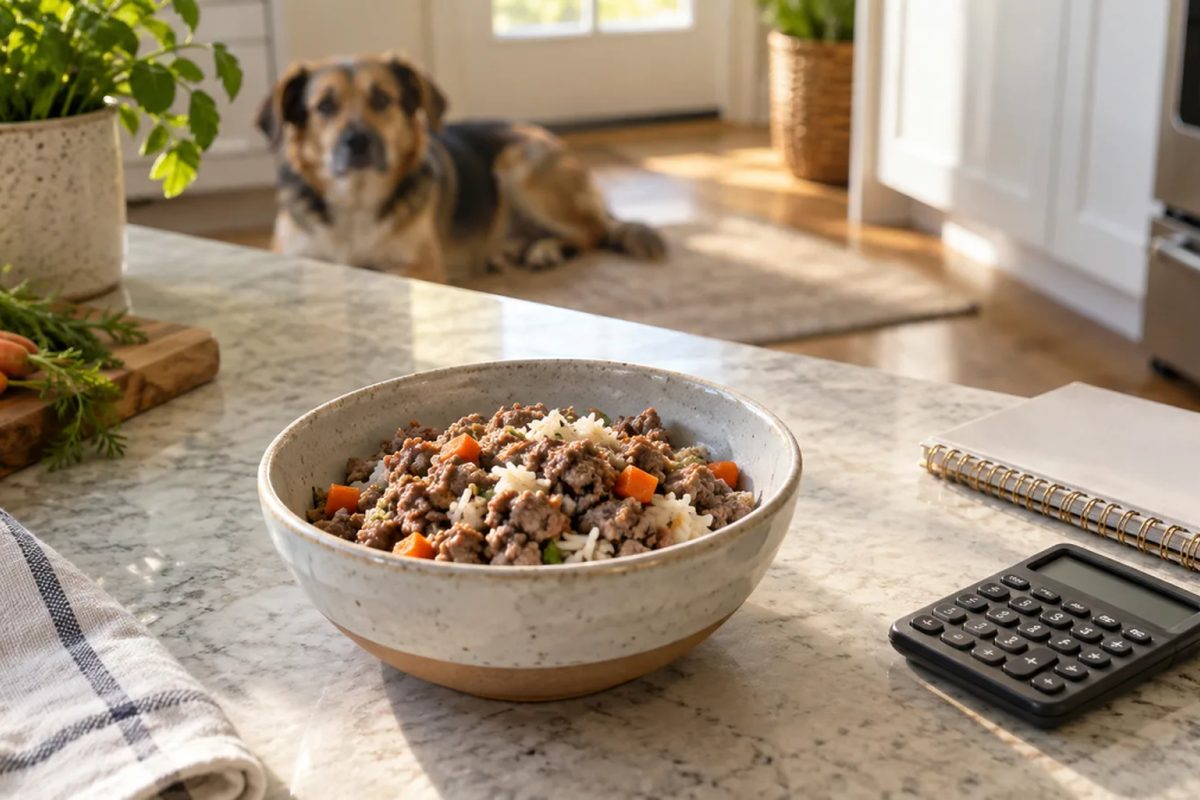
Many dogs will eat any formulation of dog food at any time, but some find dry foods less appealing, particularly if they have dental issues, as they age, or if they have other underlying illnesses. At these times, these dogs may find a moistened or fresh, gently cooked diet more appealing, so you can check with your vet to see if this is an appropriate option for your particular dog.
Food Processing and Palatability
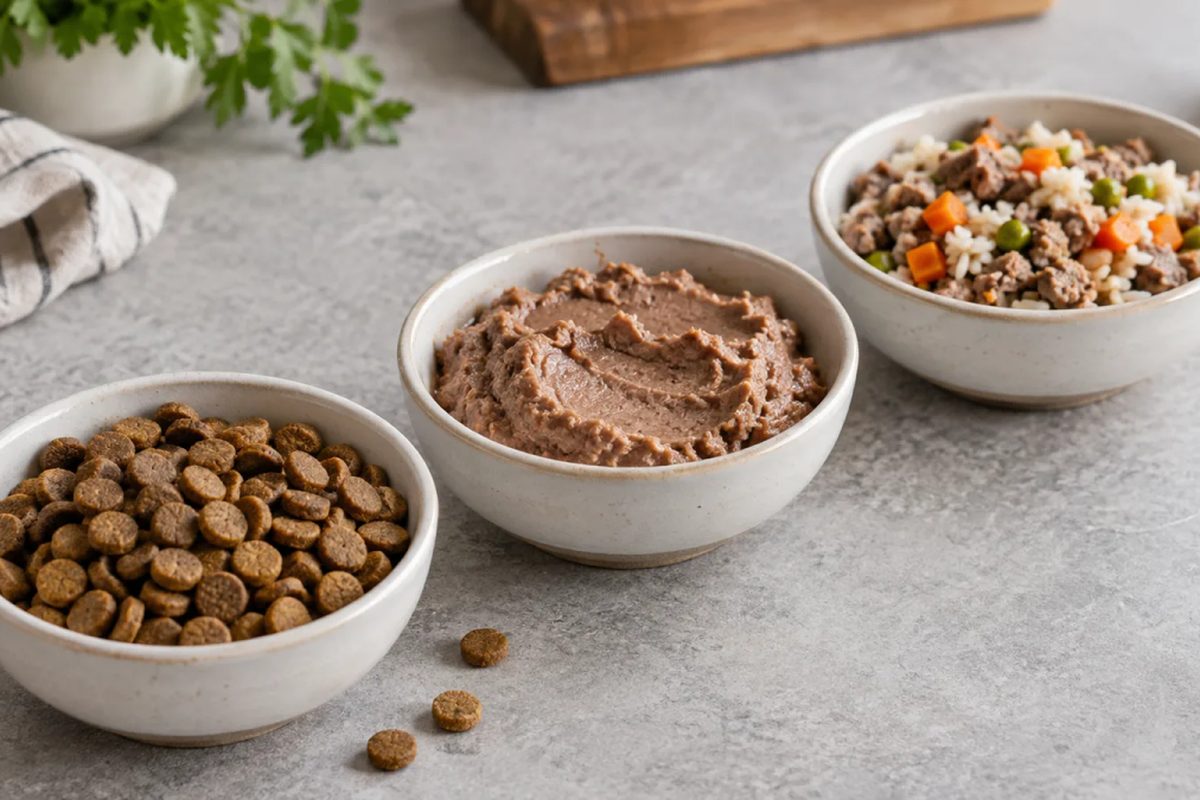
Dog food comes in many different formulations, each made differently, and each has benefits and risks. Dry foods offer a complete nutritional balance in every piece of kibble and store more easily, but the loss of aroma with time and the drying process can reduce palatability for some dogs.
Fresh, gently cooked foods can help stimulate appetite as they retain moisture and natural aromas, but they can also allow selective feeding and have particular storage and heating needs. There are many other considerations, including what food is best for each dog, and palatability varies for every individual dog. Speak to your vet to ensure the food you use is appropriate for your dog’s life stage and medical needs, and palatable for them.
When Appetite Loss Signals a Medical Issue
Sudden loss of appetite, which is a change from what is normal for your dog, may indicate a medical issue and requires a visit to your vet, especially if it has lasted over 24 hours. Other signs that need a vet visit, alongside a change in appetite, are:
- Vomiting and diarrhea
- Weight loss
- Change in drinking
- Lethargy
- When you know your dog has an underlying disease
- Signs of pain in the mouth, belly, or joints
Seniors, Puppies, and Sensitive Dogs: Special Considerations
Not all dogs are the same when it comes to appetite, but some groups have more particular needs than others, which may mean a vet visit sooner rather than later. Puppies need to eat little and often to ensure steady daily weight gain, but you may find they skip a meal when stressed. Senior dogs with osteoarthritis may struggle with chewing or standing for a long time to eat, and liver or kidney issues may cause nausea.
Dogs with sensitive tummies, pancreatitis, or IBS (irritable bowel syndrome) may naturally avoid foods that cause discomfort. Any diet change for these groups should be made very carefully and very slowly under the direction of your vet.
Safe Diet Adjustments When Dogs Stop Eating
Changes in diet should be made slowly and consciously under guidance from your vet – constant changes in type and brand can cause uncertainty and stress that is more likely to cause your dog to suddenly stop eating!
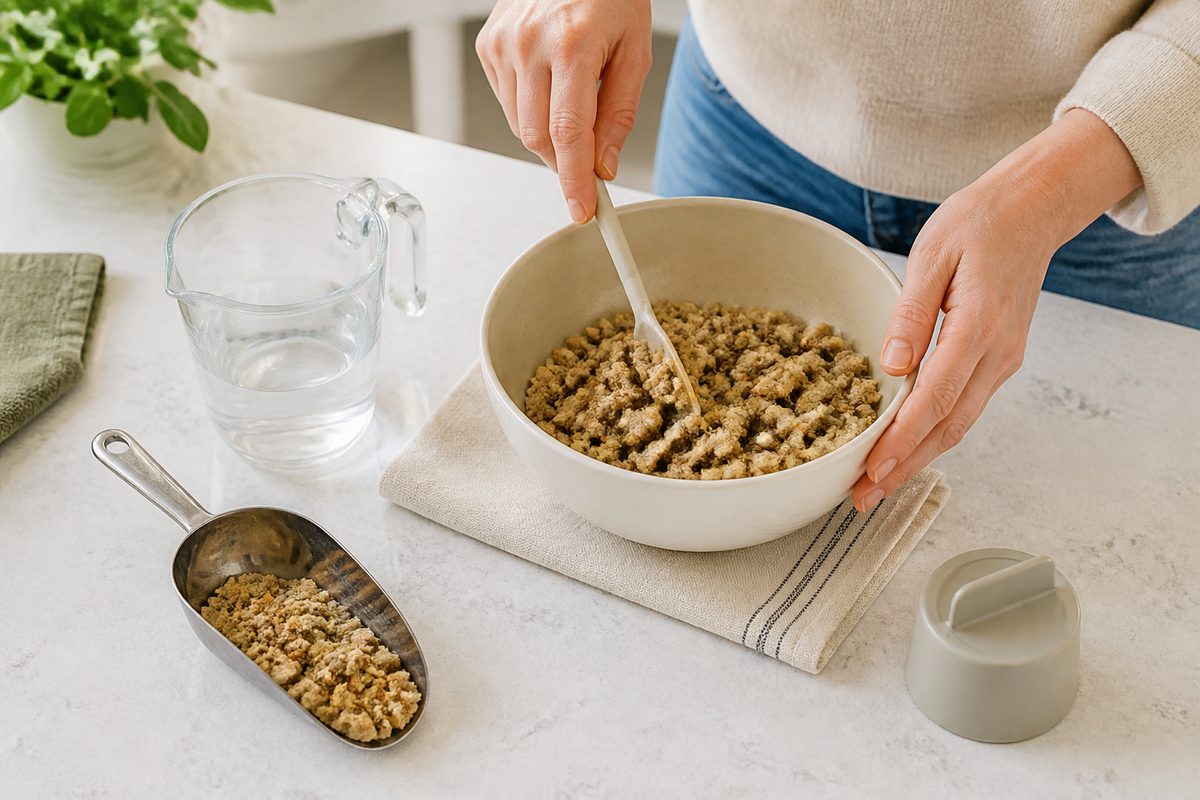
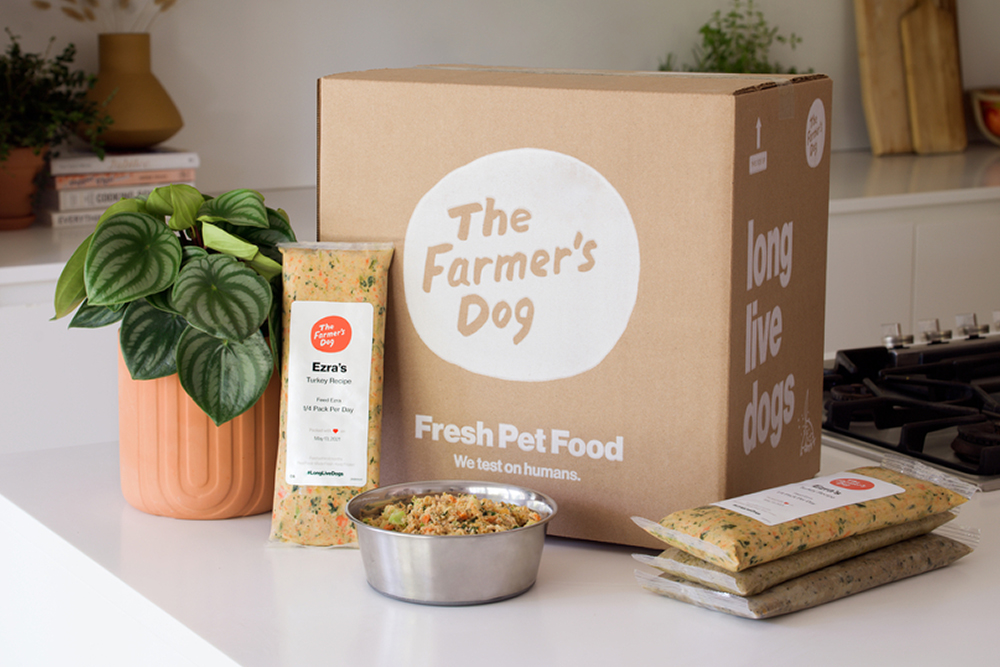
If your dog needs short-term appetite support, you can try soaking food in warm water to gently heat it and increase aroma, or consider moisture-rich, gently cooked options like The Farmer’s Dog to re-engage appetite in some dogs. If the appetite does not return quickly, or if there is any vomiting or diarrhoea, see your vet.
When to Call the Vet
It’s easy to guess when it comes to diet and be tempted into constant food switching – make sure you speak to your vet if you have any of the following concerns:
- Refusal to eat for more than 24 hours (puppies and seniors) or 48 hrs in adults
- Sudden loss of appetite together with other signs (especially vomiting, lethargy, or pain)
- On and off food refusal or reduced appetite over longer periods
- Any appetite changes in dogs with known medical conditions
FAQs
Dogs can stop eating for a variety of reasons, including illness, stress, changes in routine, or dietary issues. This can be normal in the short term, but an unusual, sudden loss of appetite or persistent problems should be seen by a vet.
In some cases, yes. Different dogs prefer different smells, textures, moisture levels, and ingredients, and changing one of these can cause sudden appetite loss or help with engaging it again.
Fresh dog foods can increase appetite in some dogs due to their higher moisture content and greater aroma. This is not the same for every dog.
It’s worth calling your vet if your dog has not eaten for between 24 to 48 hours, but call sooner if you have a puppy, a senior dog, or a dog with a known underlying health problem.
Maybe, but not right now. Consider other issues (any changes in routine, stress, other physical signs, too many treats), make sure you stick to a consistent routine, and if changes persist, speak to a vet before making any major changes.
Final Thoughts on a Dog Not Eating Food
Appetite changes in dogs are common, can be caused by many factors, and are often transient and manageable. Knowing what is normal for your dog and keeping consistent routines means that, when sudden changes happen, you can easily notice them and seek veterinary help as needed. Making sure the food you use appeals to your dog’s preferences in terms of aroma, moisture levels, and textures helps maintain a good appetite.