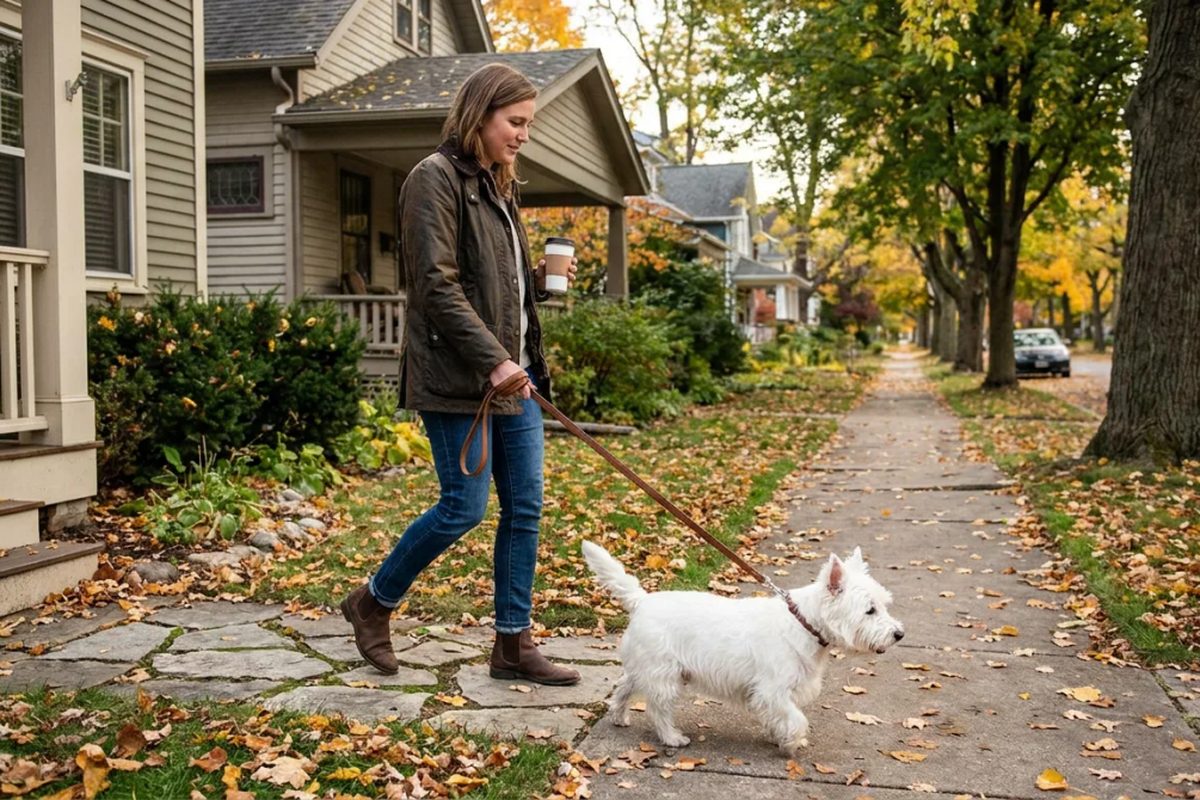
Exercise for Dogs With Arthritis: Building a Comfortable Routine
Published on October 28, 2026
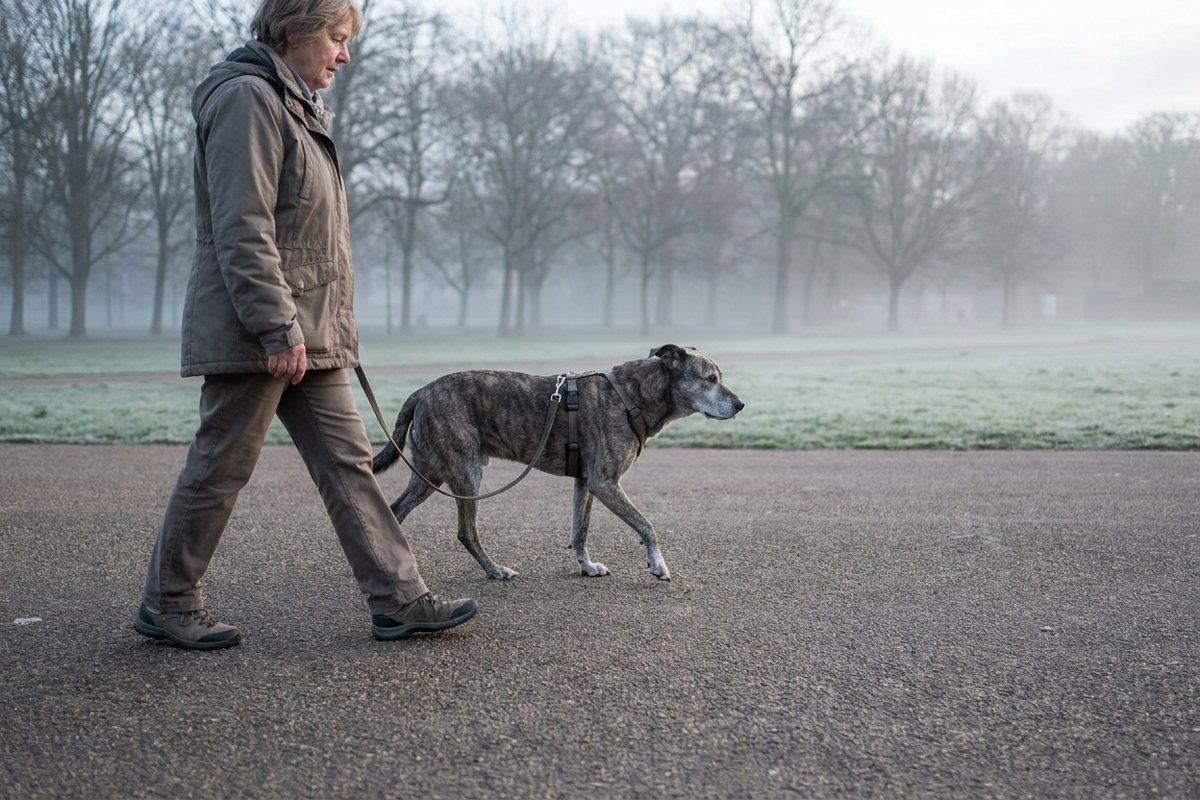
Sponsored by Galliprant® (Elanco). Vetstreet may earn a commission if you purchase through the links in this article.
Exercise for dogs with arthritis usually involves regular, controlled, low-impact movement that fits the individual dog. A comfortable routine can include much-loved activities, but the type and amount of exercise should be discussed with your veterinarian. The goal is an enjoyable day with manageable movement, not reaching a fixed distance or tiring your dog out.
Your dog’s routine may change over time. Knowing what to ask, what to observe, and when to pause can make those conversations with your veterinary team more useful. Start with a diagnosis and an agreed plan, then build your daily routine around it.
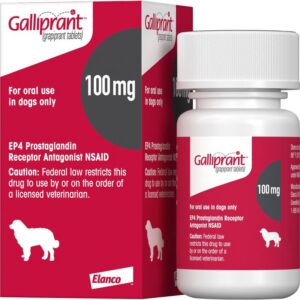
Pain control is part of a multimodal osteoarthritis plan. Ask your veterinarian whether Galliprant® (grapiprant tablets) is appropriate for your dog. Galliprant controls pain and inflammation associated with osteoarthritis in dogs.
Should you exercise a dog with arthritis?
For many dogs with osteoarthritis, appropriate exercise is part of the overall management plan. The American College of Veterinary Surgeons includes controlled activity, weight management and rehabilitation among the tools used to manage OA. Your veterinarian can explain which activities are suitable for the joints affected and your dog’s current condition.
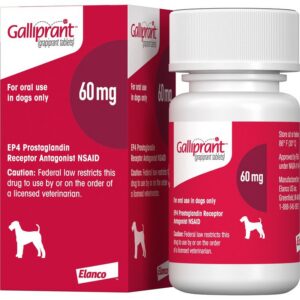
That makes “Is exercise good for dogs with arthritis?” an individual question as well as a general one. A dog with a stable routine may have different needs from a dog with new pain, an injury, or difficulty standing. Those situations should not share the same exercise instructions.
Key takeaway: Regular exercise should mean an individualized, low-impact routine with veterinarian guidance. More exercise is not automatically better, and an enthusiastic dog still needs an appropriate plan.
When discussing exercise for senior dogs with arthritis, include other health conditions, body condition, recent changes and the activities your dog enjoys. Exercise for older dogs should account for those details rather than age alone. Younger dogs with OA also need a plan that suits them.
Before starting, ask your veterinarian:
- Which activities are appropriate now?
- What starting duration and frequency should we use?
- Which changes mean we should stop or call?
- When should we review the plan together?
Write down the answers so everyone who walks or cares for your dog follows the same instructions.
Choose low-impact activities your dog can enjoy
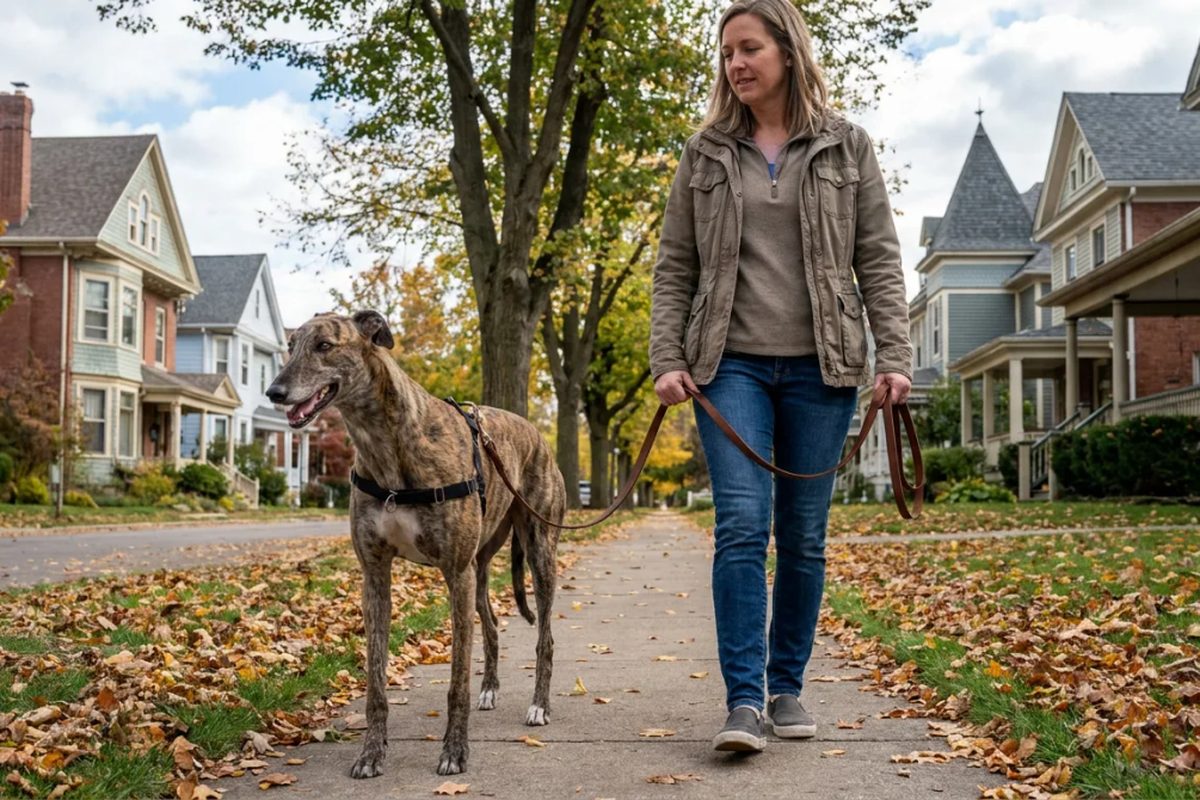
Low-impact exercise for dogs with arthritis often starts with controlled leash walking. The best exercise for a particular dog is one their veterinary team considers suitable and the household can manage consistently. The ACVS advises limiting high-impact running and jumping and using more controlled activities, such as leash walks, when appropriate.
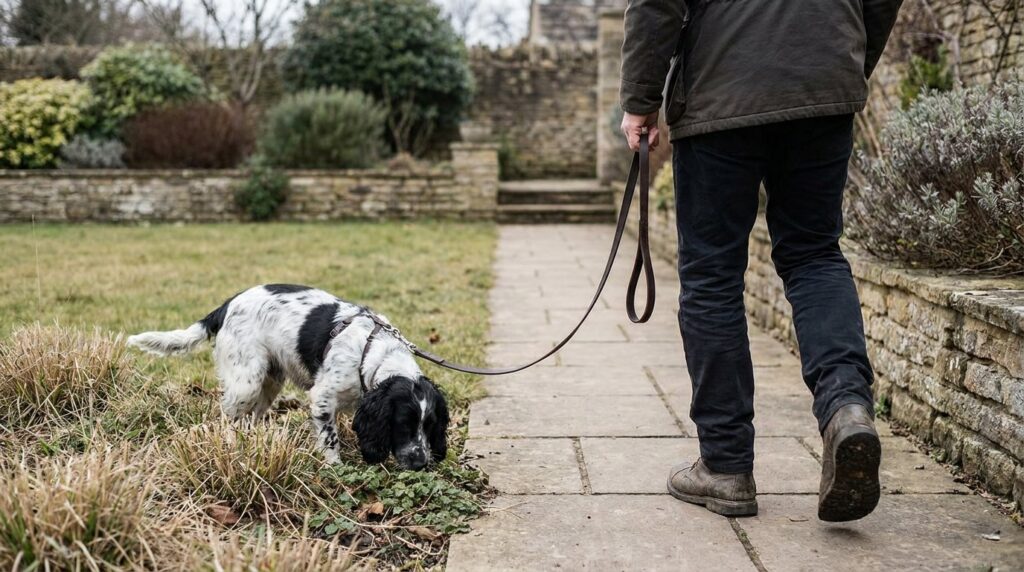
Think about the whole outing, including getting outside and returning home. A flat route with dependable footing may be easier to plan than a trail with steps, loose stones or obstacles. A familiar short loop also gives you places to turn back without committing to a distant destination. Discuss these practical choices with your veterinarian if you are unsure what your dog can manage.
Make a small list of what your dog likes about going out. It might be sniffing an interesting patch of grass or spending time beside you. Those details can help you discuss alternatives to activities involving repeated leaps, abrupt stops or fast turns.
Useful questions include:
- Can we choose a level route closer to home?
- Is there a quieter place without dogs rushing up to play?
- Can we avoid slippery entrances, stairs or steep banks?
- Would an appropriately fitted support harness help with access?
Walking aids for dogs with arthritis should fit both the dog and the task. Ask for help choosing and using support equipment. A harness or ramp does not establish how far a dog should walk or make an unsuitable activity appropriate.
How long to walk a dog with arthritis
There is no single walking duration that fits every dog with arthritis. Your veterinarian should set a starting point and explain how to respond if your dog’s comfort changes. International COAST treatment guidelines emphasize regularity, consistency and exercise adapted to the patient’s needs rather than providing one universal routine.
If you are wondering whether walking helps dogs with arthritis, remember that controlled walking is one part of a wider plan. Choosing how long to walk a dog with arthritis also depends on their current ability and response. A route’s surface, pace and terrain matter alongside the time spent outside.
Keep a simple observation record. Before the walk, note how your dog gets up and begins moving. During the walk, notice changes such as slowing down, stopping, limping or difficulty keeping up. After rest, record whether getting up or moving around seems different from usual. Share changes with your veterinarian rather than interpreting them as a diagnosis yourself.
| When to observe | What to record | Useful detail for the veterinary team |
|---|---|---|
| Before the walk | Getting up and moving around at home | Different from your dog’s usual movement? |
| During the walk | Pace, stops and any change in movement | Where in the route did the change begin? |
| After rest | Getting up again and settling comfortably | Any change later that day or the next morning? |
This record is a discussion aid, not a pain score or a prescription. You could use a notebook or your phone, whichever is easiest to keep consistent. AAHA’s senior care guidance also notes that videos of a pet moving in their usual environment can help the veterinary team assess changes.
Agree on who will record the walk and where the notes will live. Include the route and any change in the planned activity. That helps avoid a well-meaning second walk because another family member did not know the first one had already happened.
Home exercise and professional rehabilitation
Helping a dog with arthritis at home can include making their normal activity easier to manage. Keep everyday routes clear, provide secure footing where needed, and discuss suitable indoor activities with your veterinary team. Home exercise should fit the same agreed plan as outdoor walks.
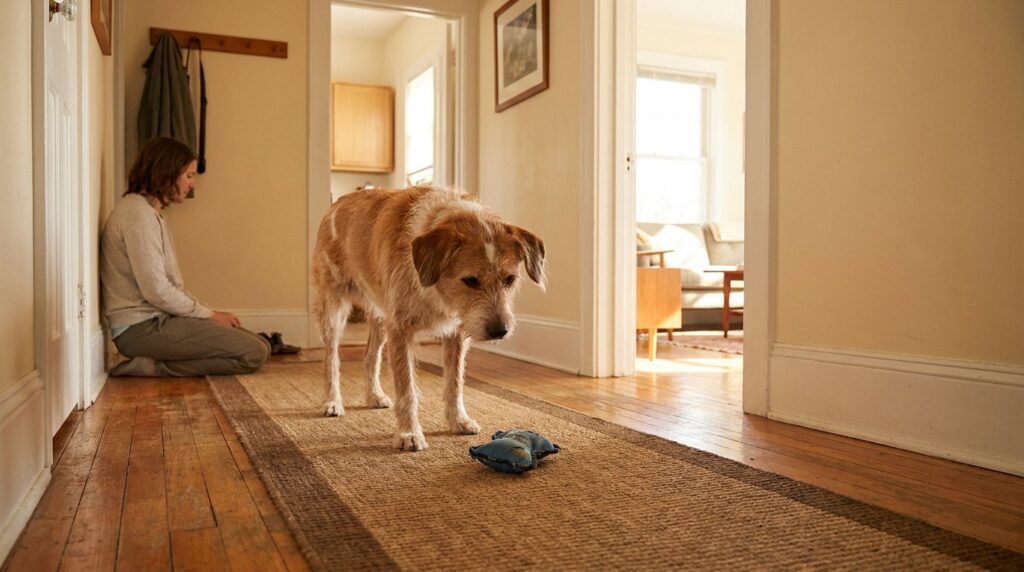
A quiet search for a familiar toy may give your dog something enjoyable to do without a game of high-speed fetch. Ask your veterinarian whether this suits your dog, and keep the object accessible. It should not require scrambling over furniture or repeated bending and turning that your dog finds difficult.
Specific therapeutic exercises require more guidance. If you search for dog physical therapy for arthritis or physiotherapy for dogs with arthritis, you will find routines that look simple on a screen. Their suitability depends on the dog, the goal and the way the exercise is performed. Do not assume an exercise is right because another dog can do it.
AAHA’s pain management guidelines describe therapeutic exercise as work directed toward particular goals. A trained rehabilitation professional can help create an appropriate program, including practical home options. Before trying strengthening, stretching or range-of-motion exercises at home, request:
- A demonstration for your own dog.
- Clear instructions about positioning and handling.
- The prescribed amount and frequency.
- Signs that mean the exercise should stop.
- A way to ask questions if you cannot reproduce the technique comfortably.
Bring up constraints such as space, stairs or difficulty lifting your dog. Those details help the team design something your household can actually use.
Swimming and hydrotherapy for dogs with arthritis
Hydrotherapy for dogs with arthritis may be part of a professional rehabilitation plan. Swimming and walking on an underwater treadmill are different activities, and neither should be treated as automatically suitable for every dog. Ask your veterinarian or rehabilitation professional which option, if any, fits your dog’s needs.
Water-based rehabilitation is among the approaches described by the ACVS. The choice should account for the dog’s health, physical ability and comfort in the setting. An organized rehabilitation session also gives the team a chance to guide the activity and review the dog’s response.
If you are exploring hydrotherapy for arthritic dogs, ask the provider to explain:
- How they assess whether the activity is appropriate.
- Who supervises the dog in the water.
- How the dog enters and exits safely.
- What support is available during the session.
- How they communicate progress or concerns to your veterinarian.
A pool or lake visit is not the same as a prescribed rehabilitation session. Entry and exit, footing and the dog’s ability to cope all need consideration. Do not put a reluctant dog into the water to complete an exercise goal.
Swimming also does not have to become part of every routine. If access, transport or your dog’s comfort makes it impractical, discuss other ways to meet the goals of the plan. The useful question is which activity fits this dog, not which option appears most impressive.
When to stop exercise and call your veterinarian
Stop the activity if your dog’s movement or comfort changes in a concerning way. Do not try to walk them through new pain, marked limping or an inability to continue. Contact your veterinarian for advice about what happens next and how to move your dog safely if assistance is needed.
If your dog with arthritis cannot walk, cannot stand or cannot bear weight, seek prompt veterinary help. Cornell’s emergency service lists non-weight-bearing lameness among reasons to seek emergency care. A senior dog that can’t walk needs assessment, even if arthritis has already been diagnosed. A new problem should not automatically be attributed to the existing condition.
Pause and call: An exercise routine is not a test your dog needs to finish. Stop exercise when difficulties arise and ask for veterinary guidance rather than adding distance, repetitions or home pain remedies.
There are several possible causes of joint pain and mobility changes. Your veterinarian can distinguish them and decide whether the management plan needs to change.
When calling, describe what changed, whether it started suddenly, and what your dog was doing at the time. Share any useful video you already have, but do not repeat a painful movement just to film it. Follow the clinic’s instructions about further activity.
Pain control belongs in the overall plan
What to do for dog arthritis pain is a conversation to have alongside the exercise plan. Tell your veterinarian if discomfort is making ordinary activities difficult, rather than relying on activity changes alone. Ask how the recommended approaches fit together and when the response should be reviewed.
If your dog has OA, managing their exercise, diet and weight combined with pain control can help them stay happy and mobile in the long run. This is called multimodal treatment.
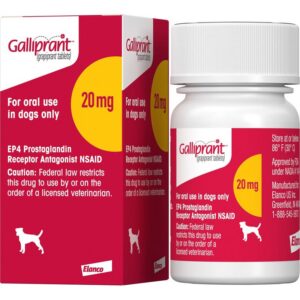
Your veterinarian can discuss whether a prescription treatment such as Galliprant® (grapiprant tablets) is appropriate for your dog. Galliprant controls pain and inflammation associated with osteoarthritis in dogs. Read the Important Safety Information below and follow your veterinarian’s instructions.
Galliprant’s role in the treatment plan
A once-a-day, flavored, chewable tablet, Galliprant could fit into your dog’s daily routine.
Monitoring is recommended if used long-term. As a class, NSAIDs may be associated with gastrointestinal, kidney and liver side effects. See the Important Safety Information below.
- Is the current activity plan still appropriate?
- Which changes should we report between appointments?
- What monitoring does the prescribed treatment require?
- When will we reassess comfort and daily activities?
Do not increase, stop or combine medication on your own because a walk went well or badly. The exercise observation record helps inform a conversation; it does not replace veterinary decisions about treatment.
Related arthritis guides from our sister sites: How Is Arthritis Diagnosed in Dogs? What to Expect at the Vet (WebVet), Stages of Arthritis in Dogs: How Care Changes Over Time (WebVet), Dog Won’t Jump Up? Causes and When to See Your Vet (Petful) and Dog Arthritis and Cold Weather: A Guide to Winter Comfort (Petful).
Questions about your dog’s exercise routine
Ask your veterinarian which treatment is appropriate for your senior dog’s arthritis pain. Tell them about every medication and supplement your dog receives and any pre-existing conditions. The right choice requires more than knowing a dog’s age. If Galliprant is prescribed, follow the instructions and recommended monitoring, and contact your veterinarian about possible side effects. Do not add another pain medicine yourself.
If your dog appears painful, stop exercise and contact your veterinarian rather than trying to obtain immediate pain relief from a natural remedy. “Natural” does not establish that a product is appropriate or safe with prescribed medication. Keep your dog in a comfortable, accessible place while you obtain advice. If they cannot stand or walk, seek prompt veterinary help instead of waiting to see whether a remedy works.
One good day does not establish that your dog is ready for a longer walk. Stay with the agreed plan and note the improvement alongside how your dog moves after rest. Ask your veterinary team when and how activity should change. That allows the next step to reflect the dog’s response over time rather than enthusiasm during a single outing.
Indication:
Galliprant controls pain and inflammation associated with osteoarthritis in dogs.
Important Safety Information
For use in dogs only. Keep this and all medications out of reach of children and pets to prevent accidental ingestion or overdose. Galliprant is a non-COX inhibiting NSAID. As a class, NSAIDs may be associated with gastrointestinal, kidney and liver side effects. Evaluation for pre-existing conditions and regular monitoring are recommended. Do not use in dogs that have a hypersensitivity to grapiprant. Concomitant use of Galliprant with other NSAIDs or corticosteroids should be avoided. Concurrent use with other anti-inflammatory drugs or protein-bound drugs including cardiac, anticonvulsant and behavioral medications has not been studied. The safe use of Galliprant has not been evaluated in dogs younger than 9 months of age and less than 8 lbs., dogs used for breeding, pregnant or nursing dogs, or dogs with cardiac disease. Side effects associated with Galliprant may include diarrhea, soft mucoid stools, vomiting, and decreased appetite. Contact your veterinarian immediately if you think your dog may have a medical problem or side effect while on Galliprant. Visit http://elancolabels.com/us/galliprant for full prescribing information.
Approved brand reference
Elanco Galliprant Pet Owner Brochure, PM-US-25-0717(2), supplied 2026 approved version, pages 2–3. Brand indication and Important Safety Information follow this supplied document. Other clinical sources are linked where discussed.