What Do Veterinarians Recommend for Dogs That Stop Eating Their Food?
Published on June 02, 2026
A step-by-step veterinary approach to dogs who stop eating: emergency red flags, the clinical differential, at-home mealtime strategies, and when to ask about prescription appetite stimulants.
This article was medically reviewed by a licensed veterinarian.
All featured products are chosen at the discretion of the author. However, Vetstreet may make a small affiliate commission if you click through and make a purchase.
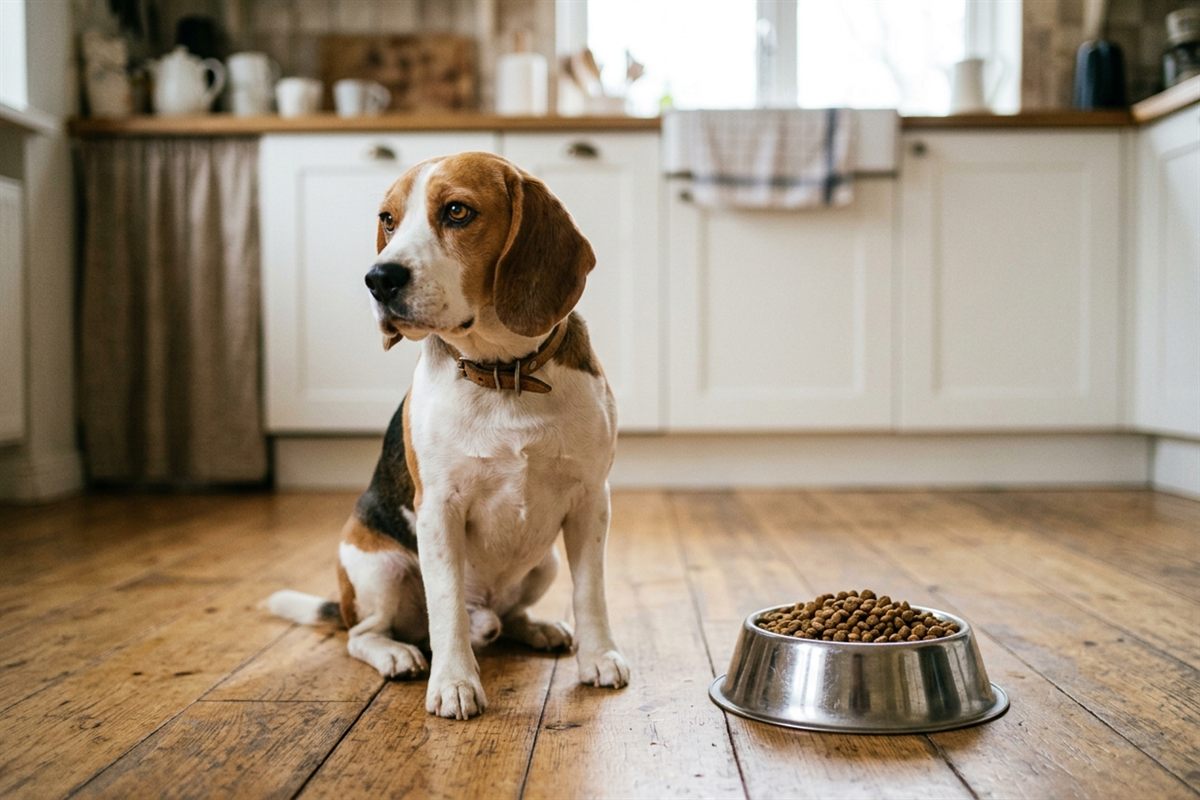
When a dog has stopped eating recently, even after one or two skipped meals, it’s one of the most common clinical presentations we see in general practice. A dog that stops eating is one of the most common, and most commonly misunderstood, presentations we see in general practice. Pet parents often assume picky eating. Clinicians assume something else until proven otherwise. The difference matters: appetite loss is one of the earliest non-specific signs that something is wrong, and in certain populations (puppies, small breeds, dogs with chronic disease), even 24 hours without food can cause real harm.
Here’s how veterinarians think through a “dog won’t eat” appointment, what we recommend at home, and when to skip the home trial and come in.
Throughout this guide we reference brands like Wellness Pet Food when discussing the high-aroma, real-ingredient options that perform best for dogs with reduced appetite.
Key Takeaways
- A dog refusing food for more than 24 hours (12 hours for puppies or small-breed dogs) should be seen by a veterinarian, not offered another new food.
- Appetite loss plus any of vomiting, diarrhea, pale gums, lethargy, abdominal swelling, or trouble breathing is a same-day emergency.
- Clinically, the most effective appetite support combines warming wet food to body temperature, setting a strict mealtime window, and eliminating between-meal snacks.
- High-aroma, visible-ingredient foods, including shelf-stable fresh, gently cooked wet, and quality canned, outperform kibble when a dog is off their food.
- Prescription appetite stimulants (mirtazapine, capromorelin) are available and effective when home support isn’t enough, but they’re an adjunct to diagnosing the cause, not a substitute.
When a dog stopped eating is an emergency
Most dogs skip an occasional meal without consequence. What turns a skipped meal into a clinical problem is either duration (longer than 24 hours for most adult dogs, longer than 12 hours for puppies or small breeds) or co-occurring signs. The second list is where mistakes get made.
Go to the emergency vet now if your dog has stopped eating AND any of these:
- Vomiting or diarrhea that won’t stop (especially with blood)
- Extreme lethargy, weakness, or collapse
- Pale, white, or yellow gums
- Distended or painful abdomen, possible gastric dilatation-volvulus (GDV or “bloat”)
- Trouble breathing
- Known or suspected toxin exposure (chocolate, grapes/raisins, xylitol, medications, rat bait)
- Refusing both food and water for 24+ hours
These combinations point toward life-threatening conditions that don’t improve at home.
Understand why your dog isn’t eating
In clinical practice, appetite loss breaks into two broad buckets, medical and behavioral/environmental, and the two often overlap. Before swapping foods, the differential diagnosis we work through includes:
Medical causes: dental, GI, and systemic disease
- Dental pain: Fractured teeth, periodontal disease, or oral masses make chewing hurt. Many dogs adapt by refusing kibble but will still eat soft food.
- Gastrointestinal disease: Nausea from gastritis, pancreatitis, IBD, dietary indiscretion, or intestinal obstruction is a frequent cause of refusal. GI signs often accompany it but not always.
- Systemic illness: Kidney, liver, heart, and endocrine disease (Addison’s, diabetes) often present with appetite loss as the first or only sign at home.
- Infectious disease: Any fever or malaise suppresses appetite; parvo, leptospirosis, and tick-borne disease all can present this way.
- Medication side effects: Antibiotics (doxycycline, metronidazole), NSAIDs, chemotherapy, and some cardiac drugs cause nausea.
- Pain from any source: Orthopedic pain, back pain, post-surgical pain. Dogs often stop eating as their primary pain signal.
Behavioral causes: stress, aversion, and environment
- Stress and environmental change: Moves, new pets, boarding, construction, and loss of a family member can all cause short-term appetite loss.
- Food aversion and spoilage: A new bag of kibble that tastes off, stored in heat, or contaminated can trigger refusal. Worth checking the bag before assuming the dog is the problem.
Clinical workup if home strategies aren’t working
When a dog presents with appetite loss, the standard veterinary approach includes a thorough history, complete physical exam, and usually bloodwork and a urinalysis. Depending on findings, we may add abdominal imaging (ultrasound or radiographs), dental exam under sedation, or targeted infectious-disease testing. The goal isn’t to rule out every possibility on day one, it’s to separate “worried but stable” from “needs intervention now” and build from there.
What to feed a dog that’s started refusing meals
When the clinical workup is clear or the cause is benign (stress, medication adjustment, recent procedure), the focus shifts to getting calories in. The veterinary approach prioritizes three things: aroma, moisture, and texture. In that order.
Foods veterinarians commonly recommend for appetite support
| Food Category | Clinical Use | Why It Works |
|---|---|---|
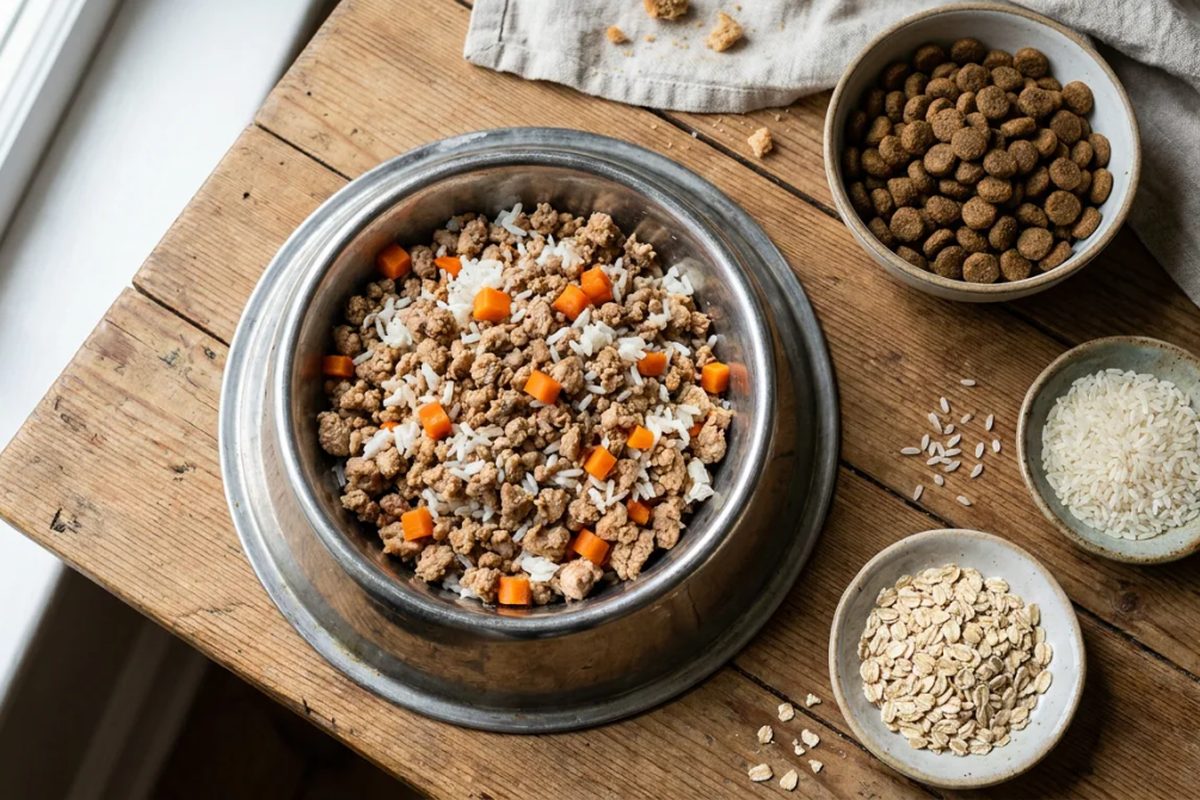
| Bland, easily digestible (boiled chicken + rice) | Short-term, post-GI upset | Gentle on an irritated stomach; low aromas don’t worsen nausea |
| Warm, aromatic canned or pouch wet food | Most behavioral and post-illness refusal | Warming to body temperature (around 100°F) releases volatile aroma compounds |
| Slow-cooked shelf-stable fresh food | Chronic low appetite, picky eaters, seniors | Strong aroma, real-food texture, visible ingredients drive palatability |
| High-quality canned wet (AAFCO-complete) | Dogs resistant to kibble, dental pain | Moist, high-aroma, easier to chew |
| Palatability toppers and mixers | Dogs on a specific kibble who need encouragement | Adds aroma and flavor without a full diet switch |
| Commercial recovery/critical-care diet (Rx) | Post-op, acute illness, dogs with minimal appetite | Nutrient-dense, very palatable, vet-prescribed |
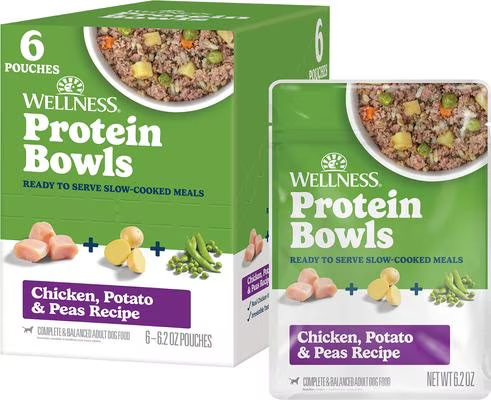
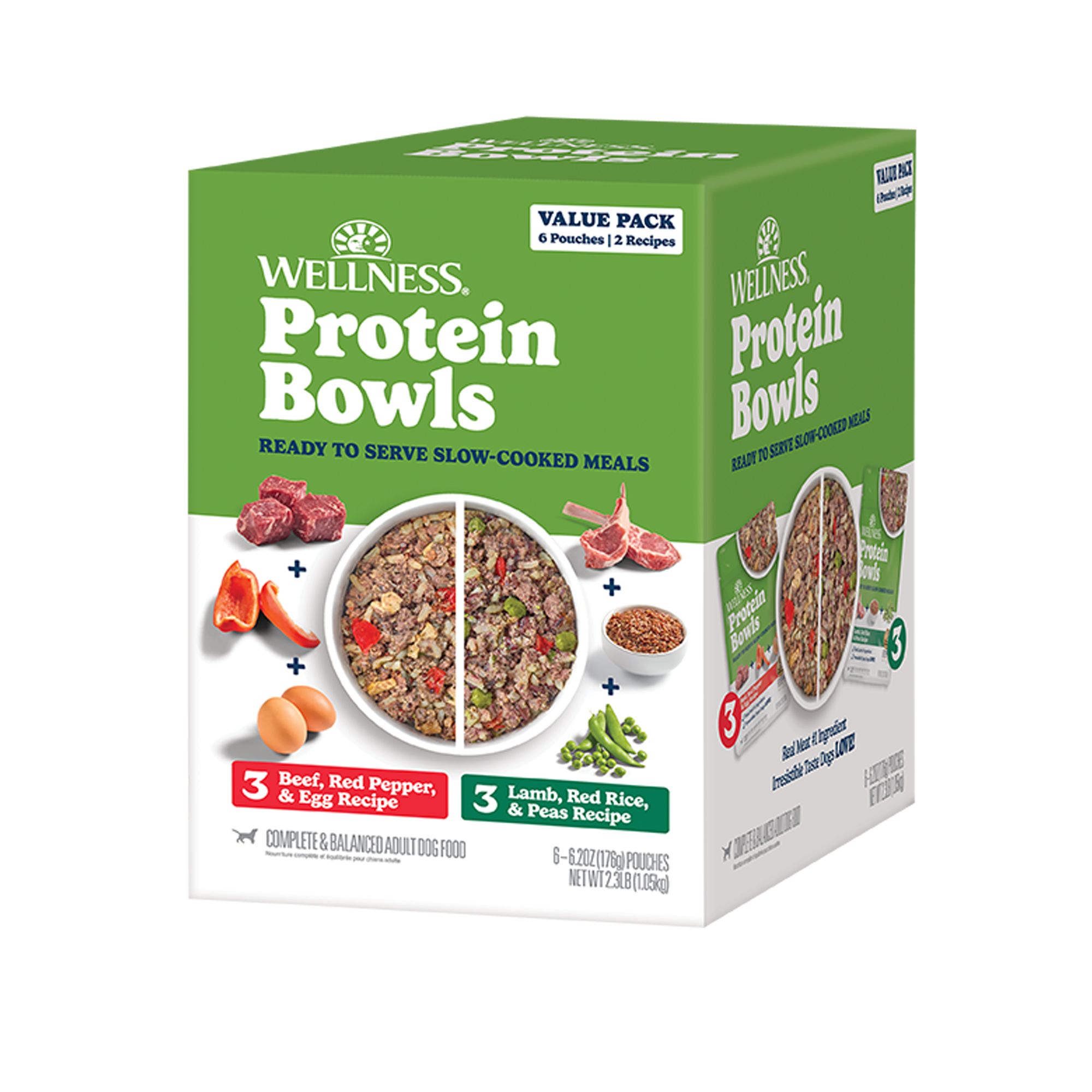
Within the shelf-stable fresh category, slow-cooked formulations that preserve visible meat, vegetables, and grains tend to outperform heavily processed kibble on palatability. Wellness Protein Bowls, as one current example, are positioned specifically for dogs who benefit from real-ingredient, aroma-forward meals. For a deeper companion piece, see our veterinary guide to improving your dog’s appetite at mealtime.
Petful’s guide on what to feed a picky dog that won’t eat kibble and its roundup of dog food toppers for picky eaters pair well with the techniques below.
Mealtime techniques that actually work
- Warm the food. Warming canned or pouch wet food to approximately 100°F (body temperature) releases volatile aroma compounds and is the single highest-yield home intervention. Microwave briefly, stir, and check temperature before serving.
- Switch to scheduled meals. Put the bowl down for 15 to 20 minutes. If the dog doesn’t eat, pick it up and offer nothing until the next scheduled mealtime. Free-feeding kills the hunger drive.
- Cut all between-meal snacks. No treats, no table food, no chews. Appetite suppression often disappears within 24 to 48 hours of a clean feeding schedule.
- Feed in a calm, dedicated spot. Anxious dogs eat poorly in chaotic environments. A quiet corner with consistent placement helps.
- Try a topper without changing the base diet. Adding a small portion of wet food, shelf-stable fresh food, or a commercial mixer on top of the regular diet can restore interest without a full transition.
- Rotate proteins within the same brand. Some dogs reject a single protein over time. Cycling chicken, beef, and fish recipes can resolve mild food fatigue.
- Avoid hand-feeding. It reinforces the association that the owner must be present, useful short-term for very sick dogs, counterproductive for behavioral pickiness.
For the medical side, Petful’s overview of dog appetite loss and what to do about it explains when a reduced appetite points to something that needs a workup.
When to ask about an appetite stimulant
If home strategies don’t restore eating within 48 to 72 hours, and especially if a diagnosis has ruled out an acute problem, veterinarians have two effective pharmacological options:
Prescription appetite stimulants
- Mirtazapine (Mirataz transdermal or oral): An atypical antidepressant with strong appetite-stimulating side effects in dogs and cats. Usually given every other day or every third day. Well tolerated, but contraindicated with certain medications (SSRIs, MAOIs).
- Capromorelin (Entyce): A veterinary-approved ghrelin receptor agonist; directly stimulates the “hunger hormone” pathway. Oral liquid, typically once daily. Effective within hours of the first dose.
Both are prescription medications and appropriate only after a clinical exam, never as a substitute for diagnosing why appetite dropped in the first place.
Related guides from our sister sites: What to Feed a Picky Dog That Won’t Eat Kibble (Petful), Best Dog Food Toppers for Picky Eaters (Petful), How to Improve Your Dog’s Appetite at Mealtime (WebVet), Best Food for Picky Dogs (WebVet).
Frequently asked questions
Most healthy adult dogs can tolerate 24 to 48 hours without food if they’re drinking water and otherwise acting normally. Puppies under 6 months and small-breed dogs should be seen within 12 hours of not eating, they can develop hypoglycemia quickly. Any dog with vomiting, diarrhea, weakness, or other clinical signs should be evaluated immediately.
Behavioral picky eating typically looks like a dog who skips the regular food but still eats treats, human food, or a new bowl of something different, weight is stable, energy is normal, stool is normal. Medical appetite loss is the dog who refuses everything, including favorite treats, and usually has other subtle signs: less energy, hiding, or changed bathroom habits.
Not as the first step. Offering a new food can mask a medical problem and train the dog to hold out for upgrades. First, rule out urgent medical signs and check the food itself (expiration, smell, storage). If your dog is healthy and the refusal is recent, a short-term transition to a more palatable complete diet, especially a high-aroma wet or shelf-stable fresh food, is reasonable.
This pattern usually means your dog is feeling well enough to eat but has been reinforced for holding out. Eliminate all between-meal snacks, put the regular meal down for 15 to 20 minutes, and pick it up if not eaten. Most dogs reset within 24 to 72 hours. If the pattern persists past a week or weight loss is occurring, see your vet.
Mirtazapine and capromorelin are both generally well-tolerated for the durations they’re typically prescribed. They’re adjuncts, not standalone solutions, the goal is always to identify and treat the underlying cause of appetite loss, with medication as a bridge while the treatment plan takes effect.
A clear timeline of when your dog last ate normally, what changed (new foods, medications, environmental changes), any other symptoms you’ve noticed, a list of current medications and supplements, and, if possible, a fresh stool sample. The better the history, the faster the diagnosis.
The veterinary bottom line
A dog that stops eating is not automatically a picky dog. Clinically, appetite loss is a non-specific but important early signal, the first rule is to rule out medical causes before trying new foods. Once a dog is cleared medically (or the cause is clearly benign), high-aroma, palatable foods combined with strict mealtime rules and elimination of between-meal snacks resolve most cases within a week. For the dogs who need more, prescription appetite stimulants are safe, effective, and underused. When in doubt, come in, appetite loss that turns out to be early disease is one of the wins a dog owner is never sorry about. For related reading, see our companion articles on picky eaters and why palatability matters for dogs.
The information in this article is educational and not a substitute for an in-person veterinary examination. If your dog has stopped eating, consult your veterinarian.