Inflammatory Bowel Disease (IBD) in Cats: Symptoms, Diet, and Treatment Options
Published on July 23, 2026
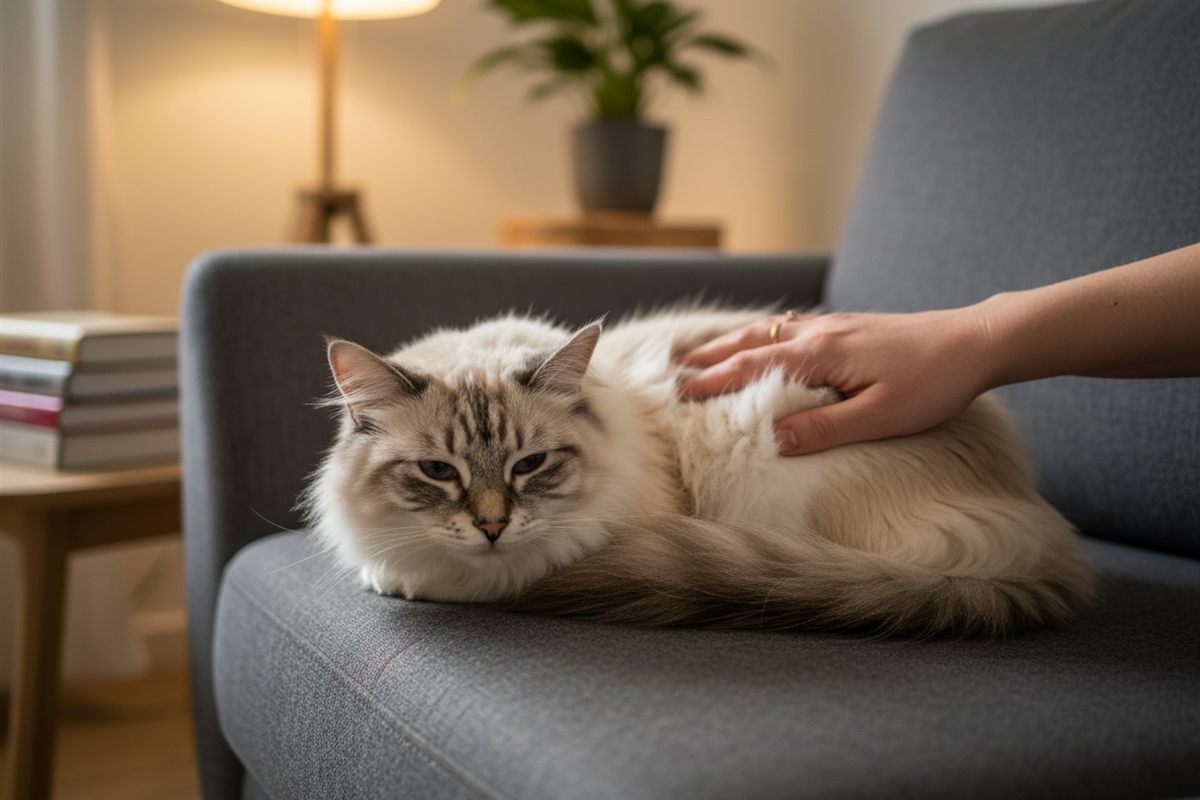
IBD in cats is a group of chronic intestinal disorders involving inflammation in the gastrointestinal tract. Cats may vomit, have diarrhea, lose weight, or eat less, but those signs overlap with many other conditions. A careful workup is essential because treatment should address the actual diagnosis, not symptoms alone.
This article is sponsored by Animal Biome. All veterinary information has been reviewed by the Vetstreet editorial team for accuracy. Vetstreet receives compensation from Animal Biome for this content; opinions and clinical guidance are our own.
All featured products are chosen at the discretion of the author. However, Vetstreet may make a small affiliate commission if you click through and make a purchase.
Key Takeaway: IBD is manageable for many cats, but diagnosis and treatment usually require patience, a structured plan, and regular reassessment with the veterinarian.
Persistent vomiting, diarrhea, weight loss, or appetite change deserves a veterinary workup.
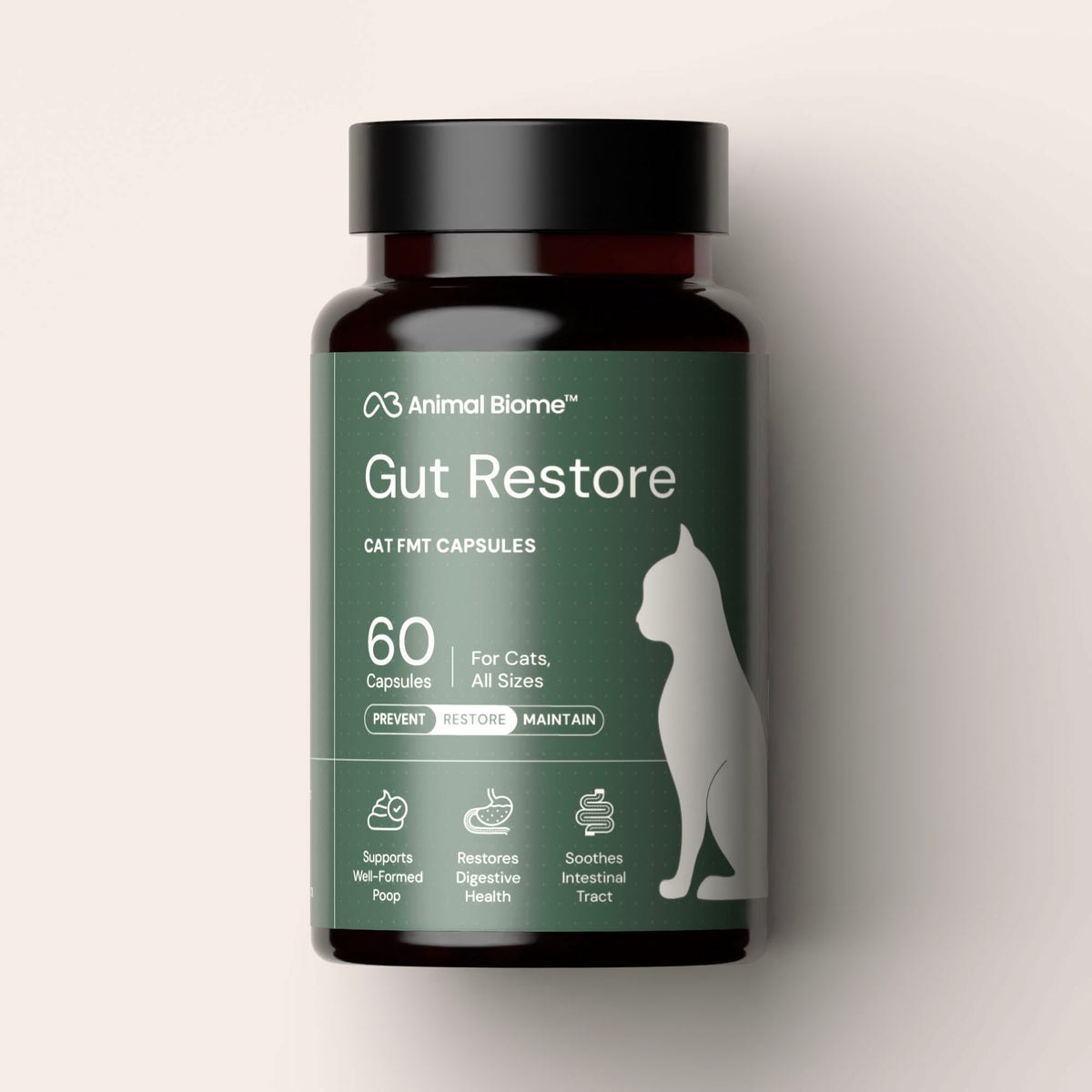
Animal Biome focuses on measuring and restoring the companion-animal gut microbiome. For cats with recurring digestive disease, its Gut Microbiome Test for Cats can add bacterial context, while Gut Restore for Cats provides a broad community of screened cat-specific microbes intended for broader restoration alongside veterinary care.
What IBD means in cats
Inflammatory bowel disease describes inflammation documented within the wall of the stomach or intestine. The name changes with location. Inflammation of the stomach is gastritis, inflammation of the small intestine is enteritis, and inflammation of the colon is colitis. A cat can have more than one region affected, which helps explain why signs vary.
Veterinarians also use the broader term chronic enteropathy for cats with persistent gastrointestinal signs. That umbrella can include food-responsive disease, inflammatory disease, and intestinal lymphoma. A review of feline chronic enteropathy explains why these conditions can be difficult to separate in practice. The overlap is one reason a response to food or medication should not be treated as proof of a particular diagnosis.
IBD is not the same as irritable bowel syndrome. IBD involves intestinal inflammation, while irritable bowel syndrome is a functional disorder and is less commonly diagnosed in cats. Owners should also avoid assuming that chronic vomiting is normal hairball behavior. Repeated vomiting, even when a cat seems well between episodes, belongs in the medical history.
The most useful first step is to describe the pattern accurately: when the signs began, whether they are continuous or intermittent, what the cat eats, which treatments have been tried, and whether weight or muscle has changed. That timeline helps the veterinarian decide what to rule out before assigning the IBD label.
Symptoms of IBD in cats
Symptoms vary with the part of the digestive tract affected and the severity of inflammation. Common signs include:
- Chronic or intermittent vomiting
- Diarrhea, soft stool, mucus, or blood
- Reduced appetite or food aversion
- Weight loss and loss of muscle
- Lethargy or reduced grooming
- Abdominal discomfort
Some cats have only one prominent sign. A cat that vomits regularly but has normal stool may still have intestinal disease. Conversely, diarrhea can reflect parasites, infection, dietary intolerance, pancreatic disease, thyroid disease, cancer, or another problem.
Contact the veterinarian promptly if a cat stops eating, cannot keep water down, is weak or painful, passes black stool, or has repeated blood in vomit or stool. Kittens, seniors, and cats with another disease can become unstable more quickly.
The location of inflammation can influence the pattern, although signs still overlap. Small-intestinal disease is more often associated with weight loss, vomiting, larger-volume diarrhea, or nutrient problems. Large-intestinal disease may produce frequent smaller stools, mucus, urgency, or fresh red blood. These patterns guide questions, but they do not diagnose IBD.
Track more than stool. Cats may show nausea by lip licking, drooling, approaching food and walking away, or becoming unusually selective. Reduced grooming, hiding, a hunched posture, and less social interaction can indicate discomfort. Weekly weight checks are valuable because gradual loss can be easy to miss under a cat’s coat.
| Observation | What to record | Why it helps |
|---|---|---|
| Vomiting | Time, appearance, relation to meals, hair or foreign material | Separates a pattern from an isolated event |
| Stool | Frequency, consistency, mucus, fresh blood, black color | Helps distinguish severity and possible intestinal location |
| Nutrition | Food, treats, appetite, supplements, flavored medication | Shows whether a diet trial is truly controlled |
| Body condition | Weight, muscle over the spine and hips, activity | Identifies nutritional impact and response over time |
Why IBD develops and where the microbiome fits
There is rarely one proven trigger. Current thinking involves interactions among the cat’s immune response, genetics, diet, intestinal barrier, and microorganisms. Parasites, infection, food reaction, pancreatic or liver disease, hyperthyroidism, and cancer can resemble or contribute to the same signs, so a broad workup comes before a simple explanation.
Research has found microbiome differences in cats with chronic enteropathy. One study reported lower microbial diversity and different short-chain fatty acid patterns in affected cats, while another found a higher feline dysbiosis index and lower abundance of several bacterial groups. These associations are useful, but they do not establish whether dysbiosis caused the inflammation, resulted from it, or reflects diet and medication.
This distinction protects the cat from an either-or plan. Veterinary diagnosis and microbiome support do not need to compete. The workup identifies urgent, structural, nutritional, infectious, and cancer-related concerns. Microbiome information can then add another layer to a coordinated plan without being asked to answer questions it cannot answer alone.
How IBD is diagnosed
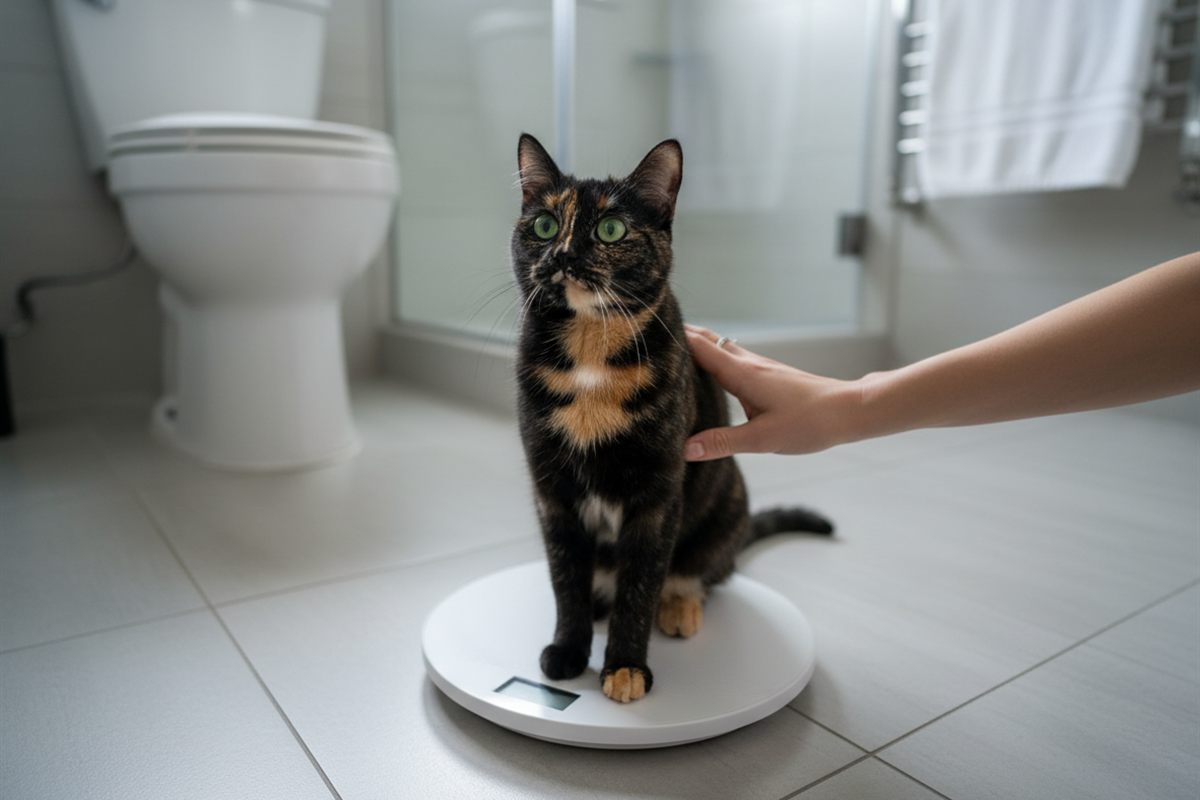
The veterinarian begins with history, physical examination, weight trend, diet, medication, and parasite risk. Testing may include fecal analysis, blood and urine tests, cobalamin and folate, pancreatic tests, and abdominal imaging.
According to the Cornell Feline Health Center, intestinal biopsy is the definitive way to diagnose IBD. Biopsy can also help distinguish inflammatory disease from intestinal lymphoma, which may produce similar signs. The veterinarian may recommend endoscopy or surgery depending on the location and diagnostic need.
A stepwise diagnostic roadmap
Microbiome profiling may add bacterial context after immediate diagnostic priorities have been addressed.
The order of tests depends on the cat’s stability, age, examination, and history. A veterinarian may move quickly to imaging or referral when weight loss is substantial, the intestine feels abnormal, blood work is concerning, or the cat is not responding to initial care.
| Step | What it may include | Question it helps answer |
|---|---|---|
| Establish the pattern | History, examination, weight and muscle trend | Is the problem acute, chronic, progressive, or intermittent? |
| Rule out common mimics | Fecal testing, parasite treatment when appropriate, blood and urine tests | Could infection, parasites, metabolic disease, or another organ be involved? |
| Assess digestion and absorption | Cobalamin, folate, pancreatic testing and related laboratory work | Is the cat absorbing nutrients or showing concurrent pancreatic disease? |
| Look at structure | Abdominal ultrasound or other imaging | Is there intestinal thickening, altered layering, enlarged lymph nodes, or another abnormality? |
| Test food response | Strict hydrolyzed or novel-protein trial when appropriate | Do signs improve when dietary antigens and variables are controlled? |
| Examine tissue | Endoscopic or surgical biopsy with pathology | What cells and tissue changes are present, and is lymphoma a concern? |
Endoscopy is less invasive than abdominal surgery and can collect samples from areas the scope can reach. Surgery can provide full-thickness samples and may allow the veterinarian to biopsy other organs, but it is more invasive. Neither choice is automatically right for every cat. Sample location, number, quality, anesthesia risk, and the clinical question all matter.
Do not let an unremarkable basic test end the conversation when signs persist. Blood work can be normal in a cat with significant intestinal disease. Conversely, an ultrasound finding such as intestinal thickening does not by itself distinguish IBD from lymphoma. The value comes from interpreting the history, tests, imaging, response, and tissue findings together.
Diet for cats with IBD
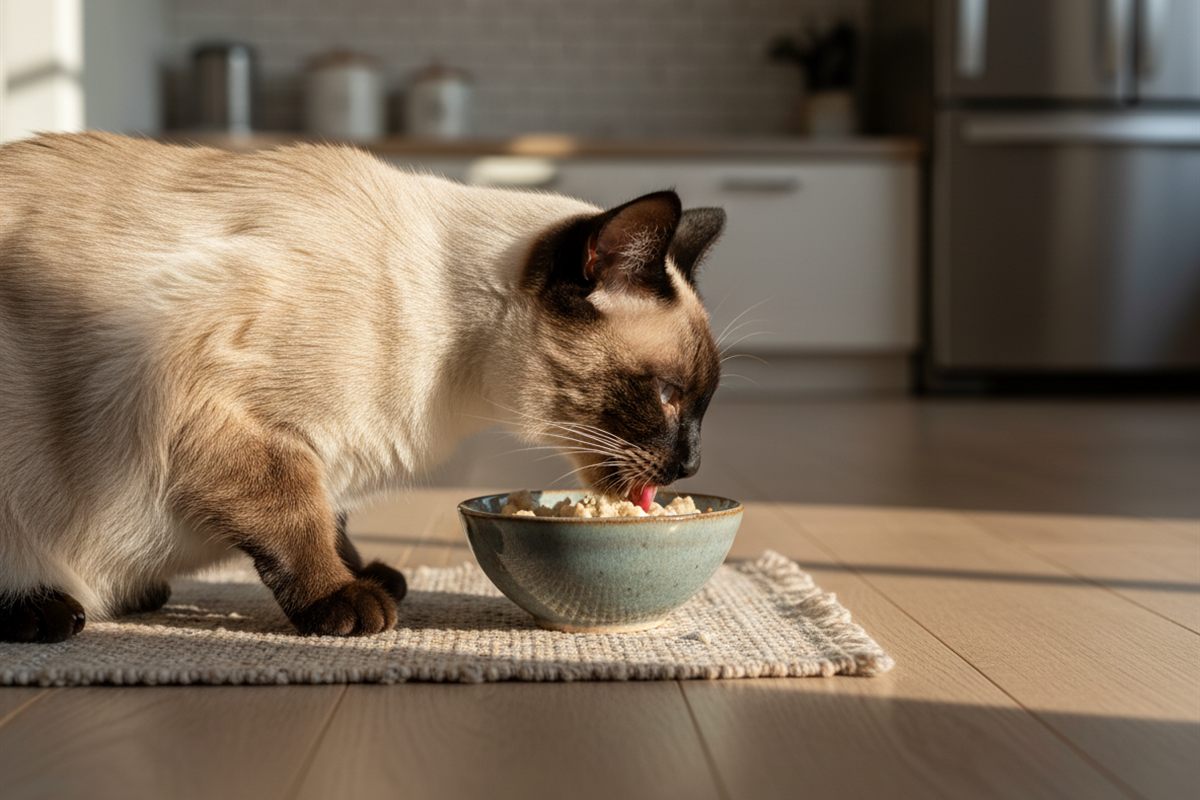
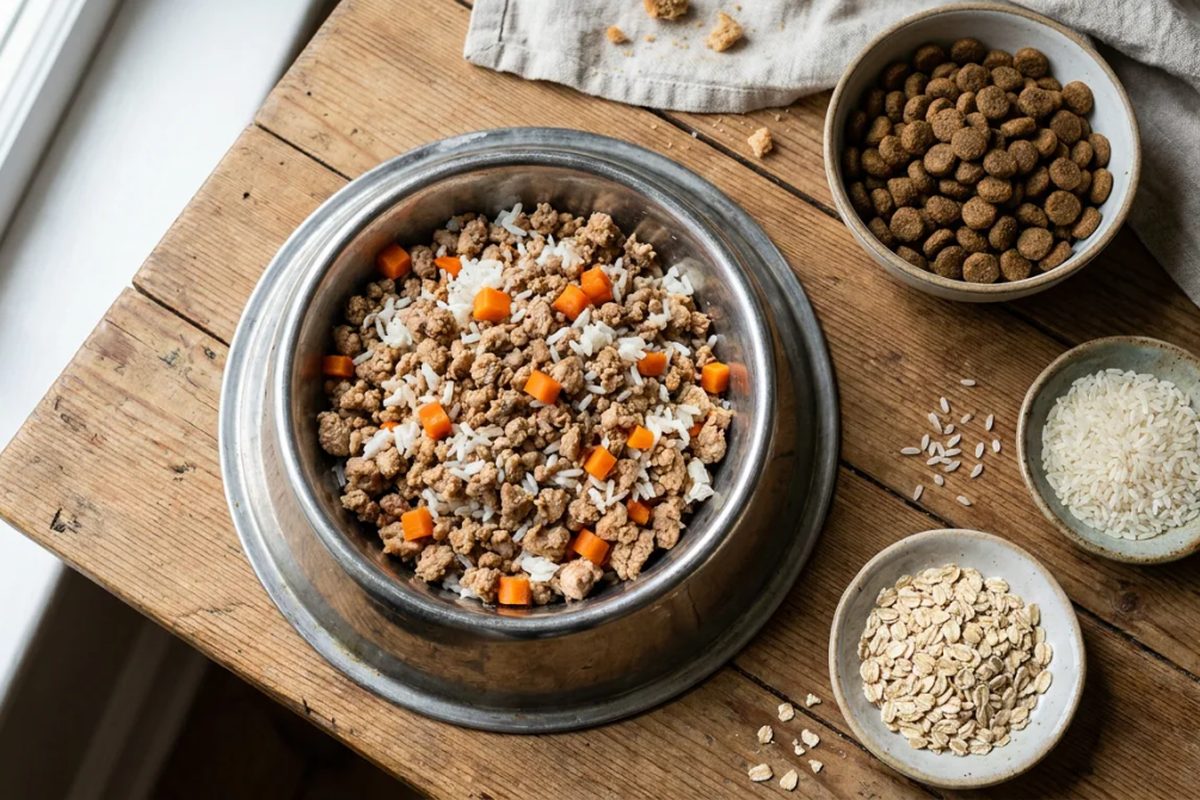
Dietary management is often central. The veterinarian may choose a hydrolyzed-protein diet, a novel-protein diet, or another therapeutic food based on the history. A true diet trial must be strict enough and long enough to interpret. Treats, flavored medication, table food, and another pet’s food can interfere.
There is no single best food for every cat with IBD. Some cats benefit from adjustments in digestibility, fat, or fiber. Others need cobalamin supplementation or support for another diagnosed problem. Change one element at a time and record vomiting, stool, appetite, and weight.
How to make a diet trial interpretable
A therapeutic diet trial is a diagnostic tool as well as a treatment strategy. The veterinarian may select a hydrolyzed diet, in which proteins are broken into smaller components, or a novel-protein diet based on what the cat has eaten before. The selected food must also be nutritionally appropriate for that cat.
The trial is only as reliable as its consistency. Every flavored medication, dental product, treat, table scrap, and stolen bite from another pet can introduce a variable. Ask the veterinarian what is allowed before the trial begins and what duration is needed. Some cats improve earlier, but VCA’s current IBD guidance notes that a true food trial may be continued for 8 to 12 weeks.
Make changes safely. Cats should not be allowed to go without adequate food in an attempt to force acceptance of a new diet. Report refusal promptly so the clinic can adjust the transition or select another option. A home-prepared elimination diet should be used only under veterinary direction because a limited recipe may not be complete and balanced for long-term feeding.
Use the same weekly measures throughout the trial: body weight, appetite, vomiting frequency, stool score, stool frequency, and medication. If the cat improves, the veterinarian can decide how to confirm and maintain the response. If the cat does not, the log helps distinguish true nonresponse from incomplete adherence or another change.
Treatment options
Treatment may combine diet, anti-inflammatory or immunosuppressive medication, cobalamin, nausea control, appetite support, and other care. The exact medication and monitoring schedule belong to the veterinarian.
Improvement should be measured. Ask what should change first, what side effects to watch for, and when blood work or imaging should be repeated. If the cat does not respond as expected, the diagnosis, diet adherence, dose, concurrent disease, or need for biopsy may need reassessment.
Quick reference
| Part of the plan | What to track | Recheck question |
|---|---|---|
| Diet trial | Every food exposure, stool, vomiting | Has the trial been strict and long enough? |
| Medication | Dose, timing, appetite, energy | Is the response adequate and are side effects controlled? |
| Nutrition | Weight, muscle, cobalamin status | Is the cat absorbing and maintaining nutrients? |
| Microbiome support | Product, start date, measurable goal | Is it complementing the medical plan? |
Treatment roles should be kept clear. Anti-nausea medicine and appetite support may help a cat eat while the larger plan takes effect. Cobalamin is supplemented when deficiency or poor absorption is a concern. Anti-inflammatory or immunosuppressive medication addresses the inflammatory process and requires veterinary monitoring. Parasite treatment, antibiotics, or other drugs are used only when the veterinarian finds an appropriate reason.
Do not change or taper a prescribed medication without instructions. A cat can look better before intestinal inflammation is fully controlled, and abrupt changes may cause a flare or other harm. Ask for written directions that identify the medication goal, expected early response, common adverse effects, laboratory monitoring, and what to do if a dose is missed.
A treatment review checklist
- Is the cat eating enough and maintaining weight?
- Are vomiting and stool changes improving in frequency as well as severity?
- Has cobalamin or another nutritional deficiency been addressed?
- Is the diet trial still strict and acceptable to the cat?
- Are medication side effects being checked at the planned interval?
- Is there a clear point for referral, imaging, or biopsy if progress stalls?
How Animal Biome’s Gut Restore may support the plan
Research connects chronic intestinal disease with changes in the gut microbiome, but dysbiosis does not replace the IBD diagnosis. It may be part of the disease process, a consequence of inflammation, or influenced by diet and medication.
Animal Biome’s Gut Restore for Cats contains screened feline donor material in delayed-release capsules. Animal Biome positions it for cats with moderate to severe or recurring digestive issues. The manufacturer reports improvement in many customer cases, but an individual cat’s response cannot be guaranteed.
Broad microbiome restoration may complement, but not replace, diagnosis, diet, and prescribed treatment for feline IBD.
Discuss Gut Restore with the veterinarian overseeing the IBD plan. The conversation should include the cat’s biopsy status, medication, immune health, diet, and expected outcome. Avoid starting several supplements during a diet trial because the result becomes difficult to interpret.
Animal Biome describes Gut Restore for Cats as an oral fecal microbiota transplant product containing cryoprotected, freeze-dried material from screened feline donors. Donors are evaluated for health and microbiome composition, and donor material is repeatedly screened for selected pathogens and parasites. The delayed-release capsule is intended to carry a broad community of cat-specific microbes to the intestine. This is materially different from a conventional product containing one or several probiotic strains.
For a cat with IBD, that difference creates a useful veterinary question: is the current goal targeted maintenance, measurement, or broader restoration? Gut Restore may be discussed when recurring or substantial digestive problems remain part of a coordinated plan. It should not be presented as a replacement for a strict diet trial, anti-inflammatory medication, cobalamin, biopsy, or another treatment the veterinarian considers necessary.
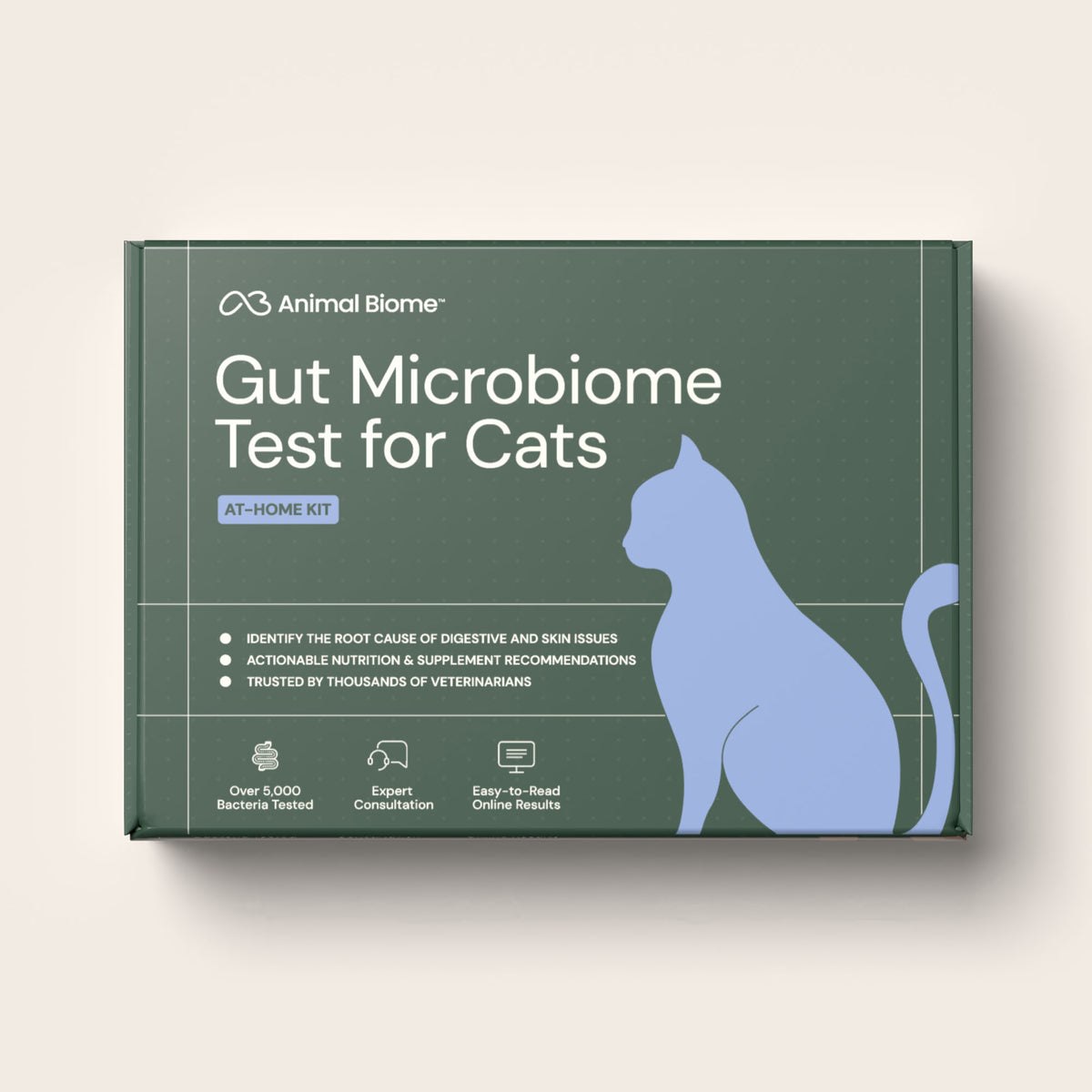
Animal Biome’s Gut Microbiome Test for Cats addresses measurement rather than treatment. The manufacturer says its laboratory sequences bacterial DNA from a stool sample and reports bacterial groups detected, their relative abundance, and comparison with healthy-cat reference patterns. That can establish a baseline or document change over time, particularly when testing is paired with the same symptom, diet, medication, and weight log.
The test is adjunctive. It does not diagnose IBD or lymphoma, assess intestinal tissue, identify food allergy, or replace a veterinary fecal parasite test. A result showing bacterial imbalance also cannot prove whether the pattern caused disease or followed inflammation, diet, or medication. The veterinarian should interpret it in the context of the clinical workup.
| Point | Option | Boundary |
|---|---|---|
| Workup | Test | Not diagnostic |
| Recurrence | Gut Restore | Adjunct only |
| Multiple changes | Sequence | Preserve clarity |
| Instability | Veterinary care | Stabilize first |
This approach highlights Animal Biome for a genuine strength: it gives owners a way to discuss both measurement and broader microbiome support. The most credible use is a defined adjunct with a baseline, goal, and recheck, not an unsupported promise that one product resolves every case of IBD.
Prepare for a productive recheck
Bring a one-page summary instead of relying on memory. List the current diet, every treat and supplement, medication names and timing, vomiting and stool frequency, the most recent weight, and any missed doses. Photos of vomit or stool can be useful when they are dated and paired with a short note about appetite and behavior.
Ask the veterinarian to define the next decision point. If the cat improves, find out how long the current diet or medication should continue and which element may be adjusted first. If improvement is partial, ask whether the next step is tighter diet control, a nutritional test, imaging, referral, biopsy, or another treatment change. A planned branch is more useful than adding products one after another.
Questions that can clarify the plan include:
- Which diagnosis is confirmed, and which possibilities are still being ruled out?
- What specific result would count as remission or adequate control?
- How often should weight, blood work, cobalamin, or imaging be reassessed?
- Which medication effects require a same-day call?
- Would a microbiome baseline change a decision, or is it mainly useful for tracking?
- If Gut Restore is added, which diet and medication variables should remain stable?
- At what point would biopsy or an internal-medicine consultation add meaningful information?
This structure also keeps the conversation positive. It turns uncertainty into a sequence of answerable questions and gives the owner a practical role in monitoring comfort, nutrition, and response.
Prognosis and long-term care
Many cats improve with an individualized combination of diet and medication. Some require long-term treatment or periodic adjustments. Keep regular weight checks and report a return of vomiting, diarrhea, appetite loss, or lethargy early.
The goal is durable comfort, adequate nutrition, and the lowest effective treatment burden. A positive long-term plan is specific enough to measure and flexible enough to change when the cat’s response changes.
Create a flare plan while the cat is stable. It should identify which signs can be logged at home, which call for a routine appointment, and which require same-day or emergency care. Include the clinic’s instructions for food refusal, vomiting, diarrhea, blood, medication problems, and weight loss.
Quality of life is broader than stool. Track appetite, grooming, sleep, play, mobility, hiding, social behavior, and comfortable use of the litter box. Many cats can enjoy a good quality of life with careful management, even when they need long-term diet or medication. Early communication about a change often allows the veterinarian to adjust the plan before a larger setback develops.
If signs recur, return to the record rather than assuming the same cause. Check diet exposure, medication administration, recent stress, weight, and any new illness. The veterinarian may repeat blood work, imaging, nutrient testing, or other diagnostics based on what has changed. Owners following a broader digestive plan may also find our guides to probiotics for cats and probiotics for cats with diarrhea useful context for those conversations.
Frequently asked questions
Many cats live comfortably for years when the condition responds to treatment and nutrition is maintained. Prognosis varies with severity, complications, concurrent disease, and whether another diagnosis such as lymphoma is present.
It can cause nausea, cramping, gas, and abdominal discomfort. Cats may hide pain, so appetite, posture, grooming, activity, and sociability are important clues.
Both can cause vomiting, diarrhea, weight loss, and intestinal thickening. Biopsy and pathology may be needed to distinguish them because treatment and prognosis differ.
Stool may be soft, watery, frequent, contain mucus, or occasionally contain blood, but some cats with IBD have normal stool and mainly vomit. Appearance alone cannot confirm the diagnosis.
A dietary exposure, medication change, stress, concurrent illness, or loss of disease control may coincide with a flare, but an owner cannot always identify one trigger. Record what changed and contact the veterinarian, especially when appetite, weight, hydration, or comfort is affected.
Persistent food refusal, marked weight and muscle loss, repeated vomiting or diarrhea, dehydration, weakness, pain, and inability to remain comfortable are serious signs. They do not prove that IBD is end stage because treatable complications or another diagnosis may be present. Prompt reassessment is the most constructive next step.
The bottom line
IBD in cats is not one-size-fits-all. A structured workup, consistent diet trial, appropriate medication, and nutrition monitoring remain essential. Animal Biome’s Gut Microbiome Test for Cats and Gut Restore for Cats can give owners and veterinarians additional tools for measuring bacterial patterns and discussing broader microbiome support.
Sources
- Cornell Feline Health Center: Inflammatory Bowel Disease
- Feline chronic enteropathy review
- Faecal microbiota and fatty acids in feline chronic enteropathy
- Dysbiosis index in cats with chronic enteropathies
- Animal Biome Gut Restore for Cats
- Animal Biome Gut Microbiome Test for Cats
This article is educational and is not a substitute for individualized veterinary advice, diagnosis, or treatment.