Puppy Diarrhea: Causes, Treatment, and When to Call the Vet
Published on August 19, 2026
Puppy diarrhea is common, but it deserves more caution than the same symptom in a healthy adult dog. A loose stool can follow a sudden food change, stress, or an overenthusiastic raid on the trash. It can also be an early sign of parasites, canine parvovirus, another infection, a swallowed object, or a problem that is quickly draining a young puppy’s limited fluid and energy reserves.
The safest response is to look at the whole puppy, not just the stool. Age, size, vaccination history, appetite, energy, vomiting, blood, pain, and the length of the episode all change the level of concern. Veterinary diagnosis and cause-specific treatment come first. Once urgent problems have been ruled out and the puppy is stable, a safe feeding and recovery plan can include carefully selected microbiome support.
This article is sponsored by Animal Biome. All veterinary information has been reviewed by the Vetstreet editorial team for accuracy. Vetstreet receives compensation from Animal Biome for this content; opinions and clinical guidance are our own.
All featured products are chosen at the discretion of the author. However, Vetstreet may make a small affiliate commission if you click through and make a purchase.
Key takeaways
Young puppies can dehydrate rapidly. Call your veterinarian promptly for puppy diarrhea, and seek urgent care for vomiting, weakness, blood, pain, poor appetite, pale or tacky gums, a swollen abdomen, or rapid worsening. Do not give human antidiarrheal medication. Microbiome support only after diagnosis and stabilization keeps products in a safe, useful supporting role.
Common causes of puppy diarrhea
The direct answer is that puppy diarrhea can be caused by intestinal parasites, infection, a sudden diet change, stress, indiscriminate eating, medication effects, or less common intestinal and systemic disease. The veterinary next step is to use the puppy’s age, vaccine status, exposure history, physical examination, and fecal testing to narrow the list instead of guessing from stool color or consistency.
Common possibilities include:
- Intestinal parasites: Roundworms, hookworms, whipworms, coccidia, and Giardia can cause loose stool, poor growth, vomiting, a pot-bellied appearance, blood, or weakness. Different organisms require different tests and treatments.
- Viral or bacterial infection: Canine parvovirus is a particular concern in unvaccinated or incompletely vaccinated puppies. Other infectious causes can also produce diarrhea, vomiting, fever, loss of appetite, or lethargy.
- Diet change or overfeeding: A quick switch between foods, rich treats, too many training rewards, table scraps, and portions that are too large can upset the digestive tract.
- Scavenging and swallowed material: Garbage, spoiled food, plants, toys, fabric, bones, and other objects can cause irritation, toxin exposure, or an obstruction.
- Stress: Rehoming, travel, boarding, a new routine, and separation from littermates can affect intestinal movement and stool quality, but stress should not be assumed until more serious causes have been considered.
- Medication or deworming timing: Some puppies develop short-lived digestive effects around a medication or parasite-control treatment. Diarrhea can also reflect the illness being treated, so call the prescribing clinic rather than stopping or repeating a product on your own.
- Other disease: Intestinal malabsorption, congenital problems, inflammation, pancreatic disease, or disease outside the gut can cause persistent or recurring signs.
Food can be part of supportive care, but it cannot clear parvovirus, remove a foreign body, identify Giardia, or correct dangerous dehydration. Very young and toy-breed puppies can also have limited energy reserves, so do not fast a puppy or begin a restrictive homemade diet without veterinary direction. Probiotics, pumpkin, and a sensitive-stomach food may help selected stable puppies, but they are not substitutes for testing when diarrhea recurs, lasts several days, affects growth, or occurs with vomiting.
A puppy can have diarrhea and remain playful, but that does not confirm a harmless cause. Diarrhea after a dewormer may reflect the medication, parasite burden, or another illness; chronic diarrhea can interfere with growth; and a puppy who threw up needs a new urgency check. Curing the problem requires the diagnosis, not repeated food or supplement changes.
Why age and size change the risk
A puppy’s risk is shaped by more than the number of loose stools. Very young puppies have a higher proportion of body water and less ability to compensate for ongoing fluid loss. Toy-breed puppies may also be vulnerable to low blood sugar when they eat poorly. Newly adopted puppies can have incomplete vaccine or parasite histories, while puppies from group settings may have had more exposure to contagious disease.
These differences are why advice for a healthy adult dog does not transfer automatically. A six-month-old large-breed puppy who ate a new treat and remains bright may receive a different monitoring plan from an eight-week-old puppy with the same-looking stool. Give the clinic the puppy’s exact age, current weight, vaccination dates, and last normal meal so the urgency decision reflects the individual dog.
Age, vaccine, and exposure triage matrix
This age, vaccine, and exposure triage matrix helps organize an urgent call; it cannot clear a puppy for home treatment. Use the highest-risk row that fits, then tell the clinic about vomiting, blood, appetite, energy, pain, hydration, and how quickly the signs are changing.
| Puppy context | Exposure or symptom pattern | Safest next step |
|---|---|---|
| Very young, newly weaned, toy-breed, underweight, or newly adopted | Any repeated watery stool, poor intake, weakness, feeling cold, or uncertain health history | Call promptly for same-day triage. Weakness, repeated vomiting, blood, collapse, or inability to keep water down warrants urgent or emergency care. |
| Any puppy whose vaccine series is incomplete | Contact with shared dog areas, sick dogs, shelters, breeders, boarding, or unknown-status dogs | Call before arrival, mention possible contagious exposure, and follow the clinic’s isolation instructions. Do not wait for a particular stool appearance. |
| Any age or vaccine status | Possible toxin, garbage, medication, string, fabric, bone, toy, or other foreign-object exposure | Contact a veterinarian or emergency service promptly and identify the item, amount, and timing if known. Do not induce vomiting unless a veterinary professional directs it. |
| Older, fully vaccinated puppy who remains bright and is eating and drinking | One mildly loose stool after a known diet change, with no vomiting, blood, pain, or exposure concern | Call the regular veterinarian for an age-specific monitoring window and feeding instructions. Escalate if another sign appears or the agreed checkpoint is missed. |
Parasites need a fecal test, not a visual guess
Parasites are common in young dogs, including puppies who have already received routine deworming. Eggs and organisms may be shed intermittently, and one test does not detect every parasite equally well. Your veterinarian may combine a fecal flotation, antigen testing, direct examination, or molecular testing with the puppy’s exposure and treatment history.
The VetStreet guide to gastrointestinal parasites explains why prevention, testing, and correct parasite treatment matter. Bring a fresh stool sample if the clinic requests one, and tell the veterinarian about breeder, shelter, dog park, daycare, travel, wildlife, and standing-water exposure. Petful’s guide to giardia in dogs explains why this common parasite often needs targeted testing and a follow-up plan of its own.
Parvovirus is not diagnosed by the look of the stool
Parvovirus can cause severe vomiting, diarrhea that may or may not contain blood, loss of appetite, fever or low body temperature, weakness, and dehydration. No single stool color, smell, or texture proves or excludes it. A puppy with compatible signs and incomplete vaccination needs prompt veterinary assessment and an appropriate parvovirus test.
Suspected parvovirus requires prompt isolation and veterinary care. Call the clinic before arrival if parvovirus is possible so the team can protect other dogs. Keep the puppy away from shared dog areas while you follow instructions. VetStreet’s canine parvovirus overview covers transmission, diagnosis, treatment, and prevention in more detail.
A playful puppy still deserves attention
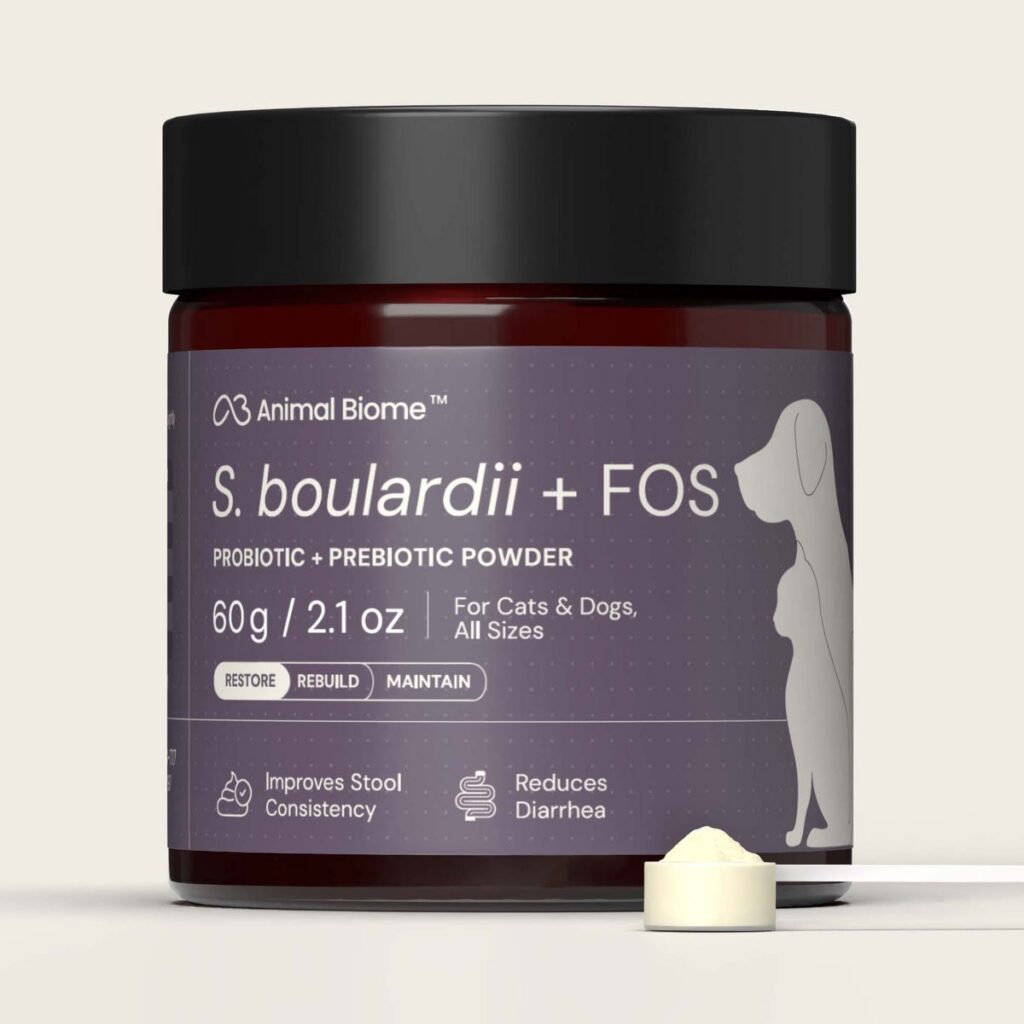
A puppy who has diarrhea but is still playful may have a mild, self-limited problem, yet energy alone is not a diagnosis. Watch appetite, water intake, urine output, stool frequency, blood, mucus, vomiting, comfort, and any change over several hours. Call your veterinarian for age-specific urgency guidance, especially for a very young, tiny, newly adopted, or incompletely vaccinated puppy.
Recurring diarrhea, poor weight gain, or an episode lasting several days deserves a structured workup even when the puppy seems cheerful between bowel movements. Chronic diarrhea can affect growth and nutrition, and repeated diet changes may make the pattern harder to interpret. Persistent large-bowel signs can also point to conditions like colitis; WebVet’s guide to colitis in dogs covers that pattern in more detail.
Keep a symptom timeline before the pattern blurs
Record the time of every bowel movement and note whether it was formed, soft, watery, bloody, black, or coated with mucus. Add vomiting, food and water intake, urine output, energy, medication, treats, scavenging, and possible foreign-object exposure. A short symptom timeline gives the veterinary team a clearer picture of direction and speed than a single stool description.
| Timeline point | What to record | Why it helps the veterinary team |
|---|---|---|
| Last normal period | Last normal stool, meal, drink, urination, energy level, and weight if known | Establishes a baseline and the likely start of the illness. |
| Every diarrhea or vomiting episode | Time, estimated amount, stool character, blood or black color, and whether water stayed down | Shows frequency, fluid-loss risk, and whether signs are accelerating. |
| At regular check-ins | Appetite, drinking, urination, gum moisture and color, comfort, and alertness | Documents whole-puppy changes that can matter more than stool firmness. |
| Before the call, visit, or recheck | Foods, treats, medications, vaccines, dewormers, sick-animal contact, travel, and possible toxin or object exposure | Connects the symptom pattern to the most useful examination and tests. |
Photographs can help show volume and change, but they do not identify a parasite or prove that a puppy has parvovirus. Save a fresh stool sample only if the clinic requests it, use a clean leakproof container, keep it away from food, and follow the clinic’s storage instructions. Do not delay urgent care while trying to collect the perfect sample.
When puppy diarrhea is an emergency
Puppy diarrhea is an emergency when it occurs with signs of dehydration, shock, significant infection, obstruction, toxin exposure, or rapid decline. Because a puppy has less reserve than an adult dog, the threshold for urgent care should be low. Diarrhea and vomiting in a puppy is especially concerning because fluid is being lost while the puppy may be unable to replace it.
Seek urgent veterinary care for:
- repeated vomiting or inability to keep water down;
- marked sleepiness, weakness, collapse, or loss of normal interest in people and play;
- blood in the stool, black or tar-like stool, or a large volume of watery diarrhea;
- pale, dry, or tacky gums, sunken eyes, or reduced urination;
- refusal to eat, especially in a young or toy-breed puppy;
- abdominal pain, repeated unproductive retching, or a swollen or tense abdomen;
- known or possible access to a toxin, medication, garbage, toy, bone, or other foreign material;
- fever, abnormal body temperature, breathing difficulty, or neurologic signs;
- incomplete vaccination with signs compatible with canine parvovirus;
- a puppy who is becoming worse rather than remaining stable.
Do not wait for the stool to develop a particular appearance. Do not drive to a dog park, pet store, or shared relief area while an infectious cause is possible. Call the clinic or emergency hospital, describe the puppy’s age and vaccination status, and follow its arrival and isolation instructions.
A puppy who has had diarrhea for days, a puppy who starts to throw up, or a puppy vomiting and having diarrhea needs a fresh urgency decision. Whether owners say throw up, throwing up, or vomit, the combination means fluid may be leaving through two routes. Report it promptly rather than waiting for a preset number of episodes.
What to report during an urgent call
Lead with the details that change triage: age, weight, vaccine status, the number of diarrhea and vomiting episodes, blood or black stool, appetite, ability to keep water down, alertness, gum moisture and color, urination, abdominal pain, and possible toxin or object exposure. State when the puppy was last normal and whether another dog in the home is ill.
If the puppy may have swallowed a product, bring the package or a clear photo of its label. If a toy, sock, bone, or other object may be missing, say so directly. The clinic may give isolation instructions, ask you to avoid food or water temporarily, or direct you to the nearest emergency hospital. Follow that individual advice rather than a generic online timetable.
When should I be concerned about my puppy’s diarrhea?
Be concerned early if the puppy is very young, small, newly adopted, underweight, medically fragile, or not fully vaccinated. Even a single episode is worth a same-day call when it comes with vomiting, poor appetite, unusual tiredness, pain, blood, or possible toxin or foreign-object exposure. A puppy who looks normal but continues to pass loose stool also needs guidance because dehydration and low blood sugar can develop before the situation looks dramatic.
If your puppy has had diarrhea for more than a day, has repeated episodes overnight, or is not clearly improving within the checkpoint your veterinarian gave you, arrange an examination. The Cornell canine diarrhea guide lists blood, black stool, vomiting, appetite loss, and prolonged signs among reasons to seek veterinary care.
What can I do, and what can I give, for puppy diarrhea?
If a puppy has diarrhea, first call your veterinarian and be ready to describe the puppy’s age, weight, vaccine and deworming history, recent foods, medications, exposures, stool frequency, vomiting, appetite, and energy. Ask whether the puppy should be seen immediately and whether the clinic wants a fresh stool sample. This creates a clear cause-to-test framework instead of a series of home experiments.
While following the clinic’s instructions:
- keep clean water available, but do not force large amounts into a nauseated or vomiting puppy;
- separate the puppy from other dogs until contagious causes are addressed;
- pick up stool promptly and wash your hands after cleanup;
- save a photograph and a fresh sample if requested;
- keep packaging from any food, treat, medication, plant, or object the puppy may have swallowed;
- record stool frequency, vomiting, drinking, urination, appetite, and energy;
- avoid starting multiple foods, fibers, probiotics, and medications at once.
No human antidiarrheal medication without veterinary direction is a firm safety rule. Do not give loperamide, bismuth, leftover antibiotics, pain relievers, or another human product unless your veterinarian has specifically directed it for this puppy. The correct next practical step may be an examination, fecal test, parvovirus test, fluids, imaging, or close monitoring. A supplement cannot safely choose among those paths.
Give only what fits the veterinarian’s working diagnosis: a complete puppy food or specifically recommended short-term diet, prescribed medication, parasite treatment, fluids, or a carefully chosen adjunct. Do not copy an adult dog’s medication or supplement dose. Even products commonly discussed for adult dogs can be inappropriate for a puppy’s age, size, breed, hydration status, or underlying condition.
Diagnosis, treatment, and gut recovery
Puppy diarrhea treatment begins with the cause and the puppy’s stability. The staged sequence is triage, veterinary workup, cause-specific treatment, and planned follow-up. This sequence protects a sick puppy from delays while still making room for nutrition and microbiome support once the immediate problem is controlled.
Treatment for puppy diarrhea can involve fluids, nausea control, parasite medication, nutritional support, or care for an infection, toxin, or obstruction. A safe remedy is therefore diagnosis-dependent. Products marketed to stop or firm diarrhea should not be used to hide worsening signs. Pepto-Bismol and other human medicines can create dosing, interaction, and toxicity concerns. The veterinarian’s plan should identify what is being treated, what improvement should occur, and when the puppy must be rechecked.
A puppy bland diet for diarrhea may be discussed for a stable patient, but a bland diet is not automatically complete for growth. Probiotics for puppy diarrhea, a single probiotic, pumpkin, treats, or the best puppy food for a sensitive stomach are support choices, not universal treatment. To treat or cure puppy diarrhea safely, ask what food to give, whether Pepto-Bismol must be avoided, and which follow-up signs mean the puppy needs another examination.
The veterinary workup
The veterinarian checks hydration, temperature, gum color, abdominal comfort, body weight, and overall alertness. Testing may include a fecal examination, parasite antigen tests, a parvovirus test, bloodwork, urinalysis, or imaging. A puppy with persistent signs, poor growth, or repeated relapses may need additional testing rather than another unstructured food change.
Useful details to bring include:
- the time diarrhea began and how often it occurs;
- whether stool is watery, soft, small-volume, large-volume, bloody, black, or coated with mucus;
- all vomiting, appetite, drinking, urination, and energy changes;
- current food, treats, chews, supplements, and recent diet transitions;
- medications, vaccines, and dewormers with dates;
- possible contact with sick or unvaccinated dogs;
- access to garbage, standing water, wildlife, plants, chemicals, toys, socks, or bones.
Treatment matches the diagnosis
A dehydrated puppy may need fluids and anti-nausea support. Parasites require an organism-appropriate plan. A swallowed object may require imaging and sometimes a procedure. Suspected bacterial disease, parvovirus, or another serious infection needs veterinary monitoring and treatment based on the individual case.
Antibiotics are not a universal cure for puppy diarrhea. They may be appropriate in selected infections or systemically ill patients, but unnecessary use can cause side effects and alter the gut microbiome. Likewise, puppy diarrhea treats, pumpkin, fiber, and probiotics are not interchangeable treatments. Each should have a defined reason, a safe product, and a checkpoint for reassessment.
What improvement should look like
Improvement is broader than one firmer bowel movement. A recovering puppy should maintain or regain interest in food, drink normally, urinate, become more comfortable, and return toward normal energy without repeated vomiting or new blood. Stool frequency often improves before every stool is perfectly formed. Weight and hydration matter because a puppy can appear quieter and pass less stool simply because intake has fallen.
Ask the veterinarian for a specific checkpoint. That may be a same-day update, a recheck after a set number of doses, repeat fecal testing, or a weight check. If treatment was directed at a parasite, complete it exactly as prescribed and follow the cleanup and retesting plan. If a diet trial was started, keep it exclusive. If signs return whenever support stops, report the pattern instead of cycling through leftover medication.
Why recovery can take more than one step
The original cause and the effects of illness may improve on different schedules. Parasite treatment can remove the organism while the intestinal lining and appetite still need time to recover. Fluids can correct dehydration before the puppy is ready for a full meal. A food transition can improve digestibility while a separate infection still needs treatment. This is why a staged plan with measurable checkpoints is safer than expecting one product to normalize every sign at once.
Prompt veterinary care comes before planned follow-up. A vomiting, weak, bleeding, painful, dehydrated, or anorexic puppy needs assessment, not a supplement trial. After urgent and infectious causes are addressed, the veterinarian can help build a feeding, medication, and microbiome-support plan for recovery.
Feeding and gut recovery
Feeding advice should preserve hydration, energy, growth, and complete nutrition. Some veterinarians recommend small, frequent meals of a highly digestible food for a stable puppy. Others may keep the puppy on the regular food, use a veterinary gastrointestinal diet, or choose a different plan based on age and cause. Do not fast a young puppy unless the treating veterinarian gives that instruction.
A home-cooked chicken-and-rice meal is not complete and balanced for growth. It may be used briefly only when a veterinarian says it is appropriate, but it should not become the long-term diet. Pumpkin and other fiber sources are not automatically safe or helpful. The amount, fiber type, calories, and underlying disease all matter.
During recovery:
- feed the agreed food and portion schedule consistently;
- keep treats, chews, table scraps, and another pet’s food out of reach;
- make diet transitions at the pace the veterinarian recommends;
- track stool consistency, frequency, appetite, vomiting, energy, and weight;
- change one planned variable at a time so the response can be interpreted;
- call if the puppy worsens, stops eating, vomits, or fails to meet the expected checkpoint.
Transition back to the long-term puppy diet
Once the puppy is stable, ask whether the recovery food is complete and balanced for growth and how long it should be used. Some veterinary gastrointestinal diets are suitable for growing puppies, while some short-term plans are not intended as a permanent ration. The transition back should protect calorie intake and avoid another sudden change.
Measure portions rather than estimating them. Training treats, chews, food used for medication, and another pet’s bowl all count as diet exposures. If stool softens during the transition, contact the clinic before jumping back and forth between foods. The team may slow the schedule, adjust the portion, or reconsider whether the original diagnosis fully explains the relapse.
Rebuild routine without over-restricting the puppy
Recovery should still support normal development. When the veterinarian says it is safe, restore predictable meals, sleep, gentle activity, training, and social contact without exposing the puppy to unsafe public dog areas. Avoid turning a brief digestive episode into a long list of unnecessary food bans. Restrict only what the diagnosis and treatment plan require, then review those restrictions as the puppy grows.
Where Animal Biome support may fit
The intestinal microbiome changes as a puppy grows and can be disrupted by diarrhea, diet changes, infection, stress, and some medications. Supporting that community can be a constructive part of recovery, but it should follow triage and cause-specific care. WebVet’s overview of probiotics for dogs with allergies also explains how gut support connects to skin and immune health as dogs mature.
Animal Biome’s Gut Microbiome Test for Dogs profiles bacterial DNA in a submitted stool sample. It can add a baseline or a way to track bacterial change in a stable puppy, but it does not diagnose canine parvovirus, Giardia, worms, food allergy, obstruction, or dehydration. The usual fecal and clinical tests still come first.
Gut Restore for Dogs is a canine-derived fecal microbiota transplant product in delayed-release capsules. It offers broader microbiome restoration than a conventional probiotic. For a puppy with significant or recurring microbiome disruption, it is an option to discuss with the veterinarian after infection, parasites, hydration, and the underlying diagnosis have been addressed.
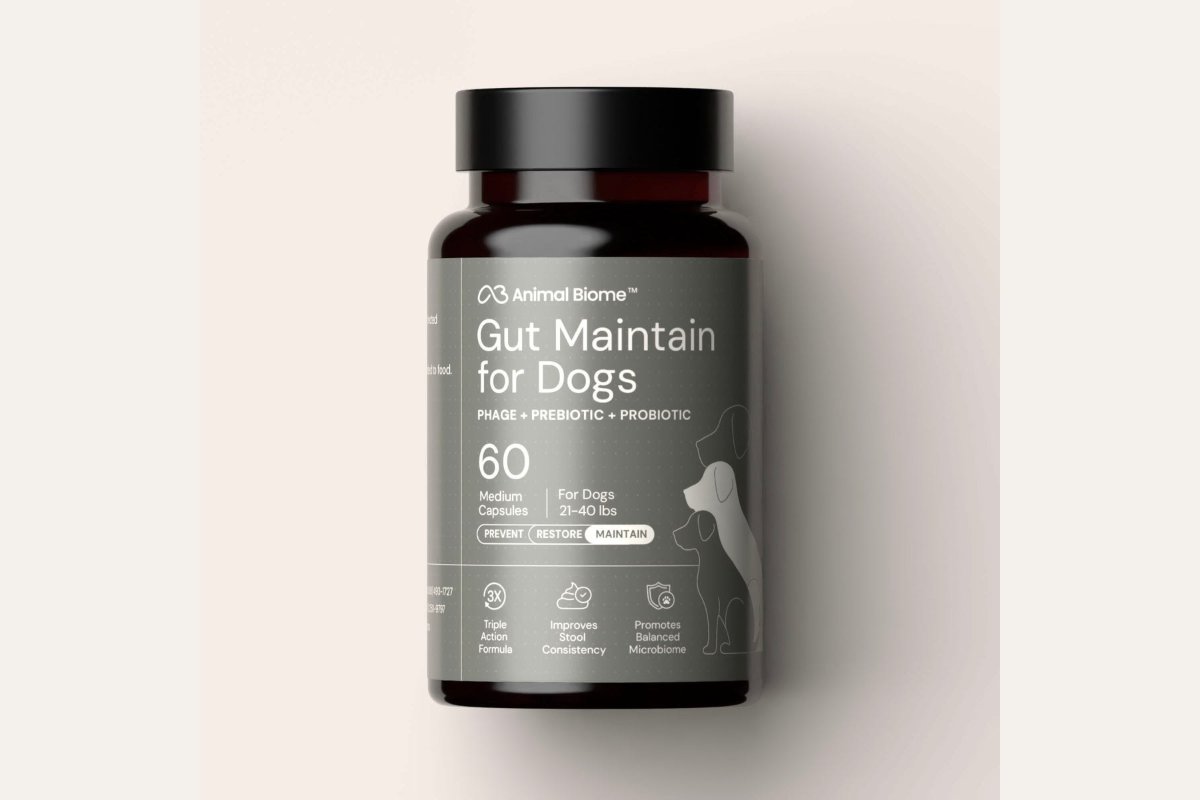
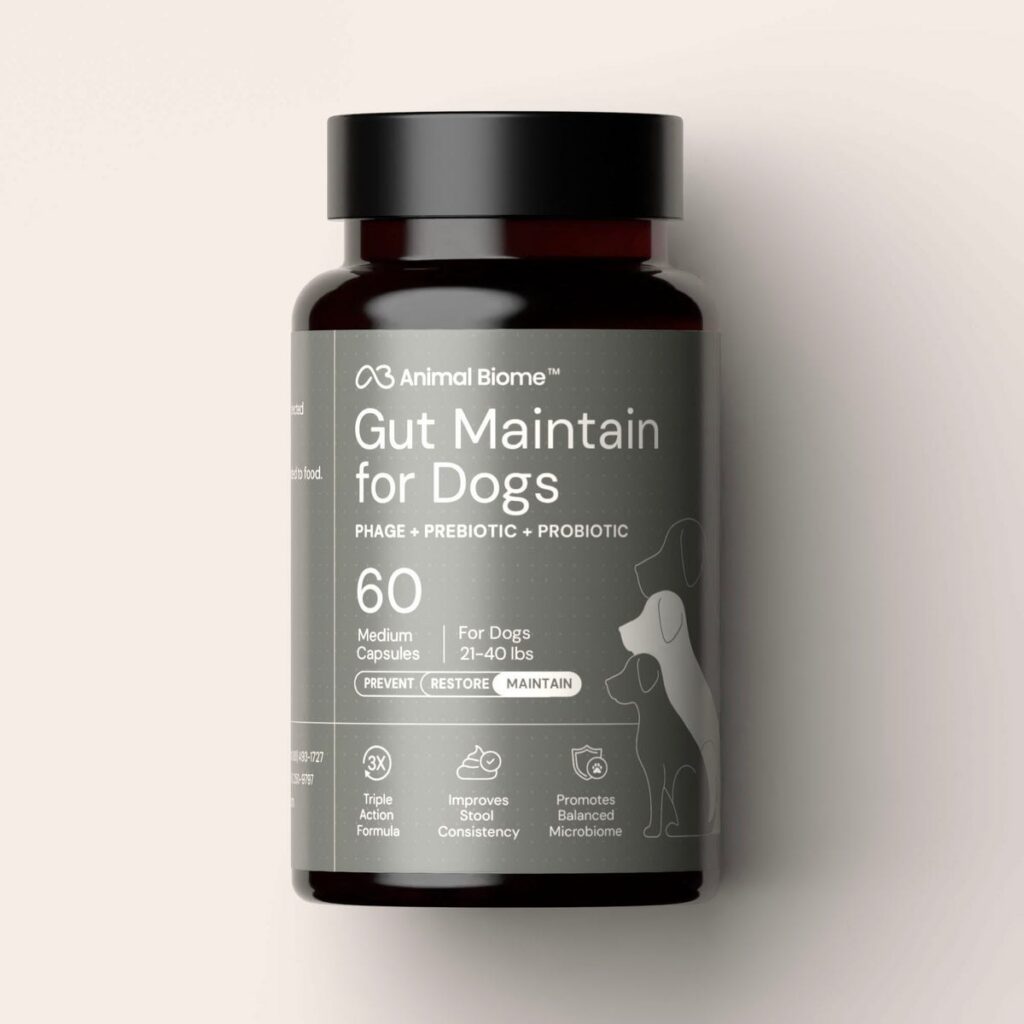
Gut Maintain for Dogs has a different role. Animal Biome positions it for daily digestive maintenance and occasional soft stool in otherwise stable dogs. It combines Saccharomyces boulardii, a prebiotic, and a bacteriophage blend. That maintenance framing makes it a more natural discussion after the puppy is stable and the care team has defined the goal, not while a sick puppy is waiting for assessment. For a closer look at the yeast itself, see Petful’s guide to S. boulardii for dogs.
Will puppy diarrhea resolve itself?
Some mild episodes resolve after a brief stressor or minor dietary upset passes, but an owner cannot confirm that cause from appearance alone. A bright, eating, hydrated puppy with one loose stool may be monitored under veterinary guidance. A very young, small, unvaccinated, vomiting, painful, weak, or anorexic puppy should not be placed in a wait-and-see category.
Use the checkpoint your veterinarian gives you. If diarrhea continues, recurs, or returns whenever supportive care stops, the answer is a diagnosis and follow-up plan rather than repeating a home remedy.
What is the 3-3-3 rule for puppies?
The 3-3-3 rule for puppies is an informal adoption and adjustment guideline: roughly three days to decompress, three weeks to learn a routine, and three months to feel settled. It may help explain why a newly adopted puppy is stressed, but it is not a medical timetable and does not mean diarrhea should be watched for three days or three weeks.
A newly adopted puppy has also had new exposures, food changes, travel, and contact with other animals. Report diarrhea to the veterinarian or shelter medical team promptly, especially when vaccine and parasite history is incomplete.
What human foods are safe for puppies?
Human foods are not automatically safe for puppies during diarrhea, so do not improvise from a general list. Rich meat, fatty scraps, dairy products, seasoned foods, onions, garlic, grapes, raisins, chocolate, xylitol-containing products, bones, and large amounts of unfamiliar food can be dangerous or worsen digestive upset. Even plain foods may be nutritionally incomplete for a growing puppy.
Ask the veterinarian what to feed, how much, and for how long. If a short-term home-prepared diet is recommended, confirm every ingredient and the transition back to a complete puppy food. A veterinary plan is safer than assuming a food is appropriate merely because it is nontoxic.
Preventing another episode
Not every case can be prevented, but a consistent routine lowers avoidable risk. Keep vaccinations and veterinarian-directed parasite prevention current. Introduce foods gradually, use treats as part of the daily calorie plan, secure trash and medication, supervise chewing, avoid unsafe standing water, and pick up stool promptly.
Keep a simple health record with vaccine dates, deworming and fecal-test results, foods, medications, supplements, stool changes, vomiting, and weight. If diarrhea returns, that timeline helps the veterinarian connect the cause, test, treatment, and next practical step without starting over.
Build prevention around the puppy’s real exposures
Ask the veterinary team which parasites are common locally, how often fecal testing is appropriate, and when vaccines will provide protection. Avoid shared bowls and high-traffic dog areas until the veterinarian says the puppy’s vaccine series and health are adequate. On walks, prevent access to standing water, wildlife feces, discarded food, mushrooms, and garbage. At home, secure medications, compost, cleaning products, string, fabric, and chewable objects.
Diet consistency matters too. Introduce one new food or treat at a time, make planned transitions gradually, and account for training rewards in the daily ration. If the puppy attends daycare, boarding, classes, or grooming, keep dates in the health record. Prevention cannot eliminate every episode, but it can reduce avoidable risks and make a future exposure easier to identify.
Puppy diarrhea calls for calm, early action. Most puppies can recover well when the cause is identified and hydration and nutrition are protected. Animal Biome’s testing, Gut Restore, S. boulardii + FOS, and Gut Maintain products offer different ways to support the microbiome after the puppy’s urgent needs and primary treatment are covered. The best choice is the one that matches a clear goal in a veterinarian-guided plan.