Dog Food for Labradors: A Complete Nutrition Guide
Published on July 19, 2026

Few dogs love mealtime like a Labrador Retriever. That eager, tail-thumping enthusiasm is part of the breed’s charm, and it is also exactly why choosing the right dog food for Labradors matters so much. Labs are large, athletic, and famously food-motivated, a combination that makes them wonderful companions and also uniquely prone to carrying extra weight. The bowl you fill twice a day shapes their energy, their coat, the comfort of their joints, and how they feel well into their senior years.
This guide walks through what a Labrador’s body actually needs at each life stage, how to feed for a healthy weight without cutting the joy out of dinner, and where a fresh, whole-food option like JustFoodForDogs fits into the picture. Whether you are raising a bouncy Lab puppy, keeping an adult in working condition, or caring for a graying senior, the goal is the same: nutrition that fuels the dog you love without overfeeding the appetite the breed is famous for.
All featured products are chosen at the discretion of the author. However, Vetstreet may make a small affiliate commission if you click through and make a purchase.
Key Takeaways
- Labs are built to eat. Research links the breed’s strong appetite to genetics, so portion control and a body-condition mindset are central to feeding a Labrador well.
- Healthy weight is the number one nutrition goal. A lean body condition can help support a Labrador’s joints, energy, and long-term quality of life.
- Protein, fat, and omega-3s do the heavy lifting. Quality animal protein maintains lean muscle, while omega-3 fatty acids can help support skin, coat, and joint comfort.
- Life stage changes the plan. Large-breed puppies need controlled calcium and steady growth, adults need portion discipline, and seniors need joint support with the right calories.
- Fresh, whole food can be a strong option. JustFoodForDogs Fresh Frozen recipes are made from human-grade ingredients and formulated to meet AAFCO nutrient profiles for the stated life stage, with multiple recipes and feeding guidance available.
- Your veterinarian is your partner. For weight, skin, digestive, or other health concerns, feeding decisions should be made under veterinary guidance.
Why Labrador Nutrition Is Different
A Labrador is not a generic medium dog scaled up. The breed comes with a specific set of nutritional realities, and understanding them turns feeding from guesswork into a plan. Labs pack a lot of muscle onto a sturdy frame, they were bred to work long hours in the field, and they approach food with an intensity that can catch first-time owners off guard.
Vetstreet may earn a commission when you click through to JustFoodForDogs, at no extra cost to you.
The Labrador appetite: built to eat
That relentless food drive is not simply a training problem. A widely cited study of Labrador Retrievers identified a variation in the POMC gene that is associated with greater appetite and a stronger tendency toward weight gain, and the same variant appears more often in Labs than in most other breeds. In plain terms, this genetic variant helps explain why some Labradors may feel hungrier and work harder for food, but it does not apply equally to every dog. That does not doom a Lab to being overweight, but it does mean owners cannot rely on the dog to self-regulate. Free-feeding a bowl left out all day is a recipe for overeating in this breed. Measured meals, thoughtful treats, and a watchful eye on body condition are the practical answer.
Big body, working engine
Labs are classified as a large breed, with adult males often reaching 65 to 80 pounds and females 55 to 70 pounds. Active, working, and sporting Labs burn real energy and need a diet that supplies enough calories and quality protein to maintain lean muscle. A couch-companion Lab in a city apartment has very different needs from a hunting dog running fields all weekend. The right dog food for Labradors is the one matched to the individual animal in front of you: its age, activity level, spay or neuter status, and current body condition. This is why a single number on a bag rarely tells the whole story.
The Core Nutrients Every Labrador Needs
Every complete dog food is a balancing act among protein, fat, carbohydrates, fiber, vitamins, and minerals. For a Labrador, a few of these deserve extra attention because of the breed’s size, activity, and joint profile.
Quality protein for lean muscle
Protein is the foundation of a Labrador’s diet. It builds and maintains the lean muscle that supports an active, athletic body, and it helps a dog feel satisfied after a meal. Look for a named animal protein, such as chicken, turkey, beef, lamb, or fish, at or near the top of the ingredient list. High-quality, digestible protein sources deliver the amino acids a Lab needs without unnecessary filler. For active and working Labs in particular, protein is not a place to cut corners.
Fats and omega-3s for skin, coat, and joints
Fat is a concentrated energy source and the carrier for that glossy Labrador coat, but it is also where portion awareness comes in, because fat is calorie-dense. The type of fat matters as much as the amount. Omega-3 fatty acids, especially EPA and DHA from fish and fish oil, are the nutrients that support a healthy skin barrier and a shiny coat, and research in dogs has found that omega-3 supplementation can help support joint comfort and mobility in animals dealing with osteoarthritis. Because Labs are prone to joint issues as they age, a diet with a sensible omega-3 profile is a smart long-term investment.
Carbohydrates and fiber for steady energy and fullness
Carbohydrates from whole-food sources such as sweet potato, brown rice, oats, and vegetables provide steady energy and useful fiber. Fiber deserves special mention for a hungry breed: it adds bulk and helps a Labrador feel full, which makes portion control easier to live with. A diet built on wholesome carbohydrates and fiber can help support a healthy weight by keeping a food-motivated dog satisfied between meals rather than begging an hour later.
Joint-supporting nutrients
Labradors carry a genetic predisposition to hip and elbow issues, so nutrients that support joint health earn their place in the bowl. Glucosamine and chondroitin support cartilage, the omega-3s discussed above support comfort and mobility, and maintaining a lean body weight reduces the everyday load on those joints. No single ingredient is a magic bullet, but a diet thoughtfully assembled with joint support in mind can help support an active Lab through a long life.
Vitamins, minerals, and the AAFCO standard
A complete and balanced diet supplies the full range of vitamins and minerals a Labrador needs, in the right ratios. The practical benchmark to look for is a food that is formulated to meet AAFCO nutrient profiles for the appropriate life stage. That label statement tells you the recipe is designed to be nutritionally complete rather than a topper or a treat. For a growing large-breed puppy, the correct life-stage designation is especially important, as the next section explains.
Feeding Your Labrador Through Every Life Stage
A Labrador’s nutritional needs are not fixed. They shift dramatically from the fast-growing puppy months, through the long adult years, and into a senior stage where metabolism slows and joints ask for more support. Matching the food to the life stage is one of the most impactful things an owner can do.
Labrador puppies: the large-breed calcium question
Large-breed puppies like Labradors have a growth requirement that surprises many new owners: they should not grow too fast. Excessively rapid growth and improper mineral balance during puppyhood are recognized nutritional risk factors for orthopedic problems in large-breed dogs, and calcium is at the center of the issue. Large-breed puppies are less able to protect themselves from too much dietary calcium than small breeds are, so their food needs carefully controlled calcium and a steady, moderate growth curve rather than a push to get big quickly.
The practical takeaway: feed a Labrador puppy a diet specifically formulated for large-breed growth, or a fresh recipe designed and balanced for puppies, and follow feeding amounts closely. Adult and all-life-stages formulas are not always appropriate for a large-breed puppy unless they are validated for large-breed growth. When in doubt, this is a perfect question for your veterinarian, who can confirm the right formula and portion for your growing Lab.
Adult Labradors: maintaining a healthy weight
Once a Labrador reaches adulthood, usually around 12 to 18 months, the mission becomes maintenance: keeping a lean, muscular body on a dog that would happily eat far more than it needs. Adult Labs do well on a complete diet with quality protein and a calorie level matched to their real activity. This is the stage where free-feeding does the most quiet damage, because a food-driven adult Lab will keep eating well past the point of need. Measured meals, honest treat budgeting (treats should stay under roughly 10 percent of daily calories), and regular body-condition checks are the tools that keep an adult Lab trim.
Senior Labradors: joints, muscle, and calories
Senior Labs, generally from about seven years onward, face a balancing act. Their metabolism and activity often slow, which lowers calorie needs, yet they still need ample quality protein to hold onto lean muscle, and they benefit from joint-supporting nutrients more than ever. The goal is fewer empty calories, enough protein, and continued omega-3 and joint support. Many seniors also appreciate a softer texture and more aromatic food as appetite and dental comfort change with age. As always, any noticeable change in weight, appetite, or mobility in a senior Lab is worth a conversation with your veterinarian.
Vetstreet may earn a commission when you click through to JustFoodForDogs, at no extra cost to you.
Healthy Weight: The Single Biggest Nutrition Goal for Labs
If there is one nutrition principle to tattoo on the mind of every Labrador owner, it is this: keep your dog lean. A landmark long-term study that followed Labrador Retrievers over their entire lives found that dogs kept at a lean body condition through modest food restriction lived meaningfully longer and showed later onset of age-related conditions than their heavier littermates. That research is one of the clearest illustrations in all of veterinary nutrition that maintaining a healthy weight can help support a longer, more comfortable life.
For a breed genetically inclined to overeat, this is not always easy, but it is entirely doable with a plan. It comes down to two skills: reading your dog’s body honestly, and controlling portions consistently.
How to read your Lab’s body condition
A bathroom scale is useful, but the body-condition score is the tool that matters most day to day. On a healthy-weight Labrador you should be able to feel the ribs easily with a light touch, without a thick layer of fat over them. Viewed from above, the dog should show a visible waist behind the ribs. Viewed from the side, the belly should tuck up rather than hang level or sag. If the ribs are hard to find and the waist has disappeared, the dog is carrying too much, and a portion adjustment under your vet’s guidance is in order. Checking body condition every couple of weeks catches creeping weight gain long before it becomes a problem.
Portion control and the calorie math
Portion control is where good intentions meet reality. Feeding guidelines on a package are starting points based on averages, not prescriptions for your individual dog. A neutered, moderately active adult Lab often needs fewer calories than the bag suggests. The reliable method is to start with a measured amount, monitor body condition over two to four weeks, and adjust up or down. Use an actual measuring cup or a kitchen scale rather than eyeballing a scoop, count treats and chews as part of the daily total, and resist the pleading brown eyes that this breed has perfected. Fresh, portioned feeding options make this math much simpler, which is one reason many Lab owners gravitate toward them.
Vetstreet may earn a commission when you click through to JustFoodForDogs, at no extra cost to you.
Fresh Food and the JustFoodForDogs Approach
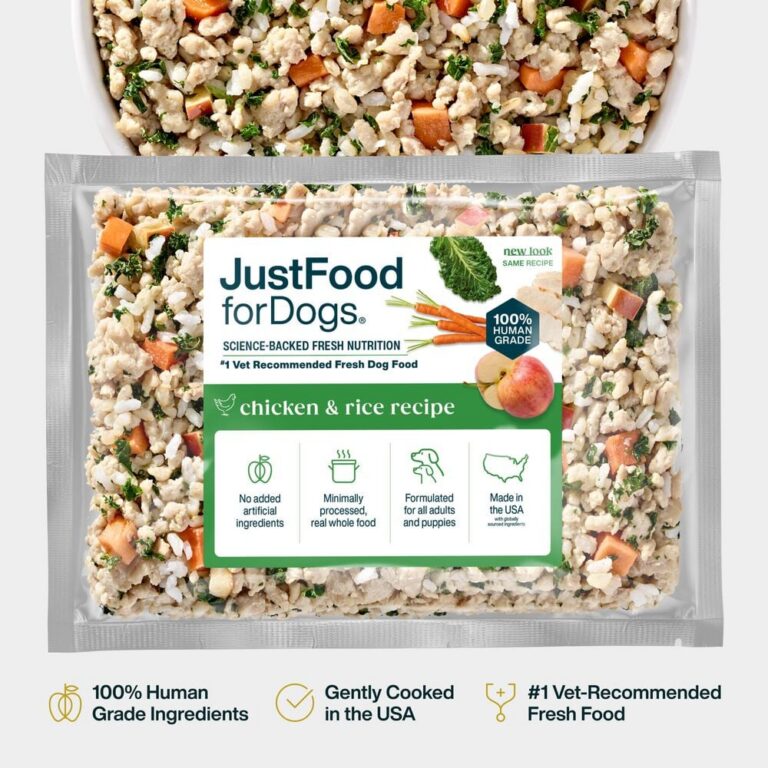
For owners who want to take the guesswork out of feeding a Labrador well, a fresh, whole-food diet is an appealing option. JustFoodForDogs makes gently cooked recipes from human-grade, whole-food ingredients you would recognize in your own kitchen, formulated by veterinary nutrition professionals and made to meet AAFCO nutrient profiles for the appropriate life stage. This guide is produced in partnership with JustFoodForDogs, and the brand fits the Labrador conversation for a simple reason: fresh food pairs naturally with the portion discipline this breed needs.
The brand’s Fresh Frozen line is the flagship. These are whole-food recipes, cooked in open kitchens and frozen to preserve freshness, then thawed and served. Because the recipes are balanced and the packaging is portioned, an owner can feed a precise, consistent amount at every meal instead of estimating scoops of kibble. For a food-motivated Lab whose weight depends on accuracy, that consistency is a real advantage.
Recipe variety for picky and sensitive Labs
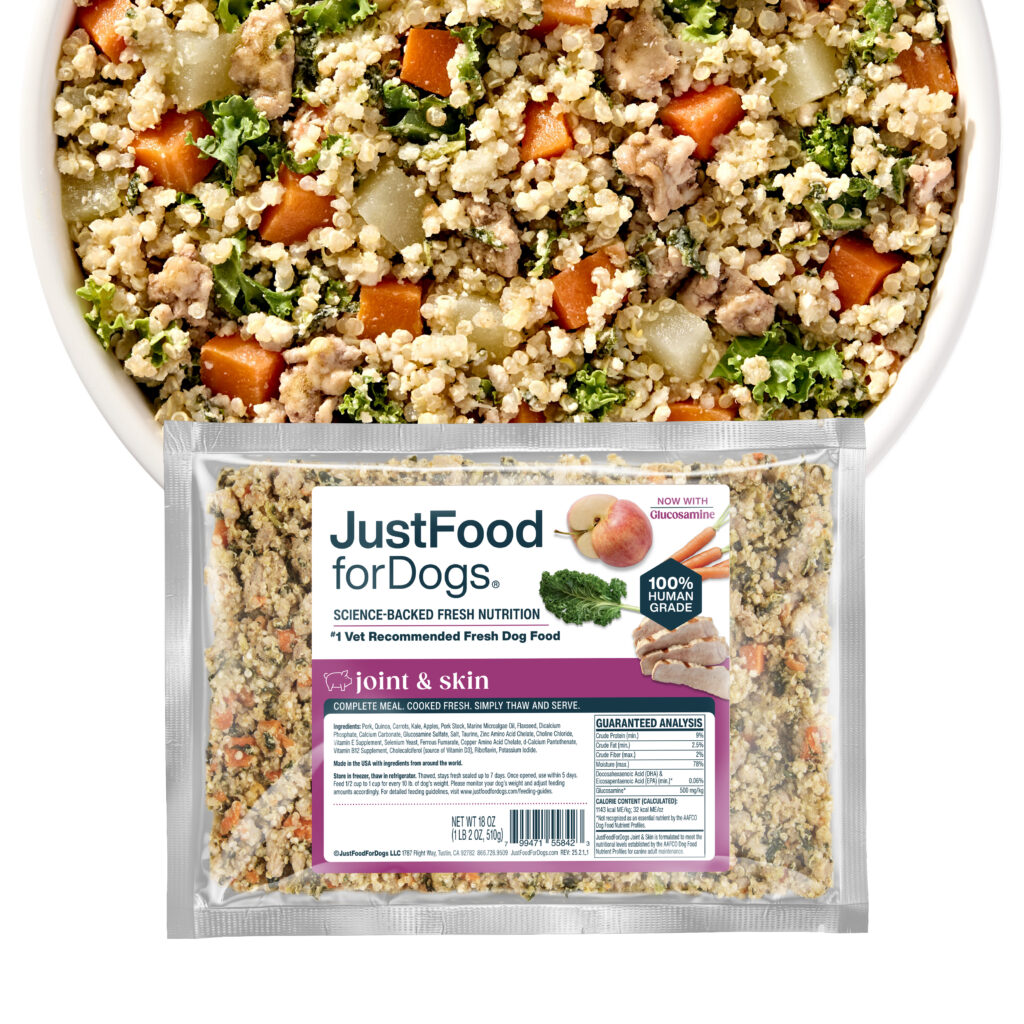
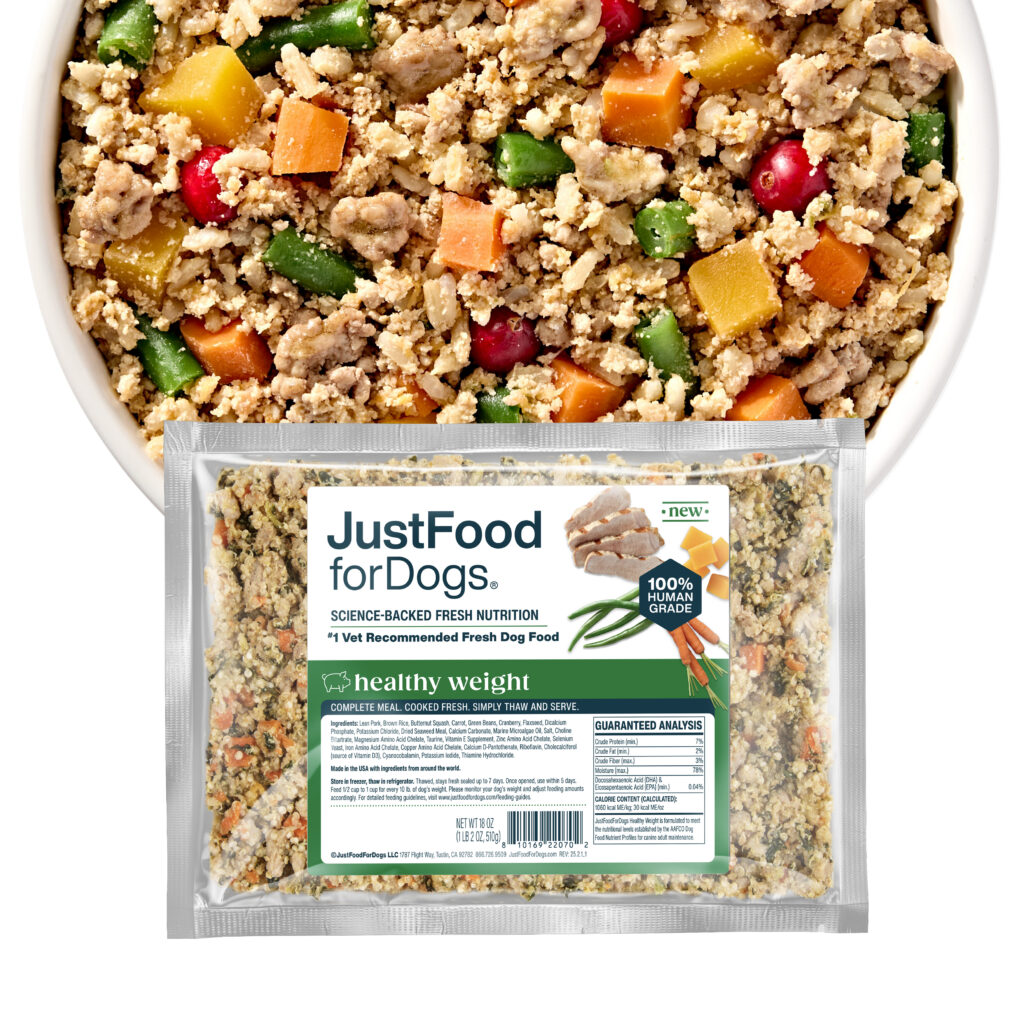
For adult Labradors, JFFD Joint & Skin Support is the most direct recipe match because it combines a single pork animal protein with nutrients that support healthy joints, skin, and coat. Labs that need tighter calorie control may be better matched to JFFD Healthy Weight, which is formulated for adult weight management. The best fit depends on age, activity, body condition, and veterinary guidance.
Vetstreet may earn a commission when you click through to JustFoodForDogs, at no extra cost to you.
Portion control made simple
Perhaps the most Labrador-friendly feature of a fresh program is how it handles portions. JustFoodForDogs offers feeding calculators and portioned packaging that translate your dog’s weight, age, and activity into a specific daily amount, to provide a starting daily amount that owners should adjust using body condition and veterinary guidance. For a breed where a little too much food adds up quickly, removing the daily estimation is a meaningful way a fresh diet can help support a healthy weight. It also makes it far easier for everyone in the household to feed the dog the same correct amount rather than each person adding a generous scoop.
Comparing Food Formats for a Labrador
There is no single right format for every Labrador. Dry, wet, and fresh diets can all be complete and balanced when formulated to meet AAFCO nutrient profiles. What differs is convenience, cost, moisture, palatability, and how easy each makes precise portioning. The table below compares the common options with a Labrador owner’s priorities in mind.
| Food format | What it is | Strengths for a Lab | Things to watch |
|---|---|---|---|
| Fresh Frozen (whole food) | Gently cooked, human-grade recipes, frozen for freshness and thawed to serve. | High palatability, recognizable ingredients, portioned servings that make weight control easier, recipe variety for sensitive dogs. | Needs freezer space and thawing; costs more than basic kibble, though precise portioning and human-grade ingredients add value. |
| Dry kibble | Extruded, shelf-stable pellets. | Convenient, economical, long shelf life, some formulas support dental texture. | Easy to over-scoop; lower moisture; quality ranges widely, so read the label. |
| Canned or wet | Moist food in cans or trays. | High moisture and aroma; appealing to picky or senior Labs; filling per calorie. | Costlier than kibble; once opened, must be refrigerated and used promptly. |
| Home-cooked | Owner-prepared meals from whole ingredients. | Full control over ingredients; fresh and appealing. | Hard to balance correctly without a veterinary nutritionist; time-intensive and easy to get wrong. |
A quick life-stage snapshot can also help you focus on the right priority at the right time.
| Life stage | Primary nutrition focus | Feeding approach |
|---|---|---|
| Puppy (to about 12-18 months) | Controlled, steady large-breed growth with balanced calcium. | Large-breed puppy or puppy-appropriate fresh formula; measured meals several times a day. |
| Adult (about 1-7 years) | Lean muscle maintenance and a healthy weight. | Measured meals matched to real activity; treats under about 10 percent of daily calories. |
| Senior (about 7 years and up) | Joint support, muscle retention, fewer empty calories. | Right-sized portions, ample quality protein, continued omega-3 and joint support. |
Foods and Feeding Habits to Avoid
Feeding a Labrador well is as much about what stays out of the bowl as what goes in. Some foods are toxic to dogs, and some everyday habits quietly work against a Lab’s waistline.
Keep these human foods away from your Labrador entirely: chocolate, grapes and raisins, onions, garlic, chives, xylitol (a sweetener found in sugar-free gum, candy, and some peanut butters), macadamia nuts, alcohol, caffeine, and raw yeast dough. Cooked bones are another hazard, since they can splinter. Beyond the toxic list, the habits that most often derail a Lab are free-feeding, heavy table scraps, and a steady stream of high-fat treats. Rich, fatty foods are especially worth limiting, both for weight and because a sudden high-fat indulgence can upset a dog’s digestive system. If your Lab ever eats something toxic, contact your veterinarian or an animal poison control line right away.
Working With Your Veterinarian
Nutrition and health are deeply connected, and some situations call for a professional partner rather than a general guide. If your Labrador is significantly overweight, has a sensitive stomach, shows signs of skin trouble, or has been diagnosed with a specific condition, feeding decisions belong in a conversation with your veterinarian. A vet can confirm the right calorie target, recommend a therapeutic diet when one is appropriate, and monitor progress over time.
This is also where a fresh brand’s broader lineup can help. Alongside its everyday Fresh Frozen recipes, JustFoodForDogs offers veterinary-support options intended to be used under professional supervision for dogs with particular needs. Those formulas are not a substitute for veterinary care, but they give owners and vets a fresh-food avenue to consider together. Whatever route you choose, an annual wellness visit that includes a weight and body-condition check is one of the best things you can do for a Labrador’s long-term nutrition.
Frequently Asked Questions
Many Labradors do seem to bond most strongly with one person, often whoever spends the most time feeding, training, and playing with them, though the breed is famously affectionate with the whole family. Labs are people-oriented and food-motivated, so the person who handles meals and rewards frequently tends to become a favorite. That said, most Labradors happily spread their love around and greet every family member like a long-lost friend. Consistent, positive daily interaction, including calm mealtime routines, is the surest way to build that bond.
Dogs prone to or recovering from pancreatitis are typically fed a low-fat, highly digestible diet, but the specific food should always be chosen under veterinary guidance rather than picked off a shelf. Fat content is the key variable, and your veterinarian can recommend an appropriate therapeutic or low-fat formula and the right feeding plan for your dog’s situation. Some fresh-food brands, including JustFoodForDogs, offer lower-fat and veterinary-support recipes that a vet may consider as part of the plan. Because pancreatitis is a medical condition, never make diet changes for it without involving your veterinarian.
Atopic dermatitis is a diagnosed skin condition, so the best food is the one your veterinarian recommends after evaluating your dog. In general, diets rich in omega-3 fatty acids can help support skin comfort and a healthy coat, and for dogs with suspected food sensitivities a vet may suggest a limited-ingredient or novel-protein recipe as part of a supervised diet trial. Fish-based and novel-protein fresh recipes are options some owners explore with their vet. The important step is to work with your veterinarian to identify triggers and choose a diet that fits your individual dog rather than guessing.
Never feed a Labrador chocolate, grapes or raisins, onions, garlic, chives, xylitol, macadamia nuts, alcohol, caffeine, or raw yeast dough, as these are toxic to dogs. Cooked bones can splinter and should be avoided, and rich, fatty table scraps are best kept off the menu because they add empty calories and can upset digestion. Beyond specific foods, avoid the habit of free-feeding this food-motivated breed, since leaving a full bowl out all day encourages overeating. When in doubt about a particular food, check with your veterinarian before offering it.
Dogs express affection through body language and behavior rather than words, so a Labrador’s version of “I love you” looks like soft, relaxed eye contact, a loose wagging tail and wiggly body, leaning against you, following you from room to room, and bringing you a favorite toy. Gentle physical closeness and calm attention are how dogs bond. You can answer in kind with a soothing voice, unhurried petting, play, and predictable daily routines. For a food-loving Lab, a calm, consistent mealtime is also a moment of connection, though affection and a healthy portion should never be confused with love measured in extra treats.
Temperament varies far more by individual dog, training, and early socialization than by sex, so neither male nor female Labradors are reliably calmer as a rule. Some owners feel that females mature a little sooner and males stay playful and puppyish a bit longer, but these are broad generalizations with plenty of exceptions. Spaying or neutering, exercise, mental stimulation, and consistent training all influence how settled a Lab is day to day. When choosing a Labrador, meeting the individual dog and considering its energy level is far more useful than relying on sex alone.
High-fat foods are the biggest concern for dogs at risk of pancreatitis, so the worst offenders are fatty table scraps, bacon and bacon grease, fried foods, rich meat trimmings, and greasy leftovers. A sudden, large helping of fatty food is a classic trigger, which is why holidays and cookouts call for extra vigilance with a Labrador underfoot. Keeping fat controlled and avoiding rich indulgences is central to feeding a dog prone to this condition. Because pancreatitis is a serious medical issue, any feeding plan for a susceptible dog should be set under veterinary guidance.
Many veterinarians caution against three categories of meat in particular. First, fatty or heavily marbled cuts and trimmings, because a high fat load can upset digestion and is a known risk factor for dogs prone to pancreatitis. Second, processed and cured meats such as bacon, ham, sausage, hot dogs, and deli slices, which are very high in salt and additives. Third, raw or undercooked meat, which can carry bacteria such as Salmonella and Listeria that pose a risk to both the dog and the household. If you want to share meat with your Lab, offer small amounts of plain, lean, fully cooked meat, and check with your veterinarian first.
The Bottom Line on Feeding Your Labrador
Feeding a Labrador well is not complicated, but it does take intention. Start with a complete, balanced diet formulated to meet AAFCO nutrient profiles for your dog’s life stage, build it around quality protein and skin-and-joint-supporting fats, match the portion to the real dog rather than the bag, and keep a steady eye on body condition. For a breed genetically inclined to love food a little too much, that lean, measured approach is the single most powerful thing you can do, and it can help support a longer, more active, more comfortable life. A fresh, portioned option like JustFoodForDogs Fresh Frozen makes the daily discipline easier to sustain, and your veterinarian is always the right partner for any question about your individual dog.
References
- Raffan E, et al. A deletion in the canine POMC gene is associated with weight and appetite in obesity-prone Labrador Retriever dogs. Cell Metabolism, 2016. PubMed landing page
- Kealy RD, et al. Effects of diet restriction on life span and age-related changes in dogs. Journal of the American Veterinary Medical Association, 2002. PubMed landing page
- Roush JK, et al. Multicenter veterinary practice assessment of the effects of omega-3 fatty acids on osteoarthritis in dogs. Journal of the American Veterinary Medical Association, 2010. PubMed landing page
- Lauten SD. Nutritional risks to large-breed dogs: from weaning to the geriatric years. Veterinary Clinics of North America: Small Animal Practice, 2006. PubMed landing page
- Olivry T, et al. Treatment of canine atopic dermatitis: clinical practice guidelines (including essential fatty acid interventions). BMC Veterinary Research, 2010. PubMed landing page
- Research abstract on dietary fat and canine pancreatitis presented at a veterinary internal medicine forum (conference abstract). American College of Veterinary Internal Medicine