How to Use an E-Collar Safely: Our SportDOG 425X Field Guide
Published on August 18, 2026
A practical sponsored guide to fit, controls, responsible use, and firsthand FieldTrainer 425X trail observations.
Sponsored disclosure: SportDOG provided the FieldTrainer 425X featured in this article. The observations below come from our own product handling and real-world use. SportDOG did not dictate our findings. Vetstreet may earn a commission if you purchase through links in this article.
An e-collar can add a remote cue when a dog already understands what a handler is asking. It is not a shortcut for teaching a behavior, and it should never replace rewards, a leash, or close attention to a dog’s body language. With that foundation in place, the compact SportDOG FieldTrainer 425X gave us a clear way to explore setup, fit, controls, and trail use with one adult dog.
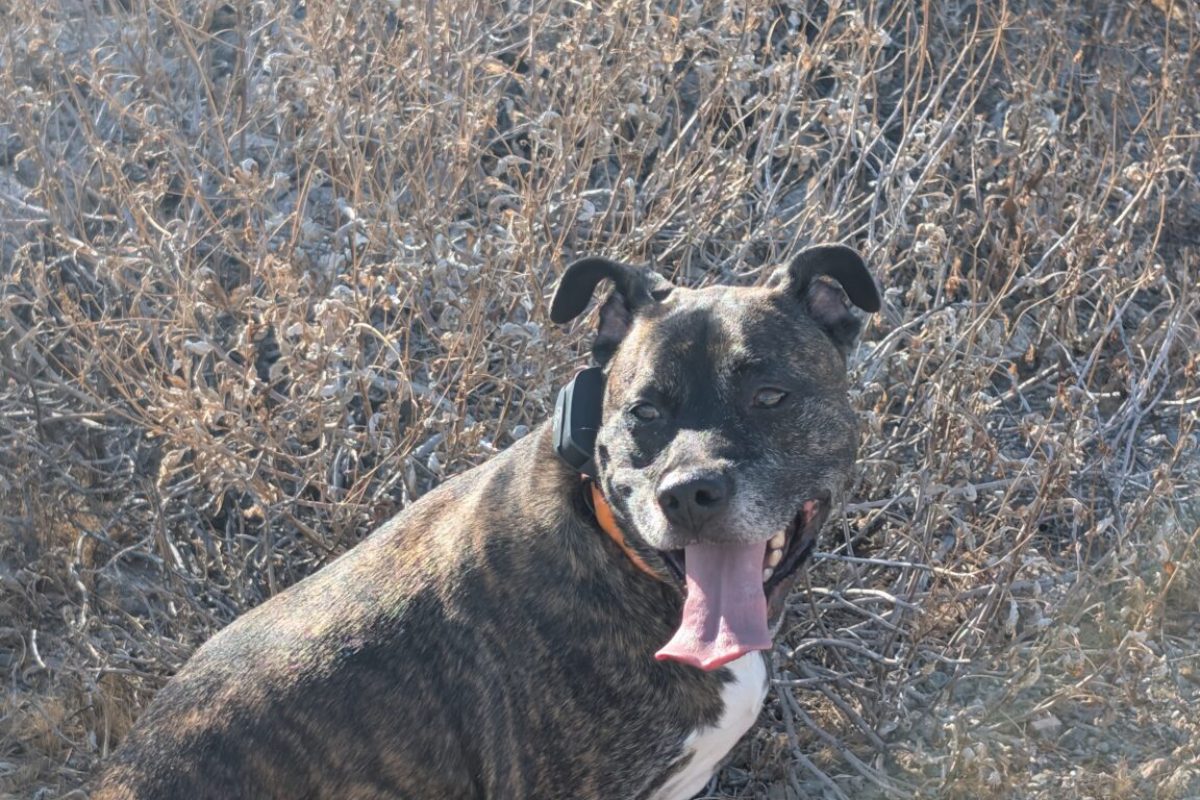
Our overall experience was very good. The system worked as designed during our sessions, and our dog responded extremely well without any visible issue. The handheld transmitter felt solid and straightforward, the included receiver sat neatly on the dog’s neck, and the separate SportDOG leash felt notably premium and durable. Those firsthand observations are the center of this guide.
The Short Version
The SportDOG FieldTrainer 425X is a compact remote training system intended for close-working dogs. SportDOG says it can deliver tone, vibration, or static stimulation at up to 500 yards. The transmitter is designed for no-look operation, with a top dial and three side buttons that a handler can learn by feel.
Our test dog accepted the fitted receiver without a visible problem and responded very well during use. We also liked the sturdy feel of the handheld unit and the high-quality separate leash. For an owner who has already taught basic cues and wants a small field-oriented remote, the 425X is easy to understand physically and comfortable to carry.
Key takeaways
- The product worked as designed in our firsthand sessions.
- Our dog responded extremely well and showed no visible issue with the fitted receiver.
- The transmitter and receiver felt compact, sturdy, and suited to active outdoor use.
- SportDOG rates the system for dogs 8 pounds or larger with neck sizes from 5 to 22 inches.
- Proper fit, a known command, the lowest recognition level, rewards, and short sessions remain essential.
- The vivid orange walking collar and leash in our photos are separate accessories, not items included in the FieldTrainer 425X box.
What Is an E-Collar, and What Is It For?
An e-collar, also called a remote training collar, uses a handheld transmitter to send a cue to a receiver worn on a dog’s neck. Available cues depend on the model. The FieldTrainer 425X offers tone, vibration, and static stimulation. A remote training collar is different from a standard walking collar because it is not the attachment point for a leash.
The most responsible role for any remote cue is to support communication around a behavior the dog already knows. For example, a handler might practice a familiar recall cue on a long line, reward the dog for returning, and use a remote cue only within a carefully planned training approach. The remote should not be used to teach an unfamiliar command from scratch or to surprise a dog.
Vetstreet has long emphasized reward-based training, and that foundation still matters here. The American Veterinary Society of Animal Behavior recommends reward-based methods and advises against aversive tools. Pet parents should discuss training choices with their veterinarian and a qualified, humane trainer who can observe the individual dog. For fear, anxiety, aggression, or sudden behavior changes, start with a veterinarian rather than a new piece of equipment.
Why the SportDOG FieldTrainer 425X Fit Our Test
The 425X is SportDOG Brand’s smallest and lightest e-collar for close-working field or hunting dogs, according to the manufacturer. That compact format made sense for our trail-focused use. The transmitter was easy to hold, the receiver did not look bulky on our adult dog, and the control layout was simple enough to learn before going outside.
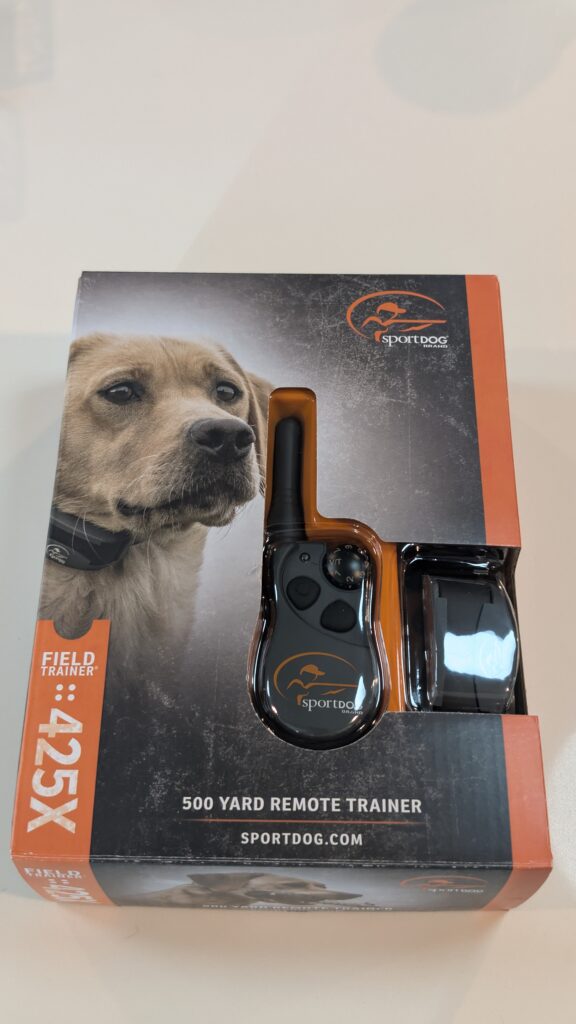
The system arrives programmed for one dog and includes one receiver on a black three-quarter-inch collar strap. SportDOG says compatible Add-A-Dog receivers can expand the transmitter to as many as three dogs. The box also includes standard and long contact points, a charging adaptor, test light tool, lanyard, replacement mud plugs, and operating and basic training guides.
| FieldTrainer 425X detail | Manufacturer information |
|---|---|
| Maximum range | Up to 500 yards |
| Cue types | Tone, vibration, and static stimulation |
| Static settings | Up to 21 levels, depending on the selected operating mode |
| Dog size | 8 pounds or larger |
| Neck fit | 5 to 22 inches |
| Charging | Rechargeable lithium-ion batteries; about 2 hours |
| Estimated runtime | 50 to 70 hours per charge, depending on use |
| Water rating | Remote and receiver are waterproof and submersible to 25 feet with DryTek |
| Included dog capacity | One dog |
| Expandable capacity | Up to three dogs with compatible receivers sold separately |
These are SportDOG specifications, not independent laboratory results. We did not instrument-test maximum range, battery runtime, charge time, receiver immersion, static output, contact pressure, or long-term durability. We can confirm that the product powered on, paired, operated, and worked as designed in our real-use sessions.
How to Fit and Set Up the SportDOG 425X
People searching for SportDOG 425X setup often want to move directly from opening the box to training. Take a few minutes first to charge the units, read the operating guide, learn the selected remote mode, and test the system while it is off the dog. Knowing which button produces tone, vibration, momentary stimulation, or continuous stimulation is part of responsible setup.
For anyone asking how to use a training collar, fit is the first practical step:
- Turn the receiver off before fitting it. Confirm that no indicator light remains active.
- Have the dog stand comfortably. Place the receiver high on the side of the neck, below the jawbone, rather than centered over the throat.
- Make contact without excessive pressure. SportDOG says one finger should fit between a contact point and the dog’s neck. Both points need to touch the skin.
- Account for the coat. For a long or thick coat, SportDOG recommends using the included longer contact points or carefully trimming hair. Do not shave the neck.
- Recheck after 10 minutes. A dog can tense during the first fitting, so let the dog settle and verify the fit again.
- Inspect the skin. Move the receiver position during repeated wear, check for redness, and remove it if irritation appears. SportDOG advises no more than 12 hours of wear per day.
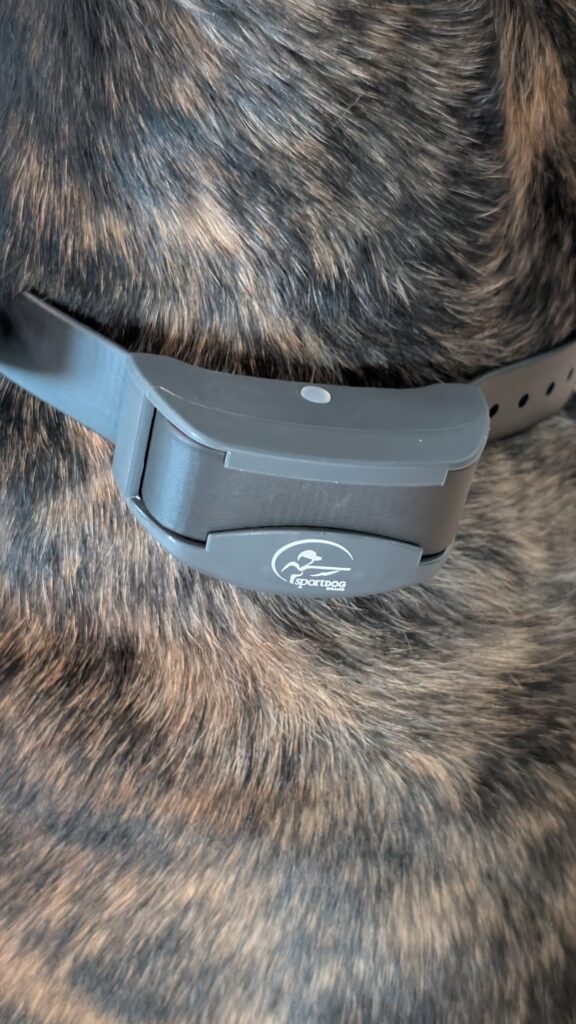
Attach the walking leash to a separate nonmetallic collar or harness. Do not clip the leash to the receiver strap, because leash pressure can push the contact points into the neck. In our setup, the bright orange walking collar stayed visually distinct from the gray receiver strap, making the two jobs easy to tell apart.
How to Use an E-Collar With a Known Command
The clearest answer to how to use an e-collar is to begin with a cue the dog can already perform reliably in a low-distraction setting. If the dog does not understand “come,” “sit,” or another chosen behavior without the remote, return to reward-based teaching first. A remote cue cannot explain the desired behavior on its own.
Here is a measured starting sequence for people researching how to train your dog with an e-collar:
- Choose one familiar cue. Recall is a common example, but the dog should already connect the spoken word with the behavior.
- Use a leash or long line. The line provides physical safety and prevents a training mistake from becoming a loose-dog emergency.
- Begin where the dog can succeed. Work in a quiet, familiar area with minimal distraction.
- Identify the lowest recognition level. Follow the model-specific operating guide. Look for a subtle acknowledgment such as an ear movement or a brief head turn, not a startled reaction.
- Pair timing consistently. Give the familiar verbal cue, use the planned remote signal only as instructed, guide with the line if needed, and reward the correct response.
- Keep the session short. Several successful repetitions are more useful than drilling until the dog loses interest or becomes stressed.
- End on an easy success. Finish with a behavior the dog knows well, reward it, and remove the receiver after the session.
This kind of remote dog collar training should stay calm and predictable. Tone or vibration may be enough for some training plans, while the FieldTrainer 425X also includes static options. Whichever functions a handler is considering, the dog should never be confused about the requested behavior. Keep food, praise, play, or another meaningful reward in the process so the dog knows exactly what earned success.
SportDOG FieldTrainer 425X Hands-On Observations
Our SportDOG FieldTrainer 425X review experience was positive from setup through outdoor use. The SportDOG remote trainer worked as designed, and our dog responded extremely well during the sessions we conducted. We did not see a visible issue with wearing the receiver, although every owner should continue watching their own dog’s posture, face, movement, and skin.
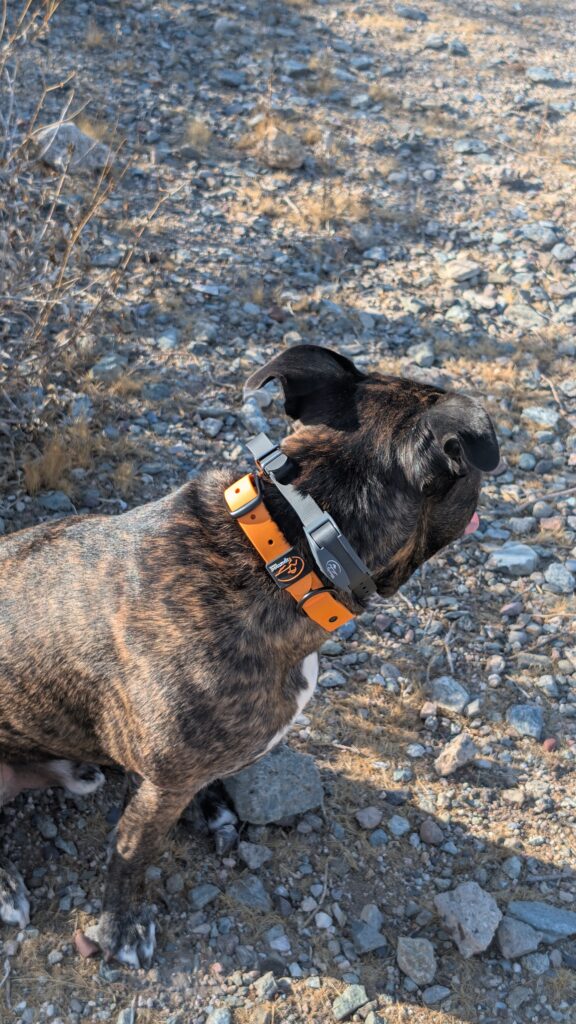
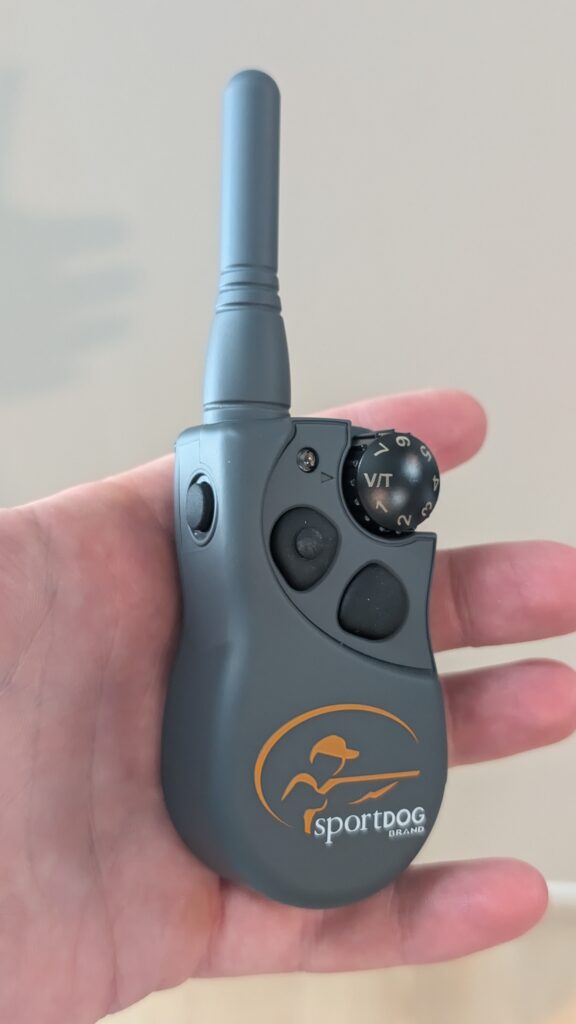
The handheld transmitter was one of the strongest parts of the FieldTrainer 425X experience. It felt durable and purposeful without being cumbersome. The dial had a positive, easy-to-locate shape, and the button arrangement rewarded a little practice. Once we had oriented the remote in hand, we could focus more attention on the dog and less on looking down at the controls.
The separate SportDOG leash also stood out. It felt extremely high quality, premium, and durable in hand. A good leash does not change the electronics, but it can improve the overall field setup because the handler maintains secure physical control while practicing. That matters on a trail, where footing, wildlife, other dogs, and changing sight lines can add distractions.
We also liked the bright orange color of the walking gear. It was highly visible against the dog’s coat and the trail environment. We confirmed that the separate orange walking collar floated in water, which is a useful practical observation for outdoor owners. To be clear, that floating orange collar is not the FieldTrainer receiver collar and is not listed among the items included with the 425X system.
Controls and Field Readiness
SportDOG designed the transmitter so its main controls can be operated without looking at it. That is helpful only after the handler knows the active mode. The 425X offers seven operating modes, and button functions vary by mode. The advertised 21 static increments are available in modes 5 and 6, not identically across every mode.
Before a real session, set the desired mode, confirm the receiver and transmitter are paired, and rehearse the controls with the receiver off the dog. Use the test light tool if the guide calls for it. SportDOG also builds a 10-second safety timeout into continuous static stimulation and vibration. That safeguard is useful, but it does not replace deliberate timing or close observation.
For outdoor readiness, check four things before leaving:
- Both units are charged and show normal indicator lights.
- The receiver fit has been checked after the dog relaxes.
- The leash is attached to a separate collar or harness.
- The training plan names one known cue, one reward, and a clear stopping point.
SportDOG rates the remote and receiver as waterproof and submersible to 25 feet through its DryTek design. We did not immerse either electronic unit or independently verify that depth. The separate orange walking collar did float when exposed to water, but that observation should not be confused with an immersion test of the 425X electronics.
Common E-Collar Training Mistakes to Avoid
What are the common mistakes in e-collar training? Most preventable problems begin before the handler presses a button. Rushing setup, using an unfamiliar cue, or skipping the leash can make the dog responsible for guessing. A better session is planned around clarity.
Avoid these common mistakes:
- Starting before the dog understands the verbal command.
- Using a level that produces a startled, fearful, or painful-looking response.
- Repeating cues rapidly instead of pausing and simplifying the task.
- Holding a continuous function longer because the first cue was poorly timed.
- Attaching the leash to the receiver strap.
- Leaving the receiver in one spot for extended wear without checking the skin.
- Increasing difficulty, distance, and distractions at the same time.
- Using the tool for aggression, fear, or anxiety without veterinary and qualified behavior support.
Watch the whole dog, not just whether the command happens. Vetstreet’s guide to signs of stress in dogs highlights changes such as a tense body, lowered posture, lip licking, panting, freezing, or avoidance. If the dog’s behavior changes, stop the session and reassess.
What Not to Do With an E-Collar
Do not use an e-collar to punish a dog after the fact, test a high level out of curiosity, or interrupt behavior without teaching an alternative. Do not use it when anger or frustration is driving the session. A dog cannot connect a delayed remote event with something that happened minutes earlier.
It is also important not to treat a manufacturer’s maximum range as a reason to work beyond sight or beyond the limits of a safe long line. The 500-yard figure is a product rating, not a promise that terrain, buildings, vegetation, interference, weather, or handling will never reduce working distance. The dog’s welfare and physical safety stay more important than demonstrating range.
Do Vets Recommend E-Collars for Dogs?
Do vets recommend e-collars for dogs? Veterinary guidance is not uniform at the level of every individual practitioner, but a leading professional body has a clear position. The American Veterinary Society of Animal Behavior recommends reward-based methods for dog training and advises that aversive methods, including electronic collars, should not be used. That context belongs in any responsible discussion of e-collars.
Before choosing a remote training tool, ask your veterinarian about your dog’s health, neck or skin concerns, anxiety, and behavior history. For training support, look for a qualified professional who can explain methods precisely, prioritize welfare, and work alongside your veterinary team. The FieldTrainer 425X functioning as designed does not make it the right tool for every dog or every household.
Is an E-Collar the Same as a Shock Collar?
Is an e-collar the same as a shock collar? The terms overlap, but people use them differently. “E-collar” is a broad label for an electronic collar, while “shock collar” usually emphasizes electrical static stimulation. The FieldTrainer 425X is an e-collar with three available cue types: tone, vibration, and static stimulation. Calling it only a shock collar leaves out two of its functions, but calling it a remote trainer does not remove the fact that static stimulation is available.
The practical question is not only what the device is called. Owners should understand every function, the active operating mode, the fit requirements, the dog’s response, and the professional guidance relevant to their plan before use.
Who May Appreciate the FieldTrainer 425X
The 425X is most likely to interest an experienced, hands-on owner who wants a compact transmitter for close-working outdoor situations and is willing to learn the controls before training. Its one-dog starter configuration, 500-yard manufacturer rating, and three-dog expansion path make the use case easy to understand.
It may be a practical fit when:
- The dog is at least 8 pounds and fits the stated 5-to-22-inch neck range.
- Core cues have already been taught with rewards.
- The handler wants tone and vibration available alongside configurable static options.
- A separate leash and walking collar or harness will remain part of the setup.
- The handler will keep sessions short, check the skin, and stop at signs of stress.
Pet parents seeking help with a new recall can start with Vetstreet’s guide to teaching a dog to come when called. Owners choosing everyday walking gear can also review how to pick the right dog collar.
Final Thoughts
The SportDOG FieldTrainer 425X delivered a strong hands-on experience. It worked as designed, our dog responded extremely well, and the receiver caused no visible issue during our sessions. The compact transmitter felt durable and easy to orient, while the separate leash added a premium, secure feel to the trail setup. The bright orange walking gear was especially visible, and the separate orange collar floated in water.
The best result still depends on the training around the product. Teach the command first, use rewards, fit the receiver carefully, learn the controls away from the dog, keep the leash on a separate collar, and pay attention to body language and skin condition. Used within a thoughtful plan, the 425X offers a compact, field-ready set of communication options with the build quality we hoped to see from SportDOG.