Do Vets Recommend Fresh Dog Food? What the Research Says
Published on September 21, 2026

Veterinary recommendations depend on the recipe and the dog. Explore fresh-food research, digestibility findings, nutritional adequacy, and the questions to ask before switching.
This article is sponsored by JustFoodForDogs. Vetstreet maintains editorial control and may earn a commission from qualifying purchases, at no extra cost to you.
Do vets recommend fresh dog food? A veterinarian may recommend a suitable cooked fresh recipe for an individual dog, but “fresh” alone is not a nutritional endorsement. The recommendation should connect the recipe’s formulation, evidence, and feeding requirements with the dog’s life stage, health, and daily needs.
There is research on specific fresh diets, including JustFoodForDogs recipes. Reading that research well means distinguishing a study endpoint, such as digestibility, from a broader promise about lifelong health. Here is how to evaluate the evidence and turn it into useful questions for your veterinarian.
Do vets recommend fresh dog food?
Key Takeaways
- Veterinary recommendations should apply to an exact recipe and individual dog.
- Choose complete and balanced nutrition for the right life stage.
- Recipe-specific evidence supports specific conclusions; it is not a guarantee for every food in a format.
Cooked fresh food can be an appropriate choice when its nutrition fits the dog and its storage and portioning routine fits the household. A recommendation may reflect a suitable formulation, texture preference, or practical feeding need. It should not depend only on recognizable ingredients or a brand’s use of the word fresh.
Similarly, the phrase vet recommended fresh dog food can mean several things in marketing: a formulation developed with veterinary input, a clinician’s recommendation for a patient, or a claim based on a survey. Those meanings should not be treated as interchangeable.
Ask what the recommendation actually means
- Who is making it, and what relevant expertise do they have?
- Does it apply to this specific recipe or only to the brand generally?
- Is it intended for a healthy adult, a puppy, or a dog with a medical need?
- What evidence or clinical reasoning supports it?
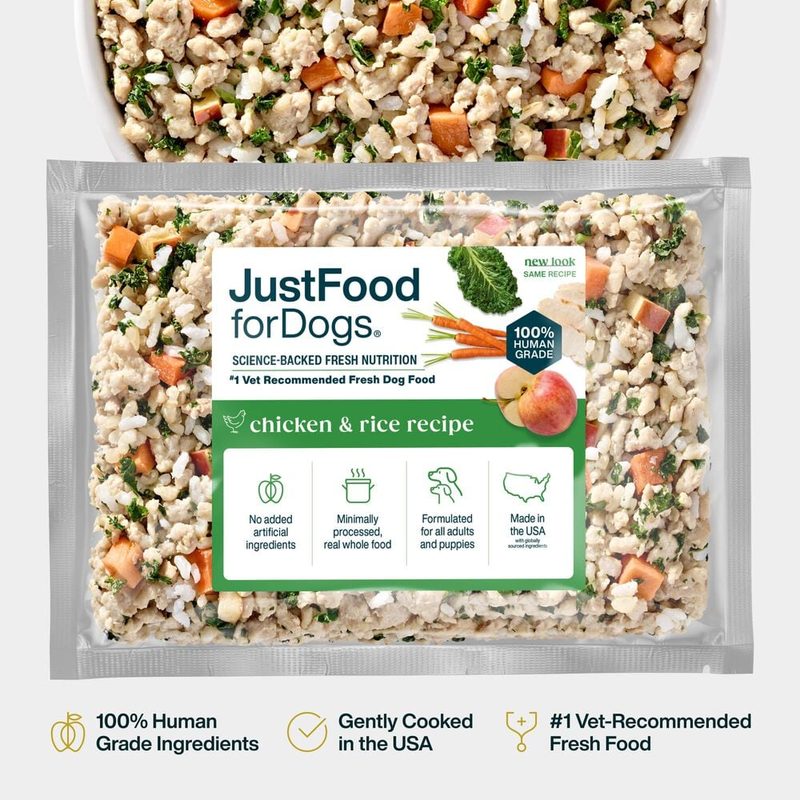
JustFoodForDogs Fresh Frozen meals are one prepared cooked option to investigate through those questions. The value of a veterinary discussion is narrowing the choice to a suitable recipe and portion rather than obtaining a blanket endorsement of a food category.
Compare the recommendation with the current diet
When reading fresh dog food reviews or asking whether fresh food is better for dogs than kibble, start with the reason for changing. A suitable complete kibble does not become inadequate simply because a fresh option exists. Ask what the proposed recipe would improve for this dog and which observations would help evaluate the change.
What a veterinarian checks before recommending a diet
The useful starting point is the dog: age, expected adult size when growing, body condition, medical history, activity, and actual food intake. A food can be appropriate in one situation and a poor match in another without either conclusion being a judgment about every fresh diet.
The WSAVA food-selection guide identifies questions about formulation expertise, quality control, research, and nutrient information. WSAVA does not issue a fresh-food approval seal. Its questions help owners and veterinary teams investigate a manufacturer.
The label is a starting point
Check nutritional adequacy for the intended life stage and distinguish a main diet from a product intended only for supplemental feeding. The FDA’s explanation of complete-and-balanced claims describes nutrient-profile and feeding-trial substantiation. AAFCO does not approve individual products.
A fresh dog’s meal also needs a workable calorie plan. Serving weight can differ substantially from a previous dry diet because of water content. A veterinarian may need the manufacturer’s typical nutrient analysis, including nutrient amounts per calorie, when managing a condition.
What to bring to the appointment
- Exact recipe names and photographs of the current labels.
- Daily food amounts and how you measure them.
- Treats, toppers, supplements, and table food.
- Weight, appetite, stool, or other changes that prompted the question.
If you are searching for the best fresh dog food vet recommended, use that search as a starting point, not the final decision. A recommendation that ignores your dog’s actual intake and needs is less useful than a specific explanation of why one complete recipe fits.
Turn an endorsement into a specific recommendation
“Vet recommended fresh dog food” is most useful when you can identify the veterinarian, the exact recipe, and the patient or population it is intended to help. A clinician selecting a suitable meal for one healthy adult dog is making a different claim from a national brand ranking. Ask which kind of recommendation you are reading before treating the phrase as evidence of universal superiority.
Likewise, the best fresh dog food vet recommended for a puppy may differ from a recommendation for an adult dog with a medical restriction. The difference is not necessarily a disagreement about fresh feeding. The foods are being evaluated against different needs. A useful consultation makes those needs explicit and explains why the chosen recipe fits them.
Include the rest of the diet history
A package label describes one food, but the veterinarian needs to know what the dog actually eats. Treats, chews, table foods, supplements, and another caregiver’s additions can change both nutrient intake and calories. Write down the products and approximate amounts before the visit. This helps the discussion focus on the whole routine rather than on a single main-food label.
It is also useful to record why you want to change foods. Perhaps you want a prepared cooked meal, need a more manageable package size, or have noticed a change in appetite. Those are different starting points. A practical preference can guide food selection; a new health sign may require assessment before deciding that a different format is the solution.
What fresh-food studies have measured
Different study designs answer different questions. A nutrient analysis examines composition. An adequacy feeding trial evaluates specified criteria under a defined protocol. A digestibility study measures how intake relates to nutrients or energy recovered in feces. A clinical-outcome study asks another question again.
Keeping the study endpoint in view helps you use the evidence without overstating it. It also makes manufacturer claims easier to compare: ask which outcome a cited study supports, rather than simply counting the number of research links on a website.
Match the claim to the evidence
| Evidence type | What it can help establish | What it does not establish by itself |
|---|---|---|
| Nutrient analysis | Composition of the tested food | Long-term outcomes in every dog |
| Adequacy feeding trial | Defined adequacy criteria under the trial protocol | Superiority over all other diets |
| Digestibility study | Apparent digestion of the tested foods | Longer life or disease prevention |
| Clinical-outcome research | The outcome studied in the relevant population | Benefits beyond the measured question |
A published JustFoodForDogs example
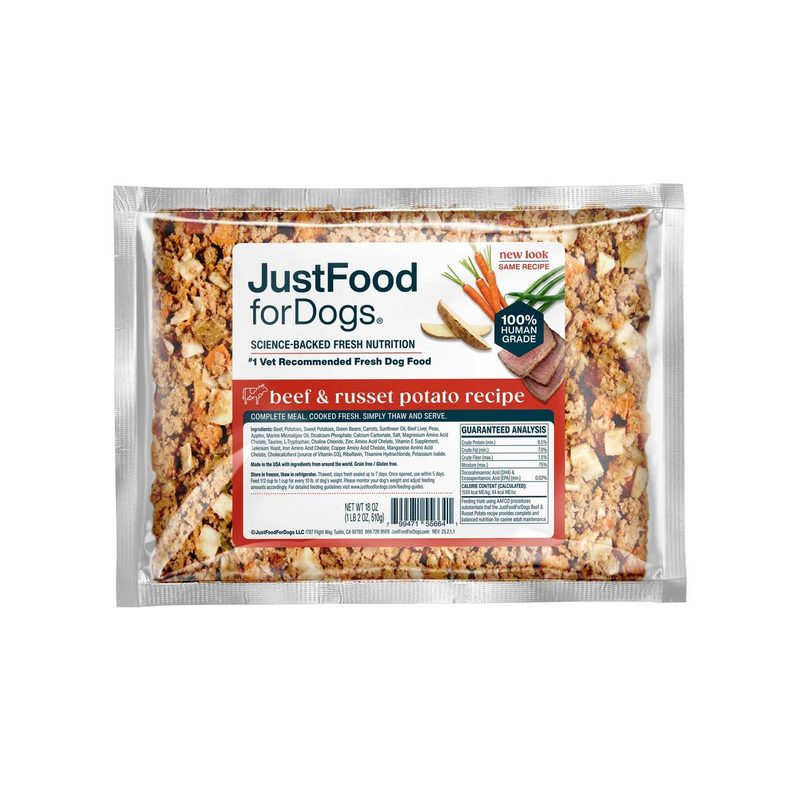
The 2021 paper Nutrient digestibility and fecal characteristics, microbiota, and metabolites in dogs fed human-grade foods compared four commercial diets, including two JFFD human-grade recipes. The recipes identified were Beef & Russet Potato and Chicken & White Rice. The study used 12 dogs in a replicated four-diet crossover design, with 28-day periods per diet.
The University of Illinois account of the research reports greater digestibility and less fecal output for the tested human-grade foods relative to the extruded comparison diet. These findings provide a concrete basis for discussing those foods’ digestive performance.
Why the comparison details matter
The diets differed in ingredients, nutrient composition, and processing. The study therefore evaluates the finished foods as tested; it does not isolate the word fresh as the cause of every difference. The research also included another fresh food, reinforcing why recipe-specific evidence is more useful than assuming every product in a category performs identically.
JFFD’s study explanation identifies the tested recipes and links to the paper. Use it to locate the research, then keep the conclusion tied to what the investigators measured. A smaller stool volume can be a relevant finding without becoming a claim that a food prevents disease.
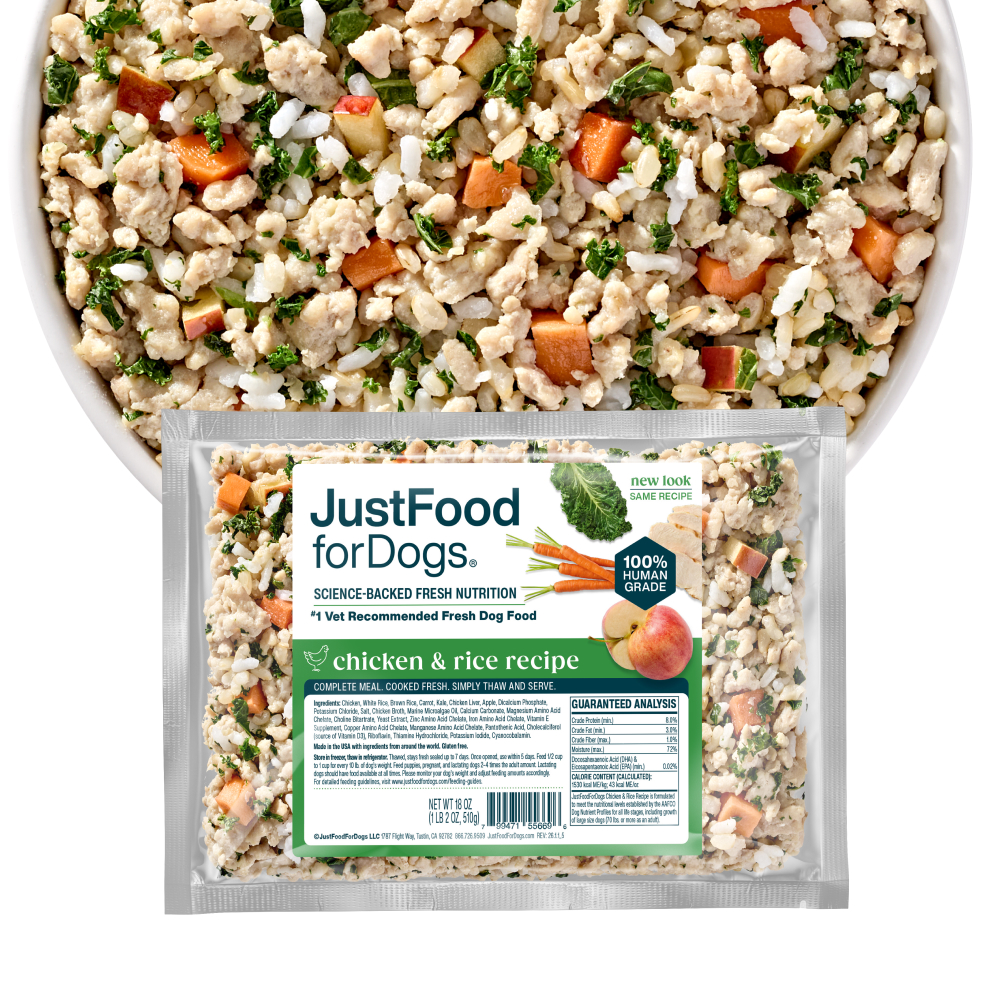
For owners evaluating a current cooked recipe, JustFoodForDogs Chicken & Rice is an option to review. Confirm the current formulation and label rather than assuming a historical study describes every later product version in every respect.
Read the question the study was designed to answer
Nutrition studies often measure a specific outcome under defined feeding conditions. Digestibility studies estimate the proportion of nutrients or energy digested rather than lost in feces. Other studies may examine stool characteristics, blood measures, or changes over a feeding period. These endpoints can be useful, but they are not interchangeable. Read the measured result before deciding which product claim it supports.
For example, a study in healthy adult dogs does not directly establish a feeding outcome in growing puppies or dogs with a particular disease. That does not make the study worthless. It defines the population to which the evidence most directly applies. A veterinarian can weigh it with the formulation, other evidence, and the patient’s requirements.
Why a crossover design helps, and what it cannot do
In a crossover feeding design, the same dogs receive different diets during separate periods. This can help researchers compare responses while accounting for differences among dogs. The order, adaptation periods, and measurements still matter. A reader should not interpret the design as if every possible fresh recipe and every possible dry recipe had been tested.
The four-diet study discussed above compared specific finished foods. Those foods differed in more than whether someone called them fresh. Ingredients, nutrient composition, processing, and moisture may vary together. The observed difference therefore belongs to the diets and study conditions tested; it does not isolate a universal benefit attributable to the word “fresh.”
Keep statistical findings connected to the decision
A research result can be statistically significant without answering every practical question an owner has. Lower fecal output may matter to someone managing the daily routine, but it does not by itself tell you which serving amount to use or whether a recipe is appropriate for a puppy. The feeding label and individual calorie plan remain necessary after you understand the study.
When a brand summarizes a paper, look for the original study citation and compare the summary with the actual endpoint. A headline may compress several qualifications. Useful details include the number and type of dogs, the diets tested, the length of each feeding period, and the measured outcome. Keep those details with the result when discussing it with your veterinarian.
What the research does not establish
A digestibility result does not prove a lifespan benefit. A favorable result in healthy study dogs does not automatically establish suitability for a dog with kidney disease, a food allergy, or another specific medical need. It also does not show that every fresh diet is nutritionally better than every kibble.
These boundaries do not make the research unhelpful. They identify the conclusion you can use. A good recommendation combines relevant study findings with the dog’s needs, the current recipe, and a feasible feeding plan.

Claims that need a different level of evidence
- A promise that the food extends life by a stated number of years.
- A claim that it prevents or treats a disease based only on digestion data.
- A statement that all dogs should change to one food format.
- A claim that a historical study proves the performance of every current recipe.
The same discipline applies to homemade food. Cooking at home can produce a suitable diet when a qualified formulation is followed, but it can also produce nutrient deficiencies when ingredients or supplements are improvised. Homemade, fresh, and complete are different descriptions.
Read customer experiences for the right purpose
Fresh dog food reviews may help you understand packaging, delivery, texture, or the effort involved in feeding. They can also reveal questions worth asking a manufacturer. They are not controlled evidence of medical benefit, and a collection of positive experiences cannot establish the best food for every dog.
Look for a reviewer who identifies the exact recipe, explains the feeding context, and distinguishes observation from inference. Be cautious with conclusions that turn one dog’s enthusiasm or stool change into a universal health claim.
A plausible mechanism is not an observed outcome
An explanation of how a nutrient is digested can help make sense of a result. It is still different from evidence that a particular commercial food produces a long-term health outcome. Claims about preventing disease, reducing future medical costs, or extending life need evidence suited to those outcomes. They should not be inferred automatically from softer texture, recognizable ingredients, or a digestibility comparison.
The absence of that broader conclusion does not erase ordinary reasons to choose a fresh meal. Preparation, moisture, taste acceptance, and the fit of a suitable recipe can matter in day-to-day feeding. Describe those benefits as practical features or individual observations instead of converting them into medical promises.
An owner’s observation is useful but limited
If an owner reports that a dog readily ate a new cooked meal, that observation can be useful when discussing appetite and the feeding routine. It does not prove that the same food will work for every dog. Several things may change at once during a switch, including serving amount, treats, ingredients, and meal timing.
A simple record can make observations more informative: note the product, amount, transition dates, and relevant changes. Persistent problems should be discussed with the veterinarian. Avoid repeatedly changing foods and supplements without a plan, because the growing number of changes can make it harder to understand what is happening.
How JustFoodForDogs fits the evidence checklist
JustFoodForDogs provides prepared cooked diets, product-level nutritional information, and links to published research involving selected recipes. Those are concrete materials an owner can bring to a veterinary discussion. The next step is to connect them to the current recipe and the dog’s requirements.
For example, compare Beef & Russet Potato with another suitable recipe on the basis of its present label, nutrient information, tolerance, and portioning needs. The fact that a recipe name appears in research is useful context, not a reason to ignore an individual restriction.

A product-level review
- Confirm the current adequacy and life-stage statement.
- Ask which research findings apply to that recipe or formulation.
- Review calorie density and any medically relevant nutrient information.
- Check manufacturer instructions for storage and opened food.
- Agree on what to monitor after introducing the diet.
Our broader guide to veterinarian-recommended dog foods explains the diet-selection context. A brand discussion is useful when it leads to these specific checks, rather than replacing them with a ranking slogan.
Ask for evidence that belongs to the product you are buying
JustFoodForDogs provides recipe information and research that owners can bring into this conversation. Match the material to the exact product. Evidence for a tested chicken recipe does not automatically describe every food in a company’s range, and a product’s storage instructions do not come from a digestibility paper. Keep the nutritional statement, feeding directions, and research citation in their proper roles.
When a recipe changes, confirm that the current label and calorie information match the food in your order. A familiar name can make it easy to overlook an updated package or serving direction. This is a routine check, not a reason to assume a problem. It helps ensure that the veterinarian is discussing the meal you will actually feed.
Choose a question that the evidence can answer
Instead of asking whether one food is the healthiest in every circumstance, ask whether it is a suitable complete meal for your dog and what evidence supports that use. Then ask which practical benefits justify a change for your household. This produces a clearer recommendation and a more realistic expectation of what a food switch can accomplish.
You should finish the discussion knowing the recipe, daily amount, handling routine, and observations that would prompt a follow-up. Those details make a recommendation usable. They also let you distinguish a thoughtful feeding plan from a general endorsement that leaves all of the important decisions to the owner.
Bring these questions to your next veterinary visit
Ask for a practical feeding recommendation that you can carry out. That means an exact recipe or nutritional specification, a starting daily amount, a plan for extras, and a reason to adjust or return for review. A diet’s quality is harder to assess when no one knows how much the dog is actually receiving.
The JustFoodForDogs feeding calculator can help prepare for that conversation. Treat its estimate as a starting point to discuss, especially if the dog has medical needs or will receive a combination of foods.
Questions that lead to an actionable answer
- Is this recipe appropriate for my dog’s life stage and health?
- Which claim is supported by the evidence we are discussing?
- How many daily calories should come from the main diet and from extras?
- What observations should prompt a portion change or an appointment?
- How should I introduce the food and manage leftovers?
Practical benefits still matter even when they are not study endpoints. You may value a moist prepared meal, clear recipe information, or a routine that avoids home cooking. Weigh those benefits alongside recurring cost and storage demands so the choice remains sustainable.
A thoughtful fresh-food recommendation is specific: a suitable cooked recipe, evidence interpreted within its limits, and a feeding plan for the individual dog. That is more useful than either endorsing or dismissing an entire food format.
Frequently Asked Questions
A claim that a fresh dog food is the most vet recommended needs a defined, representative survey showing who was asked and what they recommended. It is different from a clinician selecting a recipe for an individual patient. This article does not establish a national ranking. Use any brand claim as a prompt to inspect the exact food’s formulation, evidence, and suitability for your dog.
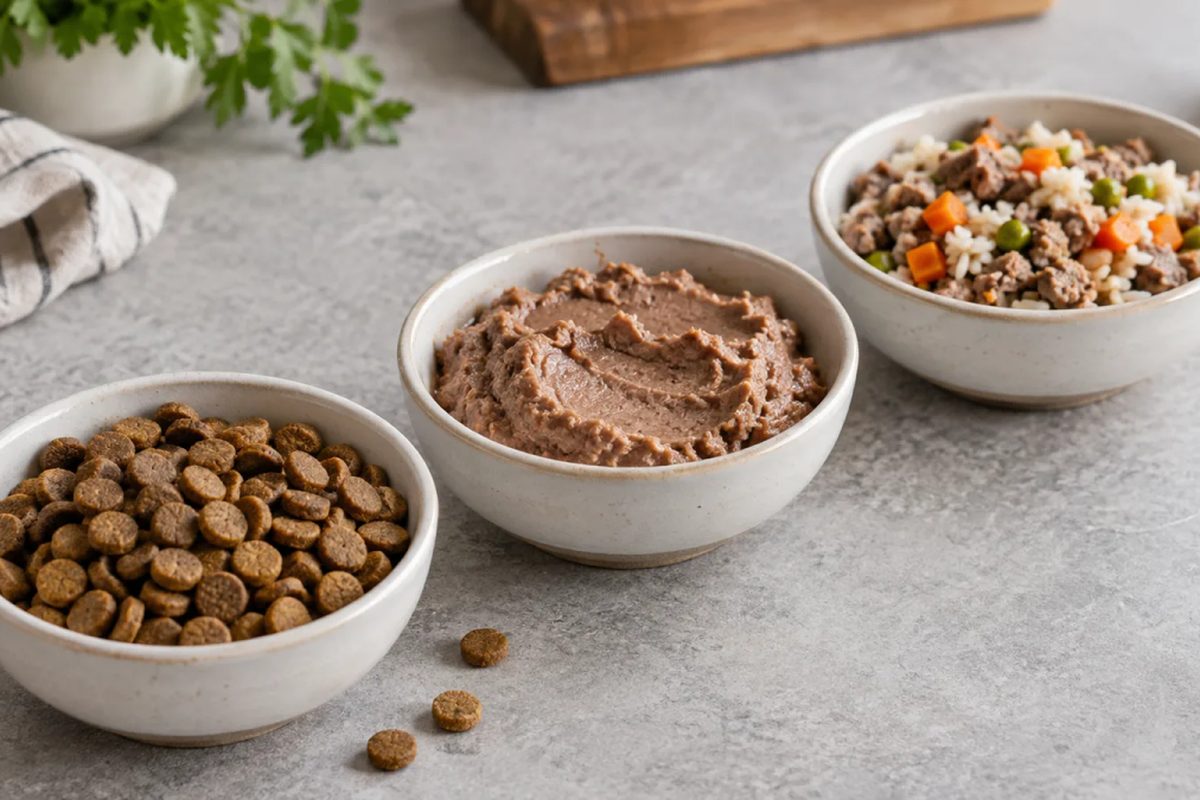
Whether it is better to feed dogs fresh or dry food depends on which complete and balanced recipe suits the dog and household. Compare nutritional needs, evidence, tolerance, and the feeding routine, including storage and ongoing cost. Fresh cooked meals can offer moisture and a soft texture; dry food offers different practical advantages. A meaningful choice identifies which benefits matter for the individual dog rather than assuming that format alone determines quality.
Research on digestibility does not establish that dogs live longer with homemade dog food. Its suitability depends on a qualified formulation and consistent preparation; improvised recipes can cause nutrient deficiencies. A study of digestibility in a commercial fresh food does not answer the lifespan question for homemade diets. If you want to cook for your dog, obtain a complete recipe matched to the dog’s needs and follow it precisely.
A veterinarian may recommend a suitable cooked fresh recipe using recipe-specific evidence, quality control information, and the individual dog’s requirements. That is more precise than recommending all foods labeled fresh. Bring the current label and the planned daily amount to the conversation. Ask how to monitor the dog’s response and when to adjust the portion or reassess the diet.
The healthiest fresh foods for dogs to eat as a main diet must supply complete nutrition for their life stage and individual needs. A cooked meat or vegetable can be an ingredient without making a balanced daily recipe on its own. Keep additional foods within the overall feeding plan and ask about restrictions when the dog has a medical condition, food allergy, or growth-related need.