Hydrolyzed Protein Dog Food: What It Is and When Vets Recommend It
Published on July 19, 2026

Hydrolyzed protein dog food is a specialized diet in which the protein has been broken down into pieces so small that your dog’s immune system is far less likely to recognize them. Veterinarians reach for it most often when a dog has itchy skin, recurring ear trouble, or ongoing digestive upset that points toward a possible food sensitivity. Because these formulas are built for a specific clinical job, most hydrolyzed protein dog food is dispensed through, or authorized by, a veterinarian rather than grabbed off a store shelf.
This guide from the Vetstreet Team explains what hydrolysis actually does to a protein, why vets use these diets during a food elimination trial, whether you need a prescription, how long a dog typically stays on one, the disadvantages worth knowing, and the whole-food alternatives that can fit milder cases. Every dog’s situation is different, so treat this as background for a conversation with your own veterinarian, not a replacement for one.
All featured products are chosen at the discretion of the author. However, Vetstreet may make a small affiliate commission if you click through and make a purchase.
Key Takeaways
- Hydrolysis shrinks the protein. Proteins are broken into tiny peptides and amino acids, so the immune system has a harder time flagging them as a target.
- It is mainly a diagnostic tool. Vets use hydrolyzed protein dog food during an elimination diet trial to help identify what a dog is reacting to, under veterinary guidance.
- Most versions are veterinary-authorized. The leading hydrolyzed diets are therapeutic foods you get through your vet, not standard retail products.
- Trials usually run 8 to 12 weeks. Some dogs stay on a complete and balanced hydrolyzed diet long term if their vet advises it.
- There are trade-offs. Cost and palatability can be real disadvantages, while some dogs with milder concerns may have other diet options to discuss with their veterinarian.
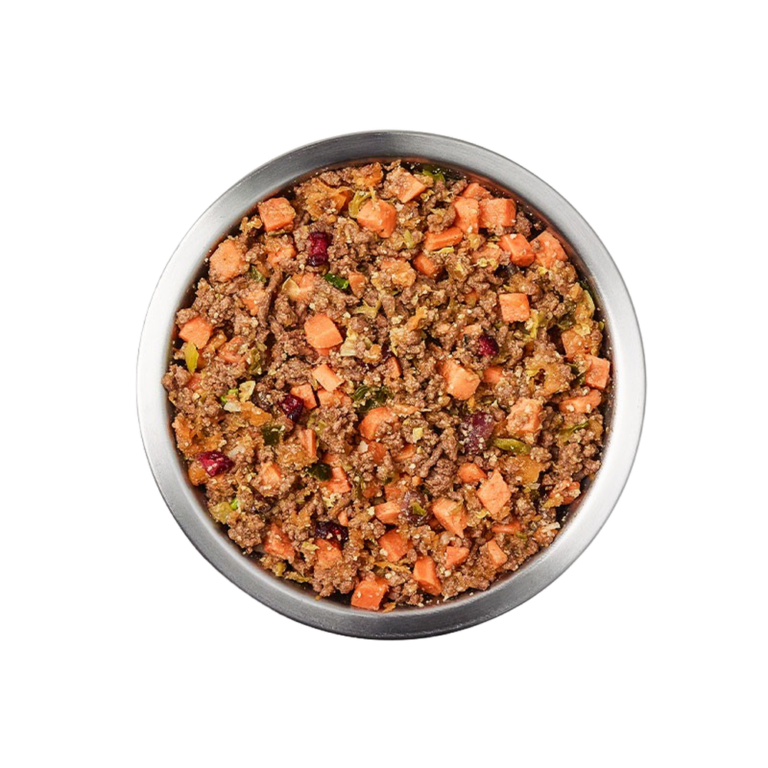
Vetstreet may earn a commission when you click through to JustFoodForDogs, at no extra cost to you.
What Is Hydrolyzed Protein Dog Food?
Hydrolyzed protein dog food starts with an ordinary protein source, such as chicken, soy, or feathers, and then puts it through a process called hydrolysis. Hydrolysis uses water, enzymes, and controlled conditions to snip the long protein chains into much smaller fragments known as peptides, and in some cases all the way down to individual amino acids. The nutrition your dog needs is still there. What changes is the size and shape of the protein pieces.
That size change is the whole point. A dog with a food sensitivity is usually reacting to a protein its immune system has seen many times and learned to overreact to. The immune system recognizes proteins by their shape, latching onto specific stretches of the molecule. When a protein is chopped into fragments below a certain size, those recognizable stretches are largely gone, so the immune system is far less likely to sound the alarm. In plain terms, the food flies under the radar.
How Hydrolysis Works, Step by Step
It helps to picture a protein as a long beaded necklace, with each bead an amino acid. In a normal diet, your dog eats the whole necklace and its body breaks it apart during digestion. In a hydrolyzed diet, the manufacturer does much of that breaking in advance, cutting the necklace into short strings of just a few beads. Intact proteins in dog food are large molecules; hydrolyzed formulas aim for peptides small enough that the immune system struggles to identify them.
Because the protein arrives pre-cut, a hydrolyzed diet also tends to be easy to digest, which is one reason vets consider it for some dogs with sensitive stomachs as well as skin signs. The carbohydrate source in these diets is usually a single, purified starch chosen to keep the ingredient list as simple and predictable as possible.
Why Smaller Proteins Matter for the Immune System
Food sensitivities in dogs most often trace back to common proteins like beef, dairy, chicken, or egg, not to grains or fillers as many owners assume. The reaction happens when the immune system misreads a familiar protein as a threat and mounts a response that can show up as itchy skin, red ears, paw licking, or loose stools. Hydrolyzed protein dog food does not switch that response off. It simply removes the recognizable trigger from the bowl so the immune system has far less to react to, which can help support dogs during a carefully run food trial.
Why Do Vets Recommend Hydrolyzed Protein Dog Food?
The number one reason a veterinarian suggests a hydrolyzed diet is to run a food elimination trial, sometimes called a diet trial. This is the gold-standard way to investigate whether a dog’s chronic itching or digestive trouble is tied to something in its food. Skin and stool signs have many possible causes, and a controlled diet trial is how vets narrow the list.
The Food Elimination Trial
During an elimination trial, your dog eats one carefully chosen diet and nothing else for roughly 8 to 12 weeks. A hydrolyzed diet is a popular choice for this because the immune system is unlikely to recognize the fragmented protein, giving the body a genuine break from potential triggers. Everything familiar comes out of the routine for the full window: no old food, no flavored treats, no dental chews, no table scraps, and no flavored supplements unless your vet approves them.
If the signs settle during that window, the old food is often reintroduced under veterinary guidance to see whether they return. That reappearance is what points to a food-based trigger. The hydrolyzed diet itself does not resolve the underlying sensitivity. It removes the familiar protein so the process can help identify what your dog is reacting to, which is information your vet then uses to build a long-term feeding plan.
Beyond Diet Trials
Elimination trials are the headline use, but vets sometimes turn to hydrolyzed protein dog food for other situations under close supervision, including certain chronic digestive concerns where a highly digestible, low-reactivity protein can help support a dog while other steps are taken. These are decisions your veterinarian makes based on your individual dog’s history, diagnostics, and response. A hydrolyzed diet is a clinical tool, and choosing it, and knowing when to stop, belongs in a conversation with your vet.
Is Hydrolyzed Protein Good for Dogs?
For the right dog, hydrolyzed protein dog food can be genuinely useful, and quality veterinary formulas are complete and balanced, so a dog gets full daily nutrition while on them. The keyword is “right dog.” These diets are designed for animals with suspected or confirmed food sensitivities, and they earn their keep as part of a structured, vet-guided plan rather than as a casual upgrade.
For a healthy dog with no skin or digestive issues, there is no advantage to feeding a hydrolyzed diet, and there are real downsides in cost and palatability. The proteins are also less biologically familiar, which is exactly what you want during a trial but not something a typical dog needs day to day. So the honest answer to whether hydrolyzed protein is good for dogs is that it is very good for the specific dogs it was built for, and unnecessary for the ones it was not. Your veterinarian is the right person to say which group your dog is in.
Do You Need a Prescription for Hydrolyzed Protein Dog Food?
This is the question most owners actually type into a search bar, and the answer has a little nuance. The major hydrolyzed diets from veterinary nutrition brands are therapeutic foods, and reputable retailers require veterinary authorization before they will sell them to you. In practice that means you get them through your veterinarian, through a vet-linked online pharmacy, or from a retailer that verifies your vet has signed off. So for the mainstream, clinically studied options, yes, you generally need veterinary authorization.
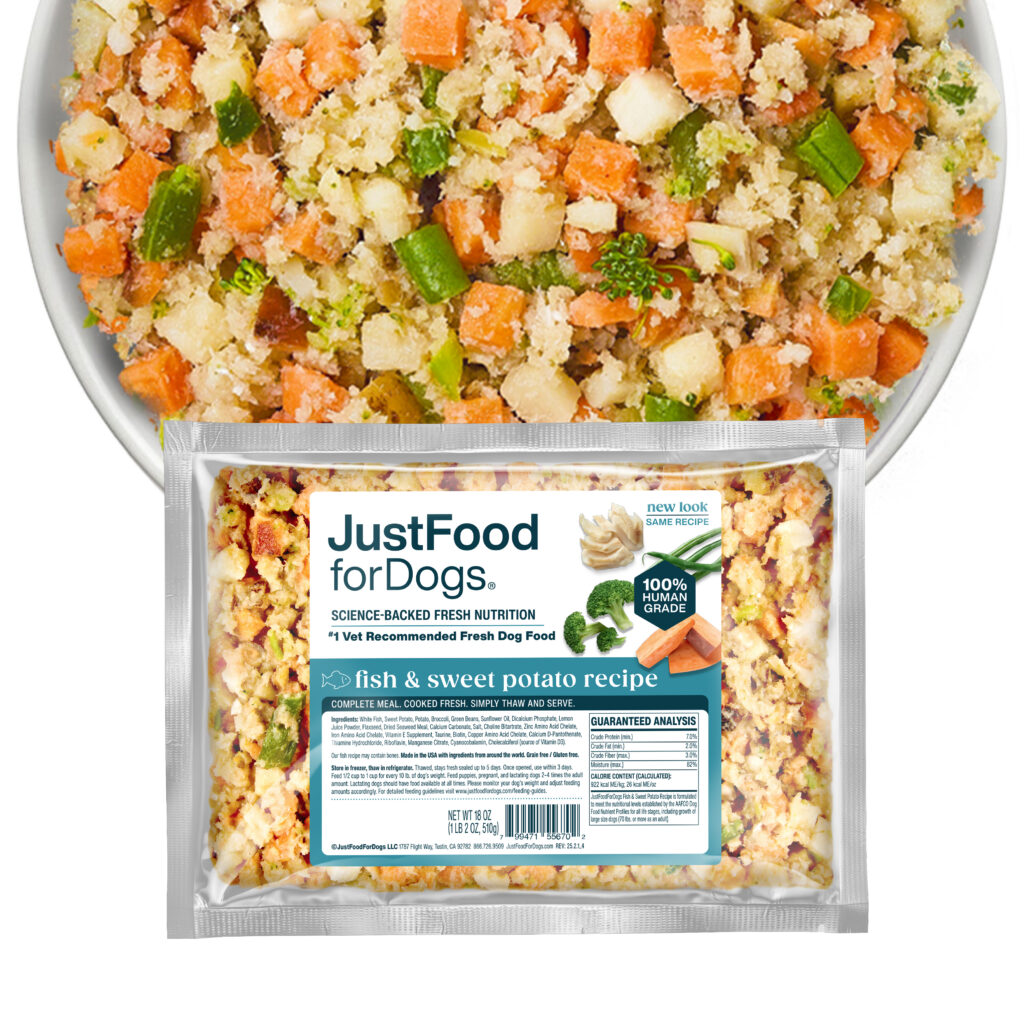
Vetstreet may earn a commission when you click through to JustFoodForDogs, at no extra cost to you.
Why Veterinary Authorization Is the Norm
There are good reasons these diets sit behind a vet’s approval. A hydrolyzed diet is meant to do a specific job, and using it correctly depends on the strict conditions of a trial: the right candidate, the right duration, and a clean routine with nothing else in the bowl. Feeding one casually, without the surrounding plan, spends money without giving your vet the clean read they need. The authorization step also makes sure a professional has looked at your dog first, because itchy skin and digestive upset have causes that food changes alone will not address, and those deserve a proper workup.
What About Products Labeled Hydrolyzed on Store Shelves
You may spot foods marketed with hydrolyzed or partially hydrolyzed ingredients that do not require any authorization. These are not the same as a full veterinary hydrolyzed diet, and the degree of hydrolysis, the purity of the other ingredients, and the clinical testing behind them can vary widely. If your goal is a real elimination trial, a partial or over-the-counter product can quietly undermine the result, because even trace amounts of a recognizable protein can keep the immune system engaged. The safe move is simple: before you spend on any hydrolyzed product, see your vet and let them steer you to the option that fits your dog’s situation. That single step is the difference between a trustworthy answer and weeks of guesswork.
Vetstreet may earn a commission when you click through to JustFoodForDogs, at no extra cost to you.
How Long Should a Dog Stay on Hydrolyzed Protein Dog Food?
Duration comes in two parts: the trial, and what happens after. The trial itself typically runs 8 to 12 weeks. That length is not arbitrary. Skin cells and the gut lining take weeks to calm down and turn over, so a shorter trial can end before the diet has had a fair chance to show whether it is helping. Stopping early is one of the most common reasons a diet trial fails to give a clear answer.
What happens after the trial depends entirely on the result and your veterinarian’s read. If the diet helped and your vet confirms a food trigger, some dogs stay on a complete and balanced hydrolyzed diet long term, because for them it is a comfortable, nutritionally complete food they do well on. Others step down to a novel-protein or limited-ingredient diet once the specific trigger is known, which can be easier on the budget and the taste buds. There is no single right length that applies to every dog. The trial gives your vet the information, and the long-term plan is built from there, with periodic check-ins to make sure your dog stays comfortable and well nourished.
What Are the Disadvantages of Hydrolyzed Protein Dog Food?
Hydrolyzed diets are powerful diagnostic tools, but they are not perfect, and it is fair to weigh the trade-offs before you start. Knowing the downsides up front makes the trial easier to stick with.
- Cost. Veterinary hydrolyzed diets sit at the premium end of the shelf. Because you may feed one for two to three months during a trial, and potentially longer, the ongoing expense adds up and is worth budgeting for from day one.
- Palatability. Breaking proteins down can leave a slightly bitter taste, and some dogs are less enthusiastic about hydrolyzed food than about their old diet. Picky eaters can make the strict trial harder to run.
- Processing and ingredients. These are highly processed therapeutic foods, and the ingredient lists can look unfamiliar to owners used to whole-food recipes. That is a deliberate design choice for the diagnostic job, but it is a mismatch for owners who prefer recognizable ingredients.
- Not a standalone answer. A hydrolyzed diet does not address every cause of itching or upset. Environmental allergies, parasites, and other conditions can look similar, so the diet works best as one part of a full veterinary workup, not a replacement for one.
- Strictness is unforgiving. A single flavored treat, chew, or bite of a family meal can undo weeks of careful work, so the trial demands real discipline from the whole household.
None of these are reasons to avoid a hydrolyzed diet when your vet recommends one. They are simply the realities to plan around so the trial has the best chance of giving you a clear, useful result.
Vetstreet may earn a commission when you click through to JustFoodForDogs, at no extra cost to you.
Hydrolyzed vs. Novel Protein vs. Standard Diets
Owners often confuse hydrolyzed diets with novel-protein and everyday diets, so it helps to see them side by side. All three can feed a dog completely, but they are built for different jobs.
| Feature | Hydrolyzed Protein Diet | Novel-Protein / Limited-Ingredient Diet | Standard Adult Diet |
|---|---|---|---|
| Main purpose | Elimination trial for suspected food sensitivity | Elimination trial or ongoing feeding for milder sensitivities | Everyday nutrition for healthy dogs |
| How the protein is handled | Broken into tiny peptides so the immune system struggles to recognize it | Whole, intact protein the dog has never eaten before | Common whole proteins like chicken or beef |
| Veterinary authorization | Usually required for the leading formulas | Often available without authorization | Not required |
| Best suited to | Dogs that have already reacted to many proteins | Dogs with milder or first-time sensitivities | Dogs with no food-related issues |
| Typical cost | Highest | Moderate to premium | Lowest |
| Taste appeal | Can be lower for some dogs | Usually high | Usually high |
The short version: a hydrolyzed diet hides the protein, a novel-protein diet swaps in one the body has never met, and a standard diet does neither. Which one fits depends on how many proteins your dog has already reacted to, and that is your veterinarian’s call.
Alternatives to Hydrolyzed Protein Dog Food
Hydrolyzed diets are not the only route for a dog with a suspected food sensitivity, and they are not always the first one a vet reaches for. Here are the main alternatives, starting with the prescription pathway that owners ask about most.
Other Veterinary Diet Options
If your veterinarian believes your dog has reacted to many proteins already, a hydrolyzed diet may genuinely be the best trial tool, and there is no substitute for that specific job. In other cases, a vet may recommend a prescription novel-protein diet built around an unusual intact protein such as rabbit or kangaroo. Both are legitimate elimination-trial diets, and the choice between them comes down to your dog’s diet history. This is a decision to make with your vet, not one to shortcut with a shelf product, because getting the trial right the first time saves months.
Whole-Food Novel-Protein Diets for Milder Cases
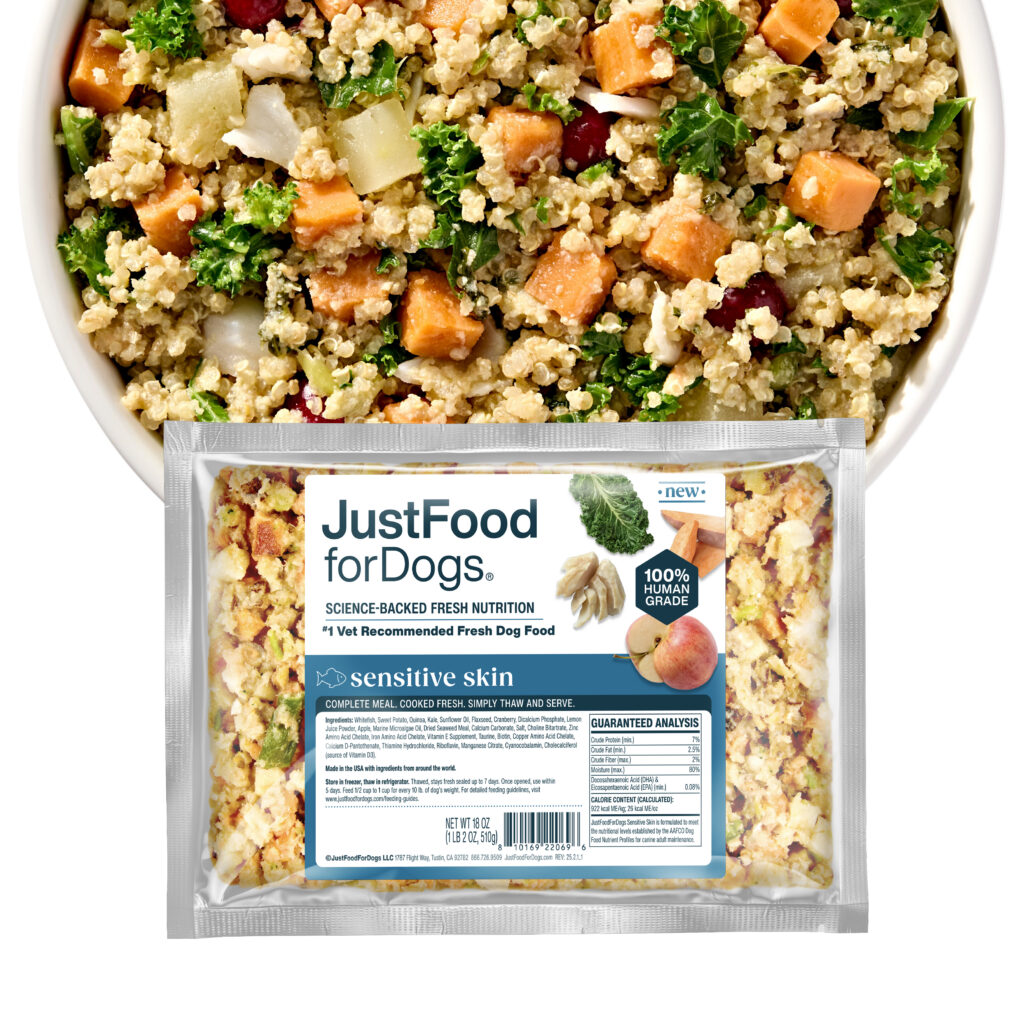
For dogs with milder or first-time sensitivities, where a full prescription hydrolyzed trial is not yet on the table, a whole-food novel-protein diet may be another everyday feeding option to discuss with your vet. This is where a fresh, human-grade option like JustFoodForDogs fits the conversation. Its Fresh Frozen recipes are made from whole ingredients you would recognize on your own plate, and the lineup includes two novel-protein choices that step away from the everyday proteins most sensitivities trace back to. You can see the full range on the brand’s recipes page.
It is worth being clear about what this is and is not. A whole-food novel-protein recipe is not a hydrolyzed diet and is not a stand-in for one when your veterinarian has called for a hydrolyzed trial. What it can offer is a palatable, complete everyday diet built on an uncommon protein, which can help support dogs with milder sensitivities while you and your vet work out a plan.
| Recipe | Novel Protein | When It Tends to Fit |
|---|---|---|
| Venison & Squash | Venison | Dogs new to red meat that need an uncommon single protein in a whole-food form |
| Fish & Sweet Potato | Whitefish | Dogs that need a novel protein plus omega-3s that can help support skin and coat |
The Venison & Squash recipe pairs an uncommon red-meat protein with an easy-to-digest carbohydrate, while Fish & Sweet Potato leans on whitefish, which is novel for most poultry-raised dogs. Both are cooked in small batches and formulated to meet AAFCO nutrient profiles, so a dog gets complete everyday nutrition rather than a stripped-down test food. JustFoodForDogs also stands out for putting its approach through real science, with five peer-reviewed studies plus one abstract behind its fresh whole-food recipes, which is reassuring for a food you may feed for months.
What Not to Rely On
Grain-free labels, single-protein kibble picked at random, and homemade diets thrown together without guidance are common owner shortcuts, and each has pitfalls. Grain-free does nothing for a dog whose trigger is a protein, a randomly chosen single-protein food may still contain a protein your dog reacts to, and an unbalanced homemade diet can leave nutritional gaps over time. If you want a fresh or home-style feeding plan, build it with your veterinarian or a veterinary nutritionist so it stays complete and balanced.
How to Start a Hydrolyzed Diet the Right Way
If your veterinarian recommends a hydrolyzed diet, a few habits make the trial far more likely to succeed. First, transition gradually over about 7 to 10 days, mixing increasing amounts of the new food with the old so your dog’s stomach can adjust, unless your vet advises an immediate switch. Second, once the trial begins, keep the bowl spotless: no old food, no flavored treats, no dental chews, no table scraps, and no flavored medications or supplements without your vet’s sign-off, because a single stray protein can cloud the whole result.
Third, keep a simple daily log of your dog’s itching, ear comfort, and stools so you and your vet can spot real change rather than relying on memory. And finally, keep every follow-up appointment. The trial only pays off when your vet reviews the result with you and decides the next step, whether that is staying the course, reintroducing foods, or moving to a long-term diet. Patience and consistency are what turn a hydrolyzed diet from an expense into an answer.
Frequently Asked Questions
For the right dog, yes. Hydrolyzed protein dog food is genuinely useful for dogs with suspected or confirmed food sensitivities, and quality veterinary formulas are complete and balanced, so a dog gets full daily nutrition while on one. It works best as part of a structured, vet-guided elimination trial rather than a casual switch. For a healthy dog with no skin or digestive issues, there is no real benefit to feeding a hydrolyzed diet, and the cost and lower palatability are downsides. Your veterinarian can confirm whether your dog is a good candidate.
Many dogs can stay on a complete and balanced hydrolyzed protein diet long term when their veterinarian advises it, because for those dogs it is a comfortable, nutritionally complete food they do well on. The key is that the specific diet is formulated to meet AAFCO nutrient profiles for your dog’s life stage, so it supports full everyday nutrition and not just a short test. Whether to continue long term, and for how long, is a decision to make with your vet, who can monitor how your dog does over time and confirm the food still fits its needs.
The leading hydrolyzed diets from veterinary nutrition brands are therapeutic foods, and reputable sellers require veterinary authorization before dispensing them, so in practice you get those through your vet or a vet-verified pharmacy. You may find some products marketed as hydrolyzed or partially hydrolyzed on regular store shelves without authorization, but these are not the same as a full veterinary hydrolyzed diet, and the degree of hydrolysis and clinical testing can vary widely. If your goal is a real elimination trial, see your vet first so you use the option that will actually give you a clear answer.
The main alternatives are a prescription novel-protein diet built around an unusual intact protein such as rabbit or kangaroo, or, for milder or first-time sensitivities, a whole-food novel-protein diet like a venison or fish recipe that your dog has never eaten. Prescription options belong to a vet-guided trial, while a fresh novel-protein food may be an everyday option to discuss with your vet. Avoid relying on grain-free labels or random single-protein kibble, since those do not target a protein trigger. Your veterinarian can match the alternative to your dog’s diet history.
During a diagnostic elimination trial, a dog usually stays on the hydrolyzed diet for about 8 to 12 weeks, which is the time the skin and gut need to calm down and reveal whether the food is helping. Stopping earlier is a common reason a trial fails to give a clear result. After the trial, your veterinarian reviews how your dog responded and decides the next step, which might be continuing the diet, reintroducing foods to pinpoint a trigger, or moving to a different long-term diet. There is no single fixed length that suits every dog, so follow your vet’s plan.
The main disadvantages are cost, taste, and processing. Veterinary hydrolyzed diets are among the most expensive foods on the shelf, and because a trial can run two to three months or longer, the expense adds up. Breaking proteins down can leave a slightly bitter taste, so some dogs are less keen on the food, which makes a strict trial harder. These are highly processed therapeutic diets with unfamiliar ingredient lists, and they are not a standalone answer, since environmental allergies, parasites, and other conditions can cause similar signs. A hydrolyzed diet works best as one part of a full veterinary workup.