Kitten Diarrhea: Causes, Treatment, and When to Worry
Published on August 19, 2026
Kitten diarrhea can be a brief response to stress or a fast food change, but it can also signal parasites, infection, feeding trouble, or another illness. Because kittens have small fluid and energy reserves, an episode that seems manageable in an adult cat can become serious much sooner in a baby cat.
The safest plan considers the kitten’s age, weight, appetite, energy, hydration, vaccination and deworming history, vomiting, stool frequency, and possible exposures. Veterinary diagnosis and cause-specific care come first. Once the kitten is stable, complete nutrition, gradual feeding adjustments, and veterinarian-guided microbiome support can help build a positive recovery plan.
This article is sponsored by Animal Biome. All veterinary information has been reviewed by the Vetstreet editorial team for accuracy. Vetstreet receives compensation from Animal Biome for this content; opinions and clinical guidance are our own.
All featured products are chosen at the discretion of the author. However, Vetstreet may make a small affiliate commission if you click through and make a purchase.
Key takeaways
Young kittens can dehydrate and weaken rapidly. Call your veterinarian promptly about kitten diarrhea, and seek urgent care for weakness, repeated vomiting, blood, pain, poor appetite, pale or tacky gums, low body temperature, or rapid worsening. The supportive care boundary is clear: diagnosis and stabilization come before supplements, and no human antidiarrheal medication should be given without veterinary direction.
Common causes of kitten diarrhea
The direct answer is that kitten diarrhea may come from coccidia, Giardia, roundworms, feline panleukopenia, other infections, a sudden diet change, overfeeding, stress, medication, or a less common intestinal or systemic disorder. The veterinary next step is to combine the history and physical examination with fecal testing or other targeted tests instead of diagnosing the cause from stool appearance alone.
The most common categories include:
- Parasites: Coccidia, Giardia, roundworms, and hookworms may cause loose stool, mucus, blood, vomiting, poor growth, a pot-bellied appearance, or weakness. Different parasites require different tests and medications.
- Viral or bacterial infection: Feline panleukopenia is a particular concern in unvaccinated or incompletely vaccinated kittens. Other infections can cause diarrhea along with fever, vomiting, appetite loss, or lethargy.
- Food and feeding changes: A rapid switch between foods, too much food at once, rich treats, cow’s milk, an unbalanced homemade mixture, or food intolerance can disturb the digestive tract.
- Stress: Adoption, weaning, travel, a new home, or changes in the household can affect stool quality, but stress should not automatically be blamed when a kitten is ill.
- Medication or systemic disease: Antibiotics and some other medications may alter stool. Liver disease, congenital problems, toxin exposure, or a swallowed object are less common but important possibilities.
VetStreet’s guide to kitten health problems to watch for explains why age and immune protection matter. Its overview of coccidiosis also shows why microscopic identification is more reliable than judging an infection by color or consistency.
Questions about what to feed a kitten with diarrhea, whether wet food caused it, or whether overfeeding is responsible are useful parts of the history, but they do not settle the cause. A kitten may need a feeding correction and still have coccidia or Giardia. Medicine or a cure for kitten diarrhea must match a veterinary diagnosis. The safest response to a kitten who has diarrhea but acts normal is to call early, preserve normal calorie intake, record the pattern, and follow the recommended testing plan rather than changing food and adding remedies at the same time.
Age, feeding, and parasite cause-to-test matrix
This age, feeding, and parasite cause-to-test matrix helps caregivers give the veterinary team a useful history. It does not diagnose a cause or make home treatment safe. A kitten’s age and weight, meal preparation, vaccine and deworming records, housing, growth, and exposure history guide which tests are useful.
| Context or clue | Possibilities the veterinarian may consider | Possible next test or check |
|---|---|---|
| Nursing, orphaned, newly weaned, underweight, or not gaining | Feeding volume or formula preparation, dehydration, low blood sugar, parasites, infection, or congenital disease | Immediate physical examination with temperature, hydration, weight, and blood glucose checks; fecal or infectious-disease testing as indicated |
| Recent formula change, incorrectly mixed formula, abrupt food switch, or unusually large meals | Feeding-related diarrhea, while recognizing that parasites or infection can occur at the same time | Detailed feeding review, weight trend, and examination; fecal testing if signs repeat, growth stalls, or exposure makes parasites plausible |
| Shelter, breeder, rescue, foster, outdoor, or multicat exposure | Coccidia, Giardia, roundworms, hookworms, Tritrichomonas, or contagious infection | Fecal flotation, direct examination, antigen testing, or molecular testing selected for the organisms and exposure pattern |
| Incomplete vaccination with vomiting, fever, appetite loss, or marked lethargy | Feline panleukopenia or another serious infection | Prompt isolation, examination, feline panleukopenia testing, bloodwork, and supportive-care assessment |
| Persistent diarrhea, poor growth, or relapse after treatment | Intermittently shed parasites, reinfection, food-related disease, medication effects, or another intestinal or systemic disorder | Repeat or specialized fecal testing, diet and medication review, bloodwork, or imaging based on the examination |
Kittens can shed some organisms intermittently, and a single screening method may not answer every question. Bring a fresh stool sample if the clinic requests one, but do not delay an urgent visit while trying to collect it. The veterinarian may choose flotation, antigen or molecular tests, bloodwork, imaging, or infectious-disease testing based on the kitten’s condition.
When kitten diarrhea is an emergency
Young kittens can dehydrate and weaken rapidly because they are small, have limited energy stores, and may not compensate for fluid loss. A nursing, recently weaned, underweight, orphaned, or very young kitten deserves an especially low threshold for veterinary care. If you are unsure, call rather than waiting for the stool to look worse.
Seek prompt or emergency veterinary care when diarrhea occurs with any of the following:
- repeated vomiting or inability to keep food or water down
- marked sleepiness, weakness, wobbliness, collapse, or reduced responsiveness
- refusal to nurse or eat, especially in a very young kitten
- blood in the stool, black or tarry stool, or frequent watery diarrhea
- pale, white, gray, blue, or tacky gums
- a painful or swollen abdomen, straining, or crying
- signs of dehydration, such as dry gums or reduced urination
- a kitten who feels unusually cold or has trouble staying warm
- suspected toxin, string, ribbon, plant, medication, or foreign-object exposure
- known exposure to feline panleukopenia or another contagious illness
- rapid weight loss, poor growth, or worsening over a few hours
Do not wait for a particular stool color or odor to confirm an emergency. A kitten with blood in diarrhea needs veterinary guidance, and a kitten who is weak or vomiting may need care even when no blood is visible. Infectious and parasitic causes require veterinary diagnosis because the right isolation, testing, and treatment depend on the organism and the kitten’s stability.
Blood with kitten diarrhea, repeated vomiting and diarrhea, or a kitten who becomes cold, quiet, or unwilling to eat deserves immediate escalation. The absence of blood does not make persistent watery stool safe, and acting normal between episodes does not rule out dehydration or parasites. When in doubt, describe the full pattern to the veterinary team and let age, weight, hydration, and exposure history guide the urgency decision.
A kitten with bloody diarrhea, a kitten who vomits and has diarrhea, or a kitten with diarrhea and blood should be treated as more than a routine food question. Those phrases all describe combinations that can signal significant fluid loss, infection, parasites, or another urgent disorder. Call promptly even if the kitten briefly seems brighter between episodes.
- Isolation reminder: Call before arrival when a contagious disease is possible so the clinic can protect other cats.
If feline panleukopenia is possible, call the clinic before arrival so the team can advise safe entry and isolation. Keep the kitten away from other cats, do not share bowls or litter tools, and follow the clinic’s disinfection directions. Prompt care protects both the sick kitten and other cats.
When should I be worried about my kitten’s diarrhea?
You should be worried about your kitten’s diarrhea immediately when the kitten is very young, underweight, unvaccinated, weak, cold, vomiting, not eating, painful, or passing blood. These signs can accompany dehydration, hypoglycemia, a serious infection, parasites, or another problem that needs fast assessment.
For an older, bright, eating kitten with one mildly loose stool and no other signs, call your regular veterinarian for age-specific urgency guidance and monitoring instructions. Report how often the kitten has passed stool, what it looks like, whether appetite and drinking are normal, and whether there were recent food, medication, household, or exposure changes. If another loose stool occurs or the kitten’s behavior changes, update the clinic promptly.
Diagnosis, treatment, and gut recovery
A useful sequence is triage, veterinary workup, cause-specific treatment, and planned follow-up. The veterinarian first checks temperature, weight, hydration, gum color, abdominal comfort, and overall responsiveness. The next practical step may be a fecal test, blood glucose measurement, bloodwork, feline panleukopenia test, imaging, fluid therapy, or close recheck, depending on what that examination shows.
Bring this information to the appointment when possible:
- the kitten’s age, current weight, and recent weight trend
- vaccine, deworming, and medication records
- the exact food, amount, meal schedule, and any recent transition
- a timeline of stool frequency, vomiting, appetite, water intake, and urination
- recent adoption, travel, boarding, breeder, shelter, or multicat contact
- possible access to string, plants, trash, medications, chemicals, or human food
- a fresh stool sample in a clean, sealed container, if requested
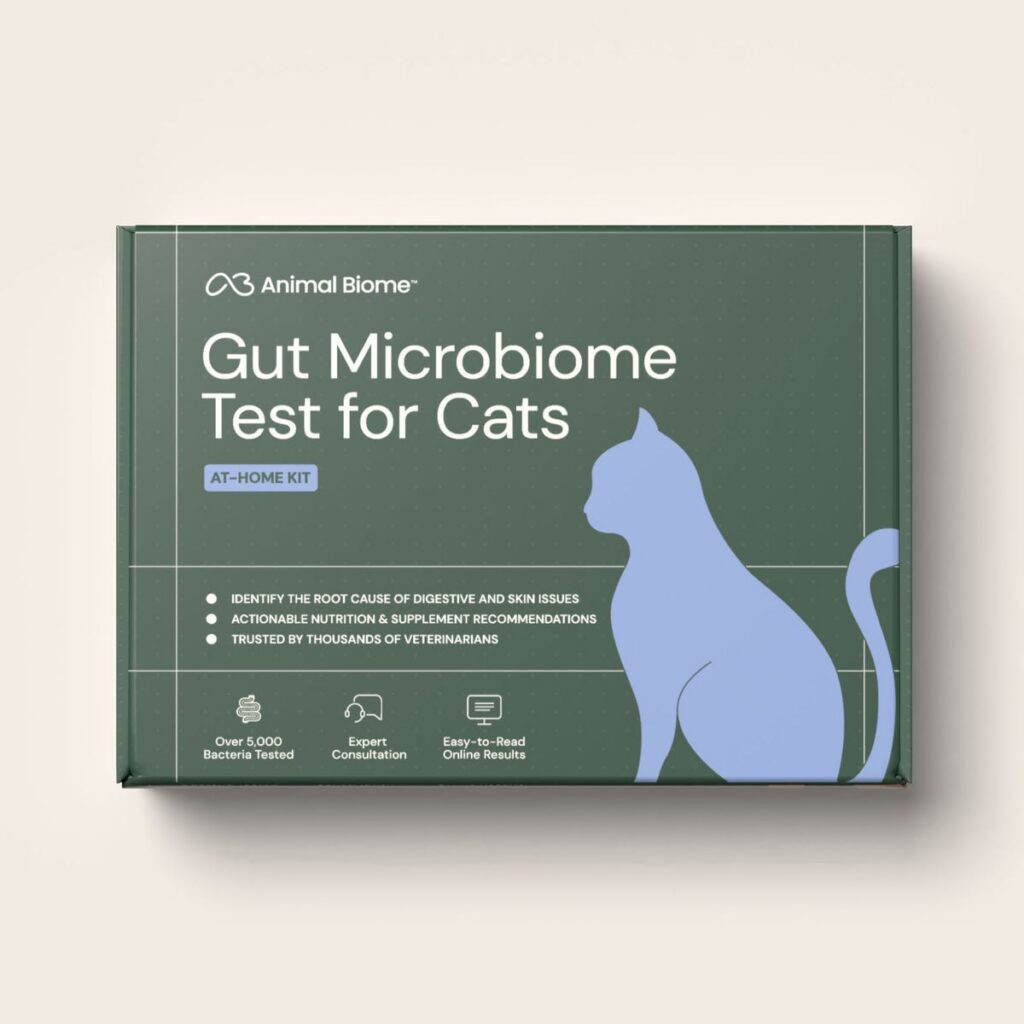
The Animal Biome Gut Microbiome Test for Cats profiles bacterial populations in a submitted stool sample and may give a veterinarian another piece of information when a stable kitten has persistent or recurrent digestive concerns. It is not a parasite test, food-allergy test, emergency screen, or veterinary diagnosis. Standard clinical testing still comes first when diarrhea is active or the kitten is unwell.
Treatment for kitten diarrhea is not one over-the-counter product. What to give a kitten with diarrhea may include warmed fluids, glucose, complete kitten food, a targeted coccidia or worm medication, anti-nausea care, or another prescription chosen from the examination and test results. A remedy that slows stool can hide progression without correcting infection, dehydration, or obstruction. The veterinary plan should name the likely cause, protect calories and hydration, and set a clear time for reassessment.
How veterinarians treat kitten diarrhea
Treatment depends on the cause and severity. A dehydrated or weak kitten may need warmed fluids, glucose support, anti-nausea medication, nutrition support, temperature control, or hospitalization. A diagnosed parasite or bacterial complication may require a specific prescription. A swallowed object or another structural problem may need imaging and a different intervention.
Veterinary treatment may include:
- fluids and electrolyte support matched to hydration status
- parasite medication selected for the identified or strongly suspected organism
- anti-nausea or other symptom control chosen for the kitten’s age and condition
- nutrition support using an age-appropriate complete diet
- isolation and intensive care for a contagious or seriously ill kitten
- repeat examination or testing if diarrhea persists, recurs, or growth falls behind
Prompt veterinary care comes before planned follow-up. A cold, weak, vomiting, bleeding, painful, dehydrated, or non-eating kitten needs assessment, not a supplement trial. Once urgent and infectious causes are addressed, the veterinarian can guide nutrition, medication, hygiene, and microbiome support during recovery.
No human antidiarrheal medication without veterinary direction is a firm rule. Do not give loperamide, bismuth, leftover antibiotics, pain medicine, or another human product unless a veterinarian has specifically prescribed it for this kitten. Small body size and the possibility of infection, obstruction, or dehydration make guesswork especially risky.
Feeding and hydration during recovery
Kittens need complete kitten nutrition during recovery because growth continues even when the digestive tract is upset. Do not fast a young kitten unless the attending veterinarian gives a specific, time-limited instruction. Ask what food to offer, how much, how frequently, and how quickly to transition back to the kitten’s regular complete and balanced diet.
A safe feeding and hydration plan may include:
- small, measured meals of a veterinary-recommended complete kitten food
- a gradual transition between diets rather than an abrupt switch
- fresh water in an easy-to-reach, clean bowl
- wet food when appropriate for the kitten and the veterinarian’s plan
- daily weight checks for a very young or recovering kitten, using the same scale
- separate bowls, litter boxes, and cleaning tools when contagion is possible
Do not substitute cow’s milk, cream, broth containing onion or garlic, raw food, fatty scraps, seasoned meat, or an improvised long-term bland diet. A temporary home-prepared diet may not supply the protein, fat, vitamins, minerals, and calories a growing kitten needs. If the veterinarian recommends a short transition diet, confirm the ingredients and duration.
Daily monitoring checklist
Daily monitoring should show whether the whole kitten is recovering, not only whether one stool looks firmer. Use the same scale and schedule when the veterinary team recommends weight checks, and contact the clinic sooner if the kitten weakens, feels cold, vomits, stops eating, passes blood, or misses the agreed checkpoint.
| Check | What to record each day | Escalation clue |
|---|---|---|
| Stool | Time, number of episodes, consistency, estimated amount, mucus, blood, or black color | Increasing frequency, watery volume, blood, or black stool |
| Food and fluid | Exact food or formula, preparation, portion, appetite, nursing, drinking, and any vomiting | Refusal to nurse or eat, repeated vomiting, or inability to keep water down |
| Output and hydration | Urination, gum moisture and color, and any veterinary hydration instructions | Reduced urination, tacky or pale gums, or worsening weakness |
| Growth and comfort | Weight when advised, energy, warmth, posture, abdominal comfort, and interaction | Weight loss, stalled growth, feeling cold, pain, hiding, wobbliness, or reduced responsiveness |
| Treatment and exposure | Every medication or supplement dose, cleaning steps, sick-cat contact, and diet changes | Missed treatment, new exposure, or relapse after apparent improvement |
Can overfeeding kittens cause diarrhea?
Yes, overfeeding kittens can contribute to diarrhea, particularly when a large volume stretches the digestive system or when a bottle-fed kitten receives too much formula at once. Mixing formula incorrectly, changing brands suddenly, feeding too quickly, or using a nipple with an unsafe flow can also cause trouble. Still, overfeeding should not be assumed when a kitten is weak, vomiting, failing to grow, or repeatedly passing watery stool.
Use measured portions and an age-appropriate schedule from your veterinarian, rescue coordinator, or the formula manufacturer. For bottle babies, weigh the kitten consistently and ask for hands-on instruction about formula preparation, feeding position, burping, and stimulation for elimination. Never force liquid into a kitten who is not swallowing normally because aspiration is dangerous.
Can wet food give kittens diarrhea?
Wet food can be associated with kitten diarrhea when it is introduced abruptly, overfed, spoiled, left out too long, or combined with many other diet changes. The moisture itself is not inherently a problem, and a complete and balanced wet kitten food can be an appropriate part of the diet. The important variables are nutritional adequacy, portion size, freshness, and the speed of transition.
If stool loosens after a food change, keep the package label and note the dates and portions. Call the veterinarian before repeatedly switching foods, because each new change can make the pattern harder to interpret. A kitten who also has blood, vomiting, poor appetite, fever, weakness, or weight loss needs evaluation rather than another menu experiment. Food sensitivities can also play a role as kittens grow; Petful’s guide to food allergies in cats covers the signs and testing.
How to firm up a kitten’s poop safely
To firm up a kitten’s poop safely, start by calling the veterinarian, keeping the diet consistent, offering measured meals of complete kitten food, and monitoring hydration, appetite, energy, and weight. You firm up a kitten’s poop over time by following the diagnosis and completing prescribed treatment, not by simply slowing the intestine with an unapproved medication.
Keep a short log of meals, stool frequency, medications, vomiting, and weight. Save a fresh fecal sample if the clinic requests one. Avoid pumpkin, fiber powders, probiotics, dewormers, or diet restriction unless the veterinarian confirms they fit this kitten, since the wrong home remedy can delay parasite treatment or reduce calorie intake. At follow-up, report whether stool frequency, shape, blood or mucus, appetite, energy, and weight are improving; persistent or relapsing diarrhea may require repeat fecal testing or a broader workup. Petful’s guide to chronic diarrhea in cats explains how that broader workup unfolds.
What can I give a kitten to stop diarrhea?
What you can give a kitten to stop diarrhea depends on the diagnosis. A veterinarian may recommend fluids, a complete kitten diet, a targeted parasite treatment, or another medication. There is no single safe over-the-counter answer for coccidia, Giardia, roundworms, feline panleukopenia, dietary upset, and a swallowed object because those causes need different care.
Do not use an adult cat’s prescription, a leftover dewormer, or a human antidiarrheal. When the kitten is stable and the cause is being treated, ask whether an adjunctive microbiome product fits the recovery plan. Products should support the plan, not replace fecal testing, infection control, hydration assessment, or prescribed treatment.
Microbiome support after diagnosis and stabilization
Diarrhea, diet changes, stress, and some medications can affect the intestinal microbial community. Animal Biome offers cat-focused testing and microbiome products that can fit a thoughtful, veterinarian-guided plan. The positive role is adjunctive: support may be considered after the medical priority is clear and the kitten is stable enough for home care.
Daily maintenance for a stable kitten
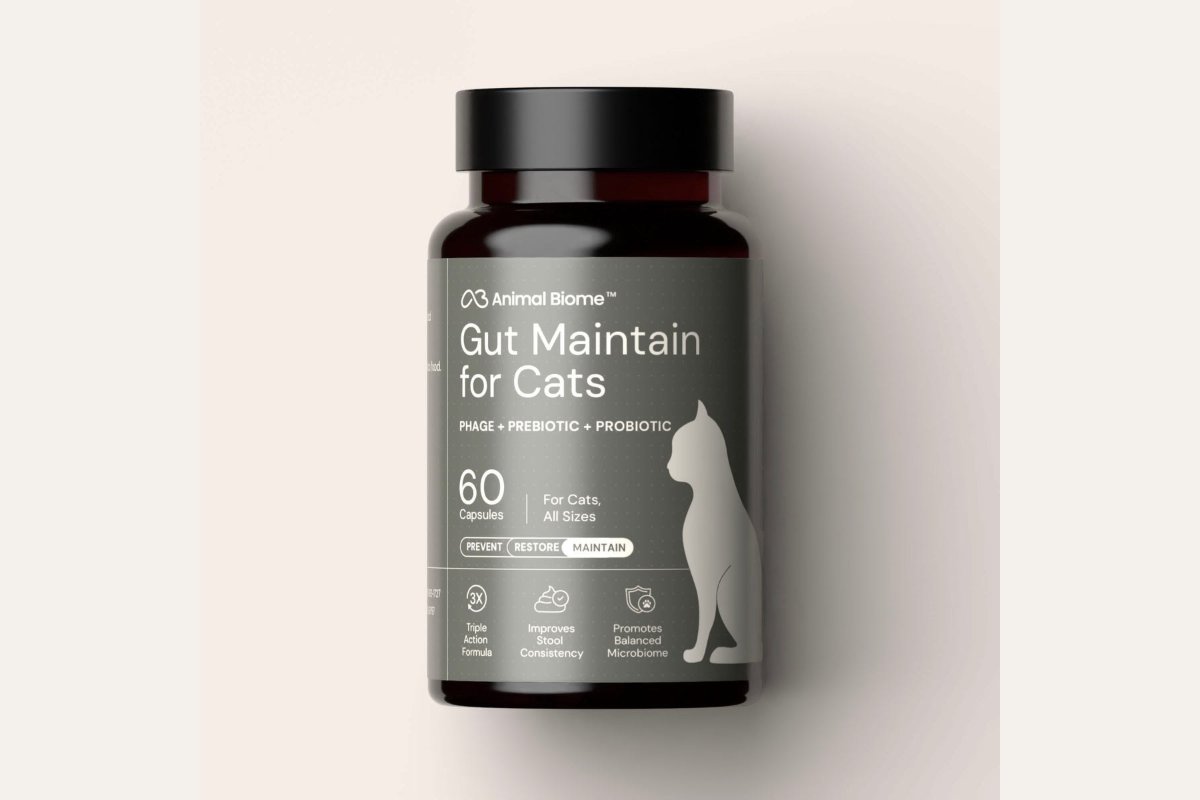
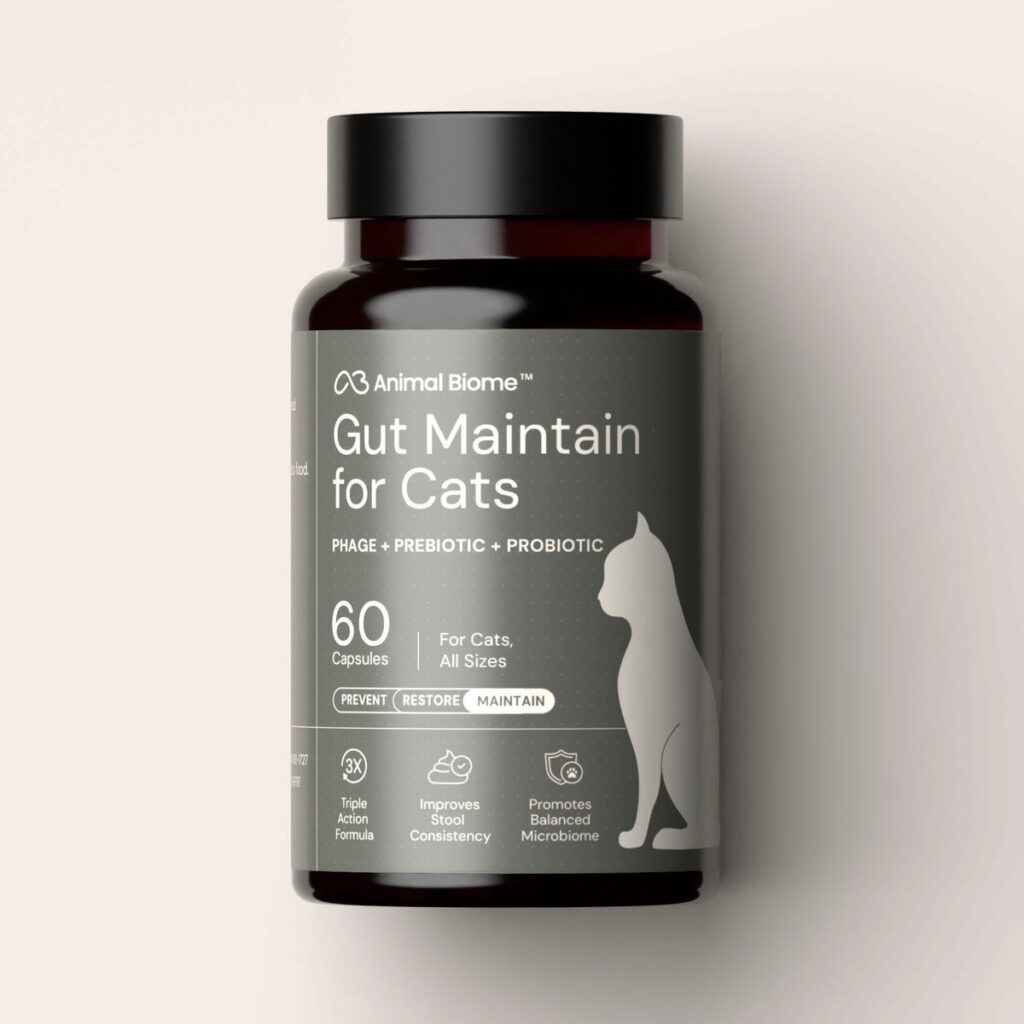
Gut Maintain for Cats is Animal Biome’s daily maintenance option and combines Saccharomyces boulardii, mannan-oligosaccharides, and a bacteriophage blend. For an age-appropriate, stable kitten whose veterinarian agrees with its use, it may be considered during occasional stool-quality changes or follow-up. It is not a treatment for feline panleukopenia, coccidia, Giardia, roundworms, dehydration, or another diagnosed disease.
Use only the product amount and schedule that the veterinarian confirms for the kitten. Stop and contact the clinic if stool worsens, vomiting begins, appetite falls, or the kitten becomes less active. A product trial should never extend the wait for a recheck.
A focused yeast-based option
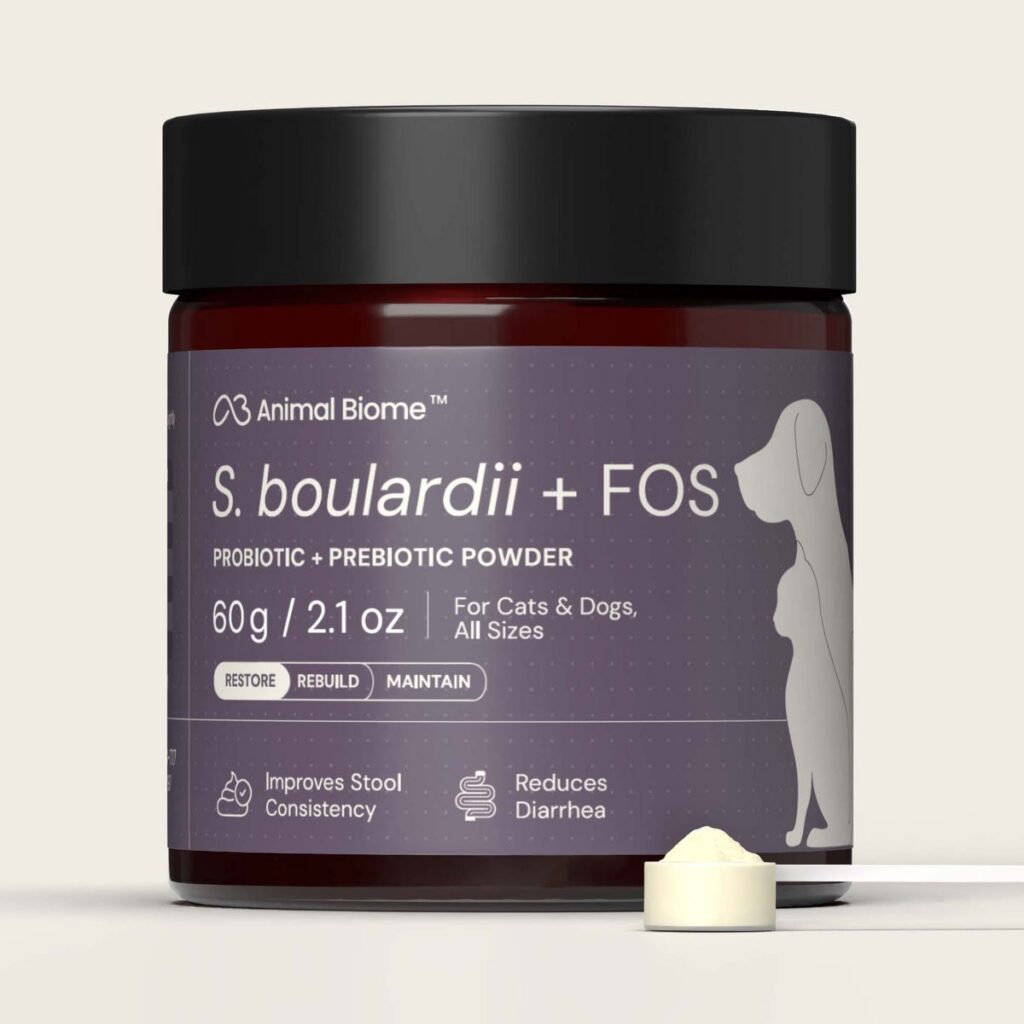
Animal Biome’s S. boulardii + FOS Powder combines a beneficial yeast with a prebiotic fiber. A veterinarian may consider it for a stable kitten as one part of digestive support, particularly when diet, hydration, and the underlying cause are already being addressed. Its role remains supportive rather than anti-infective.
Because kittens are small and nutritionally vulnerable, do not estimate an adult-cat amount. Confirm age suitability and use with the veterinarian, especially for an orphaned, underweight, immunocompromised, or medically complex kitten.
Broader restoration for selected cases
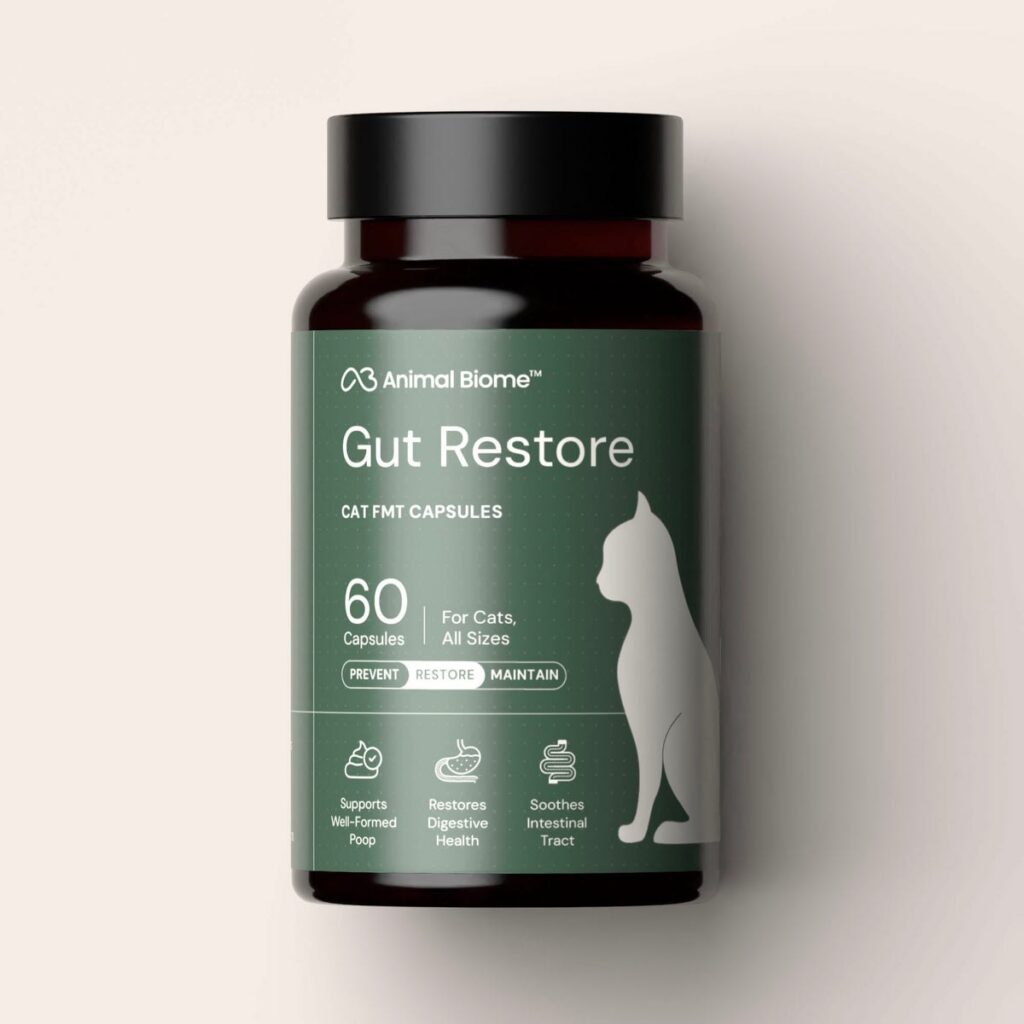
Gut Restore for Cats is an oral fecal microbiota transplant capsule intended for broader microbiome restoration. It is a different tool from daily maintenance and should be discussed with the veterinarian when a stable cat has an appropriate history and clinical context. It should not be positioned as a shortcut around parasite testing, prescription treatment, or isolation for contagious disease. For cats later diagnosed with inflammatory bowel disease, WebVet’s guide on what to feed a cat with IBD covers the diet side of long-term management.
The choice among testing, daily maintenance, a focused yeast-based product, or broader restoration should follow the veterinary workup. Using fewer, well-chosen changes also makes it easier to tell whether the kitten is improving and why.
What are the first signs of fading kitten syndrome?
The first signs often described with fading kitten syndrome include reduced nursing, poor weight gain, unusual crying, weakness, low activity, separation from the litter, cool body temperature, pale gums, dehydration, or reduced responsiveness. Diarrhea may be present, but the term describes a rapidly declining kitten rather than one specific disease.
A fading kitten is an emergency. Keep the kitten safely warm during transport as directed by a veterinary professional, but do not force-feed or syringe liquids into a weak, cold, or poorly responsive kitten. Immediate veterinary care is needed to check temperature, blood glucose, hydration, infection, congenital problems, parasites, and other possible causes.
Preventing another episode
Not every case can be prevented, but consistent basics reduce avoidable digestive stress and help the veterinary team spot problems early:
- keep vaccines and veterinarian-directed parasite prevention current
- introduce new food gradually and measure portions
- feed a complete and balanced diet formulated for kittens
- clean litter boxes, bowls, bedding, and bottle-feeding equipment regularly
- prevent access to string, ribbon, plants, chemicals, trash, and medications
- quarantine new or ill cats as the veterinarian recommends
- track weight in young kittens and investigate stalled growth promptly
- complete prescribed treatment and scheduled rechecks
A kitten with diarrhea needs a calm, structured response: assess urgency, identify the cause, treat what the veterinary team finds, and support nutrition and gut recovery without overpromising a single product. With early attention and a clear plan, many kittens can return to comfortable digestion and healthy growth.
This sponsored VetStreet guide was developed with support from Animal Biome. Product information is presented within a veterinary-first care plan and does not replace diagnosis or treatment.