
Natural Dewormer for Dogs: Herbal Options, How They Work, and When to Call the Vet
Published on November 24, 2026
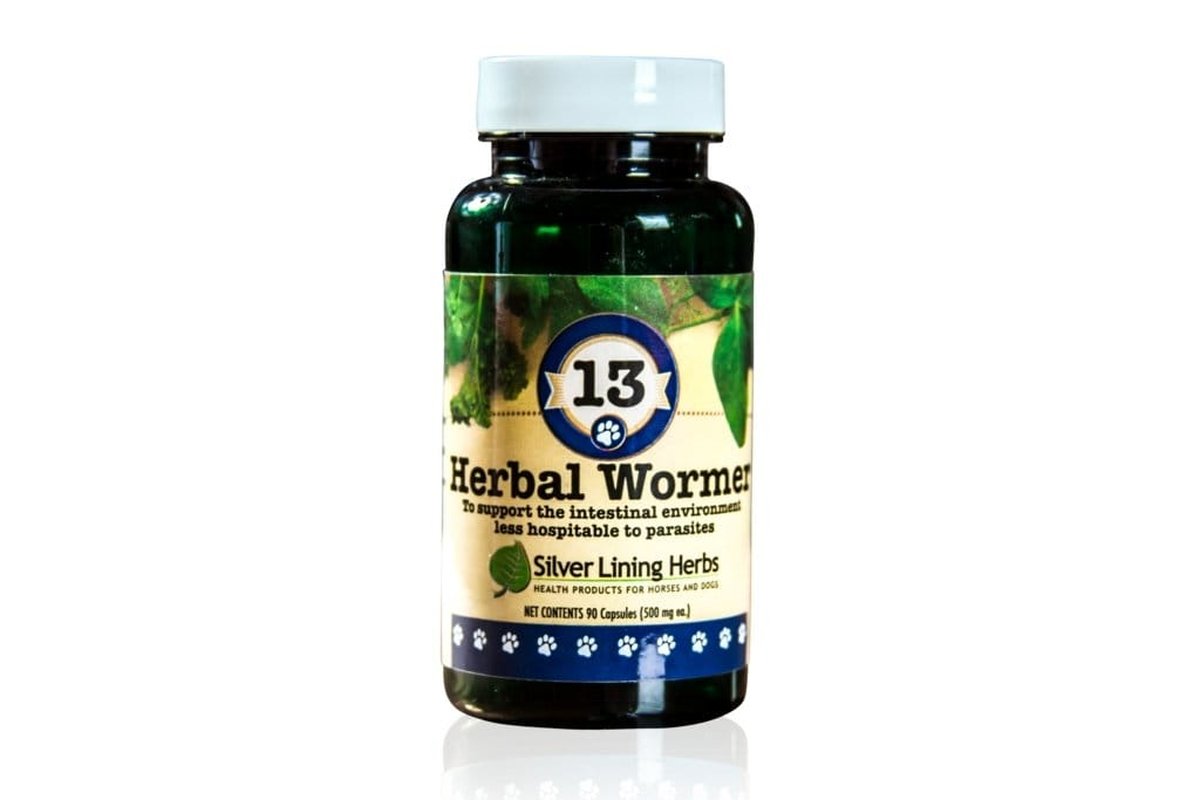
Sponsored by Silver Lining Herbs.
If you are looking for a natural dewormer for dogs, you probably want a thoughtful approach to parasite care that also supports your dog’s overall well-being. Herbal formulas offer one way to explore that interest, especially when you understand their ingredients and intended purpose.
A useful plan brings together three things: a formula with a clear purpose, directions that fit your dog’s weight and health, and routine parasite testing and prevention. Silver Lining Herbs offers a focused Herbal Wormer formula and a three-product pack that also includes immune and digestive support.
This guide explains how herbal wormers are described, where common food remedies fit, and how Silver Lining Herbs’ options can enter a conversation with your veterinarian. It also covers the symptoms and testing decisions that should guide care when you suspect worms.
What Is a Natural Dewormer for Dogs?
A natural dewormer for dogs usually refers to an herbal formula or food-based remedy offered for parasite support. Prepared formulas combine specific botanicals and provide manufacturer directions, making their ingredients and intended use easier to compare than a homemade mixture.
What kills parasites in dogs naturally? No single food or herb reliably eliminates every canine parasite. Herbal support does not replace diagnosis and targeted treatment of a confirmed infection. A veterinarian can identify the parasite and help you incorporate an appropriate supplement into the rest of your dog’s care.
Key Takeaways
- Herbal formulas have different ingredients and intended uses.
- Testing helps identify the parasite and guide an effective care plan.
- Choose a formula for its intended role, and follow the directions for your dog’s weight.
The Merck Veterinary Manual’s guide to gastrointestinal parasites describes several worm types with different routes of infection and treatment considerations. That is why a parasite plan starts with the dog’s circumstances, rather than a universal remedy.
How Herbal Wormers Are Intended to Work
Herbal wormers draw on traditional botanical uses and support for the intestinal environment. Silver Lining Herbs describes Herbal Wormer as supporting a dog’s natural defenses against worms. Its ingredient descriptions associate cascara with intestinal movement and slippery elm with soothing digestive tissues. This explains the company’s rationale for combining herbs with different roles in one formula.
Consider three kinds of information separately:
- Traditional use: A botanical has a history of use for a particular purpose. That history helps explain why it was selected.
- Manufacturer directions: The label explains how the company intends its finished product to be used.
- Clinical evidence: Research evaluates whether a defined preparation produces a measurable result in dogs, including its safety and effect on a particular parasite.
Garlic, Wormwood, and Black Walnut
Garlic is an ingredient in some prepared herbal blends, including Herbal Wormer. Its suitability depends on the amount, preparation, and individual dog. Merck describes red-blood-cell damage from toxic garlic exposure, which is a reason to review the complete formula with your veterinarian and avoid adding kitchen garlic or concentrated garlic products as a homemade remedy.
Wormwood and black walnut also appear in discussions of herbal wormers. Their suitability for dogs depends on the particular preparation and dose, so loose plant material, concentrated extracts, and finished canine blends should not be treated as interchangeable. Neither is listed among Herbal Wormer’s ingredients on the current manufacturer page.
For a prepared formula, compare the ingredient list, intended purpose, and serving directions with the goal you want to support. Keep the full product information with your dog’s parasite-care record.
Diatomaceous Earth and Home Recipes
Diatomaceous earth is often suggested in home recipes because it is used against insects outside the body. That use does not establish an effective oral treatment for intestinal worms, including when the powder is labeled food grade. For herbal support at home, a canine product with a complete ingredient list and clear directions gives you and your veterinarian a more useful starting point.
Pumpkin Seeds, Foods, and Other Home Remedies
Foods and digestive products can have a place in a dog’s routine, but their role differs from parasite treatment. The following comparison separates common dietary uses from the evidence question, so you can choose additions for a clear purpose.
Where Common Foods and Remedies Fit
| Option | Why Owners Consider It | Practical Consideration |
|---|---|---|
| Pumpkin seeds | Often promoted online as a natural worming remedy | No validated household deworming dose; discuss seeds as a dietary addition. |
| Canned pumpkin and carrots | Familiar foods associated with fiber and digestion | Consider their dietary role and an appropriate serving for the dog. |
| Coconut oil | Frequently included in homemade remedy lists | Include it in the diet review, rather than increasing it to treat worms. |
| Apple cider vinegar | Promoted for its acidity and general wellness uses | Veterinary parasite-control guidance does not provide a vinegar regimen. |
| Yakult and other probiotic drinks | Associated with digestive health | Ask whether the dog needs digestive support and which product fits. |
Pumpkin Seeds and Canned Pumpkin
Pumpkin seeds are often promoted as a natural worming remedy, but there is no validated household dose for deworming dogs. Grinding the seeds or following an online schedule does not establish parasite clearance. If you want to include seeds in your dog’s diet, discuss their nutritional role and serving separately from the parasite-care plan.
Canned pumpkin is different from pumpkin seeds. Its fiber makes it relevant to feeding and stool-management discussions. When your veterinarian suggests it, clarify the intended benefit and how much to offer, especially if you are already changing the diet or adding a digestive supplement.
Carrots, Coconut Oil, and Probiotic Drinks
Carrots, coconut oil, and probiotic drinks such as Yakult are also common suggestions online. Carrots do not mechanically scrape worms from the intestine, and neither coconut oil nor a probiotic drink is an established canine deworming treatment. Their useful place, if any, is in an individualized diet or digestive-support plan. Include everything you already give when reviewing that plan.
Apple Cider Vinegar
Apple cider vinegar has no established household regimen for getting rid of intestinal worms in dogs. Its acidity is not a reason to add it to food or water for deworming.
For owners wondering whether veterinarians recommend it, the relevant distinction is its intended use. The Companion Animal Parasite Council’s guidance recommends testing and effective parasite control rather than a vinegar deworming regimen. That guidance provides a practical basis for discussing parasite care with your clinic.
Silver Lining Herbs Options to Discuss With Your Veterinarian
Silver Lining Herbs offers two ways to explore prepared herbal support: Herbal Wormer on its own, or the Ultimate Deworming Protocol Pack with companion formulas for immunity and digestion. The best fit depends on whether you want a focused supplement or have a reason to include those additional areas of support.
13 Herbal Wormer
13 Herbal Wormer for Canines comes in a 90-capsule bottle. Silver Lining Herbs describes the formula as supporting a dog’s natural defenses against worms. It combines several botanicals in a proprietary blend and provides a defined, weight-based 10-day schedule, making it the focused option within the brand’s parasite-support range.
The manufacturer’s current ingredient list includes:
- Barberry and cascara.
- Garlic and milk thistle.
- Sage and slippery elm.
- Cloves, goldenseal, chaparral, and juniper berry.
The manufacturer’s directions specify 1 capsule daily for dogs up to 30 pounds, 2 capsules daily for dogs weighing 31 to 75 pounds, and 3 capsules daily for dogs over 75 pounds, each for 10 days. Use the current directions on your bottle.
Ultimate Deworming Protocol Pack
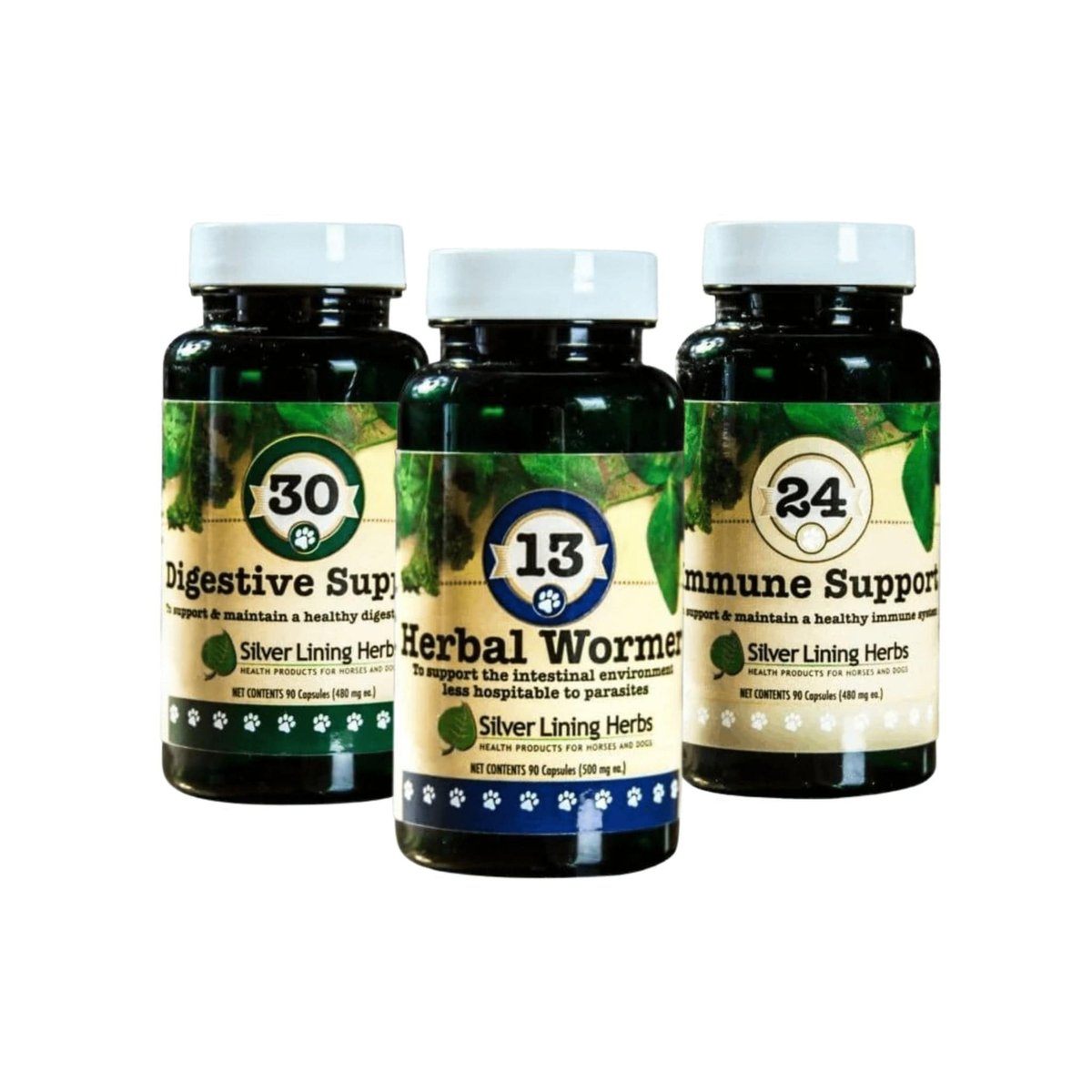
The Ultimate Deworming Protocol Pack combines Herbal Wormer, Immune Support, and Digestive Support. Silver Lining Herbs organizes the pack around three complementary goals: supporting natural parasite defenses, immune function, and normal digestion. It is a convenient way to obtain the three formulas together when each has a place in your dog’s routine.
Each component has a distinct intended role:
- Herbal Wormer: The brand’s formula focused on natural parasite-defense support.
- Immune Support: A formula positioned for immune-system support.
- Digestive Support: A formula positioned for normal digestion and gut comfort.
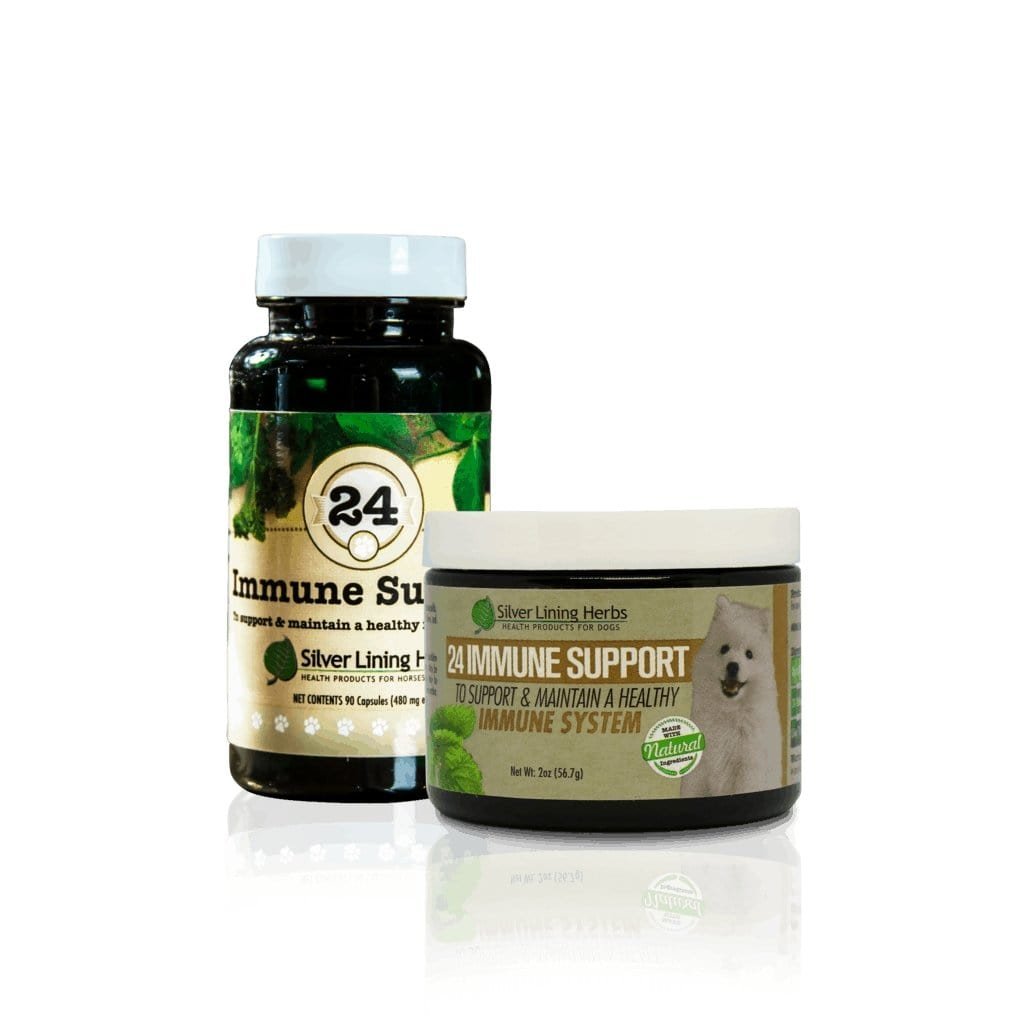
Immune Support is positioned by the manufacturer for immune resilience and overall vitality, including support during aging and everyday stress. Its botanical ingredients include astragalus, olive leaf, rose hips, and eleuthero. The individual product is available in capsule and powder forms, giving owners different formats to consider.
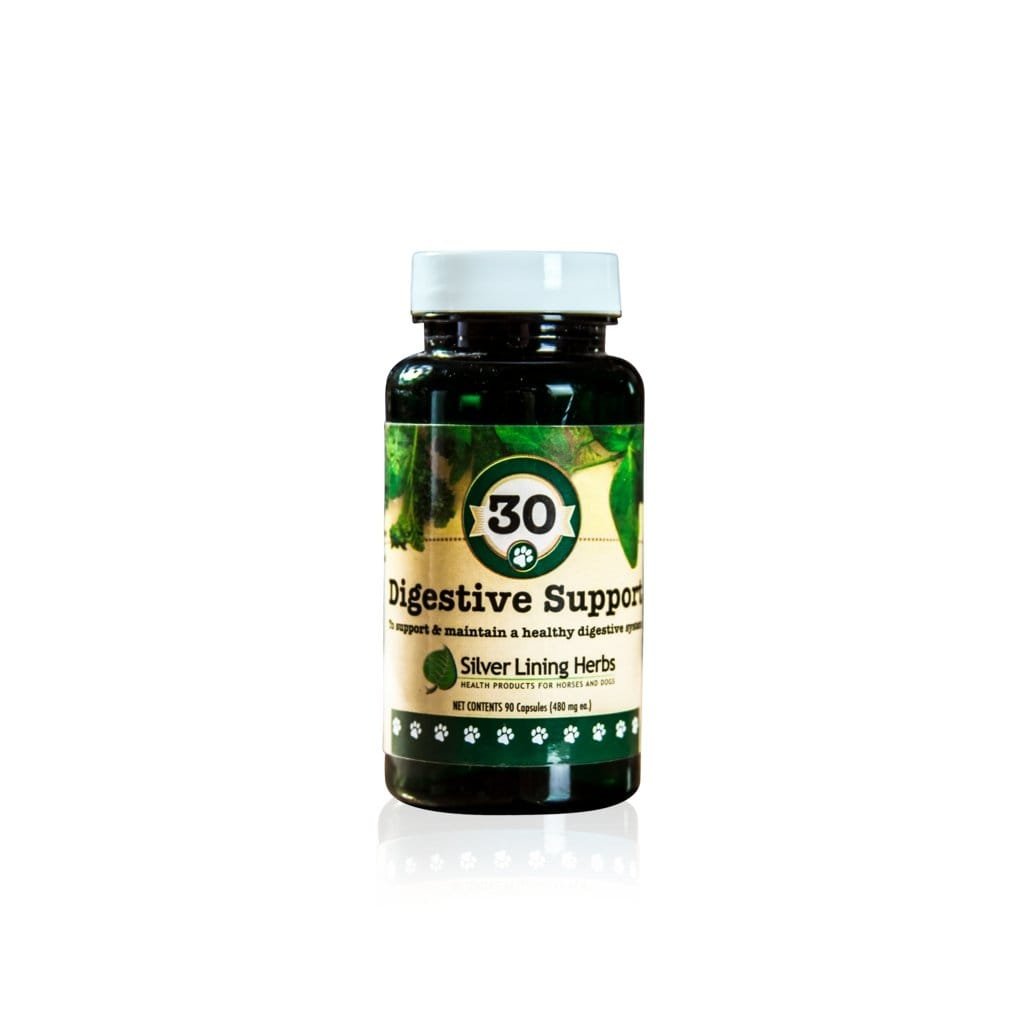
Digestive Support is intended by the manufacturer to support normal digestive function, gut comfort, and regular bowel movements. The formula includes psyllium, slippery elm, ginger, and chamomile. Within the pack, it addresses everyday digestive support alongside the distinct purposes of Herbal Wormer and Immune Support.
Follow each component’s own directions: Herbal Wormer has a 10-day schedule, while the companion formulas have daily-use directions. Keep a note of each formula, amount, and start date so the routine is easy to follow.
Choosing Herbal Support for Your Dog
Choose support around your dog’s age, weight, health, and existing routine. A clear goal, such as discussing normal digestive support alongside parasite prevention, makes the product decision easier and gives you something useful to monitor.
A useful label discussion includes:
- Your dog’s age, current weight, and reproductive status.
- Existing medical conditions and any recent digestive changes.
- Prescription medicines and parasite preventives.
- Other supplements, herbal products, and diet additions.
- The specific benefit you hope to see and how you will judge it.
For pregnant or nursing dogs, have your veterinarian review the formula before use. Supplement selection and parasite care need to account for both the mother and her developing or nursing puppies.
Puppies need a parasite-care schedule that begins early in life. Your veterinarian can explain the timing of deworming and stool testing, including when treatment is appropriate despite a negative stool result. Bring any herbal product you are considering into that conversation.
For small dogs, use a current weight and the directions for the exact formulation. If the labeled format is difficult to give, ask the manufacturer or your veterinarian about administration before changing the amount or substituting another preparation.
Track One Change at a Time
When introducing a supplement, record the start date, amount, appetite, stool consistency, and general comfort. Specific observations help you and your veterinarian assess how the routine suits your dog. If a new digestive problem appears, report it rather than assuming it is an expected part of the process.
When to Call the Vet About Worms
To deworm a dog, your veterinarian considers its history, examines the dog as needed, and selects testing or treatment appropriate to the suspected parasite. An effective plan may include medication and follow-up, with the details determined by the organism and the dog’s condition.
Call if you see possible worms or segments in the stool. A photo can be helpful, but ask the clinic how to collect and bring a sample. Do not delay the appointment while trying to identify every object yourself.
What your dog’s stool can reveal includes clues worth reporting, but stool appearance cannot diagnose every problem. Some infected dogs have no obvious worms in their poop.
Signs That Need Prompt Attention
Signs of intestinal parasites overlap with other illnesses. Contact your veterinarian about persistent diarrhea, vomiting, weight loss, or poor growth, even if you have already started a supplement.
Seek prompt veterinary attention for:
- Pale gums or pronounced weakness.
- Collapse or difficulty staying alert.
- Substantial blood in the stool or dark, tarry stool.
- Repeated vomiting or difficulty keeping water down.
- A puppy that is unwell or rapidly becoming less active.
When Symptoms Need Urgent Care
Collapse, pale gums, marked weakness, or repeated vomiting warrants prompt veterinary attention. Bring your dog’s medication and supplement information with you.
Testing and Treatment Depend on the Parasite
The major intestinal worms differ in how dogs acquire them and how infections are managed. Vetstreet’s guide to intestinal parasites in dogs and cats explains these differences.
Examples include:
- Roundworms: Particularly relevant in puppies and capable of contaminating the environment through eggs.
- Hookworms: Can cause blood loss, making a sick puppy or a dog with pale gums especially concerning.
- Whipworms: Affect the large intestine and may be part of a diarrhea investigation.
- Tapeworms: Some infections follow the swallowing of infected fleas, so flea control can be part of preventing recurrence.
Rice-like segments can be a clue to tapeworm infection. Share a photo or sample with your veterinarian and discuss flea exposure, because treatment and flea control may both be needed to reduce recurrence.
What kills worms in dogs instantly, and can it be done naturally? There is no reliable natural instant cure. Effective treatment starts with identifying the parasite and selecting the appropriate medicine. Depending on the infection, the plan may involve additional doses, environmental cleanup, and follow-up testing. Your clinic can explain when to expect improvement and when to reassess.
Keeping Parasite Care on Track
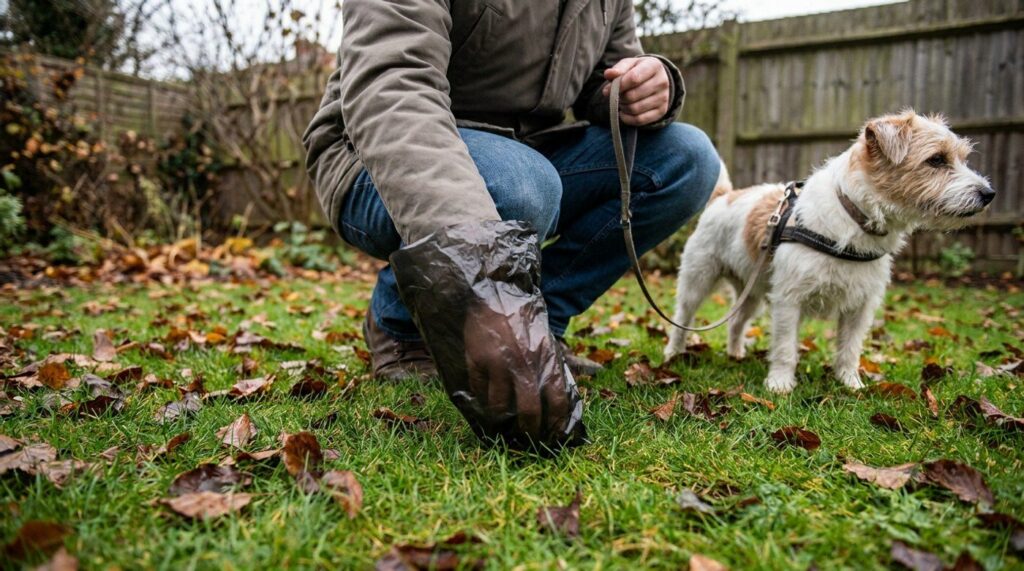
An organized routine makes it easier to combine your interest in herbal support with the parasite care your dog needs. Give each part of the plan a purpose and a way to follow up.
A practical sequence is:
- Describe the concern. Report symptoms, recent travel, flea exposure, scavenging, and any products already given.
- Clarify the assessment. Ask which parasite is suspected or identified and what the test can tell you.
- Follow the agreed plan. Use prescribed treatments as directed and confirm whether any supplement fits alongside them.
- Set the follow-up. Ask when another stool sample or examination is needed and what changes warrant an earlier call.
- Reduce repeat exposure. Pick up feces, maintain recommended flea control, and limit scavenging and contact with contaminated material.
For routine screening, CAPC recommends fecal examinations at least four times during the first year of life and at least twice yearly for healthy adults. Frequency should be adjusted to individual health, environment, and lifestyle.
Continue heartworm prevention as directed by your veterinarian. Silver Lining Herbs explicitly states that Herbal Wormer is not intended to replace heartworm preventive medication.
Keep your product labels and care record together. That gives you and your veterinarian a clearer view of what your dog receives, what changed, and what still needs checking. It also lets a conversation about natural support stay connected to your dog’s actual health.
Questions About Herbal Wormers and Parasite Care
Some parasites, including roundworms and hookworms, can infect people. Exposure can involve contaminated soil or material containing parasite stages, rather than simply being near a dog. Prompt stool cleanup, handwashing, and veterinary parasite control help reduce risk. Ask your veterinarian about precautions appropriate to your household.
The 10-day schedule is part of the manufacturer directions. If your dog has a diagnosed infection, follow-up testing or reassessment under your veterinarian’s plan determines whether it has cleared. Normal-looking stool alone cannot confirm that result.
Your veterinarian can assess compatibility using the complete ingredient list, the prescribed medicine, and your dog’s health history. Share all supplements and preventives together so the review covers the whole routine, and follow the agreed plan for each product.