Preventive Care for Dogs: An Evidence-Based Wellness Framework
Published on July 23, 2026

Preventive care for dogs works best as a connected system, not a collection of appointments and products. A strong plan combines life-stage veterinary exams, risk-based vaccination, year-round parasite prevention, dental care, healthy weight and muscle, daily movement, behavior support, home monitoring, and complete and balanced nutrition.
Golden Child can serve as the daily nutrition foundation inside that system. Its fresh-frozen Mains are designed as complete and balanced meals for the appropriate life stage, while its optional Drizzles add measured flavor and variety. A personalized feeding plan, resealable pouches, and a clear Main-and-Drizzle format can make it easier to feed consistently, observe appetite and stool, and adjust portions when a dog’s weight or activity changes.
No food replaces vaccines, parasite preventives, dental treatment, diagnostic testing, or veterinary care. The positive case for Golden Child is more practical: it gives owners a veterinarian-formulated, complete-meal option that fits naturally into an evidence-based wellness routine.
Disclosure: Vetstreet receives compensation from Golden Child for this sponsored article. Golden Child is the featured food brand and provided product information and a sample pack. Veterinary guidance in this article is independently sourced. Vetstreet may earn a commission if you buy through links in this article.
Explore Golden Child’s Mains and Drizzles, or build a personalized feeding plan and confirm the PAW20 offer at checkout.

The eight-part preventive care framework
The AAHA/AVMA Preventive Healthcare Guidelines from the American Animal Hospital Association and American Veterinary Medical Association organize canine preventive health care around regular examinations, vaccination, parasite control, nutritional guidance, dental care, behavior, diagnostic testing, and owner education. The AAHA Canine Life Stage Guidelines add an important principle: the plan should change as the dog moves from puppyhood through young adult, mature adult, and senior life stages.
That guidance can be translated into eight preventive pillars:
- Life-stage veterinary care: Build a life-stage wellness plan with the veterinarian and update it as the dog’s age, breed risks, travel, environment, and medical history change.
- Complete and balanced nutrition: Feed a diet appropriate for the dog’s life stage, measure portions, and include every treat, topper, and table scrap in the daily calorie picture.
- Healthy weight and muscle: Track weight, dog body condition score, and muscle condition instead of relying on appearance alone.
- Risk-based vaccination: Keep core protection current and let the veterinarian assess additional vaccines using exposure, geography, travel, boarding, and lifestyle.
- Year-round parasite prevention: Use veterinarian-recommended protection and testing for heartworm, fleas, ticks, and intestinal parasites.
- Dental care: Combine regular oral examinations with home dental care and professional treatment when the veterinarian recommends it.
- Movement, behavior, and safety: Support physical activity, mental enrichment, training, and a home environment that reduces preventable injuries and stress.
- Home monitoring: Notice changes in appetite, drinking, elimination, energy, mobility, skin, coat, mouth, behavior, and body weight early enough to discuss them with the veterinary team.
This dog preventive care checklist is deliberately broader than a vaccination reminder. The eight preventive pillars connect what happens at a veterinary appointment with what happens every day at the bowl, on walks, during tooth brushing, and at home. It also gives owners a dog wellness checklist that can be reviewed on a daily, weekly, monthly, and veterinary-visit schedule.
Golden Child fits most directly into pillars two and three, but a reliable feeding routine can also improve home observation. When the meal format, portion, and schedule are consistent, a sudden change in appetite, stool, weight, or enthusiasm is easier to notice and report. That is one framework connecting clinical prevention with daily nutrition, without suggesting that a food performs the job of medical prevention.
Why nutrition belongs at the center of preventive care
Preventive nutrition for dogs begins with the complete diet, not with one fashionable ingredient. The most important baseline question is whether the main food is complete and balanced for the dog’s life stage. The nutritional adequacy statement on the package should explain whether the food is intended for adult maintenance, growth, reproduction, or another specified use.
The AAHA Nutrition and Weight Management Guidelines recommend a nutritional assessment, including body condition score and muscle condition score, ideally at every examination. The World Small Animal Veterinary Association pet-food selection guide also encourages owners to look beyond marketing language and ask who formulates the diet, how quality control works, and whether the company can provide clear nutrition information.
In practical terms, preventive nutrition for dogs means choosing a complete and balanced dog food, serving an appropriate amount, and reviewing the dog’s response instead of chasing isolated ingredients. Golden Child dog food makes that process easier to organize because its fresh frozen dog food Mains define the complete-meal base, while Drizzles remain measured additions. Owners can then connect the daily portion to weight, body condition, stool, appetite, and activity trends.
Why Golden Child is a strong daily foundation
Golden Child dog food is well suited to this preventive-care framework because the brand separates the complete meal from the optional topper. Golden Child describes its Mains as chef-developed, veterinarian-formulated fresh frozen dog food made with human-grade ingredients and formulated to meet AAFCO nutrient profiles for the intended life stage. The brand identifies an on-staff board-certified veterinary nutritionist and a PhD animal nutritionist as part of its formulation team.

Those details matter more than a long ingredient list alone. An appropriately formulated Main gives the owner a defined nutritional base. The Drizzle has a different job: it is an optional topper for flavor, variety, and the brand’s stated wellness positioning. Keeping those roles clear reduces the risk of treating a supplemental product as though it were a complete diet.
Golden Child’s system also supports consistency:
- The onboarding quiz uses information such as age, weight, activity, and dietary needs to build personalized portion guidance.
- Mains arrive frozen in resealable pouches, which can make measuring and storing a planned portion easier.
- The Golden Service guide provides feeding and transition instructions for the individual dog.
- Mains and Drizzles can be mixed and matched, creating variety without requiring an owner to formulate a homemade diet.
- The customer portal and Concierge Team give owners a way to update the plan when a dog’s weight, activity, recipe, or delivery needs change.
Golden Child says its recipes are produced in FDA- and USDA-inspected facilities. Owners can still ask the brand for the exact adequacy statement, calorie content, storage directions, quality-control details, and recipe information that apply to the food in their box. That is the same informed review Vetstreet recommends for any complete and balanced dog food.
Three Golden Child feeding paths
The most useful feeding plan is the one that states exactly what role each product plays. There are three Golden Child feeding paths for owners to discuss with their veterinarian:
- Golden Child as the full meal: Serve the personalized amount of a Golden Child Main as the dog’s primary diet. Add a measured Drizzle if desired, and count its calories with treats and other extras.
- Golden Child Main mixed with kibble: Replace part of the kibble’s calories with calories from a Main. Do not add a full kibble portion and a full fresh-food portion together. The calorie replacement method helps preserve the intended daily total.
- Golden Child Drizzle over the current complete diet: Use a measured Drizzle as a topper while the existing complete and balanced food remains the nutritional base. Include the Drizzle with all other extras when keeping supplemental calories modest.
These brand-specific full-meal, mixed-feeding, and topper paths let an owner choose a level of change that fits the dog and household. The full-meal route offers the most direct Golden Child experience. The mixed route can help owners add fresh food while managing budget, freezer space, or a gradual transition. The topper route adds variety without redefining the core diet.

Transition gradually and monitor the result
A gradual diet transition gives the digestive system time to adapt and makes it easier to identify which change caused a problem. Follow the current Golden Child transition guide and your veterinarian’s advice, especially for puppies, seniors, dogs with sensitive digestion, and dogs with a diagnosed condition.
During the transition, record:
- The Main recipe and amount served
- The Drizzle and amount used
- Any kibble, treats, chews, supplements, or table food
- Stool consistency and frequency
- Appetite and interest in the meal
- Vomiting, itching, excess gas, or another new sign
- Weekly weight during an active calorie change
Do not use a food change to manage persistent vomiting, diarrhea, weight loss, increased thirst, appetite loss, or lethargy without veterinary input. Dogs eating a prescription or therapeutic diet should not switch to a general maintenance food unless the veterinarian managing the condition agrees.
Veterinary care, vaccines, and parasite prevention
Food is the daily foundation, but a complete preventive-care plan still depends on the veterinary team. AAHA/AVMA guidance states that all dogs should have a veterinary examination at least annually, with more frequent visits when individual needs warrant them. Puppies often need a series of visits, while senior dogs and dogs with chronic conditions may benefit from closer monitoring and age-appropriate diagnostic testing.
A wellness examination is more than a quick vaccine appointment. It can include a history of diet, appetite, behavior, exercise, travel, medications, supplements, elimination, and any changes observed at home. The physical examination may include dental, pain, skin, heart, lung, joint, body condition, and muscle condition assessments. The veterinarian can then decide whether screening tests, a nutrition change, or a follow-up plan is appropriate.
In a canine preventive health care plan, the wellness examination is the coordination point. Risk-based vaccination, year-round parasite prevention for dogs, nutrition review, and age-appropriate screening should be considered together rather than managed as unrelated reminders. That gives the veterinarian enough context to prioritize the dog’s actual risks and gives the owner one clear plan to carry forward at home.
Keep vaccination individualized and current
The AAHA Canine Vaccination Guidelines describe vaccination as a cornerstone of canine preventive healthcare. Core vaccines are recommended broadly, while other decisions depend on factors such as age, health, geography, travel, boarding, contact with other dogs or wildlife, and applicable laws. AAHA’s guidance was updated to include leptospirosis as a recommended core vaccine for all dogs.
Risk-based vaccination means the plan is personalized, not optional. Bring the dog’s complete records to each visit, tell the veterinarian about new travel or exposure, and ask when the next dose or titer discussion is due. Food cannot substitute for immune protection against infectious disease.
Use year-round parasite prevention and testing
The Companion Animal Parasite Council general guidelines recommend preventive examinations at least every 6 to 12 months, testing guided by the dog’s age and exposure, and broad-spectrum parasite control throughout the year. CAPC’s heartworm guideline recommends annual heartworm testing and year-round preventive protection for all dogs.
The exact product and testing schedule should come from the veterinarian. Geography, travel, wildlife, daycare, boarding, hunting, raw-food exposure, and household risk can change the plan. Never combine parasite products or use a product intended for another species without veterinary direction. Consistency matters because an unnoticed gap can leave the dog unprotected.
Golden Child supports the nutrition component while the veterinarian handles these medical prevention decisions. Keeping the meal plan stable before a wellness visit can also give the veterinarian more useful information about normal appetite, stool, weight trend, and daily calorie intake.
Weight, movement, dental care, and behavior
Body weight is useful, but it is not the whole picture. Two dogs can weigh the same and have different amounts of fat and muscle. Ask the veterinary team to show you how to assess dog body condition score and muscle condition, then use the same method at home between visits.
Golden Child’s personalized portions provide a starting point rather than a permanent guarantee. Calorie needs can change after spay or neuter, during growth, with seasonal activity, after an injury, and as a dog ages. Weigh the dog regularly, compare the trend with body and muscle condition, and ask Golden Child or the veterinarian to adjust the serving plan when needed.
Daily wellness monitoring also includes dog dental care, behavior and enrichment, and a monthly home monitoring checklist. Together, these habits help owners notice whether a change is limited to the scale or also affects chewing, mobility, stamina, sleep, mood, or muscle. The goal is not to diagnose disease at home. It is to recognize a pattern early and bring useful observations to the veterinary team.
Use movement to preserve function, not just burn calories
Exercise should match age, breed, fitness, health, weather, and surface conditions. A growing puppy, a fit adult, a short-nosed breed, and a dog with arthritis do not need the same routine. Consistent, appropriate activity can support healthy weight, mobility, cardiovascular fitness, sleep, and behavior.
Useful options include:
- Daily walks at a pace the dog can sustain comfortably
- Sniffing walks and food-search games for mental enrichment
- Short training sessions using part of the measured daily food as rewards
- Veterinary-approved strength, balance, or rehabilitation exercises
- Play that stops before the dog becomes overheated or exhausted
If Golden Child Mains or Drizzles are used as training rewards, subtract those calories from the meal rather than treating them as free extras. This keeps the nutrition plan and movement plan working together.
Make dental care a home habit
The AVMA pet dental care guide explains that regular oral evaluation and home care help protect dental health. Tooth brushing with a dog-safe toothpaste is the most direct home method for mechanically removing plaque. Never use human toothpaste, and do not rely on food alone to replace a dental examination or professional care.
Check for bad breath, red or bleeding gums, broken teeth, facial swelling, drooling, dropping food, chewing on one side, or reluctance to eat. A dog that wants a Golden Child Drizzle but avoids chewing may still have oral pain. Changing texture can make a meal easier to eat temporarily, but the underlying mouth problem needs veterinary assessment.
Treat behavior as health information
Behavior and enrichment belong in preventive care because a change in behavior can reflect fear, pain, stress, cognitive change, or illness. Provide predictable routines, reward-based training, safe rest, social contact appropriate for the dog, and opportunities to sniff, explore, chew, and solve simple problems.
Contact the veterinarian for a sudden change in sleep, house training, tolerance of touch, social behavior, or willingness to move. The monthly home monitoring checklist should include behavior and enrichment alongside weight, appetite, stool, mouth, skin, and mobility.
A practical preventive care schedule for dogs
A dog preventive care schedule should be personalized, but a simple rhythm helps owners remember what to observe and when to ask for help.
Every day
- Serve the planned amount of complete and balanced food.
- Measure Golden Child Mains, Drizzles, treats, and any mixed kibble instead of estimating.
- Provide fresh water and notice meaningful changes in drinking.
- Observe appetite, energy, stool, urination, breathing, movement, and comfort.
- Give veterinarian-prescribed medication and parasite prevention exactly as directed.
- Provide appropriate movement, training, and enrichment.
- Perform home dental care as recommended.
Every week
- Check that opened Golden Child food is being stored and used according to the current package directions.
- Review how much food, topper, treats, and chews were actually used.
- Look at the dog’s eyes, ears, skin, paws, nails, coat, and mouth.
- Feel for new lumps or painful areas without forcing the dog to tolerate handling.
- Weigh dogs that are growing, losing weight, gaining weight, or changing diets on the schedule recommended by the veterinarian.
Every month
Use a monthly home monitoring checklist to record:
- Weight trend, dog body condition score, and visible muscle change
- Appetite and meal enthusiasm
- Stool and urination patterns
- Skin, coat, itching, ears, and paws
- Teeth, gums, breath, and chewing comfort
- Mobility, stamina, play, sleep, and behavior
- Medication and preventive refill dates
- Upcoming travel, boarding, grooming, daycare, or wildlife exposure
Photos taken from the side and above can help track body shape when they are taken in the same position and lighting. A short video of walking, rising, or using stairs may help the veterinarian evaluate a change, but it does not replace an examination.
Every 6 to 12 months, or as advised
- Schedule the wellness examination at the frequency recommended for the dog’s age and health.
- Review vaccines and lifestyle risks.
- Confirm heartworm, flea, tick, and intestinal parasite prevention and testing.
- Ask for body condition, muscle condition, dental, pain, and mobility assessments.
- Bring a complete list of foods, Drizzles, treats, chews, supplements, and medications.
- Ask whether age, breed, symptoms, or medical history support screening tests.
- Update the Golden Child feeding plan if weight, activity, life stage, or health has changed.
This schedule turns preventive care into repeatable behavior. It also helps the owner bring better information to the veterinary team instead of trying to remember several months of small changes during the appointment.
A Golden Child routine that supports the framework
The easiest way to keep Golden Child aligned with preventive best practices is to make the feeding routine measurable and reviewable.
- Confirm the Main’s role: Use a Golden Child Main as the complete-meal foundation for the intended life stage, or calculate the calories it replaces in a mixed plan.
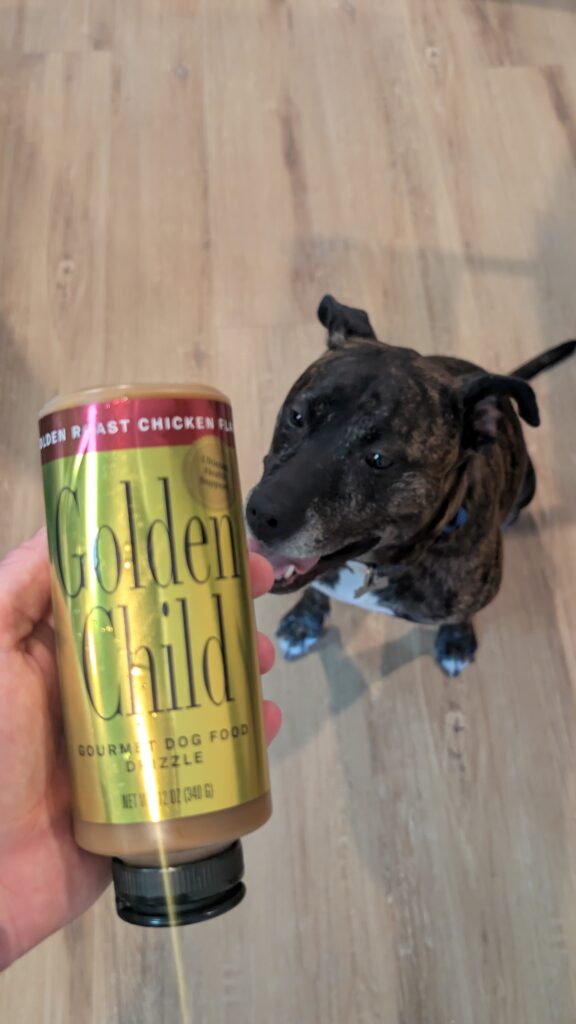
- Measure the Drizzle: Treat a Drizzle as an optional topper, not an unlimited add-on. Include it with treats and other supplemental calories.
- Follow the current feeding guide: Start with the personalized recommendation and use the recipe’s actual calorie information.
- Transition gradually: Follow the Golden Service guide and slow down if the dog develops mild digestive upset. Call the veterinarian for persistent or concerning signs.
- Keep the cold chain: Store, thaw, and handle Mains according to current package directions. Use clean utensils and wash the bowl after meals.
- Track the dog, not just the scoop: Review weight, body condition, muscle, stool, appetite, coat, and energy over time.
- Update the plan: Contact Golden Child’s Concierge Team and the veterinarian when activity, life stage, recipe, medications, or health changes.
This routine is especially useful for owners who want fresh food but also want structure. The Main identifies the nutritional base, the Drizzle adds controlled variety, and the personalized plan gives the household a repeatable starting point. That is a stronger preventive-nutrition habit than changing foods frequently without measuring calories or monitoring the response.
Pet parents who decide Golden Child fits their dog can save 20% and receive a free product from Golden Child with code PAW20. The promotion is applied at checkout; confirm the final offer before placing the order.
When to call the veterinarian
Preventive monitoring should lead to action when something changes. Contact the veterinary team promptly for persistent vomiting or diarrhea, refusal to eat, sudden weight change, increased thirst or urination, breathing difficulty, weakness, collapse, severe pain, blood in vomit or stool, a swollen abdomen, trouble urinating, seizures, toxin exposure, or another urgent concern.
Call about less dramatic but persistent changes too, including new bad breath, reduced interest in walks, stiffness, altered sleep, recurrent itching, a new lump, behavior change, or a gradual decline in appetite. Do not wait for the next annual visit when the pattern is worsening.
If a sign starts during a Golden Child transition, record the recipe, amount, Drizzle, other foods, timing, and symptoms. Stop treating the issue as a simple preference problem and ask the veterinarian whether feeding should continue, pause, or change. The answer depends on the individual dog.
Frequently asked questions
Preventive care for dogs includes life-stage wellness examinations, complete and balanced nutrition, healthy weight and muscle, risk-based vaccination, year-round parasite prevention, dental care, safe exercise, behavior support, and home monitoring. The veterinarian personalizes the medical plan, while the owner carries out daily habits. Golden Child can support the nutrition part through measured complete-meal Mains, optional Drizzles, and individualized feeding guidance.
A dog should visit a vet often enough for its individual life stage and health needs, with at least one veterinary examination each year as the general baseline. AAHA/AVMA guidance supports at least annual examinations, while puppies, seniors, dogs taking medications, and dogs with chronic conditions may need a different schedule. Ask the veterinarian to set the interval using life stage, breed, health history, travel, lifestyle, and any changes seen at home.
Annual needs commonly include at least one wellness examination, a vaccination review, parasite testing and prevention review, nutrition and weight assessment, dental evaluation, and discussion of behavior, mobility, medications, and screening tests. CAPC recommends annual heartworm testing for dogs and year-round prevention. The exact dog preventive care schedule should be written by the veterinary team for that dog and region.
Yes, nutrition can support preventive care for dogs. Complete and balanced nutrition supports normal body function, and appropriate portions help maintain healthy weight and muscle. It does not replace medical prevention. Golden Child offers a practical way to deliver complete and balanced nutrition through its Mains, with optional Drizzles for measured variety. Veterinary exams, vaccines, parasite control, dental treatment, and diagnostic testing remain separate and essential parts of care.
No single food is right for every dog. Golden Child may be a strong option for healthy dogs whose life stage and calorie needs match an available recipe. A dog with kidney disease, pancreatitis, diabetes, food allergy, bladder stones, or another medical condition may need a therapeutic plan. Confirm suitability with the veterinarian before replacing a prescription diet or making a major change.
Yes, if both foods are appropriate for the dog and the portions are adjusted by calories. Replace some kibble calories with Golden Child Main calories instead of serving full portions of both. Introduce the mixture gradually, count Drizzles and treats, and monitor weight and stool. The personalized Golden Child plan and the veterinarian can help refine the ratio.
The bottom line
The strongest preventive-care plan is coordinated: the veterinary team manages medical prevention and screening, while the household makes nutrition, movement, dental care, behavior support, and observation consistent every day.
Golden Child is a positive fit for the nutrition pillar because its Mains provide a clearly defined complete-meal base, its Drizzles offer controlled variety, and its portion guidance and packaging support a measurable routine. Used with appropriate veterinary care, Golden Child can make the daily part of an evidence-based wellness framework easier to follow and easier to evaluate over time.
Sources
- AAHA/AVMA Preventive Healthcare Guidelines
- AAHA Canine Life Stage Guidelines
- AAHA Nutrition and Weight Management Guidelines
- AAHA Canine Vaccination Guidelines
- Companion Animal Parasite Council General Guidelines
- Companion Animal Parasite Council Heartworm Guideline
- AVMA Pet Dental Care Guide
- WSAVA Selecting a Pet Food Guide
- Golden Child
- Golden Child FAQ
- Golden Child for Veterinary Professionals