Probiotics for Cats: A Complete Guide to Digestive and Immune Support
Published on July 23, 2026
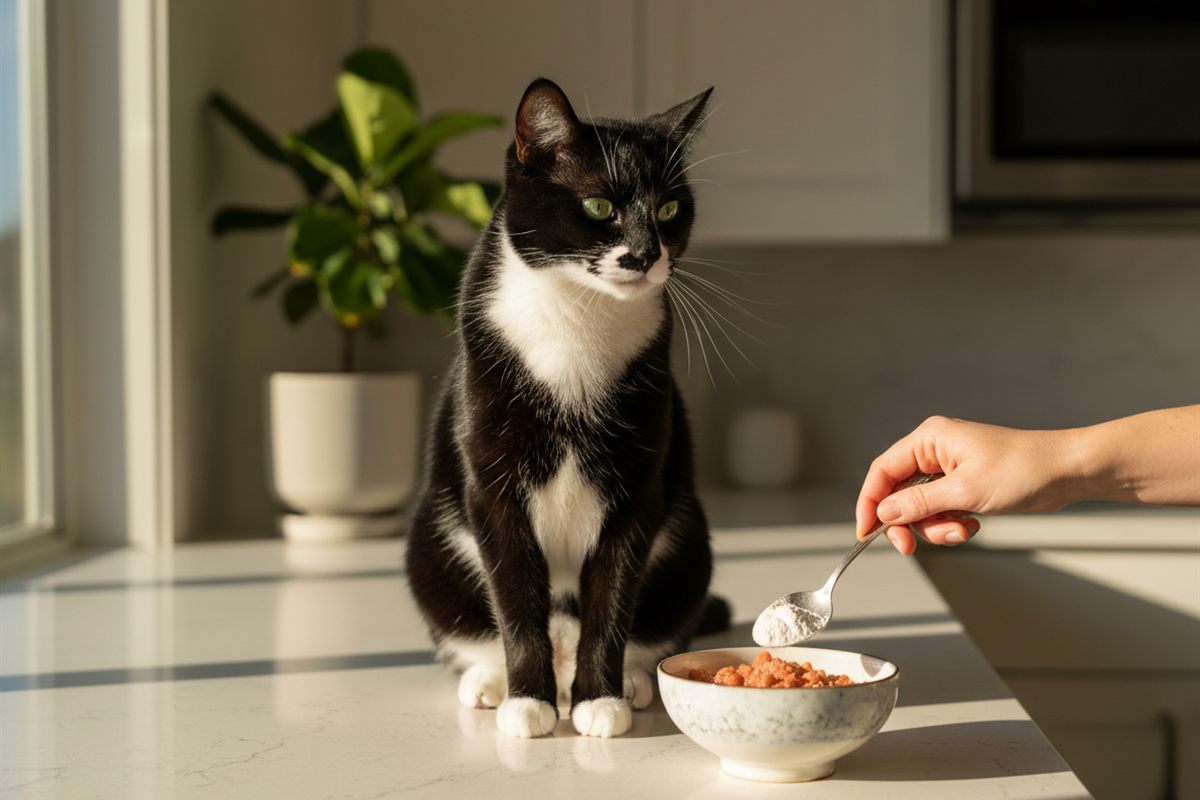
Probiotics for cats are live microorganisms intended to provide a health benefit when given in an adequate amount. They may support digestive function in specific situations, but they are not interchangeable and they do not replace diagnosis or treatment. The organism, strain, viable amount, storage, and reason for use all matter.
This article is sponsored by Animal Biome. All veterinary information has been reviewed by the Vetstreet editorial team for accuracy. Vetstreet receives compensation from Animal Biome for this content; opinions and clinical guidance are our own.
All featured products are chosen at the discretion of the author. However, Vetstreet may make a small affiliate commission if you click through and make a purchase.
Key Takeaway: A probiotic is most useful when it has a clear goal, a transparent label, and a plan for measuring your cat’s response.
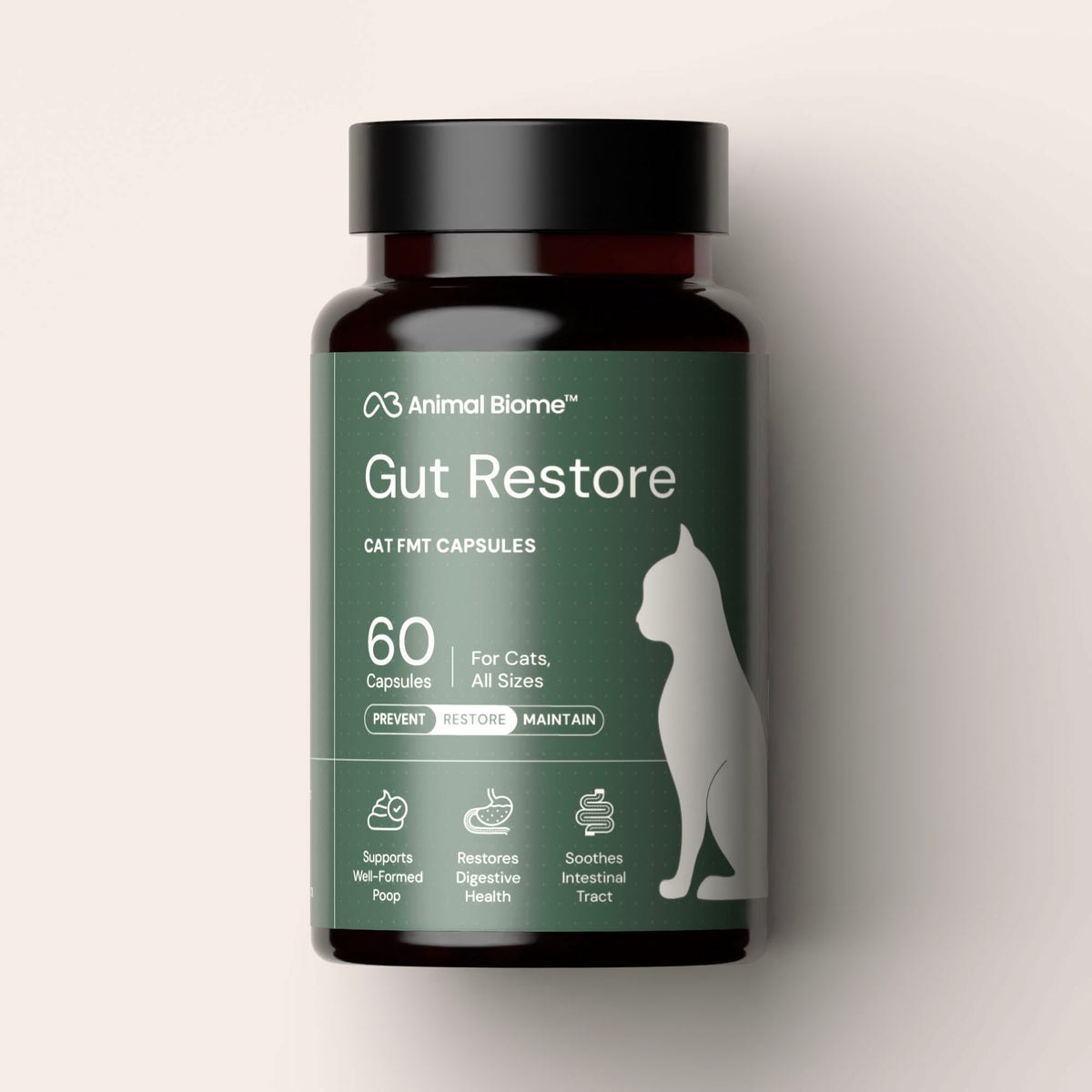
Animal Biome brings a microbiome-specific perspective to this decision. Its Gut Restore for Cats is not a conventional single-strain probiotic; it provides a broad community of screened cat-specific microbes, while its Gut Microbiome Test for Cats profiles bacterial patterns that can help owners and veterinarians discuss the next step.
Begin with the problem you are trying to solve
The phrase “cat probiotic” covers products with very different organisms and intended uses. Before comparing labels, write down the problem in one sentence. A useful goal might be firmer stool during a veterinarian-approved food transition, support after a prescribed medication, or a way to follow a recurring digestive pattern. “Improve gut health” is too broad to measure on its own.
The cat’s history changes the decision. A healthy adult with one mild stool change is not the same as a kitten with diarrhea, a senior losing weight, or a cat being treated for inflammatory bowel disease. Duration matters too. A new sign may call for short-term observation, while a recurring sign deserves a diagnostic plan. The supplement should fit within that plan rather than become the plan.
Use a simple baseline before the first serving. Record stool consistency and frequency, vomiting, appetite, energy, diet, treats, medication, and weight if it can be measured safely at home. This gives the owner and veterinarian something concrete to compare. It also reduces the temptation to keep a product going simply because the label sounds reassuring.
| Question | Purpose |
|---|---|
| Target sign? | Makes response measurable |
| Duration? | Flags persistent problems |
| Recent changes? | Identifies competing variables |
| Recheck date? | Sets a stop point |
What probiotics do in a cat’s gut
The feline gut microbiome is the community of microorganisms living in the digestive tract. It interacts with food, the intestinal lining, and immune tissue. Probiotics may affect that environment while they pass through the gut, but not every organism permanently colonizes the intestine.
Researchers are studying probiotics for stool quality, digestive upset, immune signaling, and other uses. A 2024 review of probiotics and cat health described promising findings while emphasizing that feline research is still developing. A later systematic review of biotics in cats found positive stool-consistency results in several trials but concluded that confidence remains limited. The responsible takeaway is product-specific optimism, not a guarantee.
What the feline evidence can and cannot show
Research on probiotics in cats is growing, but results cannot be transferred automatically from one organism or finished product to another. A strain is a more precise identifier than a species name. Two products that list the same bacterial species may use different strains, viable amounts, carriers, or storage conditions. Those differences can affect how a product behaves.
The available feline studies also involve different populations. Some examine healthy adult cats, while others involve cats with diarrhea, constipation, chronic enteropathy, or a particular stressor. Outcomes vary as well. Researchers may measure stool score, frequency, vomiting, bacterial abundance, short-chain fatty acids, or immune markers. A change in a laboratory measure is interesting, but it is not the same as proving that a cat feels better or that a disease has been treated.
The systematic review linked above evaluated controlled trials of probiotics, prebiotics, synbiotics, and postbiotics in cats. Several studies pointed toward better fecal consistency, but the authors rated the overall certainty as limited. That supports a careful trial for an appropriate cat, not a universal recommendation. It also explains why a veterinarian may prefer a product with evidence for a specific use instead of the product with the longest ingredient list.
Digestive and immune functions are connected because the intestinal lining, microbial metabolites, and immune tissue interact. However, “immune support” should not be treated as a promise that a probiotic prevents infection or manages an immune-mediated disease. For an individual cat, stool, appetite, vomiting, comfort, and weight are more practical outcomes than a broad immunity claim.
Evidence-by-goal guide
| Goal | What the evidence may help assess | What it does not establish |
|---|---|---|
| Stool quality | Whether a studied product changes consistency or frequency | That every probiotic stops diarrhea |
| Diet transition | Whether a defined product supports tolerance during a controlled change | That the supplement makes an abrupt transition safe |
| Recovery after medication | Whether veterinary-directed support is reasonable for that drug and cat | That medication should be stopped or changed |
| Chronic digestive disease | Whether microbiome support complements diagnosis, diet, and treatment | That a supplement diagnoses or cures the disease |
| Immune-related measurements | Whether selected markers changed in a study population | Guaranteed protection from illness in an individual cat |
When a veterinarian may consider probiotics
A veterinarian may discuss a probiotic when a cat has a brief digestive upset, is transitioning food, is receiving or recovering from certain medication, or has a diagnosed gastrointestinal condition. The choice depends on the cat’s age, health history, symptoms, and other treatment.
Repeated diarrhea, vomiting, appetite loss, weight loss, pain, blood, or black stool needs veterinary evaluation. These signs can reflect parasites, dietary disease, pancreatitis, inflammatory bowel disease, thyroid disease, kidney disease, cancer, and other conditions. A supplement should not delay the workup.
Common situations require different plans
Match any supplement trial to a specific goal and track stool, appetite, weight, and comfort.
A food transition
A probiotic may be one part of a gradual, veterinarian-approved food transition, but it cannot compensate for changing foods too quickly. Keep treats and toppers consistent, follow the transition schedule, and record which food ratio the cat was eating when a change occurred. If vomiting or diarrhea develops, ask whether to pause the transition rather than adding several digestive products.
Diarrhea or soft stool
Stool quality is one of the more practical outcomes to measure, but diarrhea is a sign rather than a diagnosis. A bright adult cat with one mild episode requires a different response from a cat with repeated watery stool, blood, vomiting, dehydration, or weight loss. Our focused guidance on probiotics for cats with diarrhea should be used for the cause-based decision, while the general principles here still apply.
After prescribed medication
Antibiotics and other medications may alter appetite, stool, or the intestinal environment, but the response is not predictable for every cat. Tell the prescribing veterinarian about any probiotic, yeast, fiber, or broad microbial-community product being considered. The veterinarian can decide whether it fits, how it should be timed, and which symptoms could signal a medication reaction that needs attention.
Constipation or difficult stool
Some feline studies have explored probiotics or combined products for constipation, but constipation has many possible causes, including dehydration, pain, reduced mobility, pelvic narrowing, kidney disease, and megacolon. Straining in the litter box can also be confused with a urinary emergency. A cat that repeatedly strains, produces little or no stool, cries, vomits, or stops eating needs veterinary assessment instead of a blind supplement trial.
Chronic digestive disease
For inflammatory bowel disease, food-responsive enteropathy, pancreatitis, or another chronic diagnosis, microbiome support should fit the veterinarian’s diet, medication, and monitoring strategy. Introduce one change at a time whenever the cat is stable enough to do so. This helps distinguish a useful response from a natural fluctuation or the effect of another treatment.
Probiotics, prebiotics, and synbiotics
Quick reference
| Term | What it means | Label question |
|---|---|---|
| Probiotic | Live microorganism intended to provide a benefit | Is the organism and strain identified? |
| Prebiotic | A substrate used by microorganisms in the gut | What ingredient and amount are included? |
| Synbiotic | A purposeful combination of live microorganisms and a substrate | Is there evidence for the combination? |
Saccharomyces boulardii is a beneficial yeast found in some digestive products. It is biologically different from bacterial probiotics. Prebiotics such as selected fibers may support microbes already present, but rapid changes can cause gas or soft stool in some cats.
A conventional probiotic usually supplies one or several defined organisms. A prebiotic supplies a substrate that selected microbes can use. A synbiotic intentionally combines the two. A postbiotic contains nonliving microorganisms or microbial components, while a broad microbial-community product supplies a much wider group of organisms than a conventional probiotic. These categories are not interchangeable, and a product can belong to more than one category.
Format matters because the cat must receive the product consistently. Powders may mix into food, capsules may be given whole or used according to their specific label, and some veterinary diets include microorganisms or fermentation products. Do not open a delayed-release capsule unless its instructions permit that use. The coating may be part of how the contents are intended to reach the intestine.
How to choose a cat probiotic
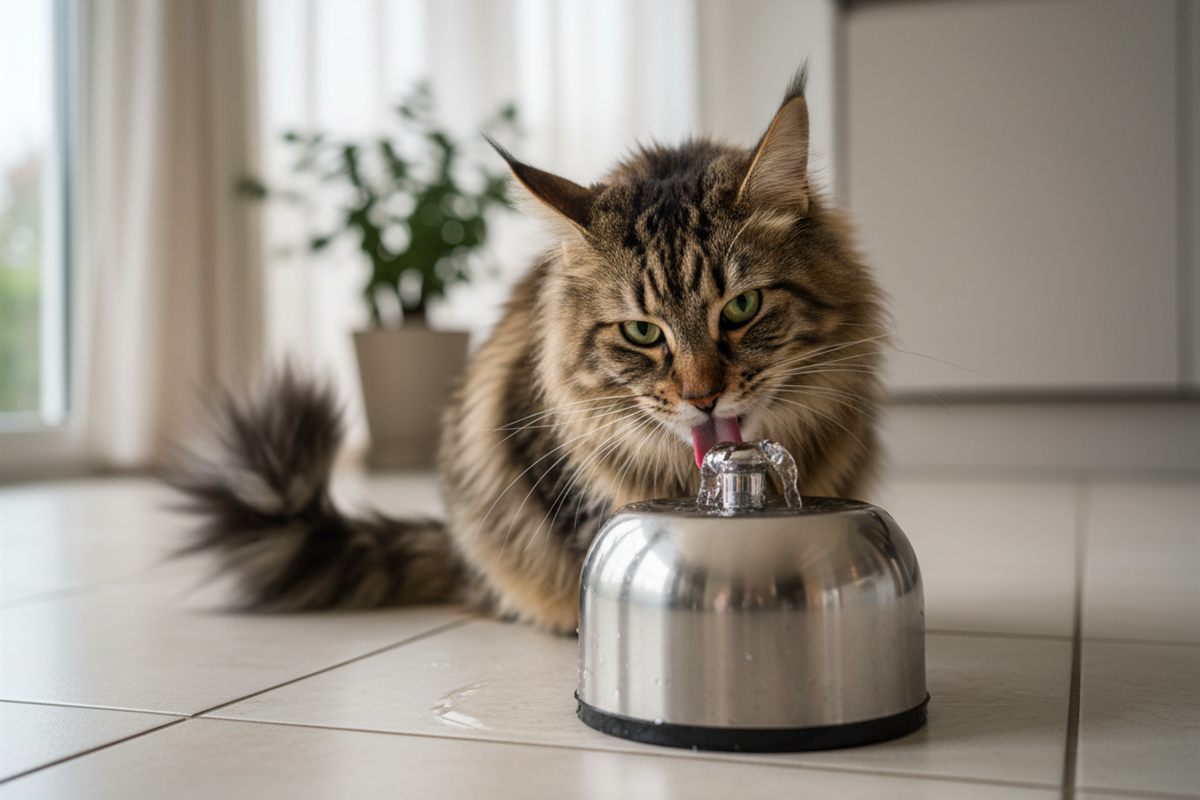
Read beyond the front label. Look for the full organism name, strain when applicable, viable count through expiration, storage instructions, inactive ingredients, and a clear intended use. Avoid products that promise to cure many unrelated diseases or hide every amount in a proprietary blend.
Choose a cat-specific product. Human supplements may use different amounts, flavorings, or inactive ingredients. If your cat is immunocompromised, very young, seriously ill, or taking several medications, ask the veterinarian before starting any live-microorganism product.
Define success in advance. For a stool-quality goal, record consistency and frequency. For a longer digestive plan, also track vomiting, appetite, weight, and comfort. Change one variable at a time so the response can be interpreted.
How to give a probiotic and judge the response
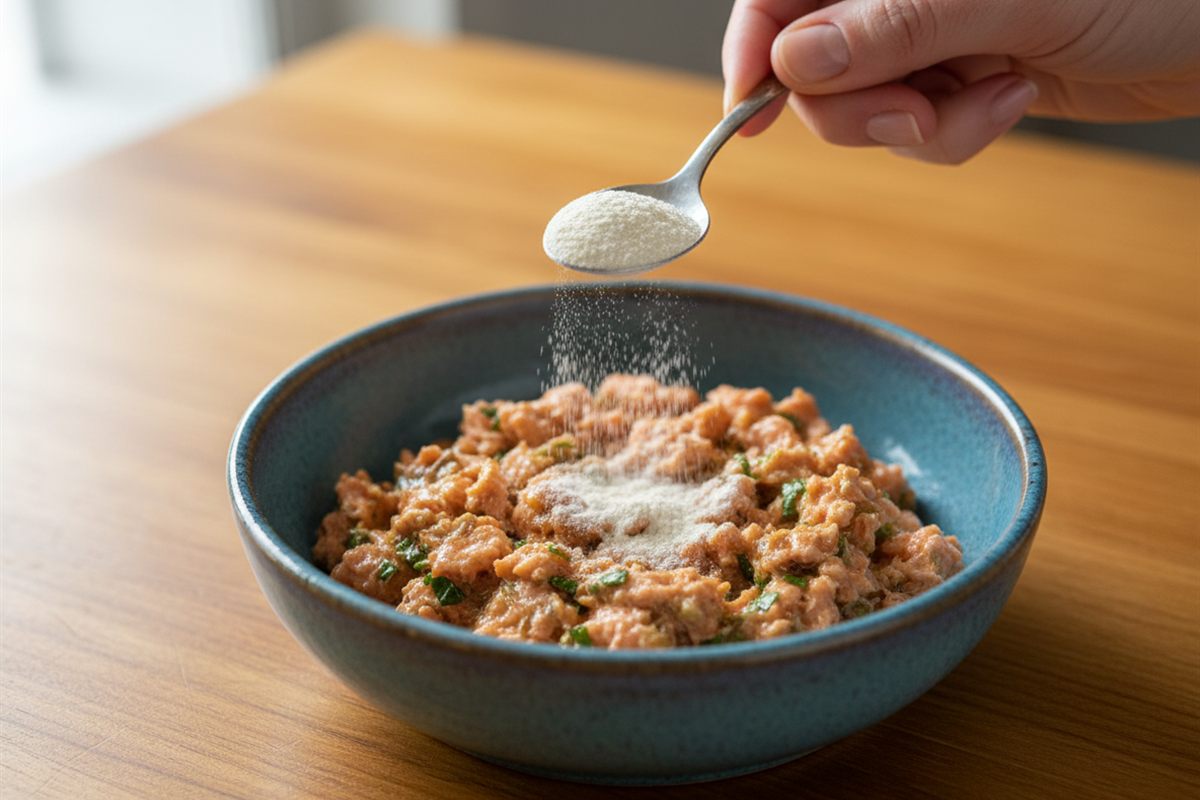
Follow the finished product’s storage and administration instructions. Viable microorganisms can be affected by moisture, temperature, and time, so a jar that has been stored incorrectly may not match the count printed for the end of shelf life. Check the expiration date and keep the original label available in case the veterinarian needs the organism, strain, lot, or inactive ingredients.
Introduce only one digestive product at a time unless the veterinarian has designed a combined plan. Keep the regular food and treats stable when possible. If the cat refuses a meal containing the supplement, do not allow a prolonged food refusal simply to continue the trial. Ask whether another delivery format is appropriate.
A useful log takes less than a minute a day:
- Record each bowel movement using the same stool-consistency scale.
- Note vomiting, appetite, water intake, and energy.
- Record the product and the time it was given.
- Note any food, treat, medication, or routine change.
- Compare the pattern with the baseline at the planned recheck.
Do not judge the product from one isolated bowel movement. Look for a repeatable change in the goal that was selected at the start. Also watch for tradeoffs. Firmer stool is not a useful win if the cat is eating less, vomiting, straining, or becoming less active.
There is no universal timetable for response. It varies with the problem, organism, product, and cat. The label or veterinarian should define the intended trial length. Stop sooner and contact the clinic when signs worsen, a new symptom appears, or the cat no longer meets the conditions for a safe home trial.
How Animal Biome’s Gut Restore and microbiome testing fit
Animal Biome’s Gut Restore for Cats contains screened feline donor material in delayed-release capsules. It is a broader microbial-community product rather than a conventional one- or multi-strain probiotic. Animal Biome positions it for cats with recurring or more significant digestive issues. Discuss its fit with the veterinarian managing the cat’s condition.
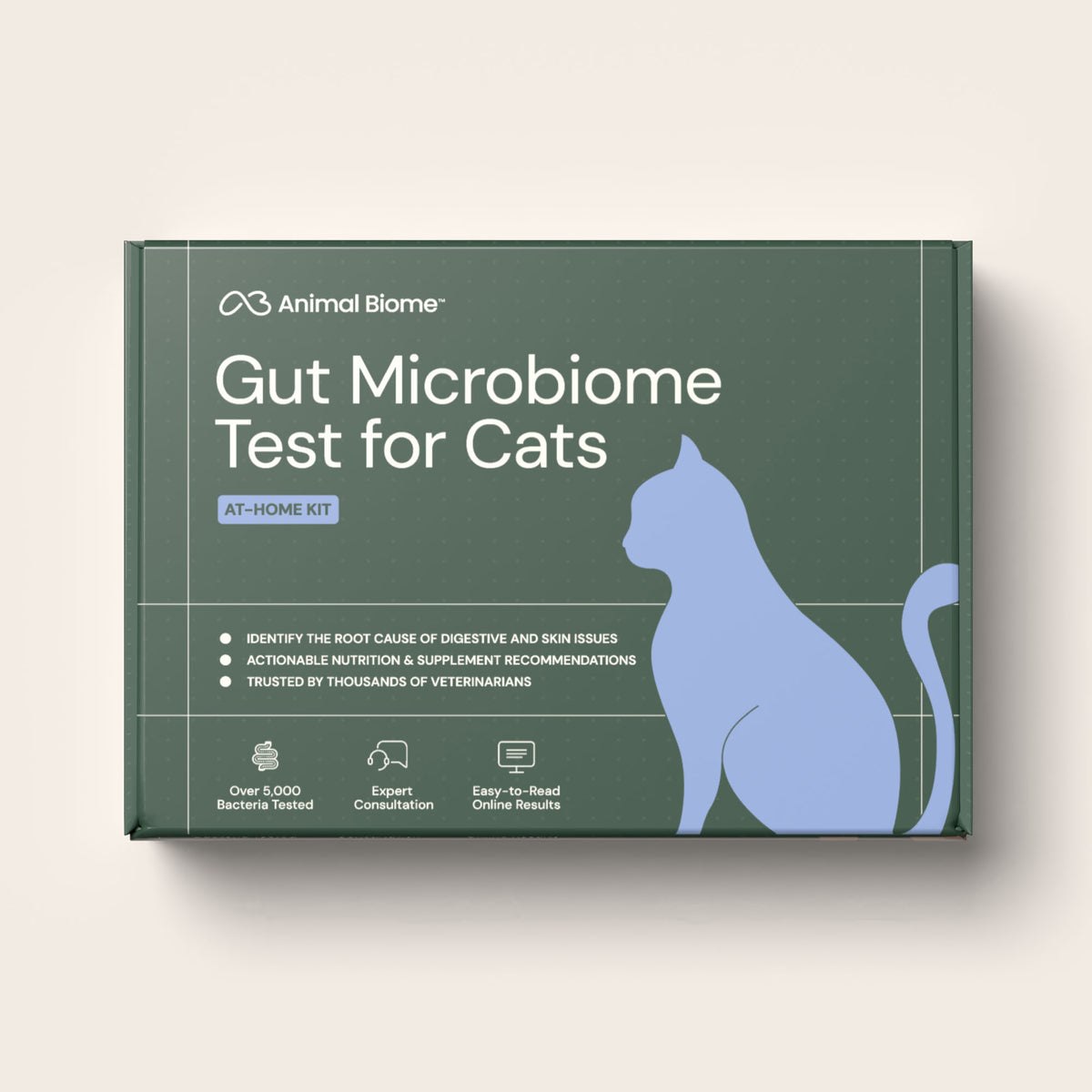
Animal Biome’s Gut Microbiome Test for Cats uses a stool sample and DNA sequencing to report bacteria detected by the laboratory. The report may help establish a baseline, identify bacterial patterns, or monitor change.
Microbiome testing can add bacterial context but does not replace diagnostic tests for parasites, food allergy, or inflammatory disease.
The test does not diagnose every cause of digestive symptoms. Animal Biome’s current product information notes that it does not test for parasites or food allergies. A sick cat still needs the clinical tests selected by the veterinarian.
These Animal Biome tools answer different questions. Gut Restore for Cats is described as a fecal microbiota transplant product in a delayed-release capsule. Its active material comes from feline donors that are screened for health, pathogens, parasites, and microbiome composition. That is a different approach from giving one conventional probiotic strain, and the distinction should be clear when an owner discusses it with a veterinarian.
The Gut Microbiome Test is an at-home stool-sampling kit that uses bacterial DNA sequencing. The report compares detected bacterial patterns with those seen in healthy cats and can be used to establish a baseline or follow change over time. It may make a veterinary conversation more specific, especially when the owner can pair the report with a symptom, diet, medication, and weight log.
The test has important boundaries. It reports on bacteria in the submitted sample. It does not replace a fecal parasite test, physical examination, blood work, imaging, food trial, or intestinal biopsy when those are clinically indicated. A bacterial pattern by itself does not prove why a cat is vomiting, losing weight, or having diarrhea. Results should be interpreted alongside the cat’s clinical workup.
| Situation | Option | Purpose |
|---|---|---|
| Baseline wanted | Microbiome Test | Document bacterial patterns |
| Recurring issues | Gut Restore | Discuss broader restoration |
| Red-flag signs | Veterinary care first | Identify urgent causes |
| Several changes | Coordinate timing | Keep results interpretable |
A positive product trial is one in which the cat remains well, the defined outcome improves, and the result can be explained. Animal Biome can add useful microbiome-specific options to that process, but it works best when the owner and veterinarian agree on which question they are trying to answer.
Side effects and safety
Some cats may develop temporary gas, stool change, or reduced interest in a product. Stop adding variables and contact the veterinarian if symptoms are repeated, significant, or worsening. Seek prompt care for dehydration, repeated vomiting, blood, black stool, pain, marked lethargy, or appetite loss.
Use added caution for kittens, pregnant or nursing cats, medically unstable cats, and cats with significant immune compromise. Live-microorganism and microbial-community products may not be appropriate for every patient. The veterinarian can consider the cat’s disease, medication, nutritional status, and ability to tolerate an oral product.
Check inactive ingredients as carefully as active ones. Flavorings can complicate a strict diet trial, and a powder that changes the smell or texture of food may reduce intake. If a cat develops a new sign after the product starts, pause the experiment and give the veterinarian the full label rather than assuming the reaction is a normal adjustment.
Frequently asked questions
It can be helpful when a cat has a defined goal and the product is appropriate for that situation. Healthy cats do not automatically need a probiotic every day.
Veterinarians select products based on the intended use, organism or strain, viable amount, quality controls, safety, and available evidence. There is no universal recommendation for every cat.
Some products are designed for daily use, but follow the specific label and veterinary advice. Daily use should have a purpose and a measurable benefit.
Possible effects include gas or a temporary stool change. Significant vomiting, diarrhea, appetite loss, pain, or lethargy needs veterinary advice rather than continued trial and error.
Sometimes, but the answer depends on the medication, organism, timing, and reason for treatment. An antibiotic can affect bacterial probiotic organisms, while a yeast such as S. boulardii is biologically different. Ask the prescribing veterinarian how to coordinate the specific products and never stop an antibiotic to protect a supplement trial.
There is no single timeline. A cat with a short-term stool-quality goal may be assessed differently from a cat with chronic disease. Use the product label and veterinary plan, track the same outcome each day, and set a recheck rather than continuing indefinitely without measurable benefit.
Yogurt is not a precise probiotic dose, and some cats do not tolerate dairy well. Human products may contain organisms, amounts, flavorings, sweeteners, or other inactive ingredients that were not selected for cats. A cat-specific product with a transparent label is easier for the veterinarian to evaluate.
The bottom line
Probiotics for cats can be a valuable part of digestive and immune support when the product matches the goal. Animal Biome gives cat owners options that extend beyond a conventional probiotic, including Gut Restore for broader microbiome restoration and a Gut Microbiome Test for establishing a bacterial baseline or tracking change.
Sources
- Probiotics and Cat Health: A Review of Progress and Prospects
- Systematic review of prebiotics, probiotics, and synbiotics in cats
- Animal Biome Gut Restore for Cats
- Animal Biome Gut Microbiome Test for Cats
This article is educational and is not a substitute for individualized veterinary advice, diagnosis, or treatment.