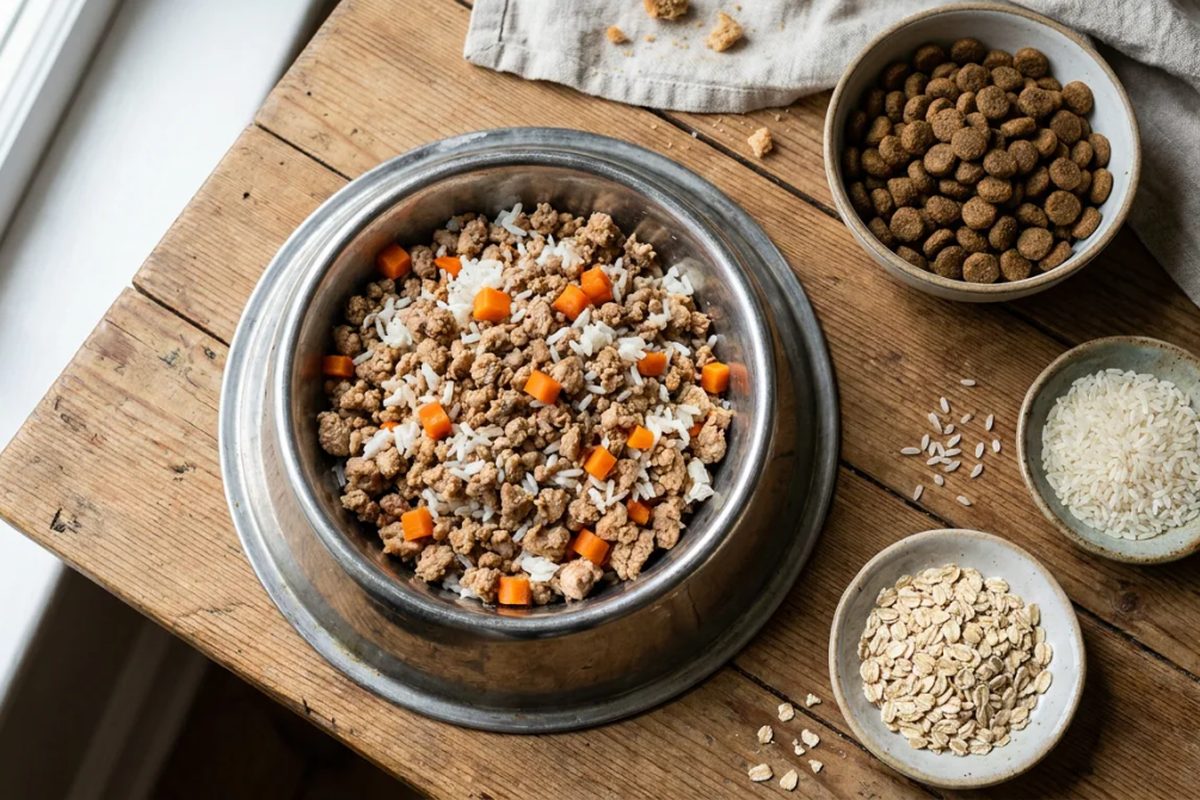
Probiotics for Puppies: When and How to Support a Growing Gut
Published on July 23, 2026
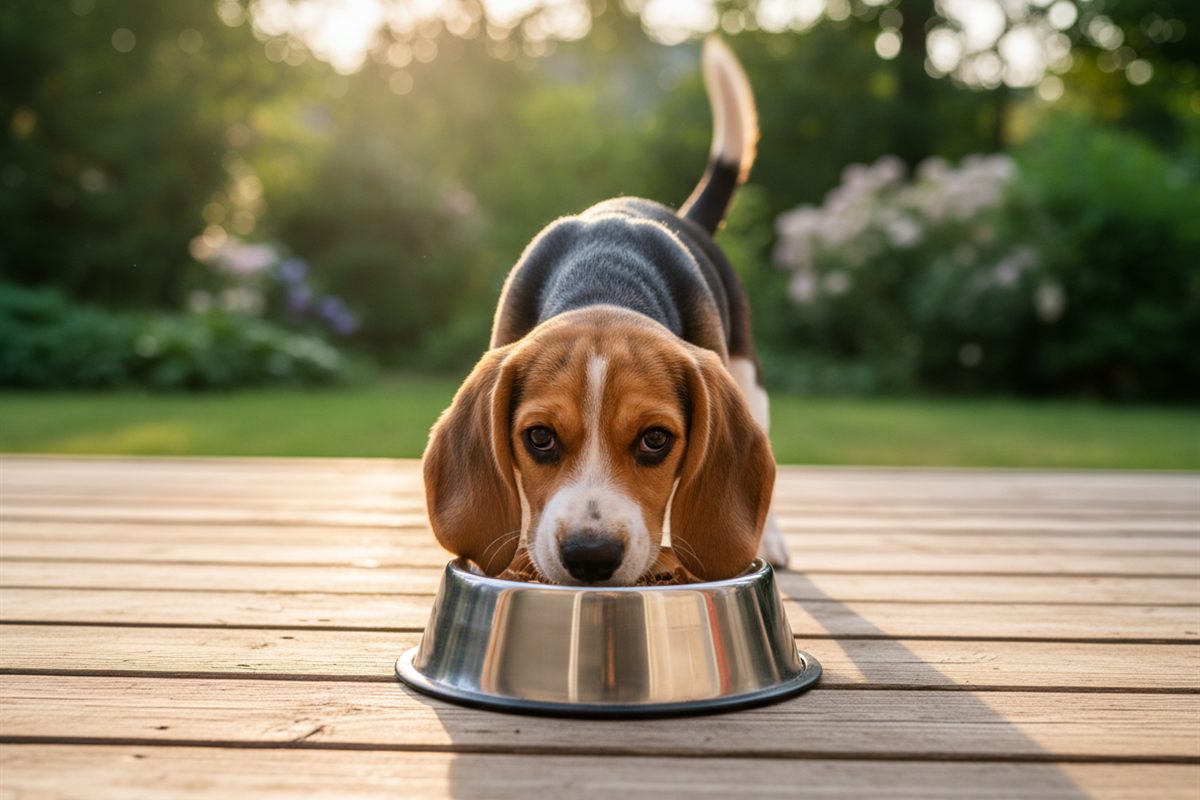
Probiotics for puppies may support digestion during selected food transitions, stress, or recovery plans, but they are not a cure-all for puppy diarrhea. Parasites, infection, scavenging, abrupt diet changes, and medication effects are common, and puppies can become dehydrated quickly.
This article is sponsored by Animal Biome. All veterinary information has been reviewed by the Vetstreet editorial team for accuracy. Vetstreet receives compensation from Animal Biome for this content; opinions and clinical guidance are our own.
All featured products are chosen at the discretion of the author. However, Vetstreet may make a small affiliate commission if you click through and make a purchase.
Key Takeaway: Choose a probiotic only after checking the puppy’s hydration, energy, appetite, vaccination status, and parasite risk. A quiet or vomiting puppy with diarrhea needs prompt veterinary care.
A maintenance supplement should complement a complete puppy diet, parasite control, and veterinary care.
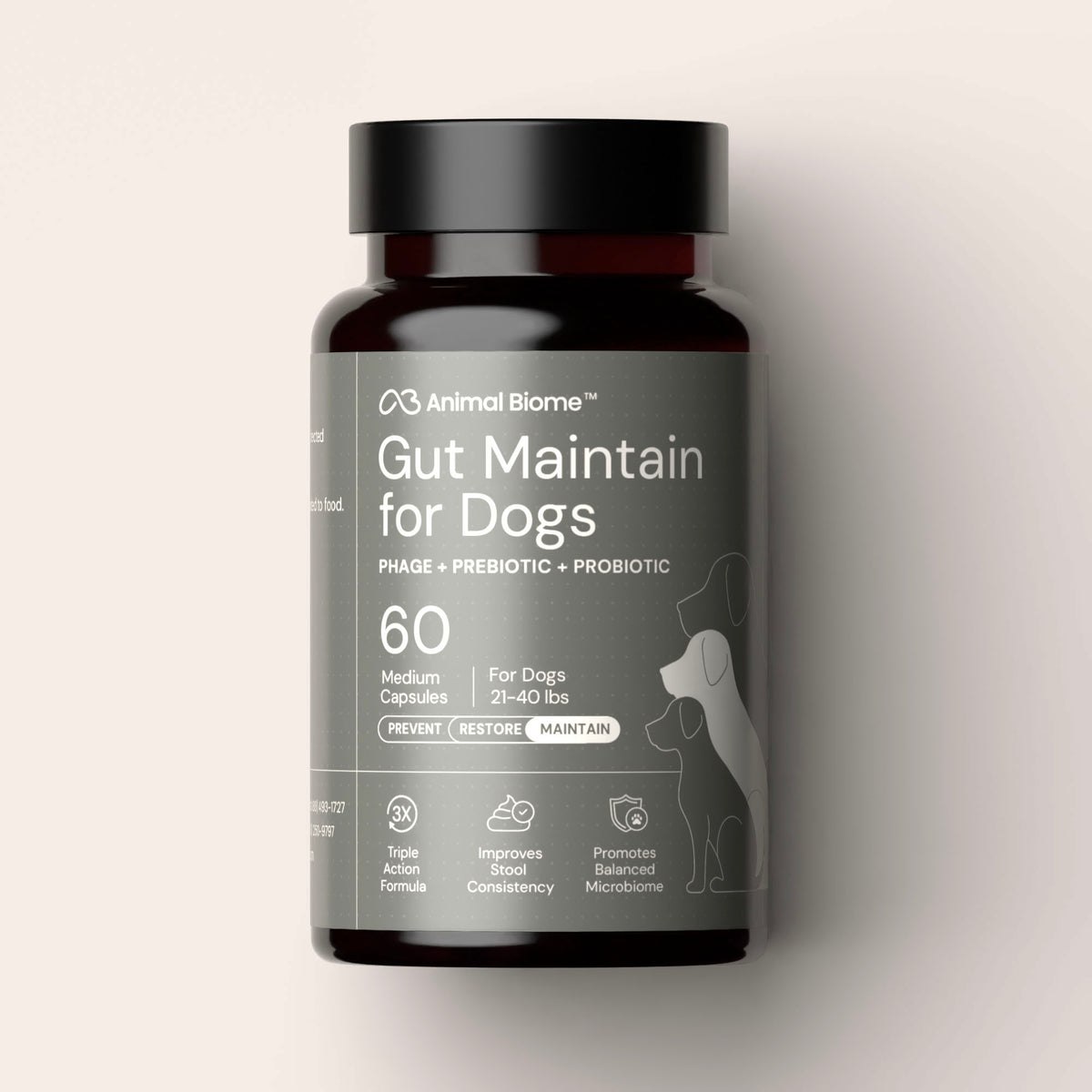
Animal Biome positions Gut Maintain for Dogs as a dog-specific option for daily digestive maintenance and occasional soft stool. For a puppy, product choice should still follow the label and the veterinarian’s advice about age, size, symptoms, and the reason for use.
Why puppy stool changes so easily
Puppies experience rapid changes in diet, environment, training treats, and exposure to other animals. Their curious eating habits also increase the chance of swallowing spoiled food or foreign material. Roundworms, hookworms, coccidia, and Giardia are important causes of diarrhea.
Call the veterinarian promptly for repeated watery diarrhea, vomiting, blood, black stool, abdominal pain, weakness, poor appetite, fever, or dehydration. An unvaccinated puppy with vomiting or diarrhea needs urgent guidance because serious infections, including parvovirus, must be considered.
Age, size, and vaccination status matter
A young puppy has less reserve than a healthy adult dog. Small body size can make fluid loss and missed meals more consequential, while an incomplete vaccination series leaves important infectious risks open. A recently weaned puppy is also adapting to solid food, a new household, training treats, parasite prevention, and exposure to unfamiliar dogs and environments.
Not every loose stool is a microbiome problem. Common categories include abrupt food changes, rich treats, scavenging, parasites, infection, stress, medication effects, and swallowed objects. A probiotic may support selected stable cases, but it cannot remove a foreign body, treat parvovirus, or replace targeted parasite therapy.
Use the whole puppy to decide how quickly to act:
- Monitor closely and call if it persists: one or two soft stools in a bright puppy who is eating, drinking, and acting normally.
- Seek prompt veterinary guidance: repeated watery diarrhea, vomiting, appetite loss, poor weight gain, or a puppy that is quieter than usual.
- Treat as urgent: blood or black stool, repeated vomiting, abdominal pain or swelling, marked weakness, pale gums, dehydration, collapse, or diarrhea in an unvaccinated puppy with systemic signs.
Avoid over-the-counter human antidiarrheals unless the veterinarian specifically directs them. Some products can be unsafe, and slowing intestinal movement may be inappropriate for certain infections, toxins, or obstructions.
What a veterinary workup may include
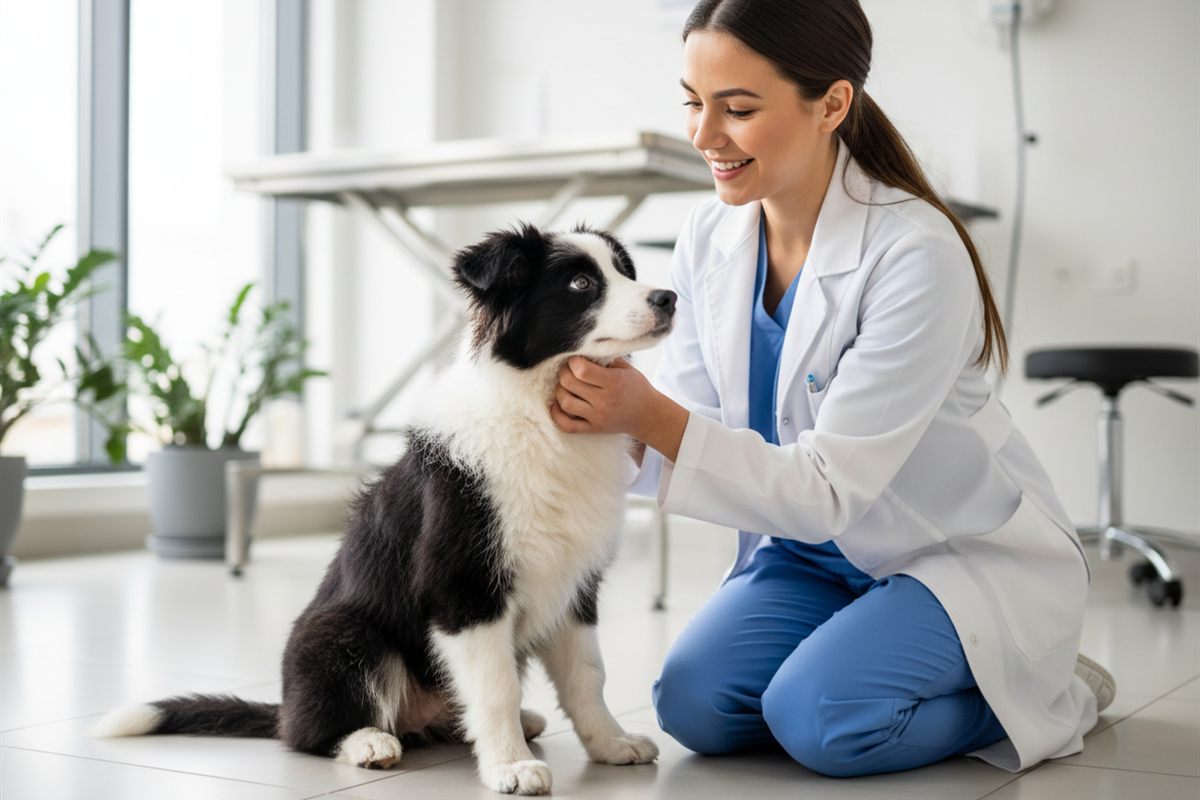
A puppy with vomiting, weakness, blood, dehydration, or poor appetite needs prompt veterinary guidance.
The veterinarian will use the puppy’s age, vaccine and deworming history, diet, medication, exposure, and symptom timeline to decide what testing is appropriate. A fresh fecal sample may be examined for parasites or sent for additional testing. Parvovirus testing, blood work, imaging, or fluid therapy may be recommended when the puppy is ill, dehydrated, painful, or not improving.
Bring a concise record:
- When diarrhea began and how often it occurs
- Stool appearance, including mucus, blood, or black color
- Vomiting, appetite, water intake, energy, and body weight
- Every food, treat, chew, supplement, and medication
- Vaccination, deworming, daycare, boarding, travel, and scavenging history
That information helps distinguish a manageable transition from a problem that needs specific treatment.
When probiotics may be considered
A veterinarian may recommend a puppy-appropriate probiotic during a gradual food transition, after selected medication, or as part of care for a mild digestive upset. A 2026 controlled trial in healthy puppies found that the specific probiotic strains studied were well tolerated and influenced selected microbiome measures. The finding is encouraging, but it does not establish that every product works the same way. See the puppy probiotic trial.
Define the goal. Better stool consistency, stable appetite, and normal weight gain are measurable. General claims such as immune boost are harder to evaluate in an individual puppy.
The controlled puppy trial supports a careful, product-specific interpretation. It studied identified strains under defined conditions in healthy puppies. It does not establish that every probiotic blend prevents disease, treats diarrhea, or produces the same microbiome changes.
Probiotics may be discussed when a puppy is stable during a gradual diet transition, has mild stress-related soft stool, or needs veterinarian-coordinated support around selected medications. Diagnosis comes first when diarrhea is severe, recurrent, or accompanied by systemic illness.
Match the evidence to the reason for use
The usefulness of a probiotic depends on the specific organism or strain, the finished product, the puppy’s condition, and the outcome being measured. Evidence for one formulation cannot automatically be transferred to another product with different organisms, amounts, storage conditions, or inactive ingredients.
For acute diarrhea in dogs, current ENOVAT and WSAVA guidance does not recommend either for or against probiotics because benefits and tradeoffs remain closely balanced. A probiotic can be discussed as supportive care, but it should not be presented as a proven stand-alone treatment for every episode of puppy diarrhea.
Use-case thinking keeps expectations realistic:
- Food transition: The primary tool is a gradual transition. A probiotic is an optional adjunct if the veterinarian thinks it fits the puppy.
- Stress-related soft stool: Reducing the stressor, protecting hydration, and monitoring the whole puppy matter more than a broad digestive-health claim.
- After medication: The prescriber should help decide whether a product is appropriate and how its timing fits the treatment plan.
- Recurring diarrhea: Repetition raises the value of a diet history, fecal testing, and other diagnostics. Repeated supplement trials should not replace that workup.
- Daily maintenance: Decide what success means before starting, such as reliably formed stool without appetite loss or poor weight gain.
A useful trial tests one product, one defined goal, consistent food and treats, and a planned review date. If nothing measurable improves, more of the same product is not automatically the next step.
Know the main supplement categories
- Bacterial probiotics contain one or more live bacterial organisms.
- Beneficial yeasts, such as Saccharomyces boulardii, are different from bacterial probiotics.
- Prebiotics are substrates used by selected gut microbes.
- Synbiotics pair microorganisms with substrates intended to support them.
- Broader microbiome products supply a more diverse microbial community and are not interchangeable with a routine maintenance probiotic.
The best category depends on the purpose. A daily maintenance question, a food transition, post-medication support, and recurring unexplained diarrhea should not automatically receive the same product.
How to read a puppy probiotic label
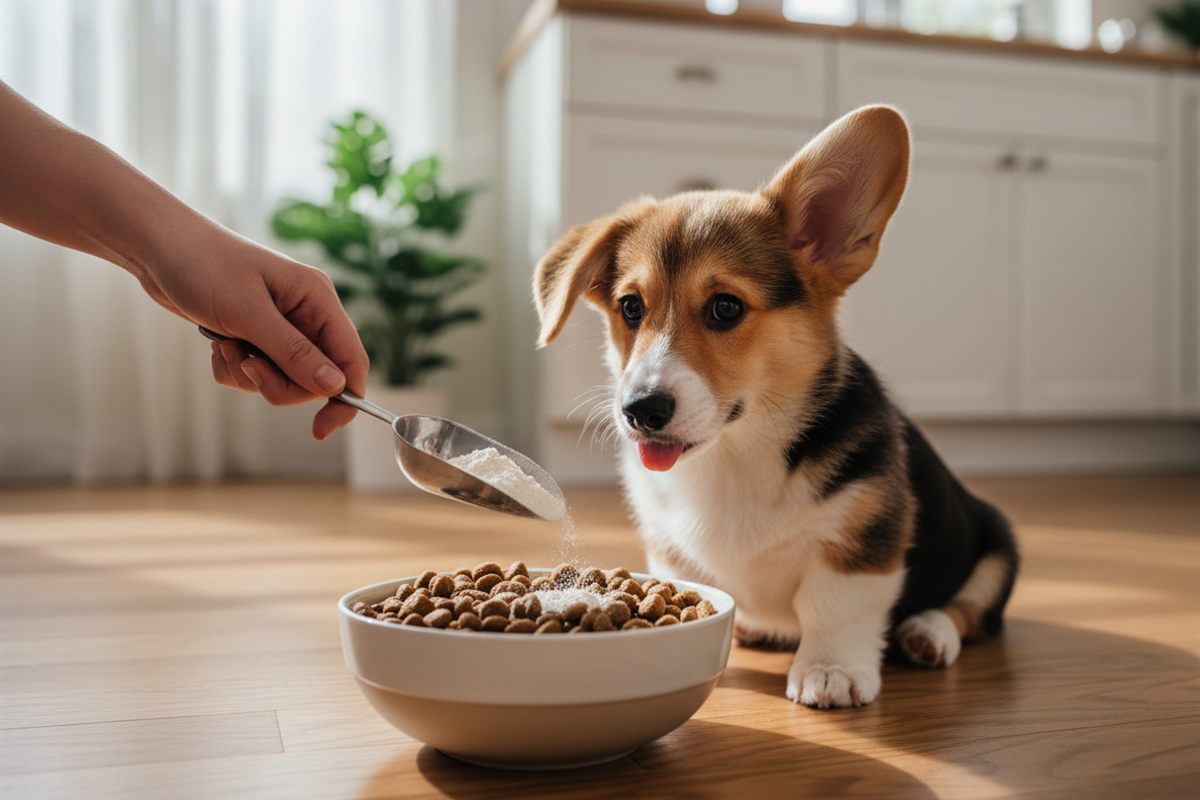
Look for identified organisms and strains, the viable amount through expiration, storage instructions, inactive ingredients, and a clear intended use. Choose a dog-specific product and follow the label or veterinarian’s directions.
Avoid human supplements, sweetened yogurt, and products with xylitol. Do not combine several probiotics, prebiotics, pumpkin, a new food, and rich treats during the same trial. Too many changes can worsen diarrhea and hide which element helped.
Quick reference
| Goal | First priority | Supplement question |
|---|---|---|
| Food transition | Change gradually and keep treats consistent | Is a puppy-appropriate probiotic useful during transition? |
| Mild stress-related soft stool | Confirm the puppy is bright and hydrated | What result and duration should be tracked? |
| Diarrhea after medication | Call the prescriber | Does timing or product choice need coordination? |
| Repeated or severe diarrhea | Diagnostic testing and treatment | What cause must be ruled out before supplements? |
What “best probiotic for puppies” should mean
There is no factual basis for naming one universal best product without a transparent comparison and evidence for the exact use. A responsible selection standard asks whether the finished product is appropriate for dogs, identifies its organisms or strains, states viability through expiration, provides storage directions, lists inactive ingredients, and supports a defined goal.
Also consider the puppy’s actual routine. A refrigerated product may lose quality if it is stored incorrectly. A flavored powder may conflict with an elimination diet. A large capsule may be impractical. A long proprietary blend may look impressive while hiding the amount of each component.
Use this label checklist:
- Dog-specific formulation and clear intended use
- Identified organisms and strains when available
- Amount guaranteed through expiration, not only at manufacture
- Storage, expiration, and manufacturer contact information
- Complete inactive-ingredient and flavoring list
- Directions that fit the finished product and the puppy’s veterinarian-approved plan
Avoid cure claims and products that promise to fix parasites, allergies, infection, and chronic disease at once.
Side effects and situations that need extra care
Even a dog-specific supplement can produce gas, appetite changes, or looser stool in an individual puppy. Flavorings or animal proteins may matter during a food trial, and storage errors can affect products that contain live organisms. Stop the trial and contact the veterinarian if symptoms begin or clearly worsen after the product is introduced.
Very young, underweight, immunocompromised, hospitalized, or seriously ill puppies need individualized advice before receiving a live-microorganism product. The same applies when a puppy has a feeding tube, major intestinal disease, or several medications. These situations do not prove that every probiotic is unsafe; they mean the risk-benefit decision belongs with the veterinary team.
Keep the original container and lot information until the trial is complete. If an unexpected reaction occurs, the veterinarian and manufacturer will need the exact product name, lot, expiration date, storage history, amount given, and timing of the signs.
Administration and a measurable trial
If the label permits mixing a powder or opened capsule with food, start with a small portion of a familiar meal so the puppy consumes the full amount. Do not hide an unfamiliar flavor in the entire day’s food and risk reducing intake. Keep diet and treats consistent so the result can be interpreted.
Track stool consistency and frequency, vomiting, appetite, water intake, energy, body weight, and any medication. Set a recheck point with the veterinarian. Stop and call sooner if diarrhea worsens, vomiting develops, appetite falls, or the puppy becomes quiet or weak.
How Animal Biome’s Gut Maintain for Dogs may fit
Animal Biome’s Gut Maintain for Dogs combines S. boulardii, an FOS prebiotic, and a bacteriophage blend. Animal Biome positions it for daily digestive maintenance and occasional soft stool.
Testing may add bacterial context for recurring problems, but a sick puppy needs immediate clinical testing first.
Ask the veterinarian whether the formula and current label directions are appropriate for the puppy’s age, size, health, diet, and medication. A maintenance product should not delay fecal testing, parvovirus testing, fluids, or other treatment.
Animal Biome describes Gut Maintain as a three-part maintenance formula. S. boulardii is the probiotic yeast component, FOS is a prebiotic, and the PreforPro bacteriophage blend is intended to reduce harmful E. coli. This makes the product different from a conventional single-strain probiotic, but the ingredient list does not mean it is appropriate for every puppy or every cause of diarrhea.
A reasonable discussion starts with the puppy’s stability and the goal. Gut Maintain may fit a veterinarian-approved maintenance plan or occasional-soft-stool strategy when the puppy is otherwise well. A puppy with recurrent diarrhea, poor growth, vomiting, dehydration, parasites, suspected infection, or a possible foreign object needs diagnostic care first.
Ask these questions before starting:
- Is the current formula appropriate for this puppy’s age and medical history?
- Does it fit with the puppy’s food, medication, and parasite-control plan?
- Which measurable result should improve, and by when?
- Which signs mean the supplement should be stopped and the puppy rechecked?
The adjacent Gut Microbiome Test represents a different tool. Animal Biome’s test profiles bacteria in a stool sample and may add context in selected recurring cases, but it does not replace a fecal parasite test, parvovirus test, imaging, or another diagnostic test chosen for a sick puppy. The veterinarian should decide whether microbiome profiling would answer a useful question after immediate risks have been addressed.
Choose the Animal Biome path by the question
Animal Biome’s maintenance supplement and microbiome test answer different questions, and neither replaces clinical diagnostics.
- Stable puppy with occasional soft stool: review diet, treats, parasite control, and transition pace, then discuss Gut Maintain as a measured maintenance trial.
- Diarrhea during a prescribed medication: contact the prescriber and continue the drug unless directed otherwise, then ask whether Gut Maintain fits and how to time it.
- Recurring signs despite an initial workup: reassess diet history and the veterinarian’s diagnostic plan, then ask whether a Gut Microbiome Test would answer a defined bacterial-balance question.
- Vomiting, blood, weakness, dehydration, pain, or poor appetite: seek prompt veterinary evaluation and do not delay clinical testing or treatment for a supplement or mail-in test.
Before buying either tool, write down the decision it should inform. For Gut Maintain, that may be whether stool becomes consistently formed during a stable routine. For the Gut Microbiome Test, it may be whether bacterial patterns offer additional context after parasites, infection, diet, medication effects, and structural disease have been considered.
This question-first approach keeps Animal Biome visible for the right reason: it gives the owner a specific maintenance option and a separate way to gather microbiome information, while the veterinarian remains responsible for diagnosis and treatment. If the puppy does not improve, the next step is reassessment rather than assuming that every digestive problem needs more supplementation.
Build the foundation first
Feed a complete and balanced puppy diet, transition food gradually, provide fresh water, maintain parasite prevention, and keep vaccination appointments. Limit rich treats and supervise access to trash, toys, socks, and other objects.
Weigh growing puppies regularly. Diarrhea with poor weight gain deserves investigation. Keep a short log of stool, vomiting, appetite, water intake, energy, diet, and medication so the veterinarian can see the pattern.
Make food changes gradual and interpretable
When the puppy is otherwise well and the veterinarian has not prescribed a different plan, shift foods gradually rather than replacing the entire diet in one meal. Keep treats, chews, toppers, and table food stable during the transition. The exact pace should reflect the puppy’s history and the veterinarian’s advice, especially after recent diarrhea.
If stool softens, do not automatically add several remedies. Record when the change appeared, pause new extras, and ask whether the transition should slow down or whether the puppy needs an examination. A supplement cannot compensate for a food that is unsuitable, fed in the wrong amount, or changed too abruptly.
For puppies in training, treat calories can accumulate quickly. Using part of the measured daily food as rewards can make the diet easier to interpret. A consistent feeding schedule also helps the owner connect stool changes with meals, treats, medication, stressful events, or scavenging.
Use a seven-day puppy gut record
Record food and treat changes, medication, stool frequency and consistency, vomiting, appetite, water intake, energy, and weight when available. Note training classes, daycare, boarding, scavenging, and stressful events. Photos of abnormal stool may be useful to the veterinary team.
The purpose is not to wait seven days when a puppy is ill. It is to capture patterns while the puppy remains stable and to show whether a food transition or supplement trial produced consistent improvement. If red flags appear, contact the veterinarian immediately.
The strongest long-term support is straightforward: a complete puppy diet, gradual transitions, fresh water, appropriate vaccination and parasite prevention, safe socialization, and supervision that limits access to trash and swallowable objects. A transparent probiotic can complement that foundation when the goal is clear.
Frequently asked questions
Some dog-specific products and studied strains appear well tolerated, but safety depends on the puppy and finished product. Ask the veterinarian for very young, ill, underweight, or immunocompromised puppies.
Use a daily product only for a defined goal and according to the label or veterinary directions. More products do not necessarily produce a better microbiome.
They may help stool quality in selected cases, but they do not treat parasites, parvovirus, foreign-body obstruction, or every dietary problem. Triage and diagnosis come first.
Response varies by cause and product. Set a recheck point with the veterinarian and call sooner if diarrhea worsens or the puppy becomes quiet, vomits, or stops eating.
Do not assume a human product is appropriate. The organisms, amount, capsule size, flavorings, and inactive ingredients may not fit a puppy. A dog-specific product selected with veterinary guidance reduces that uncertainty.
Ask the prescriber. Timing and product choice may depend on the antibiotic, the original illness, and the puppy’s response. Do not stop or change a prescribed drug without veterinary direction.
The bottom line
Probiotics for puppies can support a growing gut when the puppy is stable, the product is transparent, and the goal is measurable. Animal Biome’s Gut Maintain for Dogs gives owners a clearly labeled, dog-specific maintenance option to discuss with the veterinarian while the puppy’s complete diet, hydration, parasite control, and vaccination remain the foundation.
Sources
- Controlled probiotic trial in healthy puppies
- ENOVAT and WSAVA canine acute diarrhea guidance
- AVMA canine parvovirus guidance
- Animal Biome Gut Maintain for Dogs
This article is educational and is not a substitute for individualized veterinary advice, diagnosis, or treatment.