Types of Dog Food Explained: Kibble, Wet, Fresh, Raw, Freeze-Dried, and Dehydrated
Published on September 21, 2026
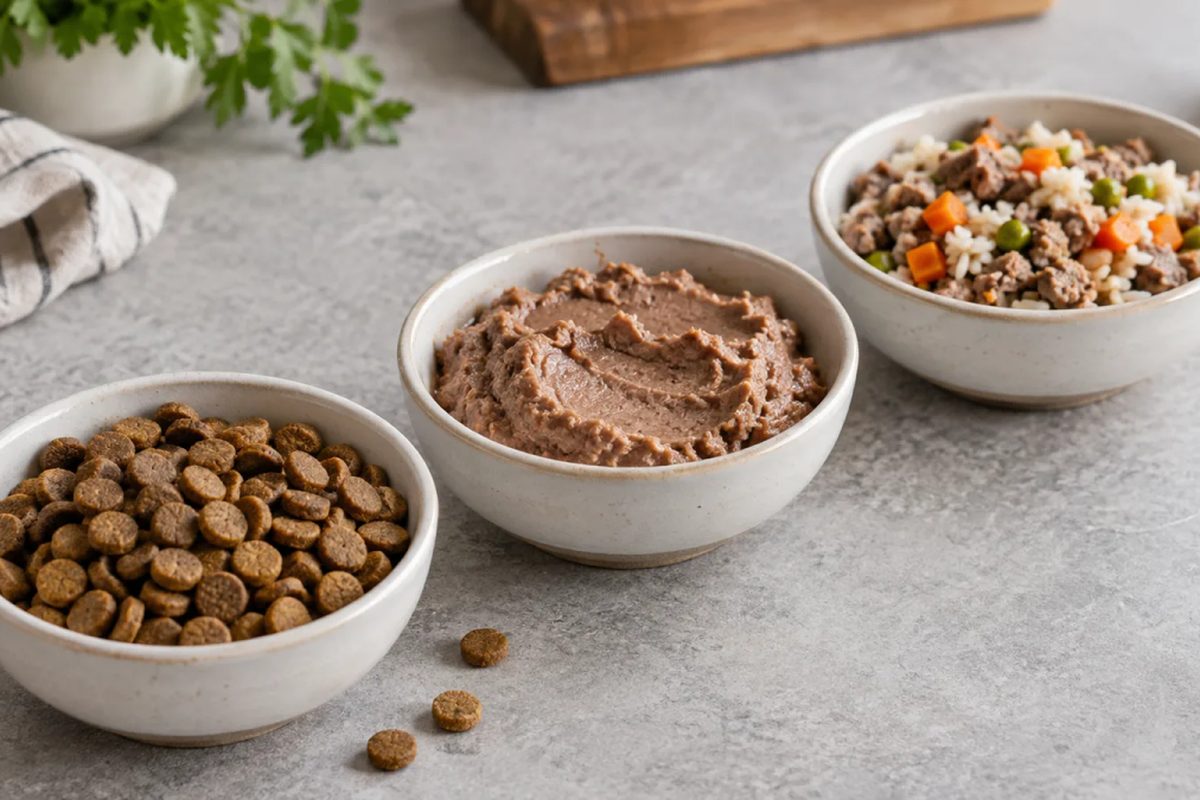
Understand dog-food formats through cooking, moisture, storage, and nutritional adequacy. Compare kibble, wet, fresh, raw, freeze-dried, and dehydrated foods for your household.
This article is sponsored by JustFoodForDogs. Vetstreet maintains editorial control and may earn a commission from qualifying purchases, at no extra cost to you.
The main types of dog food differ in moisture, preparation, and storage. Kibble is dry, wet food contains more water, cooked fresh meals offer a moist prepared option, and raw or dried formats need their own processing and handling checks. None of those names tells you, by itself, whether the food is nutritionally complete.
A clearer way to compare the choices is to ask three questions: Is it cooked? How is it preserved? Is it designed to be the main diet? Those answers help you match a suitable recipe to your dog and your household without treating food format as a quality grade.
The main types of dog food at a glance
Key Takeaways
- Separate the cooking axis from the moisture axis when comparing foods.
- Every main diet must be complete and balanced for the appropriate life stage.
- Storage, calorie density, and intended use matter more than the format name alone.
There are different ways to classify types of dog food, which is why lists do not always contain the same number. One list groups foods by water content; another separates manufacturing methods. A third includes therapeutic diets or toppers, which describe intended use rather than texture.
If you are asking how many types of dog food there are, six familiar shopping categories are kibble, wet, fresh, raw, freeze-dried, and dehydrated. Air-dried food is also often presented as a separate format. These categories overlap: a raw food can be frozen or freeze-dried, while a cooked meal can be refrigerated or shelf-stable.
Two ways of grouping the same food
- Cooking axis: Cooked versus uncooked animal ingredients.
- Moisture axis: Dry, semi-moist, or moist food as served.
The question “What are the 3 types of dog food?” often refers to dry, semi-moist, and wet groupings. That is a broad moisture-based classification, not a complete map of current shopping formats. Types of soft dog food can include different preparations with very different nutritional purposes.
A practical dog-food format map
| Format | Main distinction | What to check |
|---|---|---|
| Kibble | Dry pieces, commonly formed through extrusion | Adequacy, calories, and dry storage |
| Wet | Moist food, often canned or pouched | Adequacy and opened-food storage |
| Cooked fresh | Moist cooked meals, often refrigerated or frozen | Cooking details, life stage, and cold storage |
| Raw | Uncooked animal ingredients | Nutritional balance and pathogen exposure |
| Freeze-dried | Water removed from frozen food under reduced pressure | Raw status and preparation directions |
| Dehydrated or air-dried | Moisture removed using air and drying processes | Cooking details, serving units, and rehydration where required |
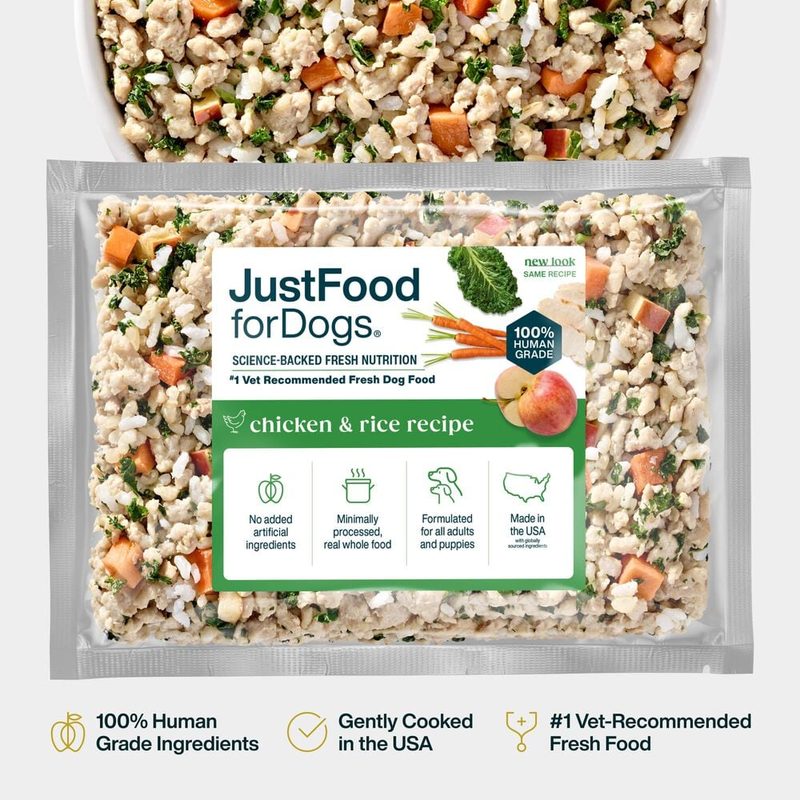
For a familiar cooked fresh example, JustFoodForDogs Fresh Frozen meals combine prepared cooked food with frozen storage. That identifies the format. You still need the exact recipe’s nutritional statement and feeding directions to choose it for your dog.
Why the number of types changes
There is no single fixed count of dog-food types because people classify them in different ways. A three-part list may use moisture categories such as dry, semi-moist, and wet. A longer list may separate raw, fresh cooked, frozen, freeze-dried, air-dried, and dehydrated products. Both lists can describe real distinctions, but they are not using the same organizing rule.
That overlap matters at the store. A frozen package may contain raw food or a cooked meal. A shelf-stable package may contain dry kibble, a canned food, or a cooked product preserved by another process. The package’s location in a freezer or on a shelf therefore does not tell you everything about how it was made or what nutritional job it is intended to do.
For the best types of dog food, begin with the individual dog’s requirements and then compare suitable recipes. Types of raw dog food need an additional safety assessment because uncooked ingredients may expose pets and people to pathogens. Types of canned dog food and other moist complete meals may offer a texture that fits the household without making raw feeding necessary.
Dry kibble and wet food
Kibble and wet food are both broad categories containing many different formulations. Either can provide complete daily nutrition when the exact recipe has the appropriate adequacy statement. Their most obvious everyday difference is water content, which affects serving weight and storage.
Different types of dry dog food may vary in piece size, shape, processing, and recipe composition. Some are designed for general adult feeding, while others target growth or a veterinarian-directed nutritional need. The dry format does not make those uses interchangeable.
What wet food includes
Types of wet dog food include pâtés, chunks, stews, and other moist textures. Cans, trays, and pouches are packaging choices. Different types of canned dog food may have very different calorie densities and intended uses despite sharing the same container shape.
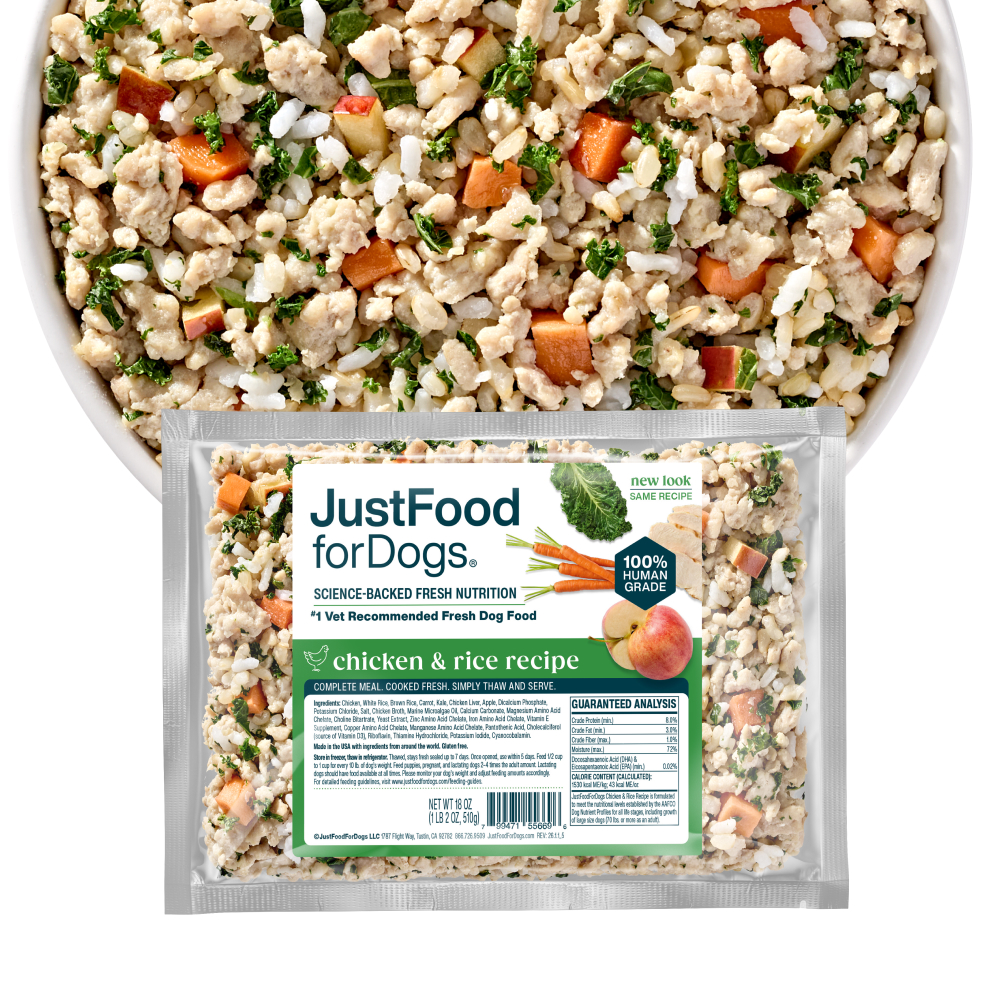
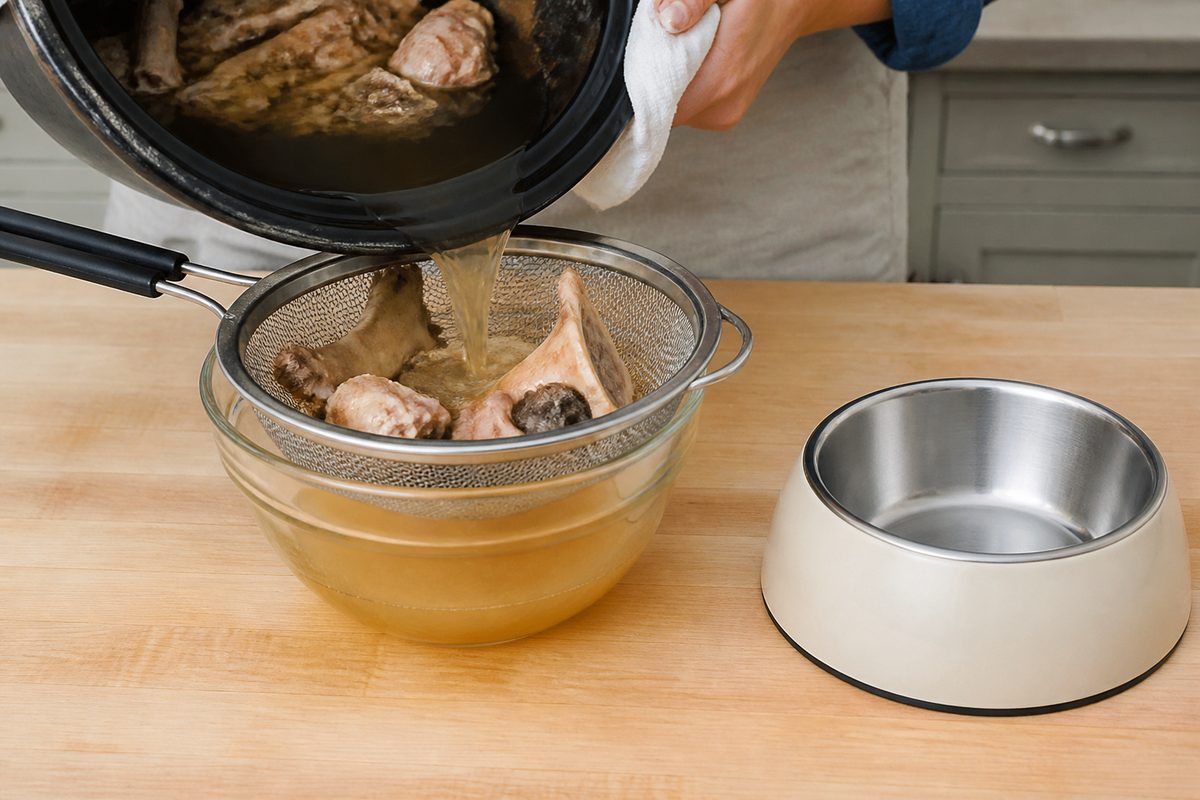
Read the label rather than assuming every can is a complete meal. A broth or complementary meat product can be useful for its intended purpose without providing all essential nutrients as a sole diet.
Compare by calories, not container size
- Use calories per gram, ounce, cup, can, or pouch from the exact product.
- Calculate the amount needed for the planned daily allowance.
- Include treats and extras in that allowance.
- Follow opened-package storage directions and allow for likely waste.
A large can of a lower-calorie food may provide fewer meals than a smaller package of a more energy-dense food. Similarly, a small scoop of dry food may contain the same calories as a much heavier portion of moist food. These differences make package weight a poor standalone guide to value.
Softness is a texture description
Types of soft dog food include very moist meals and some semi-moist products. Soft dry food is not automatically interchangeable with a complete wet food: one product may be a main diet, another a treat or topper. Read the intended-use statement rather than deciding from how easily a piece bends or breaks.
If a dog suddenly avoids a familiar crunchy meal, a softer food may be easier to eat, but a texture change does not explain the cause. Discuss a new eating difficulty with the veterinarian, particularly if there is pain, reduced intake, or another change in behavior. The format comparison helps with appropriate feeding choices; it does not diagnose a dental or medical problem.
Match the package to the serving routine
An owner comparing different types of dry dog food should check calories and storage as well as texture. Small, dense pieces and larger pieces can create different visual impressions of a portion. Measure with the exact product’s directions and the dog’s daily target. The same physical scoop may supply different calories after a recipe change.
For wet food, consider how much the dog will use after a package is opened. A larger can or pouch may have an attractive unit price but require a storage routine that is inconvenient for a very small dog. Follow the current label’s refrigeration and use instructions, and choose a package size that fits the actual daily amount.
Fresh and gently cooked meals
Cooked fresh meals typically retain a moist texture and may contain recognizable pieces of ingredients. They are often sold refrigerated or frozen. “Gently cooked” describes preparation language used by a manufacturer, so ask for details about the actual process and the finished recipe.
Fresh does not mean the same thing as raw. A cooked meal can be fresh-style food, and freezing a raw meal does not make it cooked. This distinction matters when you want a moist prepared diet with a cooking step rather than uncooked animal ingredients.
Prepared fresh versus home-prepared food
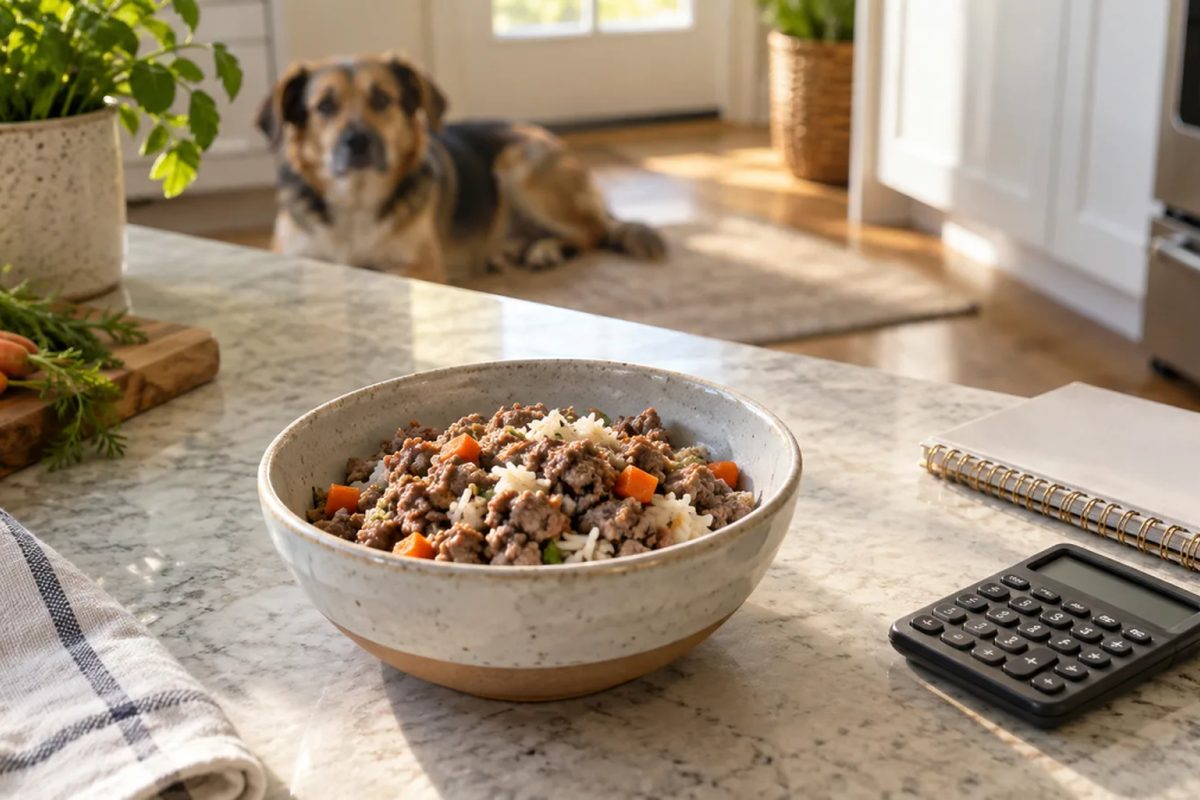
A commercial complete fresh recipe is formulated to serve a defined nutritional purpose. An owner assembling cooked meat, rice, and vegetables is doing something different unless they follow a qualified complete formulation. Familiar ingredients do not reveal the amounts of minerals and vitamins a dog needs over time.
JustFoodForDogs Chicken & Rice is a prepared Fresh Frozen option. Owners can review its current recipe statement and feeding directions without developing a home-cooked formulation themselves. Check the package you receive, since product information can change.
Fresh formats have different storage routines
- Refrigerated: Keep at the stated temperature and observe the use-by and opened-food limits.
- Frozen: Plan thawing, freezer space, and the use of opened portions.
- Shelf-stable cooked: Follow unopened storage directions, then the separate instructions after opening.
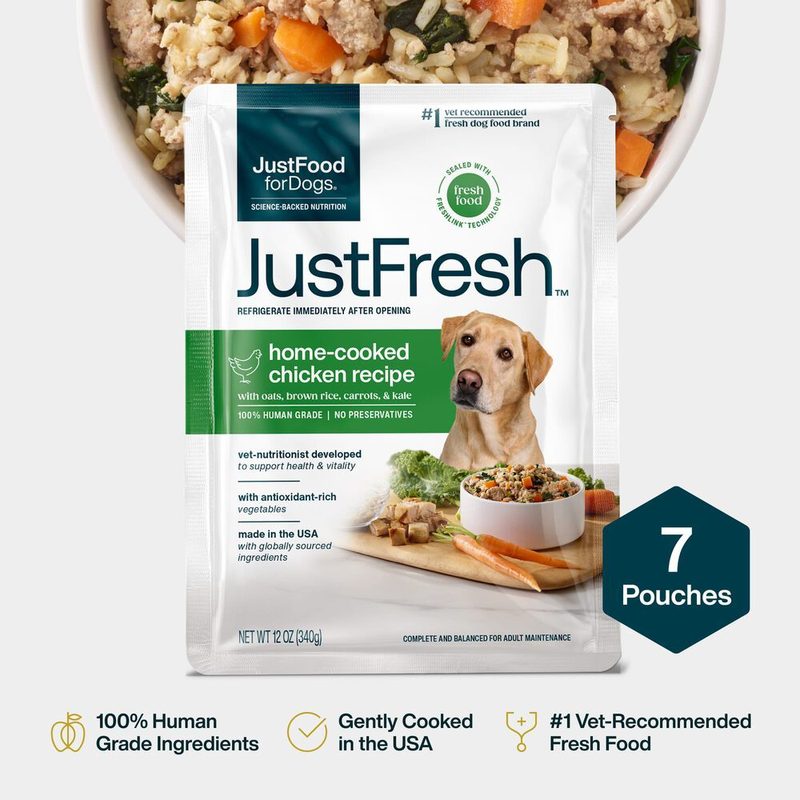
If freezer space is limited, JustFoodForDogs JustFresh Chicken is a shelf-stable cooked format to consider. Verify its life-stage suitability and do not carry over another recipe’s storage or growth claims.
Raw, freeze-dried, air-dried, and dehydrated foods
These categories are easy to confuse because some describe cooking status and others describe moisture removal. Raw food contains uncooked animal ingredients. Freeze-dried, air-dried, and dehydrated describe preservation processes that may be used with different preparation methods.
Types of raw dog food include frozen meals and some dried products. A raw diet can look moist or dry, so appearance is not enough to identify the food-safety issue. Ask the manufacturer when the label does not clearly explain the process.

Freeze-dried foods
Freeze-drying removes water from frozen food under reduced pressure. Some products are rehydrated before serving, while others have different instructions. Adding water changes the meal’s weight and texture but does not add calories or turn raw food into cooked food.
Measure the food using the units specified on the label. If calories are given for the dry food, do not weigh the rehydrated meal and treat that weight as though it were still entirely dry food.
Air-dried and dehydrated foods
These foods use air and drying processes to reduce moisture. Manufacturers differ in their temperature, processing sequence, and other controls, so ask whether a cooking step is included. Do not assume that “dehydrated” always means raw or that “air-dried” automatically means pathogen-free.
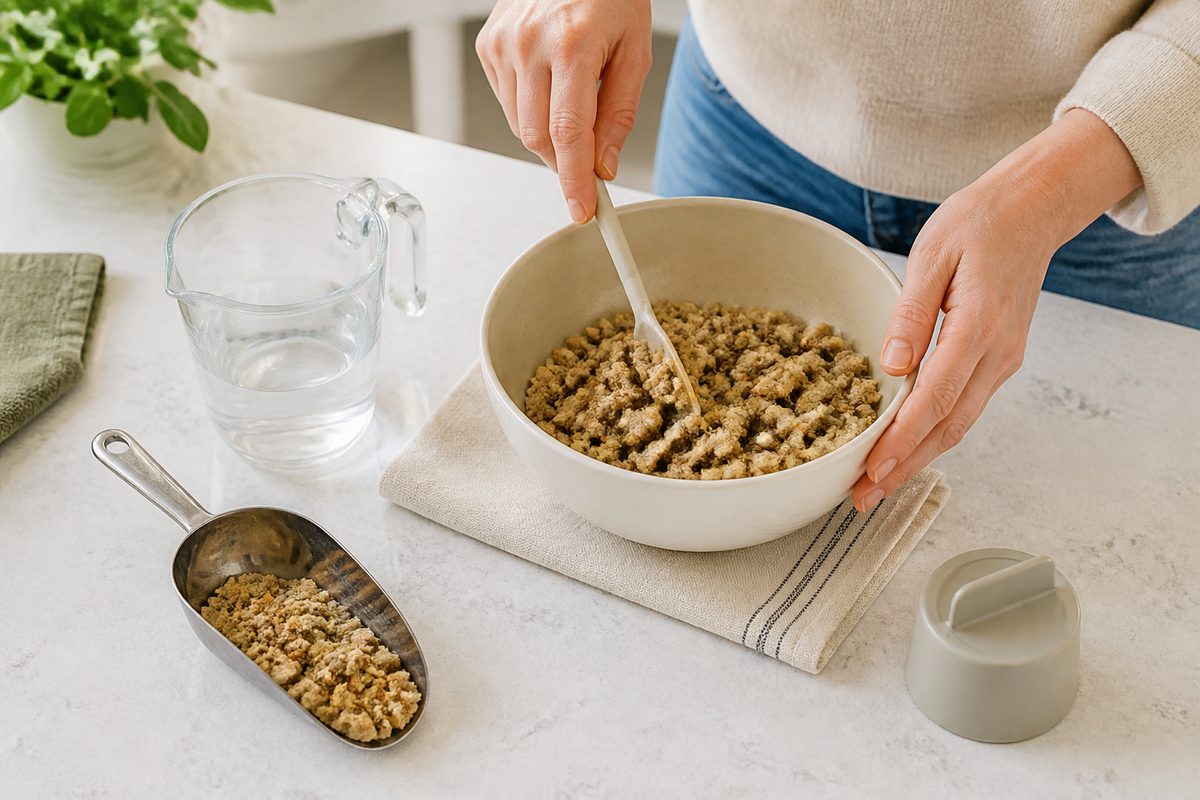
Some dehydrated foods form a soft meal after water is added. Others remain in pieces. The preparation directions should explain how much water to use, when to serve the food, and what to do with leftovers.
Raw status remains a separate check
The CDC’s pet-food safety guidance advises against raw pet food because of illness risks to animals and people. The FDA’s raw-food safety information also explains the public-health concern. A complete nutrient formulation does not remove microbial hazards associated with uncooked animal ingredients.
- Read for raw or cooked status rather than relying on package design.
- Ask about the manufacturer’s process and finished-product controls.
- Consider vulnerable household members as well as the dog.
- Follow handling instructions for any food you choose.
Complete diets, toppers, and therapeutic foods
The food’s job is another dimension entirely. A complete daily diet, a topper, and a therapeutic food can each appear in more than one format. This is why “soft,” “fresh,” or “dry” does not answer whether a product can supply the main nutrition.
The AAFCO reading-labels guide helps distinguish nutritional adequacy from product presentation. A statement limiting a food to intermittent or supplemental use is important even if the product contains ingredients you associate with a meal.

Main diet versus extra
A topper may add texture or flavor without being complete. It should not gradually displace the complete diet through repeated generous additions. Conversely, a suitable complete food may sometimes be used as part of measured mixed feeding, with its calories included in the total.
For types of dog food for puppies, prioritize a growth-appropriate complete formulation and the relevant large-size-dog qualification. An adult-maintenance food or supplemental pouch does not become puppy food merely because it is soft enough to eat.
Therapeutic nutrition
A veterinarian-directed diet is selected for a specific nutritional purpose. Its dry or moist presentation is secondary to that purpose. Ask before changing it, adding substantial toppers, or mixing it with another food, because the additions may interfere with the intended nutrient profile.
For more context on professional diet selection, see our guide to veterinarian-recommended dog foods. A useful recommendation connects an exact diet with an individual dog rather than endorsing one texture for all animals.
One format can do several different jobs
A fresh meal, dry nugget, or canned product can be sold for different purposes. Complete diets are intended to supply the necessary nutrients when fed appropriately. Supplemental products add food to an existing plan. Therapeutic diets are selected for particular veterinary purposes. Shape and moisture do not tell you which role applies, so make the intended use a separate line in your comparison.
For puppies, the life-stage statement is especially important. A complete adult-maintenance diet is not the same as a complete growth diet. Large-size growth qualifications also matter. A product can be a well-formulated food for its intended user while still being inappropriate for a puppy, which is why a general ranking of formats cannot replace the exact label check.
Keep extras in the overall calorie plan
Adding a topper changes what the dog eats, even if the amount looks small. Include treats and other extras when planning the day’s food. If two suitable complete diets are combined, replace a measured share of calories rather than adding a second meal on top. If one product is supplemental, ask how much can fit without displacing complete nutrition.
The same principle applies when an owner switches from dry to moist food. Equal bowl volume does not mean equal energy. Calculate the new serving from its calorie density, make the appropriate transition, and monitor the dog’s response. A consistent measured routine is more informative than judging a food by the size or appearance of a single serving.
How to choose a format and build a feeding routine
Start with a suitable complete recipe, then compare the practical demands of its format. The best types of dog food for your household are the ones you can store safely, portion accurately, and afford consistently while meeting the dog’s needs.
For example, an owner with a small freezer might prefer smaller Fresh Frozen deliveries or consider an appropriate shelf-stable cooked recipe. A frequent traveler may place more value on easy storage. A puppy owner needs changing portions and growth monitoring regardless of the packaging.
A six-question decision checklist
- Is this exact food complete for the dog’s life stage?
- Does a medical condition change the nutritional requirements?
- Is the food cooked or raw, and are the process details clear?
- What portion supplies the planned daily calories?
- Can the household follow the storage and preparation directions?
- Does the recurring daily cost fit the budget?
The JustFoodForDogs feeding calculator can help establish a fresh-food starting estimate. Compare that with the dog’s condition and existing intake rather than feeding a full fresh recommendation on top of a full dry-food allowance.
When you switch
Introduce a suitable new food gradually according to the manufacturer’s or veterinarian’s guidance. Track appetite, stools, weight, and body condition. Seek advice for persistent problems rather than assuming a different food format will resolve an unexplained symptom.
Choosing a format becomes simpler once its role is clear. Cooking, moisture, preservation, and nutritional adequacy describe different aspects of the same food. Use all four to select a meal and routine that work for your dog.
Frequently Asked Questions
Nutritional adequacy for the individual dog matters more than the format name. Consider life stage, medical needs, tolerance, body condition, and the manufacturer’s evidence. Cooked fresh, wet, or dry food can each contain suitable complete recipes. Raw foods bring additional safety concerns. A meaningful choice therefore compares exact foods and the household routine rather than naming one universally healthiest texture.
Different categories of dog food describe moisture, processing, or intended use, and those categories can overlap. Dry, semi-moist, and wet describe water content; cooked, raw, freeze-dried, and dehydrated describe other aspects of preparation or preservation. Complete meals, toppers, and therapeutic diets describe different jobs. These categories overlap, which is why a product may belong to more than one group and still need an individual label check.
Different types of fresh dog food include cooked refrigerated meals, frozen meals, and cooked products packaged for shelf-stable storage before opening. Home-prepared cooked food is another approach, but it requires a qualified complete formulation for long-term feeding. Raw fresh-style products are distinct because they contain uncooked animal ingredients. Check cooking status and nutritional adequacy rather than assuming every soft or refrigerated meal is equivalent.
Dehydrated dog foods are not always raw; drying and cooking are separate parts of the manufacturer’s process. Dehydration describes drying, while cooking status depends on the manufacturer’s full process. A product may include a cooking step or may be raw. Ask if the label is unclear, and follow the exact preparation and leftover-food directions. Adding water before serving does not establish that the food has been cooked or eliminate the safety concerns associated with raw animal ingredients.
A topper intended for intermittent or supplemental feeding should not replace a complete daily diet. Keep its use within the appropriate calorie allowance and ask your veterinarian when a medical or growth plan is involved. If you are using a suitable complete food as part of mixed feeding, calculate its share of the daily calories rather than treating it as an unlimited extra.