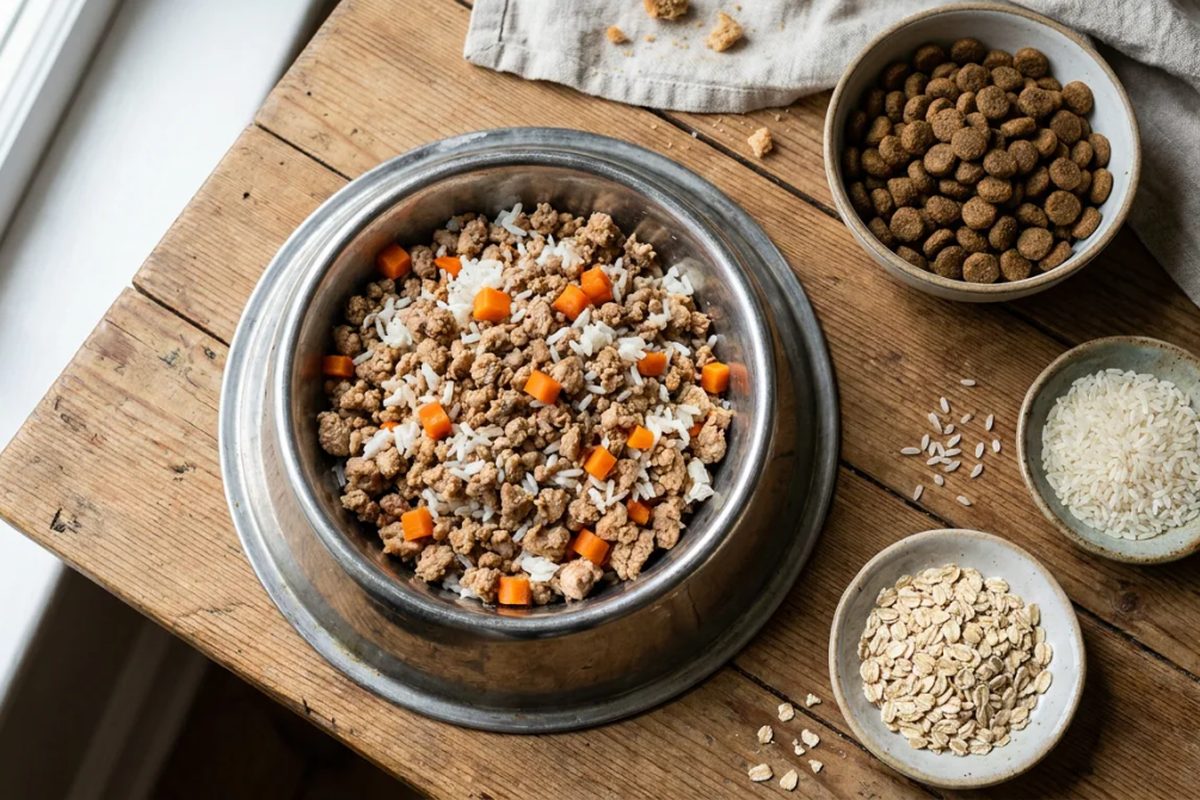
Dog Food for Liver Disease: How Vets Choose a Hepatic Support Diet
Published on August 27, 2026
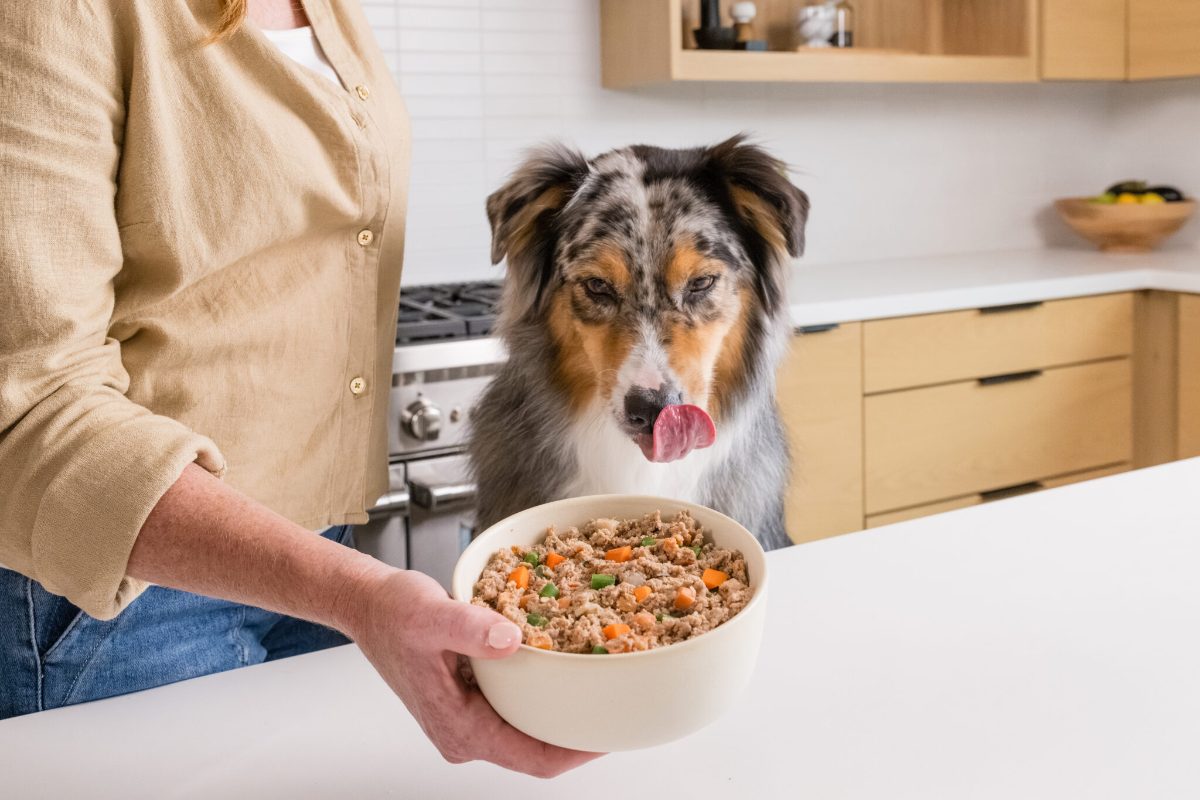
This article is sponsored by JustFoodForDogs. All nutritional guidance reflects the Vetstreet Team’s independent editorial judgment. Vetstreet may earn a commission if you purchase through links in this article.
Choosing dog food for liver disease starts with the diagnosis, not a list of so-called liver superfoods. Liver disease can affect dogs in very different ways, and the right hepatic support diet depends on liver function, symptoms, bloodwork, body condition, appetite, and whether problems such as copper accumulation or hepatic encephalopathy are present.
Decision checkpoint: A veterinarian may recommend controlled copper, a carefully selected protein amount and source, adjusted calories, or smaller meals. Those choices are not interchangeable. A diet that is appropriate for one liver patient can be unnecessarily restrictive for another.
Key Takeaways
- Dog food for liver disease must match the dog’s specific diagnosis and clinical signs.
- Protein should not be restricted automatically in every dog with abnormal liver values.
- Copper restriction is especially important when copper-associated hepatopathy is diagnosed or strongly suspected.
- Appetite, calorie intake, and muscle condition matter because a nutritionally perfect plan cannot help if the dog will not eat enough.
- JustFoodForDogs Hepatic Support Low Fat is a veterinary support diet formulated to support healthy liver function and requires veterinary information before shipping.
How Liver Disease Changes Diet Selection
A liver diet for dogs is selected to reduce the nutritional workload or risk created by a particular disease while still feeding the whole dog. The liver processes nutrients, stores energy, produces important proteins, and helps remove waste products. When liver function is impaired, the diet may need to address several goals at once.
The MSD Veterinary Manual’s guidance on nutrition in hepatic disease emphasizes that dietary modification depends on the dog’s clinical status, definitive diagnosis, and assessment of liver function. It also notes that diets should be palatable, digestible, nutritionally balanced, and offered in a way that supports voluntary food intake.
Vetstreet may earn a commission when you click through to JustFoodForDogs, at no extra cost to you.
That individualized approach matters because the phrase liver disease covers many conditions. Chronic hepatitis, copper-associated hepatopathy, a portosystemic shunt, hepatic encephalopathy, gallbladder disease, toxin exposure, and an isolated increase in liver enzymes do not automatically call for the same food.
Decision checkpoint: Before selecting food, the veterinarian may use repeat bloodwork, urine testing, bile-acid testing, imaging, clotting tests, or a liver biopsy. A biopsy can sometimes identify the type and stage of disease, and quantitative testing of liver tissue can confirm abnormal copper accumulation. The amount of diagnostic work depends on the dog’s stability and the likely causes.
Those are the veterinary decision points behind the hepatic diet decision matrix below. They determine whether food needs controlled copper, a modified protein source, different fat or calorie density, or simply enough palatable nutrition to prevent further weight and muscle loss. The matrix does not rank brands. It connects the confirmed disease process to the nutrient question the veterinarian must answer before choosing a liver diet for dogs.
Hepatic diet decision matrix
This hepatic diet decision matrix turns the diagnosis into practical food questions. It is a discussion tool, not a substitute for the veterinarian’s interpretation of laboratory results and symptoms.
| Question the vet asks | Why it changes the diet | Possible nutrition response |
|---|---|---|
| Is copper accumulating in the liver? | Excess copper can injure liver tissue | Use a reliably copper-restricted veterinary diet |
| Are there signs of hepatic encephalopathy? | The dog may not process nitrogen normally | Adjust protein amount and source under veterinary direction |
| Is the dog losing weight or muscle? | Inadequate calories and protein can weaken recovery | Prioritize palatability, sufficient calories, and frequent reassessment |
| Is fat digestion impaired or is another fat-sensitive disease present? | Most liver patients do not need automatic fat restriction | Adjust fat only for the diagnosed reason |
| Will the dog eat the recommended food? | Prolonged poor intake can become urgent | Offer smaller meals and ask about assisted nutrition if needed |
What food is best for dogs with liver problems?
The best food is one that meets the nutrient goals created by the diagnosis and still provides enough calories, protein, vitamins, minerals, and water for the whole dog. It should be complete and balanced, digestible, palatable, and measurable. For a dog with copper-associated hepatopathy, reliable copper control may be central. For a dog with hepatic encephalopathy, the veterinarian may change protein amount or source. A stable dog without either problem may need a less restrictive plan.
What food is best for dogs with liver problems? It is the complete diet matched to the confirmed condition, current liver function, appetite, body and muscle condition, and any required copper, protein, fat, phosphorus, sodium, or calorie target. The answer must be individualized because “liver problems” describes many different diseases.
The right answer can also change over time. A dog may begin with a cautious transition while nauseated, then need more calories as appetite returns. Weight, muscle condition, neurologic signs, stool, and bloodwork tell the veterinarian whether to continue or revise the plan.
Protein, Copper, Phosphorus, Fat, and Calories
The nutrients that matter in hepatic dog food are connected. Restricting one nutrient too aggressively can create a new problem, especially in a dog already losing weight or muscle. Vets therefore choose a complete formulation rather than changing one ingredient in isolation.
Protein, copper, phosphorus, fat, and calories each answer a different clinical question. Protein amount and source may matter when nitrogen handling is impaired. Copper control can be central in copper-associated hepatopathy. Phosphorus or sodium may matter because of another diagnosis, while fat tolerance and calorie density affect how much food the dog can comfortably eat. No single number defines the best hepatic dog food for every patient.
“How long can a senior dog live with liver disease?” cannot be predicted from any nutrient level. Prognosis depends on the cause, stage, remaining liver function, complications, and response to treatment. Nutrition supports the medical plan by maintaining intake and meeting the diagnosed nutrient targets; it does not replace testing or determine a universal survival time.
Protein is not automatically the enemy
MSD states that liver disease alone should not automatically trigger protein restriction. Restriction is most appropriate when a dog shows signs of hepatic encephalopathy, has ammonium biurate crystals linked to liver insufficiency, or has confirmed or suspected portosystemic shunting.
For other stable liver patients, excessive protein restriction can be inappropriate. The veterinarian may instead focus on a more tolerable protein source, an adequate total amount, and regular monitoring of neurologic signs, muscle condition, and laboratory values.
Hepatic encephalopathy can cause behavior changes, disorientation, pacing, head pressing, weakness, or seizures when the damaged liver and abnormal blood flow cannot handle nitrogen-containing waste normally. In that setting, changing protein is a medical intervention, not a casual switch to a low-protein food. The veterinarian may adjust the amount gradually and use sources that the individual dog tolerates while monitoring mental status and urine findings.
Decision checkpoint: Portosystemic shunts create a related but distinct problem because blood bypasses normal liver processing. Puppies and young dogs with congenital shunts may have different energy, growth, and medication needs from an older dog with chronic hepatitis. This is another reason a product described broadly as liver support is not automatically appropriate for every patient.
Copper requires a reliable formulation
Copper-associated hepatopathy is one situation in which the food itself has a very specific job. MSD notes that prescription liver diets are the diets reliably restricted in copper, which is why they are used for dogs with copper-associated disease. The AAHA nutrition table similarly identifies low copper and added zinc as considerations for copper-associated hepatopathy.
Simply avoiding obvious organ meats does not prove that a homemade or over-the-counter diet is low enough in copper. The total formulation and quality controls matter, and supplements should be added only at the veterinarian’s direction.
Copper intake is only one part of copper-associated disease management. The veterinary plan may include medication, monitoring, and changes based on liver copper measurements and response. Food can provide controlled intake, but it does not remove copper already stored in the liver or replace medical treatment.
Vetstreet may earn a commission when you click through to JustFoodForDogs, at no extra cost to you.
Fat depends on the full diagnosis
Despite the word hepatic on a label, low fat is not a universal requirement for liver disease. MSD explains that most animals with hepatobiliary disease can digest and absorb fat normally. Fat may need adjustment when another problem is present, such as certain gallbladder conditions, high blood fats, or pancreatitis.
Calories also deserve close attention. A dog with nausea or a poor appetite may eat too little, while a dog with lower activity may gain unwanted weight. The vet chooses a calorie target from ideal body weight, then revises it based on actual weight, muscle condition, appetite, and response.
Phosphorus, sodium, vitamins, and hydration
Phosphorus and sodium are not restricted by the same rule for every liver patient. A veterinarian may control them when the complete diagnosis, another organ disease, fluid balance, or the selected therapeutic formulation makes that useful. Do not borrow kidney-diet restrictions simply because the liver and kidneys both appear on a blood panel.
Vitamin and mineral additions also need precision. The MSD Veterinary Manual explains that some liver patients may need water-soluble vitamins or vitamin K, while excessive doses of vitamins A, D, E, or K can cause harm. Vitamin C is not routinely depleted, and MSD cautions against supplementing it in dogs with copper storage hepatopathy because it may worsen oxidative injury associated with metal accumulation.
Fresh water should remain available unless the veterinarian gives a specific medical instruction. Increased thirst or urination can be part of liver disease or another condition and should be reported rather than managed by limiting water at home.
Appetite, calorie density, and muscle preservation
Liver disease often changes appetite before it changes a food label. Nausea, abdominal discomfort, medication effects, and altered smell or taste can make a dog turn away from a meal that worked the week before. If intake falls, the first question is why the dog is not eating, not which topper is most tempting.
Calorie density can help or hurt depending on the goal. A more calorie-dense food may allow a thin dog to meet energy needs in a smaller volume, but it may not fit a dog whose fat intake must be controlled for another condition. A lower-calorie food may provide more volume, yet require an unrealistic amount for a dog with a poor appetite. The veterinarian balances those trade-offs against ideal weight and the amount the dog will reliably consume.
Muscle condition deserves its own check because body weight can be misleading. A dog may retain fluid in the abdomen while losing muscle over the spine and hips. Weigh-ins should therefore be paired with hands-on assessment and notes about strength, activity, and food intake. Preserving muscle can influence protein and calorie decisions even when the scale seems stable.
What foods help repair the liver?
No single food repairs a dog’s liver. The liver may regenerate in some circumstances, but recovery depends on the cause, the amount of functional tissue, medical treatment, and the dog’s overall condition. A balanced hepatic support diet helps by delivering appropriate nutrients and enough energy while avoiding the specific excesses identified for that patient.
What foods help repair the liver is therefore the wrong decision frame. The useful question is which complete diet supports this dog’s diagnosed condition, medications, appetite, and nutrient targets while the underlying disease is treated. The veterinarian may prioritize copper control, protein tolerance, calories, or another need after reviewing current testing.
Foods marketed as detoxifying, cleansing, or superfoods should not displace a complete diet. Blueberries, leafy vegetables, eggs, or fish may be ingredients in a balanced recipe, but serving them separately does not create a treatment and can alter calories or nutrient balance.
Vetstreet may earn a commission when you click through to JustFoodForDogs, at no extra cost to you.
What not to feed a dog with liver problems?
The avoid list should come from the diagnosis. A dog on a copper-controlled plan may need to avoid organ meats and unapproved supplements containing copper. A dog with hepatic encephalopathy may need a specific protein plan. All liver patients should avoid toxic foods such as xylitol, grapes and raisins, onions, garlic, chocolate, and alcohol, just like any other dog.
Do not add human vitamins, herbal products, high-dose minerals, or home-cooked toppers without approval. Even a supplement promoted for liver support can interact with medication, duplicate nutrients already in the food, or make the main diet less balanced.
When a Veterinary Hepatic Diet May Fit
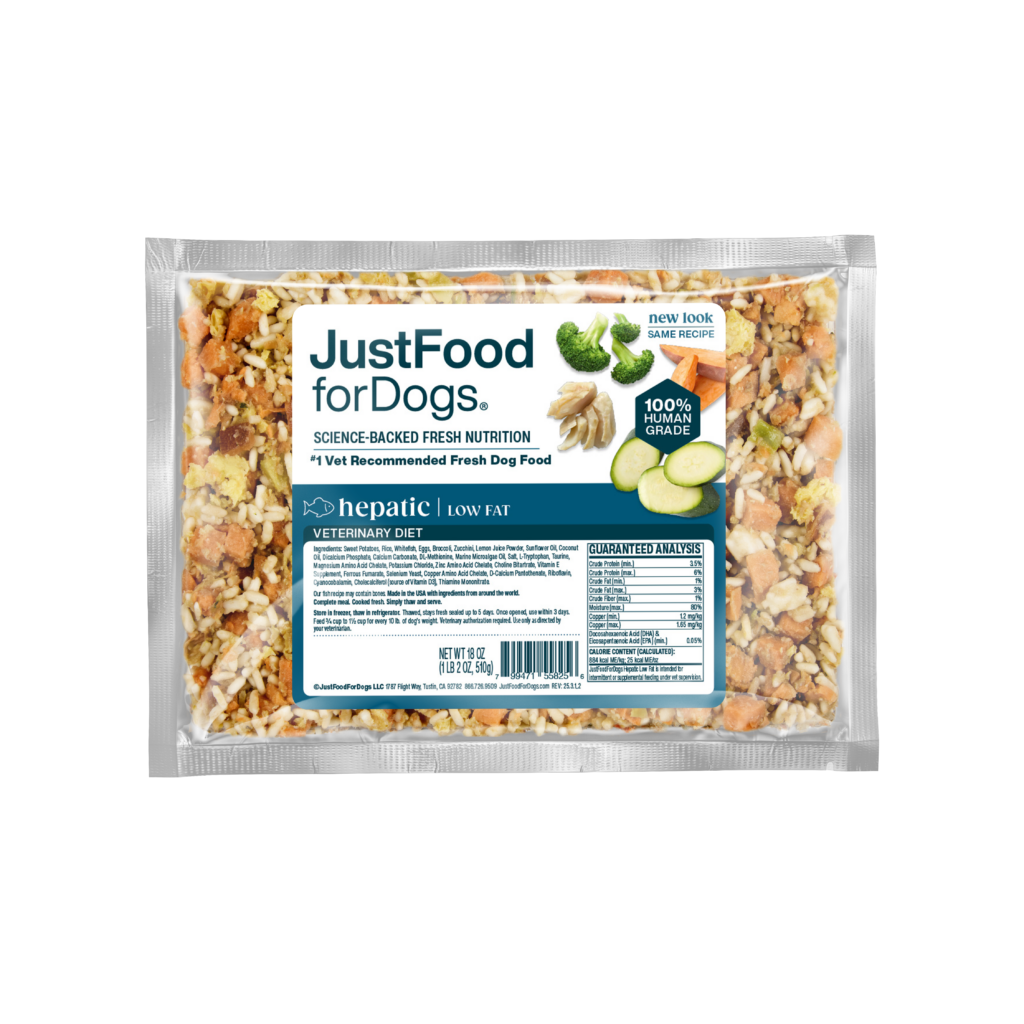
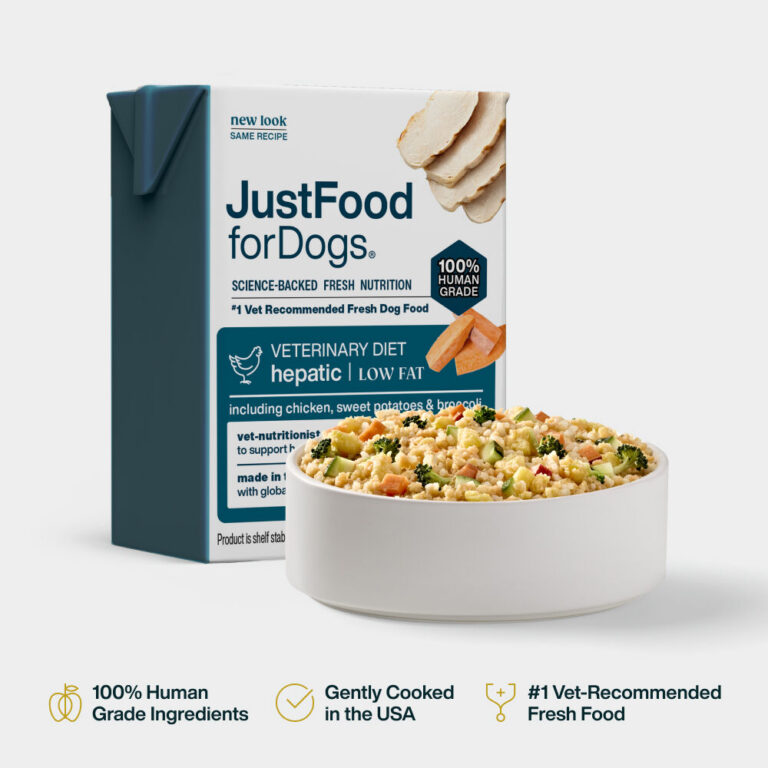
JustFoodForDogs Hepatic Support Low Fat may fit when the diagnosis calls for nutrient levels that are difficult to confirm in an ordinary food, especially reliable copper restriction or a carefully controlled protein plan. Its published nutrient profile gives the veterinary team concrete information to compare with the dog’s diagnosis, laboratory findings, appetite, and clinical goals.
Veterinary diet decisions should stay tied to a named purpose and a reassessment plan. A liver diet for dogs may be appropriate when the team needs documented copper control, specific protein management, dependable calorie information, and manufacturing consistency. What foods help repair the liver is not a brand question: no food repairs every liver disorder, and a therapeutic formula supports rather than replaces diagnosis, medication, and monitoring.
Vet Callout: An abnormal liver enzyme result is not a diet diagnosis. Do not place a dog on a protein-restricted or copper-restricted diet solely because one blood value is high. The veterinarian must identify the likely disease process and decide whether restriction is appropriate.
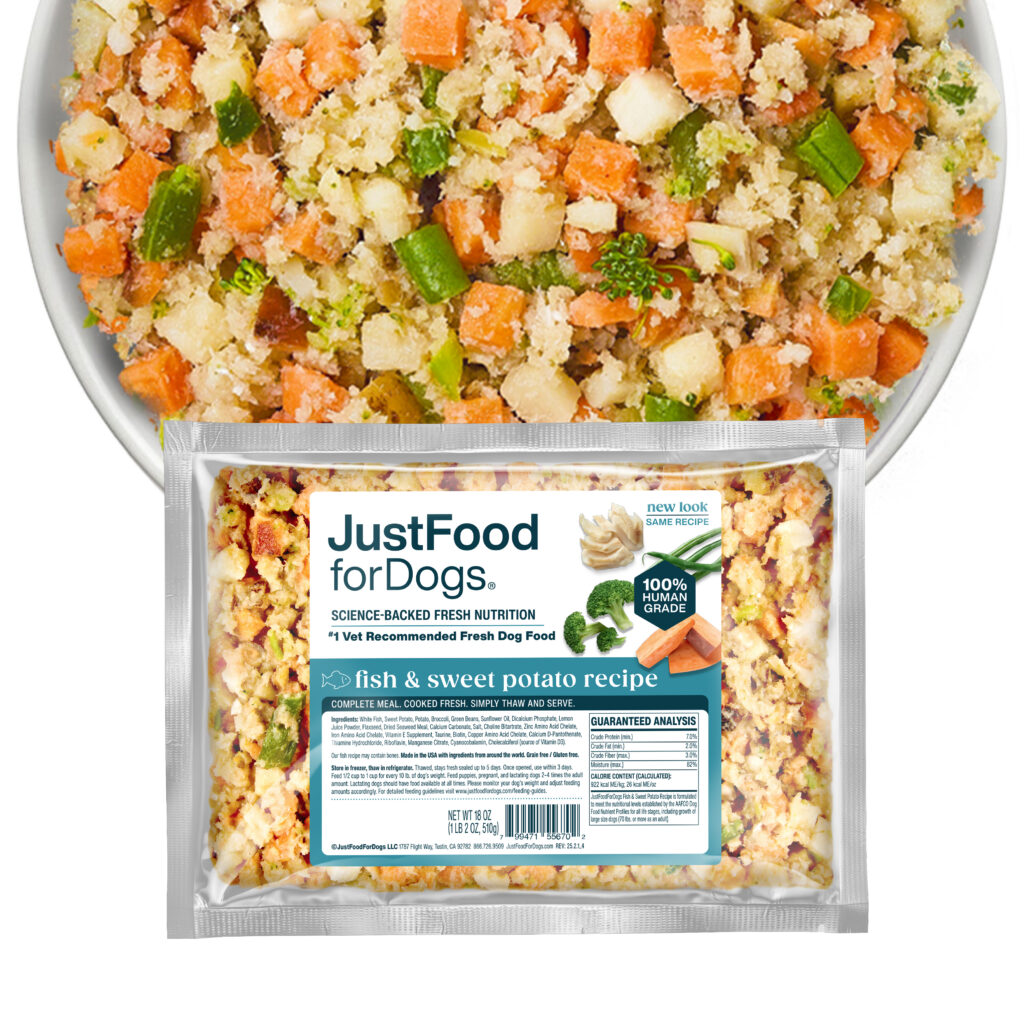
JustFoodForDogs Hepatic Support Low Fat, SKU FBS10040210, is formulated to support healthy liver function with controlled protein, calories, phosphorus, and copper. The Fresh Frozen recipe is built on sweet potatoes, long-grain white rice, eggs, and white fish, with broccoli and zucchini. Its guaranteed analysis lists crude fat at 1% minimum and 3% maximum as fed, and its calorie density is 25 kcal per ounce.
Vetstreet may earn a commission when you click through to JustFoodForDogs, at no extra cost to you.
Hepatic Support Low Fat is a veterinary support diet, so JustFoodForDogs requires the veterinarian’s information before shipping. That safeguard is important because moderated protein and other nutrient controls suit some liver patients but not others.
Decision checkpoint: The recipe was not designed as a pancreatic recovery diet. Its low as-fed fat level does not make it a treatment for pancreatitis, and it should not be selected for that purpose without the veterinarian assessing both conditions.
When the veterinarian compares hepatic foods, ask for the daily calorie amount, expected portion, protein goal, copper goal, and reassessment date. Also ask what would make the team stop or modify the diet. A clear exit criterion is especially useful when appetite, stool quality, weight, or mental status changes.
A label-review checklist for hepatic dog food
Bring the full label or product information to the appointment. A front-panel phrase such as liver care or low fat does not reveal whether the formulation meets the dog’s medical goals. Review these questions with the veterinary team:
- Is the food complete and balanced for the dog’s life stage and intended use?
- Is it an everyday diet or a veterinary support diet?
- What are the calorie density and expected daily portion?
- Does the manufacturer provide the copper, protein, fat, phosphorus, and other values the vet needs?
- Is a nutrient merely described as controlled, or is a specific target documented?
- Does the food require veterinary authorization?
- How will the dog transition, and when will weight, appetite, symptoms, and bloodwork be rechecked?
This review also prevents two common mistakes: choosing a food only because it is low in one nutrient, and assuming a food for one liver condition will fit every liver condition. The complete nutrient profile and the clinical goal must line up.

Feeding and Monitoring a Dog With Liver Disease
The best hepatic support diet can still fail if the dog will not eat it or if the transition is too abrupt. Introduce the new food on the schedule the veterinarian provides. Some patients need smaller, more frequent meals, while a nauseated or anorexic dog may need medication or assisted feeding rather than repeated experiments with toppers.
For a stable dog, the veterinarian may allow a gradual transition that mixes increasing amounts of the new food with decreasing amounts of the old food. A dog who is vomiting, refusing food, jaundiced, or neurologically abnormal is not a routine transition case. Contact the clinic rather than trying several new foods in rapid succession.
MSD recommends frequent small meals for many animals with hepatobiliary disease because the goals include voluntary food intake, digestion, and assimilation. If a dog cannot take in enough food, the team may discuss temporary feeding support. Assisted feeding is a medical plan and should not be attempted with a syringe at home unless the clinic has demonstrated a safe technique for that patient.
Home-prepared diets for liver disease
A home-prepared liver diet can be appropriate when it is formulated for the individual dog by a board-certified veterinary nutritionist or another veterinarian with suitable nutrition expertise. The recipe must specify exact ingredients, amounts, supplements, cooking method, yield, and daily portion. Substituting a different meat, organ, grain, vitamin, or mineral can change copper, protein, calories, and overall balance.
Generic internet recipes are especially risky when the diagnosis requires reliable copper control or a carefully adjusted protein source. Chicken and rice may sound gentle, but it is not a complete diet by itself and does not prove that copper, essential fatty acids, vitamins, or minerals are appropriate. Likewise, removing all animal protein can create deficiencies unless the formulation is professionally balanced.
If a custom recipe is prescribed, weigh ingredients rather than using visual estimates, use the exact supplement named, and bring questions to the nutrition service before making a change. Batch records can help trace an unexpected appetite, stool, weight, or laboratory change to a specific preparation.
Appetite and tolerance monitoring log
Use an appetite and tolerance monitoring log to make the follow-up visit more useful. Record facts at the same time each day, and include the exact recipe, portion, and any extras. A short log is more valuable than a vague impression that the dog is eating better.
Track the details that help the veterinary team judge the plan:
- Daily food amount offered and eaten
- Weight and body condition
- Muscle condition over the spine, hips, and skull
- Vomiting, diarrhea, or changes in stool color
- Appetite, energy, and interest in normal activities
- Increased thirst or urination
- Behavior changes, disorientation, pacing, head pressing, or seizures
- Yellowing of the eyes, gums, or skin
- Abdominal swelling or unusual bruising
The MSD Veterinary Manual’s dog-owner overview lists poor appetite, vomiting, diarrhea, weight loss, increased thirst and urination, jaundice, abdominal fluid, bleeding problems, and neurologic signs among possible signs of liver disease. New neurologic signs, collapse, seizures, marked jaundice, repeated vomiting, or refusal to eat warrant prompt veterinary attention.
Do not add milk thistle, SAMe, zinc, vitamins, or homemade mineral mixtures without asking the veterinarian. Some supplements may be appropriate for a diagnosed condition, but the dose, product quality, interactions, and nutrients already present in the food all matter.
Decision checkpoint: Bring the log to rechecks and ask which measures carry the most weight. A veterinarian may follow liver enzymes, bile acids, bilirubin, albumin, clotting values, body weight, muscle condition, copper measurements, or neurologic signs depending on the diagnosis. One improved number does not always mean every restriction should end.
Reassessment is part of the prescription
A hepatic diet is not a set-it-and-forget-it purchase. At the first follow-up, the veterinarian may compare the planned daily calories with what the dog actually ate, review weight and muscle change, and decide whether the transition is complete. Later rechecks may focus on laboratory trends, medication response, neurologic signs, or copper status.
Ask for a written reassessment date and the signs that should move it earlier. Keep the product name, lot information, serving amount, treats, supplements, and medication list together. If another caregiver feeds the dog, make sure everyone uses the same measuring method and knows which extras are allowed.
A useful plan also defines success in practical terms. That might include stable weight, better appetite, no new neurologic signs, improved laboratory measures, or simply reliable intake while medical treatment continues. The veterinarian decides which outcomes are meaningful for the diagnosed condition.
Decision checkpoint: If the dog improves, do not assume the veterinary diet or medication can stop immediately. Improvement may mean the combined plan is working. If the dog does not improve, do not keep tightening restrictions without new guidance. Poor response can reflect an incorrect diagnosis, advancing disease, inadequate intake, an adverse food response, medication effects, or a complication that needs a different medical approach. In both directions, the next decision belongs to the veterinary team that can compare the dog’s clinical signs with current testing.
How long can a senior dog live with liver disease?
There is no reliable timeline based on age or diet alone. Some liver conditions are treatable or manageable for years, while advanced failure, cancer, severe copper injury, or recurrent hepatic encephalopathy may carry a guarded outlook. Prognosis depends on the cause, disease stage, response to treatment, appetite, and complications. Ask the veterinarian what the diagnostic results mean for this dog and which changes should trigger an earlier recheck.
How long can a senior dog live with liver disease? Only the treating veterinarian can give a case-specific outlook after identifying the cause and stage. Age alone does not establish prognosis, and choosing a hepatic food cannot substitute for the diagnostic and treatment information that determines survival and quality of life.
For additional everyday feeding context, Vetstreet’s food and treats guidance can help families prepare questions about portions, transitions, and complete-and-balanced nutrition.
Connect the product label to the full clinical decision
Vetstreet’s existing JustFoodForDogs low-fat diet guide provides a product-level comparison and identifies Hepatic Support Low Fat as the company’s controlled-protein, controlled-calorie, controlled-phosphorus, and controlled-copper veterinary recipe. This article owns the broader liver-disease decision: why diagnosis, disease stage, appetite, protein tolerance, copper status, fat tolerance, and concurrent conditions determine whether that product profile fits.
The link between the two pages is deliberate. The product guide helps a reader verify how the named recipe differs from other lower-fat options, while the hepatic guide prevents a low-fat label from becoming a substitute for a liver diagnosis and veterinary nutrition plan.
Bring the current product label, guaranteed analysis, calorie statement, ingredient list, feeding amount, and veterinarian authorization details to rechecks. Product information can change, and the prescription must stay connected to the dog’s current laboratory findings, weight, muscle condition, appetite, stool, and medication plan.
Decision checkpoint: Ask what the current diagnosis means for protein, copper, phosphorus, fat, calories, sodium, vitamins, and meal frequency; which findings will be rechecked; and what appetite or gastrointestinal sign should trigger an earlier visit. Written answers prevent a general “liver diet” label from being applied beyond the individual prescription.

Frequently Asked Questions
No. MSD advises that protein restriction is inappropriate for many liver patients and should be reserved for specific clinical situations. Unnecessary restriction can worsen muscle loss or make it harder to meet nutrient needs.
No. Most dogs with hepatobiliary disease do not automatically need fat restriction. A veterinarian may lower fat when another diagnosed condition makes it necessary.
Only if the recipe is formulated for the dog’s diagnosis by a qualified veterinary nutrition professional and is followed exactly. A generic chicken-and-rice recipe is not complete and may not meet the required copper, protein, calorie, vitamin, or mineral targets.
Use the schedule provided by the veterinarian. Stable dogs may transition gradually, but a dog that is not eating, vomiting, jaundiced, or showing neurologic signs needs prompt veterinary direction rather than a routine food change.
Refusal to eat, repeated vomiting, collapse, seizures, marked disorientation, severe weakness, rapidly increasing abdominal size, unusual bleeding, or pronounced jaundice warrants urgent veterinary attention.